
Rabbit Pose (Sasangasana): Steps, Benefits & Precautions
Kneeling, the body folds forward with the crown of the head on the floor and the hands holding the heels, resembling a curled rabbit — the counter-pose to Camel Pose. See the steps, benefits, and precautions.
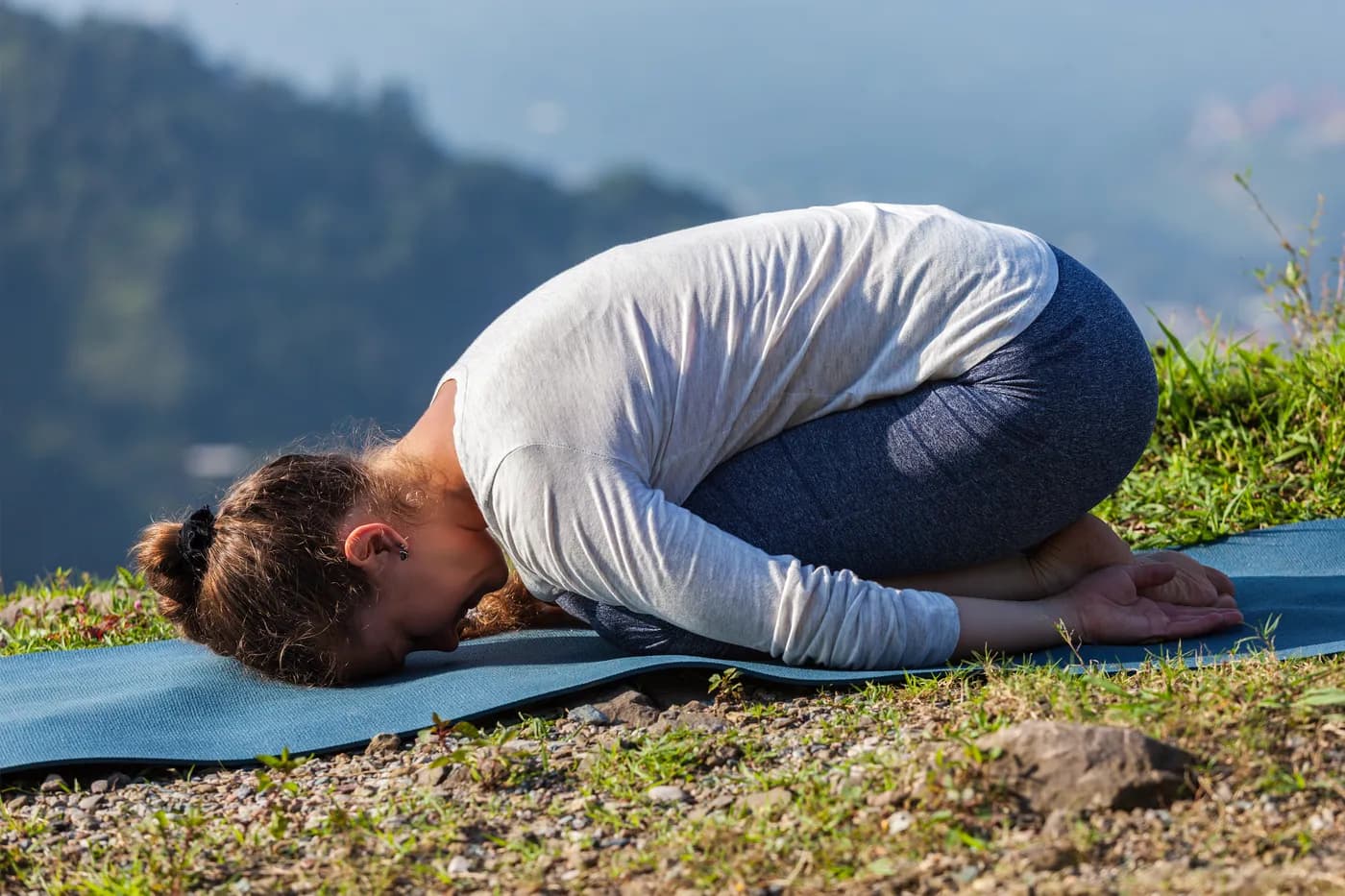
Key Takeaways
- Named for its visual resemblance to a curled rabbit, hands gripping the heels behind.
- Serves as the direct counter-pose to Camel Pose, balancing that backbend’s spinal direction.
- The heel grip creates traction that decompresses the cervical and thoracic vertebrae uniquely.
- The chin-to-chest position stimulates the thyroid, more gently than a full shoulder stand.
- Weight should rest mainly on the legs and arms, not the neck – exit immediately if compressed.
- Part of the Bikram yoga system as well as classical Hatha sequences.
What is Sasangasana?
Sasangasana pronounced sa-sang-ah-sa-na translates as “Rabbit Pose.” “Sasanga” means rabbit in Sanskrit. The pose is named for its visual resemblance: kneeling, the body folds forward and the crown of the head rests on the floor, while the hands reach back to hold the heels looking somewhat like a curled rabbit.
Rabbit pose is part of the Bikram yoga system and appears in classical hatha sequences. It’s the counter-pose to camel pose (ustrasana), creating a deep forward-folding stretch of the spine to balance the backbend. Sasangasana benefits include a unique decompression of the cervical and upper spine that few other poses produce.
In Habuild’s daily practice, rabbit pose is offered as a gentle inversion that targets the upper back and neck particularly useful for those whose tension lives between the shoulder blades.
Sasangasana Benefits
Physical Benefits
- Stretches the Spine, Especially the Upper Back and Neck Sasangasana benefits include a unique upper-spine stretch unavailable from most other forward folds. The position decompresses the vertebrae of the cervical and thoracic spine.
- Improves Spinal Flexibility Daily rabbit pose deepens overall spinal mobility particularly valuable for those whose work involves long hours of fixed posture.
- Stimulates the Thyroid Gland The chin-to-chest position gently stimulates the throat region and the thyroid gland, similar to (but milder than) shoulder stand.
- Strengthens the Arms and Shoulders The arms hold the heels and create the traction that lengthens the spine light strengthening work for the shoulders and back.
- Calms the Mind and Reduces Stress The forward-folding, head-down position activates the parasympathetic nervous system. Rabbit pose benefits include a notable mental calm.
- Promotes Introspection Like other forward folds with the head down, sasangasana turns attention inward preparing the mind for breath work or meditation.
Mental and Emotional Benefits
How to Do Sasangasana Step-by-Step Instructions
Key Principles
The crown of the head is on the floor, but the weight is supported mostly by the legs and arms, not by the neck. If you feel cervical compression, exit immediately.
Step 1: Starting Position
Begin in vajrasana (kneeling on the heels). Spine tall.
Step 2: Reach Back and Hold the Heels
Reach both hands back and grasp the heels firmly. The grip on the heels is what creates the traction.
Step 3: Tuck the Chin
Tuck the chin to the chest.
Step 4: Roll Forward Slowly
Slowly roll forward, lifting the hips and bringing the crown of the head toward the floor. Keep holding the heels firmly.
Step 5: Final Position and Hold
The crown of the head rests on the floor (close to the knees). The arms remain straight, holding the heels. The hips lift up. Hold for 20–30 seconds.
Step 6: How to Come Out of Sasangasana
Slowly roll the body back down, releasing the heels. Return to vajrasana for several breaths to release the spine.
Breathing in Sasangasana
Slow, steady, controlled. Hold for 5–8 breaths only. The position is more demanding than it looks.
Preparatory Poses Before Sasangasana
Vajrasana (Thunderbolt Pose) Builds the kneeling foundation.
Balasana (Child’s Pose) Prepares the spinal forward fold.
Cat-Cow Mobilises the spine.
Ustrasana (Camel Pose) Often paired with rabbit as the backbend counter-pose.
For a fuller back-care sequence, see our yoga for back pain programme.
Variations of Sasangasana
Variation 1: Modified Rabbit (Beginner)
Don’t bring the head all the way to the floor. Hold the position with the crown a few inches above the floor. Reduces the cervical-spine load.
Variation 2: Half Rabbit with Hands on Floor
Rather than holding the heels, place the hands on the floor in front of the knees. A simpler entry into the spinal stretch.
Variation 3: Full Sasangasana with Extended Hold
The classical version held for 20–30 seconds with breath control. Requires established neck and shoulder mobility.
Common Mistakes to Avoid in Sasangasana
Mistake 1: Putting weight on the neck. Correction: The weight should be supported by the legs and arms, not the head. Engage the arms strongly.
Mistake 2: Rounding the upper back. Correction: Try to keep the spine as long as possible while folding.
Mistake 3: Holding the breath. Correction: Slow, steady breathing throughout if you can’t breathe, exit the pose.
Mistake 4: Practising with neck injury or condition. Correction: If you have any neck issues, skip this pose entirely.
Who Should Practice Sasangasana?
- Yoga Practitioners Wanting Upper-Spine Decompression The unique cervical and thoracic stretch makes this valuable for those with upper-back tension.
- People with Mild Stress or Anxiety The forward-fold, head-down position activates calming mechanisms. Pair with our yoga for anxiety guide.
- Intermediate Practitioners Beginners should master vajrasana and child’s pose first.
- Is Sasangasana Good for Beginners? With caution and modifications, yes but the modified version (head not touching the floor) is the right starting point. Avoid it if you have any neck condition.
Frequently Asked Questions
Related Articles
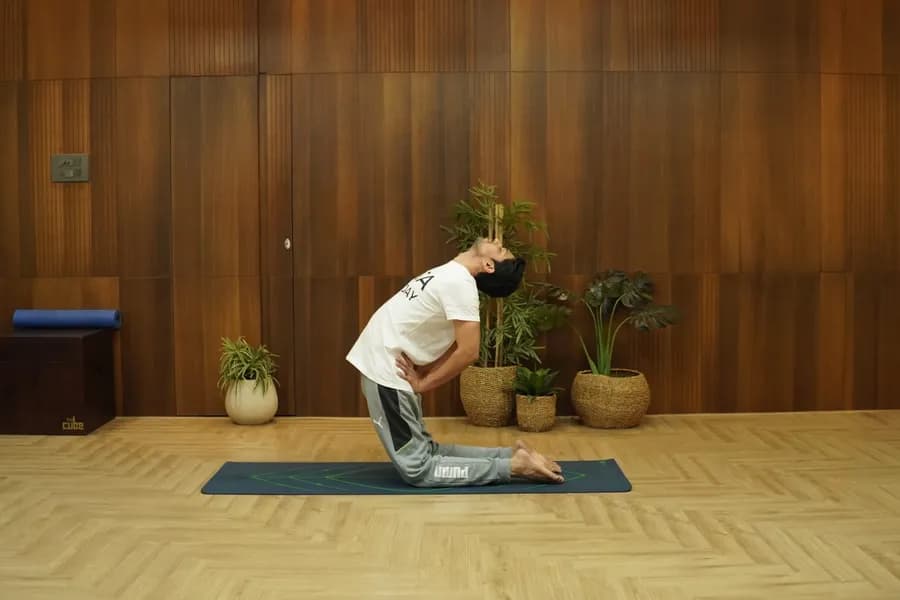
Ustrasana: Camel Yoga Pose, Steps & Yoga Benefits
Ustrasana, or Camel Pose, is a kneeling backbend that deeply stretches the hip flexors, chest, and entire anterior spine while strengthening the back.

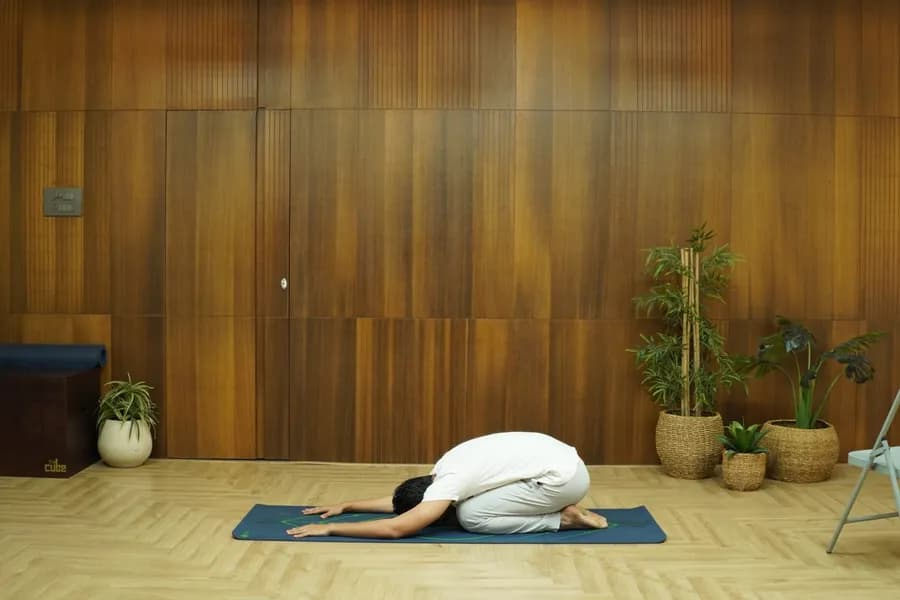
Balasana (Child’s Pose): Steps and Benefits for Mind and Body
Try balasana with Habuild. Practice the balasana pose to relieve stress, ease back tension, and deeply relax your body and mind. Start your yoga session now!

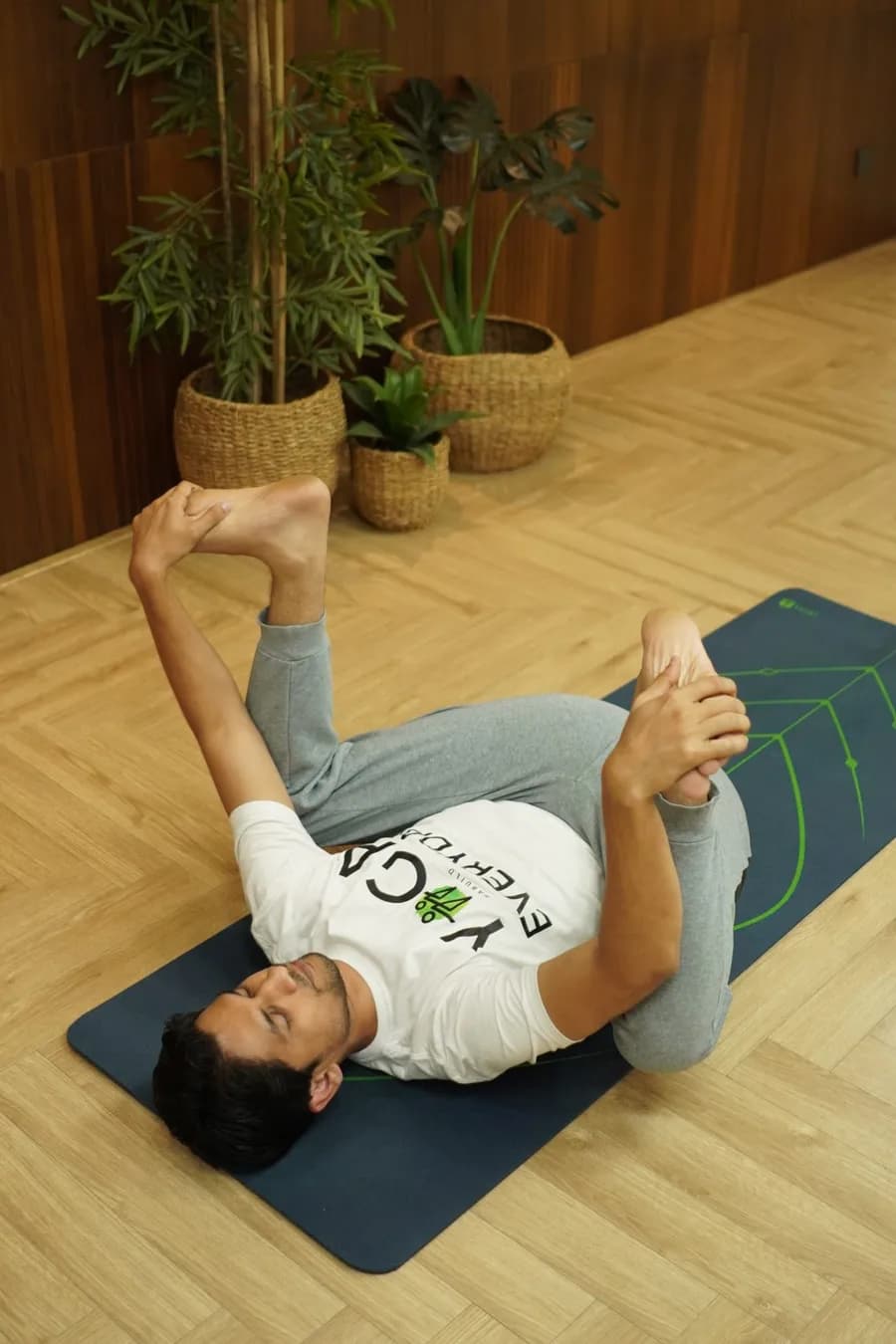
Ananda Balasana (Happy Baby Pose): Steps and Restorative Benefits
Practice Ananda Balasana with Habuild. Follow the happy baby pose steps to relieve lower back pain, open your hips, and calm your nervous system. Start today!