
Seated Yoga Poses: Complete Guide to Sitting Asanas
Forward folds, twists, hip openers, and pranayama seats performed from a floor-seated position form one of the most therapeutically important categories
Key Takeaways
- Padmasana, Siddhasana, and Sukhasana were classically the primary yoga positions for meditation.
- Gravity-assisted relaxation into seated poses produces deeper stretching than standing poses allow.
- Specifically targets hamstrings, hip rotators, and adductors shortened by daily chair-sitting.
- Research confirms sustained seated folds beat brief dynamic stretching for flexibility gains.
- Forms the essential foundation of stable, comfortable positions for pranayama and meditation.
- Encompasses forward folds, twists, hip openers, and dedicated pranayama seats in one category.
What Are Seated Yoga Poses?
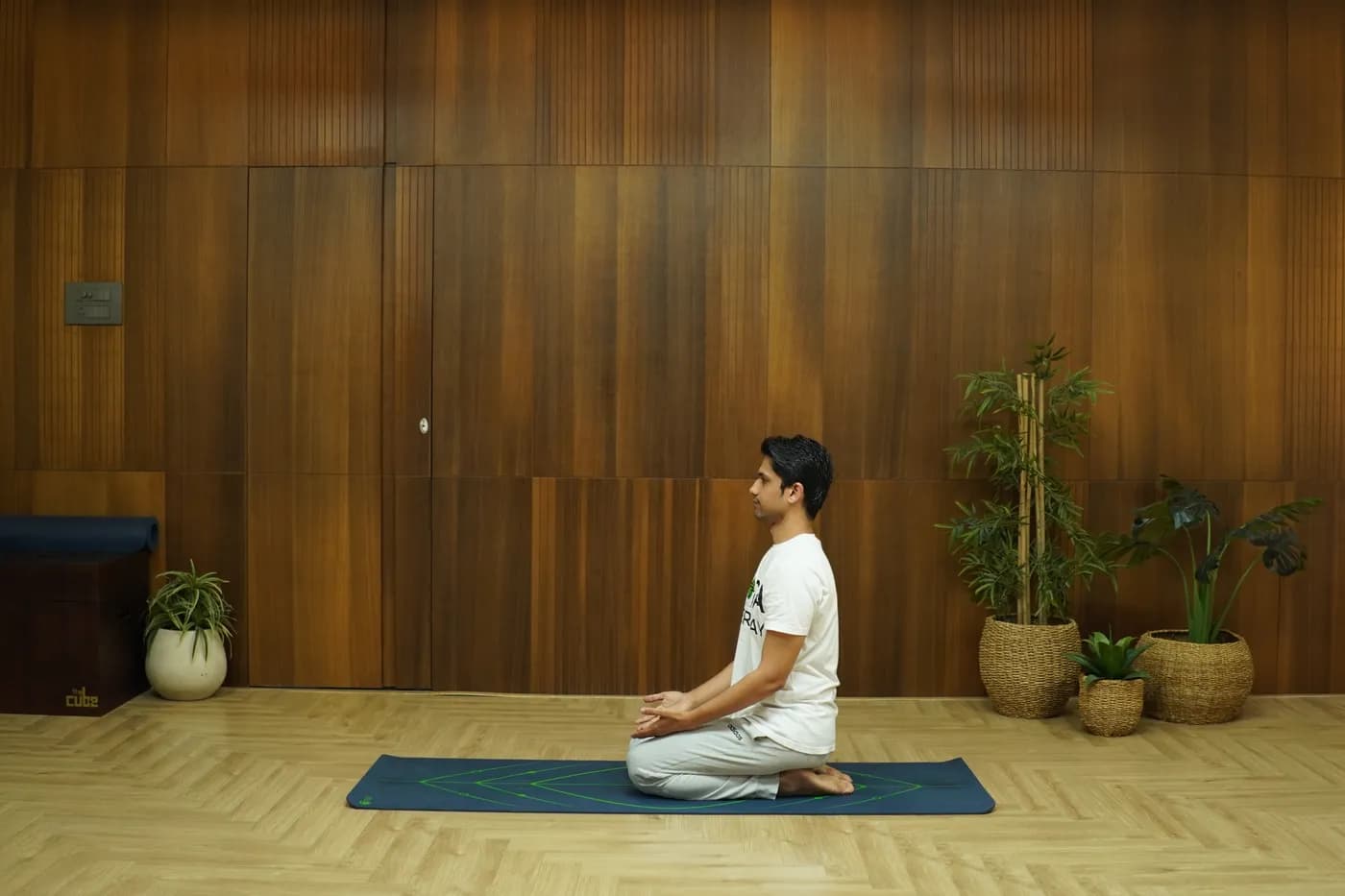
Seated yoga poses are asanas performed from a sitting position on the floor — either with legs extended, crossed, folded, wide apart, or in various lotus and bound configurations. In the classical Hatha yoga system, seated asanas (particularly Padmasana, Siddhasana and Sukhasana) were the primary yoga positions — the stable, comfortable seated positions for pranayama and meditation that the Yoga Sutras describe as the purpose of asana practice. Modern yoga has expanded this to include the comprehensive seated yoga asanas for hip opening, spinal rotation and forward folding that the full seated category encompasses.
Sitting yoga poses specifically target the muscles and connective tissue that daily chair-sitting most shortens and tightens: the hamstrings (shortened by hip flexion in chairs), the hip rotators (restricted by forward-facing seating), the adductors (compressed by narrow seating positions) and the thoracic spinal extensors (rounded by desk posture). Regular sitting yoga stretches systematically reverse these postural adaptations.
Benefits of Seated Yoga Poses
- Deep Hamstring and Posterior Chain Lengthening The seated forward fold category (Paschimottanasana, Janu Sirsasana) produces the most accessible available deep hamstring stretching — the posterior chain flexibility that standing forward folds provide less completely due to the hip position differences. Research confirms that sustained sitting yoga stretches in forward folds produce significantly greater hamstring flexibility gains than brief dynamic stretching at equivalent weekly time investment.
- Hip External Rotation Flexibility Seated yoga asanas in crossed and bound positions (Baddha Konasana, Gomukhasana, Padmasana progressions) develop the hip external rotation that the widest possible range of yoga poses and daily activities require — producing the hip mobility that makes the full seated lotus position, deeper squatting and the rotational hip freedom that athletic movement and dance require.
- Spinal Rotation and Lateral Flexibility Seated twisting asanas (Ardha Matsyendrasana, Bharadvajasana) produce the spinal rotation that standing twists cannot fully achieve — the deep thoracic and lumbar rotation that maintains intervertebral mobility, stimulates digestive organ function and develops the lateral and rotational spinal flexibility that yoga’s comprehensive spinal health programme requires.
- Calms the Nervous System and Supports Meditation The grounded, low-centre-of-gravity quality of floor-seated positions activates the parasympathetic nervous system more effectively than standing or supine positions — producing the deep physiological calm that makes seated yoga asanas the natural transition into pranayama and meditation practice.
Sustained seated forward fold practice produces significantly greater hamstring flexibility gains than equivalent-time dynamic stretching — establishing sitting yoga poses as the most efficient available hamstring lengthening practice.
Best Seated Yoga Poses — Step by Step
Staff Pose (Dandasana) — Foundation of All Seated Asanas
Sit with both legs extended straight in front, feet flexed, palms pressing into the floor beside the hips. The foundational seated asana that establishes the spinal elongation, core engagement and hip flexor stretch that all seated yoga poses build from. Hold 5-10 breaths before entering any other seated pose. See also: paschimottanasana-benefits
Seated Forward Fold (Paschimottanasana) — Hamstring and Posterior Chain
From Dandasana, inhale to lengthen, then exhale and fold forward from the hips (not the waist) reaching for the feet, shins or using a strap. The most important sitting yoga stretch for the complete posterior chain — hamstrings, calves, lumbar and thoracic extensors. Hold 1-3 minutes. See also: forward-bend-yoga-poses
Butterfly Pose (Baddha Konasana) — Hip External Rotation
Soles of feet together, knees falling outward, hands holding the feet. The primary sitting yoga asana for hip external rotation — gentle gravity-assisted opening of the inner thighs and hip rotators. Hold 2-5 minutes; the longer holds produce connective tissue changes that brief holds cannot achieve.
Head-to-Knee Pose (Janu Sirsasana) — Unilateral Hamstring and Hip
One leg extended, other foot drawn to inner thigh, forward fold over the extended leg. The unilateral version that identifies and addresses the hamstring flexibility asymmetry between left and right that bilateral forward folds miss. Hold 1-2 minutes each side. See also: yoga-poses-for-flexibility
Seated Spinal Twist (Ardha Matsyendrasana) — Spinal Rotation
One leg extended, other foot crossed over the knee, twist the torso toward the raised knee with elbow or hand pressing against it. The deepest available seated yoga spinal rotation — stimulating digestive organs, developing thoracic rotation and counteracting the forward-flexion dominance of daily sitting posture. Hold 60 seconds each side. See also: surya-namaskara
Common Mistakes in Seated Yoga Poses
- Rounding the Lower Back in Forward Folds The most common seated yoga asana error — collapsing the lumbar spine into flexion rather than folding from the hip joint produces spinal rather than hamstring stretch. Correction: place a folded blanket under the hips (elevated hips allow anterior pelvic tilt) and lead every forward fold with the sternum rather than the forehead until hamstring flexibility allows a genuine hip hinge.
- Forcing the Knees Down in Baddha Konasana Pressing the knees toward the floor with the hands before the hip external rotation allows it strains the medial knee ligaments. Correction: allow the knees to remain at whatever height the hips currently allow and use gravity and breath to progressively release over weeks rather than forcing range with the hands.
- Holding Breath During Sitting Yoga Stretches Breath holding during seated forward folds prevents the muscular relaxation that produces genuine connective tissue lengthening. Correction: exhale into the fold and use each subsequent exhale to release further into the stretch — the relaxation response of exhalation produces the flexibility gain that held breath prevents.
Who Should Practise Seated Yoga Poses?
- Desk Workers with Tight Hamstrings and Hip Flexors The most important yoga category for those who sit 6-8 hours daily — seated yoga asanas specifically reverse the hamstring shortening, hip external rotation restriction and thoracic kyphosis that sustained chair-sitting produces.
- Complete Beginners Dandasana, Baddha Konasana and supported Paschimottanasana with a strap are accessible from day one. Habuild’s sessions provide prop-use guidance that makes every seated pose accessible regardless of current flexibility.
- Practitioners Developing Meditation Foundation The hip and hamstring flexibility that comfortable sustained cross-legged sitting requires — the foundation of meditation posture — is specifically developed through the seated yoga asanas described here. Consistent daily practice produces the physical foundation that makes meditation sessions sustainably comfortable.
650,000+ people building better habits every morning every morning Live daily sessions · Real-time corrections · Cancel anytime
Seated poses — forward folds, twists, hip openers — are often where a daily practice quietly does its most important work, preparing the body for longer stillness in meditation and pranayama. That preparation rarely happens in one sitting; it’s the accumulation of small daily adjustments that eventually makes sitting comfortably for longer periods feel natural. Habuild’s Yoga Everyday program weaves these seated foundations into an everyday sequence, building toward that ease gradually.
Frequently Asked Questions
Related Articles
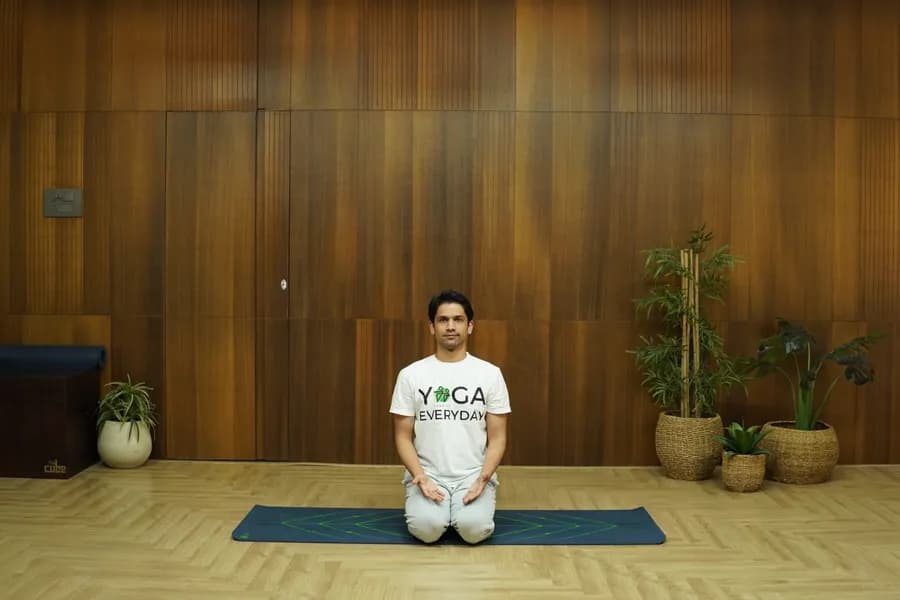
Vajrasana: How to Do It Benefits and Precautions
Practice vajrasana pose with Habuild. Try vajrasana to ease digestion, reduce back pain, and calm your mind. Ideal for all levels. Start your session today!

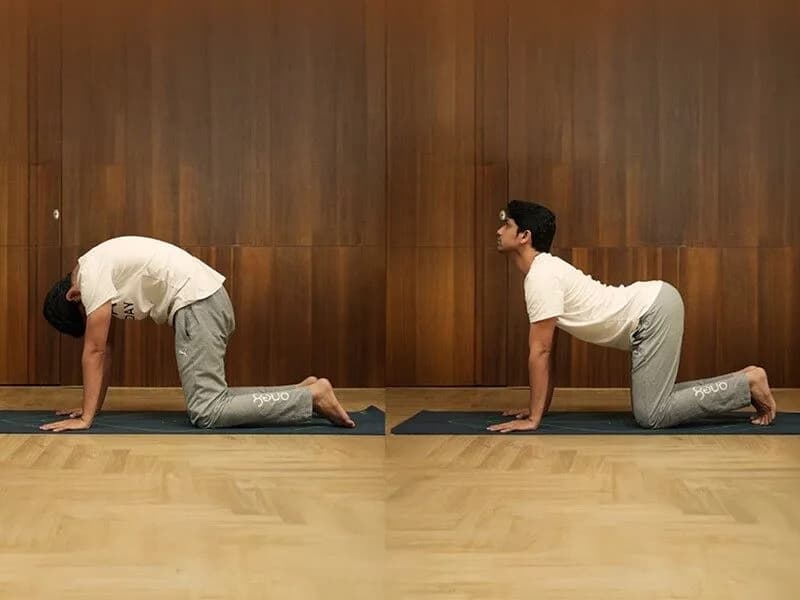
Chakravakasana (Ruddy Goose Pose): Steps, Benefits and Precautions
This four-point kneeling anti-rotation exercise builds lumbar stability and shoulder alignment, named after the ruddy shelduck of Hindu mythology. See the steps, benefits, and precautions.
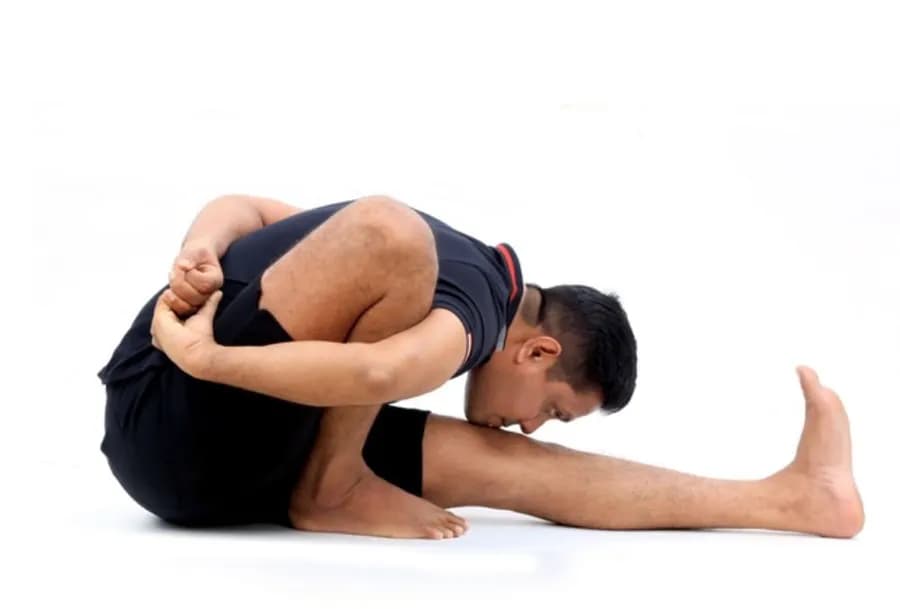
Marichyasana a (Sage Marichi’s Pose a): Steps, Benefits and Precautions
The first of four Marichi poses, this seated forward fold with one knee bent and an arm wrapped behind the back establishes the base that the more complex C and D variations build upon. See the steps, benefits, and precautions.