
Viparita Karani Mudra: How to Practice and Its Benefits for Energy
Practice Viparita Karani Mudra with Habuild. Follow the inverted action pose steps to reduce fatigue, calm the nervous system, and restore vitality. Start!
Key Takeaways
- Classical texts describe it as preserving the Amrita nectar said to flow down from Sahasrara.
- 10-15 minutes of Legs Up the Wall is said to restore more energy than longer passive rest.
- Classified in classical texts as both an asana and a mudra simultaneously.
- The shoulderstand variation can be sustained 15-20 minutes for comfortable thyroid support.
- Elevated legs use gravity itself to drain lymphatic fluid and reduce lower body swelling.
- Requires minimal muscular effort while providing complete gravitational blood-flow reversal.
Viparita Karani Mudra is a yogic inversion practice — performed as Legs Up the Wall or the shoulderstand variation — that reverses gravitational blood flow, reduces fatigue, calms the nervous system, stimulates the thyroid, and improves lymphatic drainage. Classified in classical texts as both an asana and a mudra, it is one of the most restorative and therapeutically comprehensive practices in yoga.
What is Viparita Karani Mudra?
Viparita Karani Mudra — the Inverted Action Practice — occupies a unique place in classical yoga as both a mudra and an asana. Its classification as a mudra reflects its energy-sealing, energy-reversing function beyond the mere physical inversion that the asana classification alone would indicate. The Hatha Yoga Pradipika and Gheranda Samhita both describe Viparita Karani as a powerful practice for preserving the Amrita — the nectar of immortality that classical texts describe as flowing downward from the Sahasrara chakra — the inversion reversing this downward flow to nourish and preserve the vital body.
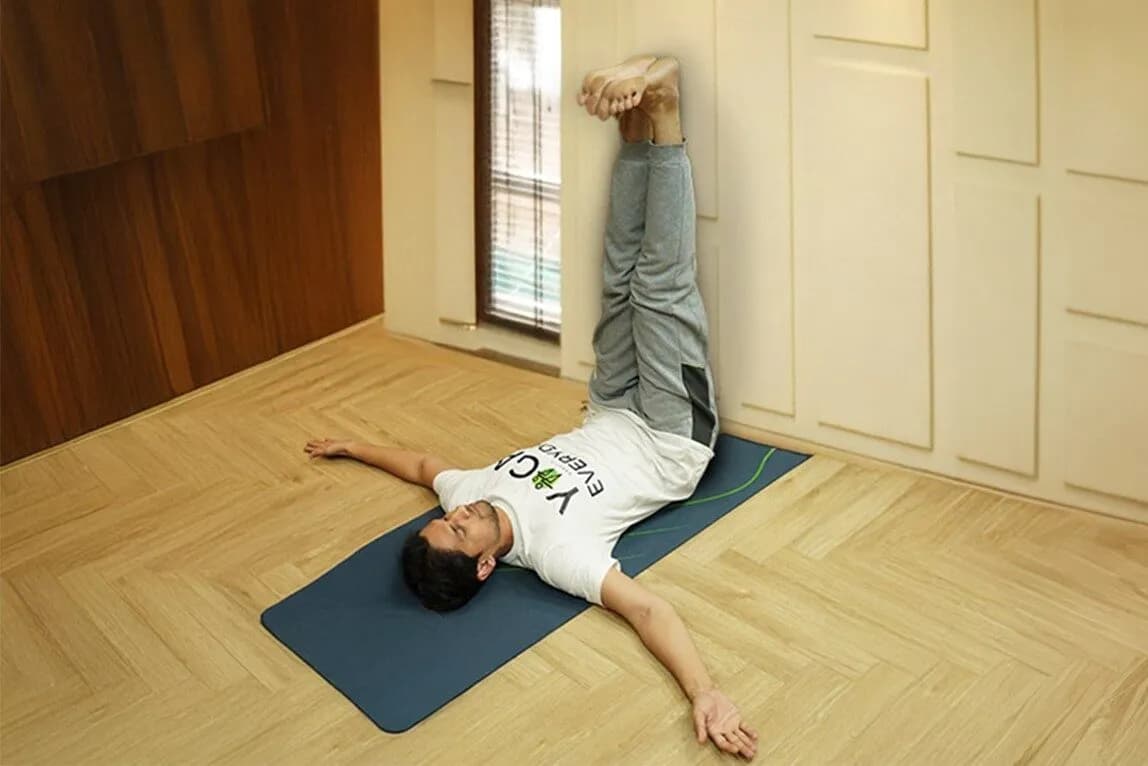
In contemporary practice, Viparita Karani Mudra is most commonly performed as Legs Up the Wall — the most accessible and restorative inversion, requiring minimal muscular effort while providing complete gravitational reversal. Its therapeutic benefits are among the most well-documented of any single yoga practice: fatigue reduction through circulatory reversal, nervous system calming through vagal activation, lymphatic drainage from the elevated legs, and thyroid stimulation through the mild neck compression of the shoulderstand variation.
At Habuild, Viparita Karani Mudra is taught within the restorative and inversion curriculum — with the safe Legs Up the Wall approach for all practitioners and the shoulderstand variation for those ready to progress.
Viparita Karani Mudra Benefits
Physical Benefits
- Reduces Fatigue and Restores Energy The reversal of gravitational blood flow in Viparita Karani Mudra — draining the accumulated blood from the lower limbs back toward the heart and brain — produces one of the most reliable and immediate fatigue-reducing effects of any yoga practice. Ten to fifteen minutes of Legs Up the Wall restores more energy than a significantly longer period of passive rest in a horizontal or seated position.
- Reduces Lower Body Oedema and Improves Lymphatic Drainage The gravitational assistance for lymphatic return from the elevated legs makes Viparita Karani Mudra the most directly effective yoga practice for reducing lower limb swelling, heaviness after long periods of standing or travel, and the lymphatic drainage that leg elevation promotes.
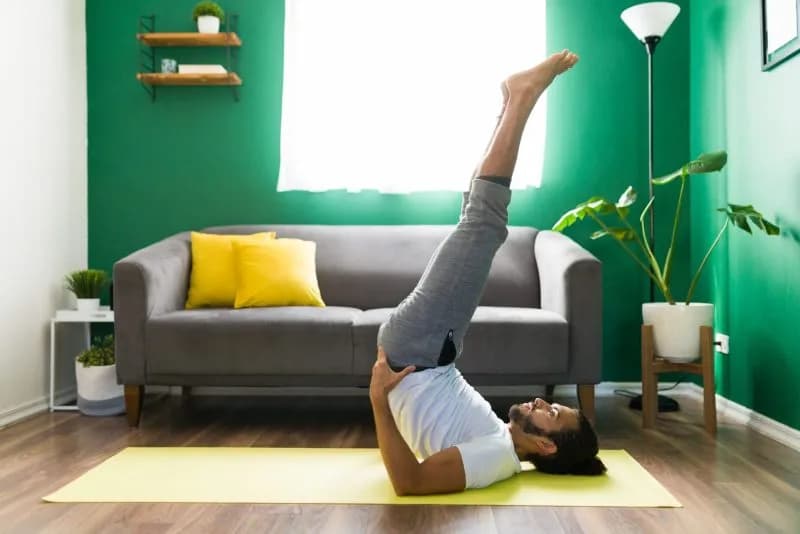
- Stimulates the Thyroid Through Mild Neck Compression The shoulderstand variation of Viparita Karani Mudra — with mild chin-to-chest compression — provides thyroid stimulation through the same mechanism as full Sarvangasana. For thyroid support, this is the most comfortable and sustainable long-hold approach, as it can be maintained for fifteen to twenty minutes compared to the shorter holds of full Shoulder Stand.
- Calms the Nervous System Through Baroreceptor Activation The combination of physical inversion, reduction in heart rate through baroreceptor activation, and the meditative stillness of the held posture produces profound parasympathetic calming — making Viparita Karani Mudra the most restorative single practice in the complete yoga system for those managing chronic stress, insomnia, and anxiety.
Mental and Emotional Benefits
- Calms Anxiety and Mental Restlessness The extended, effortless inversion of Viparita Karani Mudra provides a quality of mental stillness that active practices rarely achieve — the brain’s reduced gravitational demand and the body’s complete release from postural effort creating the conditions for the deepest available conscious rest short of Yoga Nidra.
- Supports Restoration After Physical and Mental Exertion Viparita Karani Mudra is the ideal post-practice restorative posture — ten to fifteen minutes after any demanding yoga session or physical activity accelerating the recovery of lower limb circulation, reducing exercise-associated inflammation, and preparing the nervous system for the rest and restoration that genuine recovery requires.
How to Do Viparita Karani Mudra — Step-by-Step Instructions
Key Principles
Key Principles Two principles govern Viparita Karani Mudra: complete physical surrender — there is no muscular effort required in the Legs Up the Wall variation, and any residual holding reduces the circulatory and nervous system benefits of complete release; and duration over depth — longer holds of ten to twenty minutes in the accessible variation are therapeutically superior to shorter holds in the more demanding shoulderstand variation.
Viparita Karani Mudra — Step by Step Step 1: Prepare the Bolster or Blanket Place a folded blanket or bolster 5 to 8 cm from the wall. This elevation under the lower back and sacrum creates a gentle lumbar support and increases the degree of inversion.
Step 2: Position Sideways at the Wall Sit sideways on the bolster or blanket with one hip touching the wall. The outer edge of the hip should be as close to the wall as possible.
Step 3: Swing the Legs Up the Wall On an exhalation, swing the legs up the wall as you lower the torso onto the floor. Adjust the position so the sitting bones are close to or touching the wall and the legs rest comfortably against it.
Step 4: Final Position Arms rest by the sides, palms facing upward — completely released. The sacrum rests on the bolster or blanket. The legs rest against the wall at whatever angle is comfortable — they need not be perfectly vertical.
Step 5: Close the Eyes and Breathe Close the eyes. Breathe completely naturally. Allow every muscle to release. Hold for ten to twenty minutes — the longer the hold, the more complete the venous and lymphatic return.
Step 6: How to Come Out Bend the knees, plant the soles on the wall, and roll gently to one side. Rest on the side for thirty seconds before slowly rising to sitting — the circulatory redistribution requires this transition time, particularly after long holds.
Breathing in Viparita Karani Mudra
Completely natural, effortless breathing throughout — the inverted position actually reduces the effort required for exhalation as gravity assists the diaphragm’s upward movement. No pranayama techniques are required in the Legs Up the Wall variation; the breath deepens and slows naturally as the nervous system calms.
Preparatory Poses Before Viparita Karani Mudra
Viparita Karani Mudra requires no physical preparation — it is both a restorative posture and the culminating rest pose of practice. When used in sequence:
- Any complete yoga session — Viparita Karani Mudra is the ideal closing restorative practice after any active session.
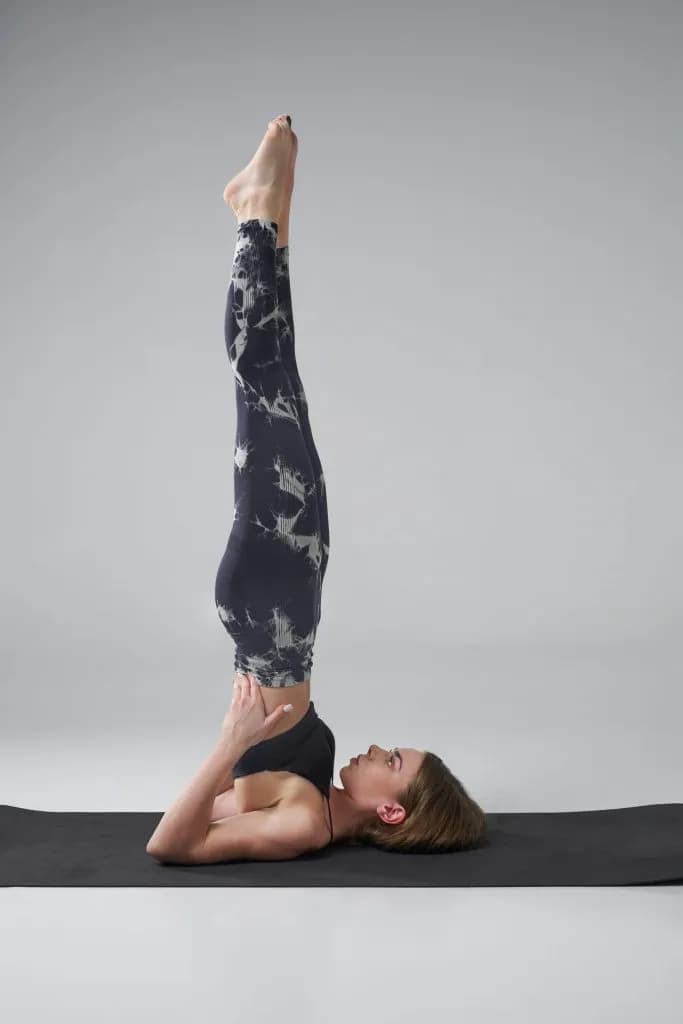
- Sarvangasana or Halasana — For practitioners building inversion practice, Viparita Karani Mudra provides the extended hold that active inversions cannot sustain.
- Setu Bandhasana (Bridge Pose) — Warms the posterior chain before the bolster-supported Viparita Karani variation.
Variations of Viparita Karani Mudra
- Variation 1: Legs Up the Wall — Most Accessible The standard practice described in the step-by-step instructions. The most accessible, most restorative, and most broadly beneficial variation — appropriate for all practitioners including those who should avoid more intensive inversions. With bolster support, it can be held for twenty or more minutes.
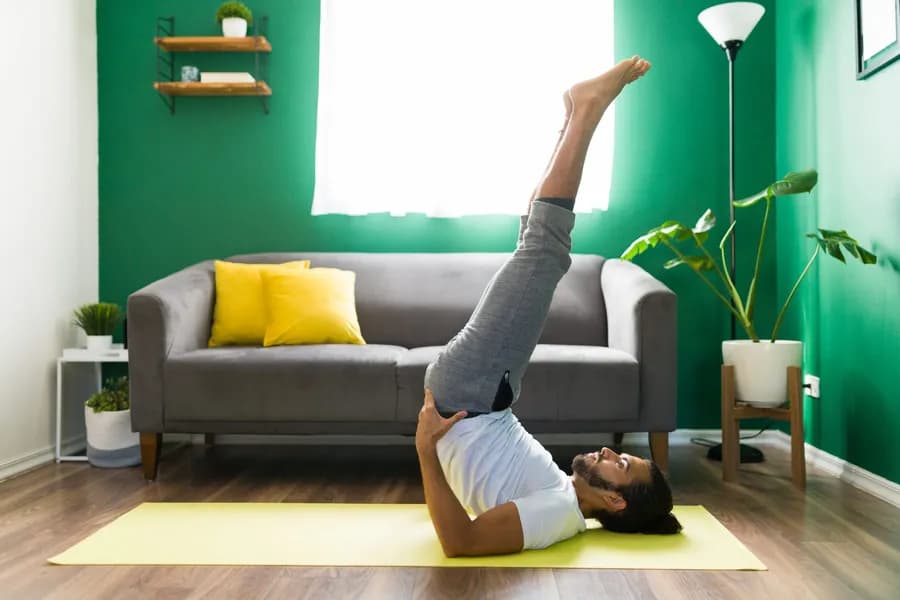
- Variation 2: Shoulderstand Variation — Mild Inversion The body is supported at a slight angle off vertical — somewhere between Legs Up the Wall and full Sarvangasana. Mild chin-to-chest compression provides thyroid stimulation while the non-vertical angle reduces the neck load of full Shoulder Stand. Appropriate for intermediate practitioners building toward or maintaining inversion practice.
- Variation 3: Viparita Karani Mudra with Pranayama — Advanced Application Practising Chandrabhedana (left nostril, cooling) or Nadi Shodhana pranayama during an extended Viparita Karani Mudra hold combines the circulatory reversal and nervous system calming of the inversion with the specific therapeutic effects of the breathing practice — producing enhanced restorative and calming effects.
Common Mistakes to Avoid in Viparita Karani Mudra
- Holding Residual Muscular Tension The most common error — maintaining muscular holding patterns, particularly in the legs, abdomen, and jaw — that prevent the complete venous and lymphatic return the posture is designed to facilitate. Consciously scan the body with each exhalation and release any residual tension progressively throughout the hold.
- Rising Too Quickly After Long Holds After holds of ten minutes or more, rising abruptly causes orthostatic dizziness as the cardiovascular system readjusts to the upright position. Always exit by rolling to the side, resting for thirty seconds, then rising slowly to sitting before standing.
- Forcing the Sitting Bones Too Close to the Wall The sitting bones touching the wall is an ideal, not a requirement. Forcing proximity to the wall when the hamstrings are tight creates discomfort that prevents the complete relaxation the posture requires. Position the bolster at whatever distance from the wall allows genuine comfort.
Who Should Practise Viparita Karani Mudra?
- Anyone Dealing with Fatigue and Poor Recovery Viparita Karani Mudra is the most reliable and immediately effective fatigue-reduction practice in yoga — its circulatory reversal delivering rest-quality recovery that coffee, screens, and passive sitting cannot replicate. Ten minutes before an evening meal produces a measurable improvement in energy and mental clarity.
- Those Managing Anxiety, Insomnia, and Nervous System Dysregulation The depth of parasympathetic activation in a long Viparita Karani Mudra hold is among the most profound available through yoga practice — making it specifically valuable as a daily evening practice for anxiety management and sleep preparation.
- Is Viparita Karani Mudra Good for Beginners? Yes — the Legs Up the Wall variation is among the most beginner-friendly yoga practices available. It requires no flexibility, no strength, no balance, and no prior yoga experience. The primary skill is learning to release completely — which deepens meaningfully over weeks of consistent practice.
Make Viparita Karani Mudra a Part of Your Daily Practice
Viparita Karani Mudra is the yoga tradition’s most accessible and therapeutically comprehensive restorative practice — its gravitational reversal delivering venous return, lymphatic drainage, thyroid stimulation, and nervous system calming in a single effortless posture that anyone can practise anywhere there is a wall.
Whether you are using it for ten minutes as a post-session recovery practice, twenty minutes as a pre-sleep nervous system reset, or as the daily restorative anchor of a complete yoga routine, Viparita Karani Mudra delivers consistent and cumulative therapeutic benefit that deepens with every session.
The most effective way to learn Viparita Karani Mudra correctly — with bolster placement guidance, duration protocols, and integration into a complete daily yoga sequence — is under live expert guidance with Habuild.
Start your 14 day free yoga journey with Habuild, today!
Related reads: Yoni Mudra: What It Is How to Practice and Its Benefits for Calm · Viparita Karani (Legs-Up-the-Wall Pose): Steps, Benefits & Precautions
This gentle inversion works on fatigue the way rest does — cumulatively — so a few minutes at the end of each day tends to restore energy more reliably than an occasional long session after a particularly draining week. Letting it become a fixed part of your evening wind-down is what actually keeps vitality steady rather than spiking and dipping. Habuild’s Yoga Everyday program includes restorative techniques like this to close out a daily practice.
Frequently Asked Questions
Related Articles
Sarvangasana: Steps Benefits and How to Practice Safely
Practice sarvangasana with Habuild. Explore the sarvangasana pose to boost thyroid health, improve circulation, and calm your mind. Start your session today!
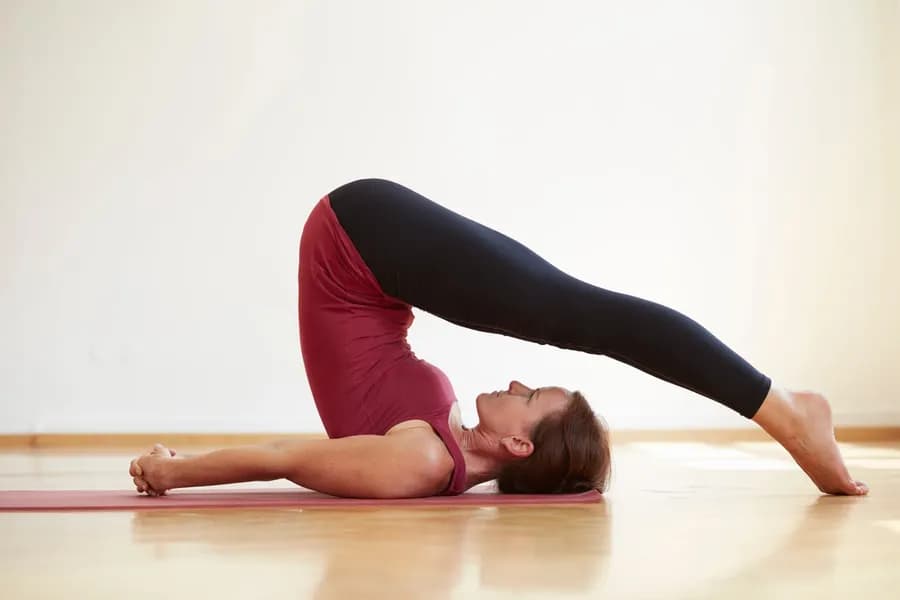
Halasana (Plow Pose): Steps Benefits and Precautions
Try halasana with Habuild. Learn halasana benefits like better flexibility, improved sleep, and relief from back pain. Master the yoga plow pose. Start today!
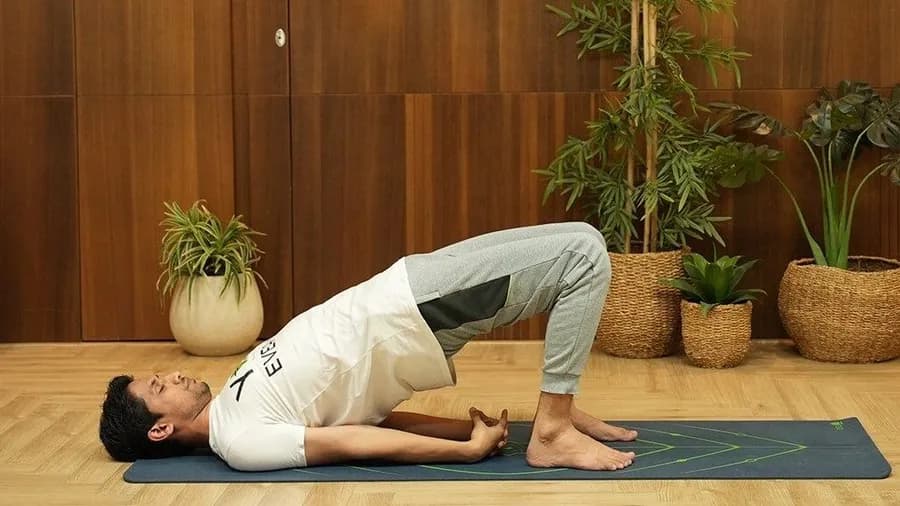
Setu Bandhasana (Bridge Pose): Steps Benefits and Modifications
Try setu bandhasana with Habuild. Master the setu bandhasana bridge pose to strengthen your spine, open the chest, and reduce stress. Start your session now!
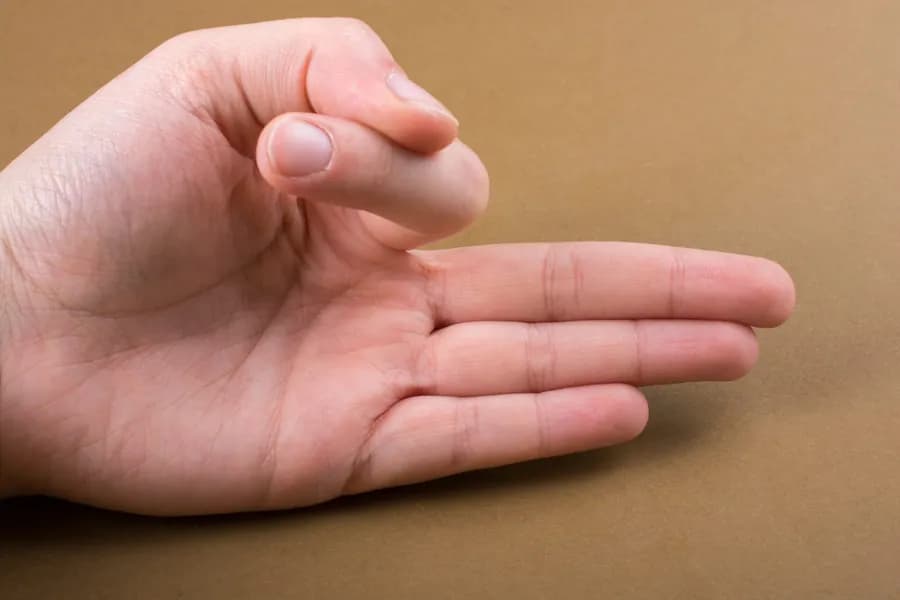
Vayu Mudra: How to Practice and Its Benefits for Gas and Joint Pain
Practice Vayu Mudra with Habuild. Follow the air element hand gesture steps to relieve gas, reduce joint pain, and balance your nervous system. Start today!

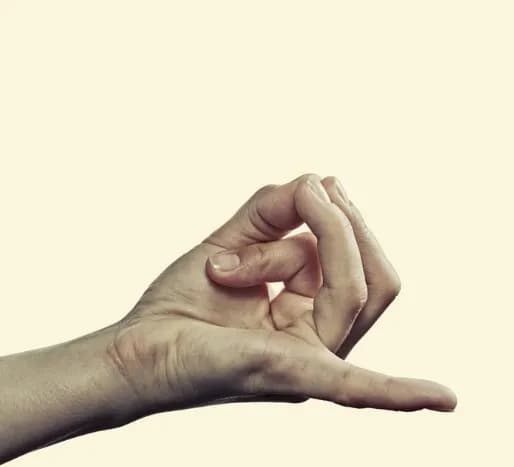
Apana Vayu Mudra: How to Practice and Its Benefits for Heart Health
Practice Apana Vayu Mudra with Habuild. Follow the heart gesture steps to support heart health, reduce palpitations, and calm the nervous system. Start today!