
Yoni Mudra: What It Is How to Practice and Its Benefits for Calm
Practice Yonimudra with Habuild. Follow the Shanmukhi Mudra steps to withdraw the senses inward, calm the nervous system, and deepen your meditation. Start!
Key Takeaways
- Closes all seven facial openings at once – both ears, eyes, nostrils, and lips together.
- Embodies Pratyahara, Patanjali's fifth limb, the withdrawal of the senses from the world.
- Middle fingers rest beside the nostrils specifically to monitor and modulate the breath.
- Named yoga's most direct physical bridge between external asana and internal meditation.
- Even five minutes is described as reliably producing a rapid parasympathetic shift.
- Provides a tangible, immediate experience of what inward sensory withdrawal actually feels like.
Yonimudra (Shanmukhi Mudra) is a yogic gesture of sensory withdrawal where the fingers gently close the seven openings of the face — ears, eyes, nostrils, and mouth. It produces deep inward focus, activates the parasympathetic nervous system, reduces anxiety, develops Pratyahara (sense withdrawal), and prepares the practitioner for the deepest states of meditation.
What is Yonimudra?
Yonimudra — also known as Shanmukhi Mudra — derives from Sanskrit: Yoni (source, womb, or origin) and Mudra (seal or gesture). The name refers to the return to the inner source — the withdrawal of sensory awareness from the external world back to the inner wellspring of consciousness.
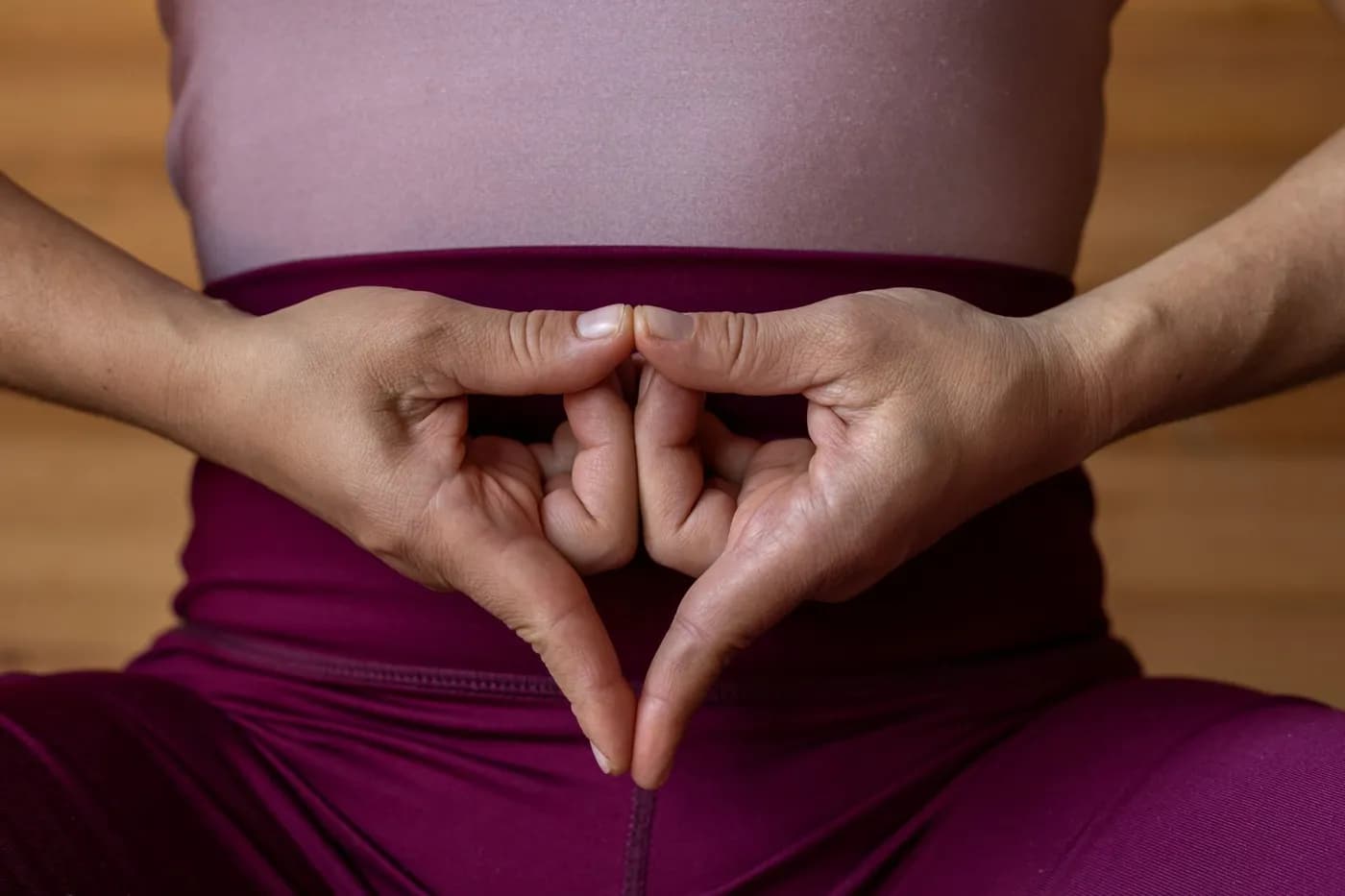
In practice, both thumbs close the ears, both index fingers rest lightly on the closed eyelids, both middle fingers rest beside the nostrils modulating the breath, and the ring and little fingers rest gently on the upper and lower lips. This gesture embodies the fifth limb of Patanjali's Ashtanga yoga — Pratyahara (withdrawal of the senses) — making it yoga's most direct physical bridge between the external practices of asana and pranayama and the internal practices of dharana, dhyana, and samadhi.
At Habuild, Yonimudra is taught as an integral part of the pranayama and meditation curriculum — with the specific finger placement technique, breath coordination, and progressive duration building that make this practice safely and genuinely effective for sensory withdrawal.
Yonimudra Benefits
Physical Benefits
- Activates the Parasympathetic Nervous System The simultaneous closure of all major sensory organs dramatically reduces the inflow of sensory stimulation that keeps the nervous system in sympathetic activation. This sensory withdrawal produces a reliable, rapid parasympathetic shift — reducing cortisol, lowering heart rate, and producing the physiological calm that deep rest and meditation require.
- Develops Breath Precision Through Nostril Awareness The middle finger placement beside the nostrils allows precise monitoring and modulation of the breath — each inhalation and exhalation becoming a precise, conscious event that the gentle finger contact makes tangible. This breath sensitivity that Yonimudra develops is among the most effective preparations for advanced pranayama practice.
Mental and Emotional Benefits
- Develops Pratyahara — The Gateway to Meditation Pratyahara is the fifth limb of Patanjali's Ashtanga yoga and the bridge between the external practices and the internal limbs of concentration, meditation, and absorption. Yonimudra is the most direct physical gesture for practising Pratyahara — providing a tangible, immediate experience of what inward sensory withdrawal feels like.
- Calms Scattered Mental Activity and Reduces Anxiety The combination of sensory closure, breath modulation, and inward focus produced by Yonimudra reliably reduces the anxious, scattered mental activity that characterises the modern overstimulated mind. Even five minutes of Shanmukhi Mudra practice produces a quality of mental calm that supports deeper meditation and anxiety management.
- Cultivates Inner Sound (Nada) Awareness The closure of the ears with the thumbs produces the distinctive inner sound awareness — often perceived as a subtle humming or ringing — that the yogic tradition of Nada yoga specifically cultivates as a meditation object. Consistent practice develops the ability to focus on this inner sound, deepening concentration progressively.
How to Do Yonimudra — Step-by-Step Instructions
Key Principles
Key Principles Three principles: the touch is gentle throughout — no pressure, especially on the eyes and ear canals; the spine is upright — sensory withdrawal is supported by an alert, erect posture; and the breath continues naturally throughout — Yonimudra is practised with the breath, not in opposition to it.

Yonimudra — Step by Step Step 1: Seated Starting Position Sit in Sukhasana, Padmasana, or Vajrasana — spine tall and erect, eyes softly closed. Settle into the breath for five natural cycles before raising the hands.
Step 2: Raise Both Arms and Place Thumbs on Ears Raise both arms to face level, elbows pointing outward. Place both thumbs gently in the ear canals or against the tragus — closing external sound without pressure.
Step 3: Index Fingers on Closed Eyelids Rest both index fingers very lightly on the closed eyelids — fingertips resting on the eyelid without any pressure on the eyeball itself.
Step 4: Middle Fingers Beside the Nostrils Place the middle fingers beside the nostrils — lightly touching, ready to modulate the breath. The middle fingers feel the breath with extraordinary sensitivity.
Step 5: Ring and Little Fingers on the Lips Rest the ring fingers on the upper lip and the little fingers on the lower lip — completing the closure of all seven facial gates.
Step 6: Breathe, Hold, and Release Breathe naturally or with Nadi Shodhana nostril alternation. Hold for five to fifteen breath cycles. Release the fingers slowly and sit in stillness for thirty seconds before opening the eyes.
Breathing in Yonimudra
Slow, steady, completely natural breathing throughout — never forced or held. The middle finger placement beside the nostrils allows the practitioner to feel the breath with extraordinary sensitivity — each inhalation and exhalation becoming a precise, conscious event. The breath awareness that Yonimudra develops is one of the most direct preparations for deep meditation.
Preparatory Practices Before Yonimudra
These practices settle the nervous system before the deep sensory withdrawal of Yonimudra.

- Nadi Shodhana Pranayama (10 minutes) — Balances the channels and settles the breath before the sensory withdrawal practice.
- Kapalbhati (3-5 minutes) — Clears the energy channels before the inward focus.
- Chin Mudra meditation (5 minutes) — The transition from the open, receptive quality of pranayama to the closed, withdrawn quality of Yonimudra.
Variations of Yonimudra
- Variation 1: Yonimudra with Natural Breath — Beginner Both nostrils remain open throughout — the mudra held while breathing naturally without any nostril modulation. The focus is entirely on the sensory withdrawal experience rather than breath manipulation. Three to five breath cycles is the recommended starting duration.
- Variation 2: Yonimudra with Nadi Shodhana — Intermediate The middle fingers alternate the nostril closure in coordination with Nadi Shodhana (alternate nostril breathing) — combining the sensory withdrawal of Yonimudra with the channel-balancing pranayama for the most complete pranayama-meditation bridge practice.
- Variation 3: Yonimudra with Nada Meditation — Advanced Sustained Yonimudra for ten to twenty minutes with the specific instruction to listen to the inner nada (sound) — the subtle vibratory awareness that becomes perceptible when external sound is withdrawn. The classical Hatha yoga use of the gesture as described in traditional texts.
Common Mistakes to Avoid in Yonimudra
- Pressing on the Eyeballs Rather Than Resting on the Eyelids The most dangerous physical error — direct pressure on the eyeballs can raise intraocular pressure and cause discomfort or injury. The index fingers must rest on the closed eyelid surface only — the weight of the fingers the maximum contact, no pressing toward the eye.
- Blocking the Ear Canals With Excess Force The thumbs close the external ear opening gently — the goal is sound reduction, not complete airtight sealing. Excessive pressure in the ear canals is uncomfortable and counterproductive. Light, resting contact is the correct approach.
- Holding the Arms Without Support Holding the arms raised for extended periods without elbow support creates shoulder fatigue that distracts from the inner focus. For holds beyond three to five minutes, rest the elbows on a bolster placed in the lap, on bent knees, or on a table — allowing the arms to be supported without collapsing.
Who Should Practise Yonimudra?
- Meditation Practitioners Seeking Deeper Inward Focus Yonimudra is the most direct physical gesture for developing Pratyahara — making it specifically valuable for practitioners who find seated meditation difficult due to sensory distraction and the outward-pulling quality of restless attention.
- Those Managing Anxiety and Sensory Overstimulation The reliable parasympathetic activation and sensory quiet of Yonimudra make it one of the most immediately effective yoga practices for acute anxiety and the sensory overstimulation that modern life consistently produces.
- Is Yonimudra Good for Beginners? Yes — with the natural-breath variation and three-to-five breath cycle starting duration. The gentle finger placement is accessible immediately; the quality of genuine sensory withdrawal deepens progressively over weeks of consistent practice.
Make Yonimudra a Part of Your Practice
Yonimudra is yoga's most direct embodied practice of Pratyahara — its closure of all seven facial gates providing the immediate, tangible experience of sensory withdrawal that bridges the physical practice of asana and pranayama with the internal practices of meditation and deep concentration.
Whether you are using it for five minutes before meditation as a sensory withdrawal preparation, for extended Nada meditation, or as an acute anxiety intervention, Yonimudra's inward withdrawal delivers reliable, progressive deepening with consistent daily practice.
The most effective way to learn Yonimudra correctly — with gentle touch guidance, breath coordination, and elbow support instruction — is under live expert guidance with Habuild.
Start your 14 day free yoga journey with Habuild, today!
Related reads: Chin Mudra: How to Practice and Its Benefits for Calm and Clarity · Adi Mudra: How to Practice and Its Benefits for Breathing and Calm
Yoni Mudra is a pratyahara technique, and withdrawing the senses inward is a skill that deepens with practice rather than something that happens fully on the first try. The calming effect on the nervous system and the depth it adds to meditation both tend to grow the more familiar your mind becomes with the practice. Habuild's Yoga Everyday program includes meditative techniques like this as part of a structured daily routine.
Frequently Asked Questions
Related Articles
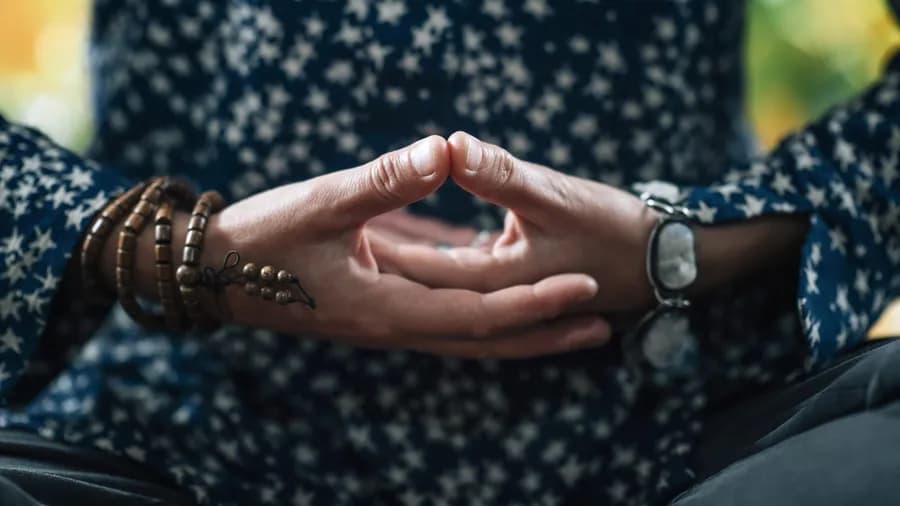
Dhyana Mudra: How to Practice and Its Benefits for Meditation
Practice Dhyana Mudra with Habuild. Follow the meditation hand gesture steps to calm the mind, deepen concentration, and support your daily practice. Start!

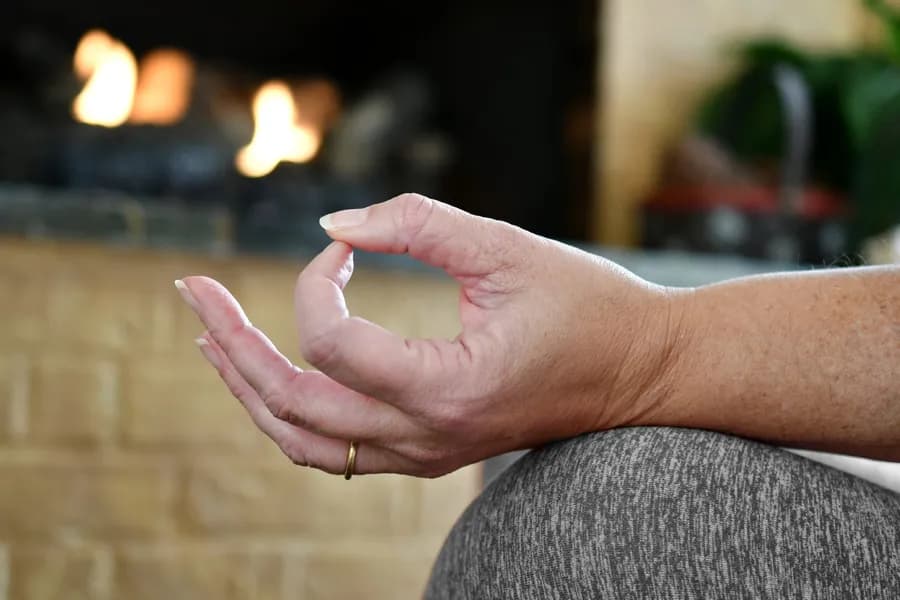
Chin Mudra: How to Practice and Its Benefits for Calm and Clarity
Practice Chin Mudra with Habuild. Follow the consciousness hand gesture steps to calm the mind, improve focus, and deepen your pranayama practice. Start today!
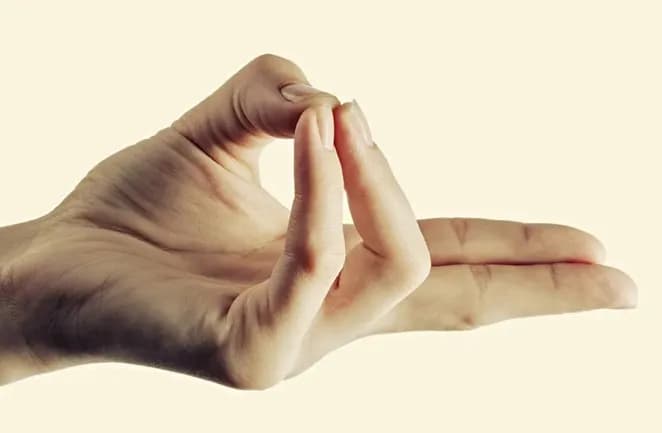
Prana Mudra: How to Practice and Its Life Energy Benefits
Practice Prana Mudra with Habuild. Follow the life force hand gesture steps to boost energy, strengthen immunity, and improve your eye health. Start today!
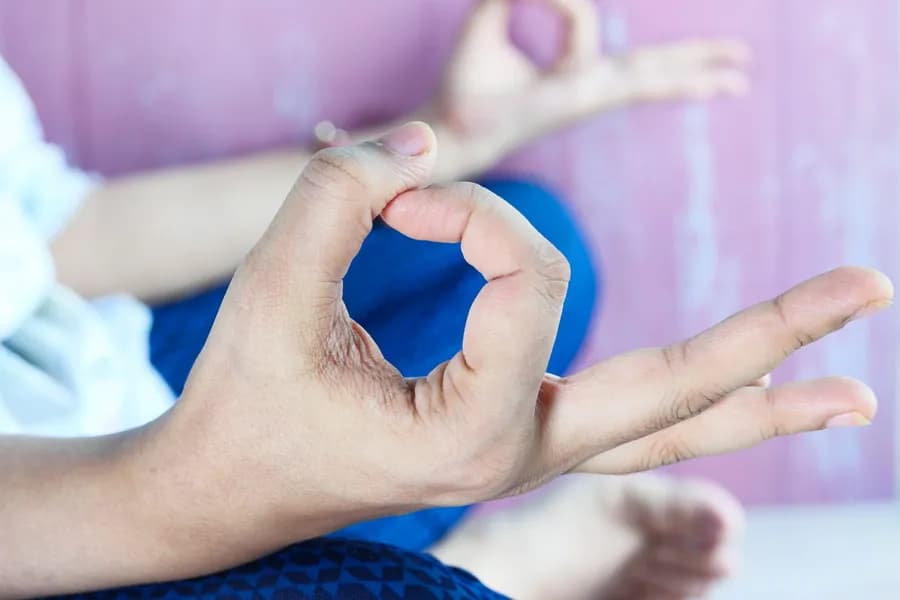
Gyan Mudra: How to Do It and Its Benefits for Focus and Memory
Practice Gyan Mudra with Habuild. Follow the wisdom hand gesture steps to improve focus, reduce anxiety, and enhance your meditation practice. Start today!
Khechari Mudra: What It Is How to Practice and Its Longevity Benefits
Practice Khechari Mudra with Habuild. Follow the tongue lock steps to stimulate energy flow, reduce hunger, and deepen your meditation practice. Start today!