
Virabhadrasana 3 (Warrior 3): Steps Balance and Core Benefits
Practice Virabhadrasana 3 with Habuild. Follow Warrior III steps to improve balance, build leg strength, and develop core stability and focus. Start today!
Key Takeaways
- The single-leg T-shape demands ankle, knee, and hip stabilisers work together completely.
- Progresses from Warrior I with hands on hips through wall support to the free-standing T-shape.
- Any mental distraction produces an immediate loss of balance, enforcing complete presence.
- The forward hinge stretches the grounded leg’s hamstring while opening the rear leg’s hip flexor.
- Names three non-negotiable principles – level hips, one straight line, active standing-leg press.
- Sustained core engagement for the horizontal torso builds functional abdominal strength directly.
Virabhadrasana 3, or Warrior III, is a single-leg balance posture forming a T-shape that builds posterior chain strength, develops ankle-to-hip stability, actively stretches the hamstrings, and demands total present-moment focus. It supports back health and functional fitness. Suitable for all levels through progressive modifications.
What is Virabhadrasana 3?
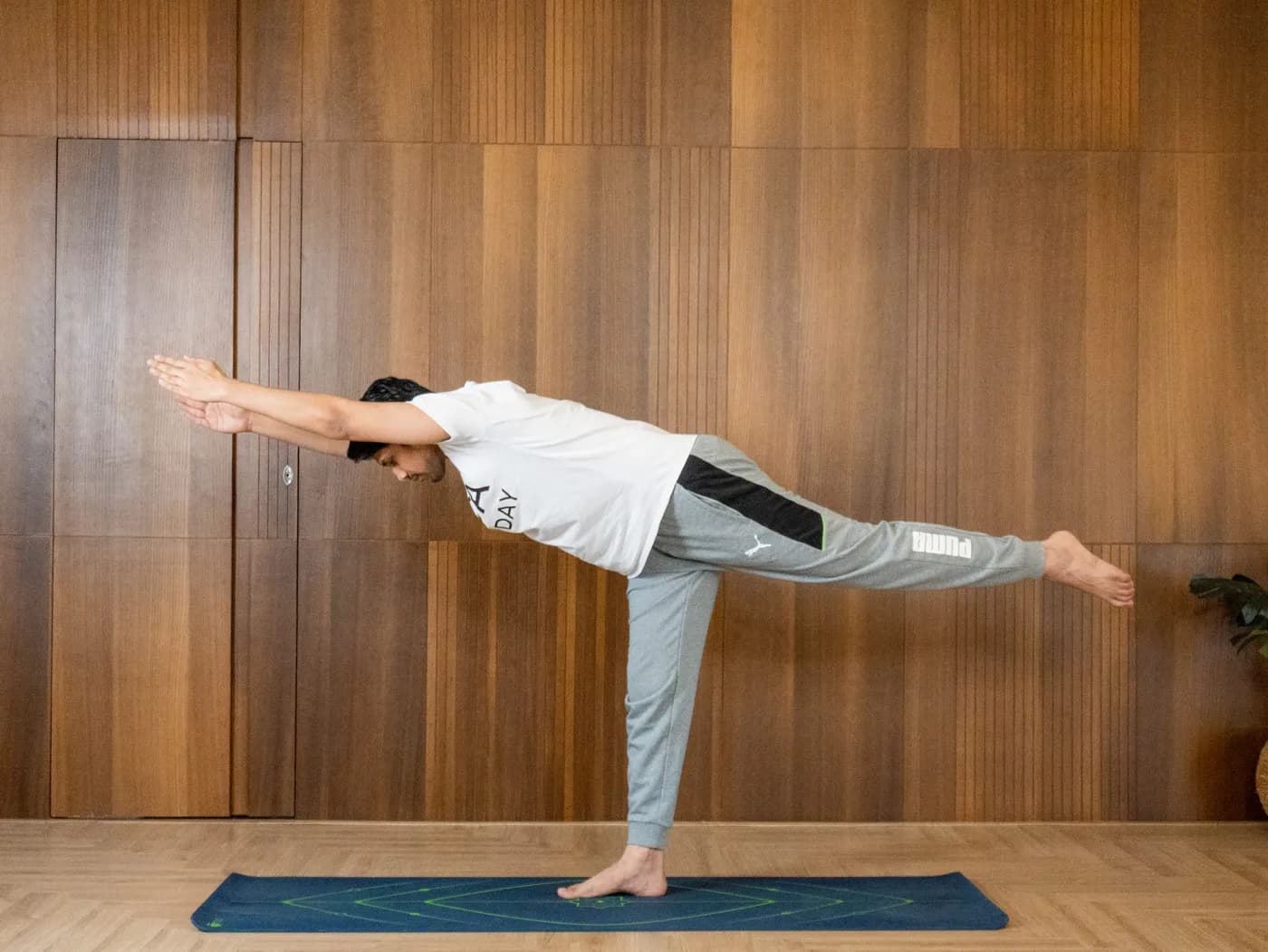
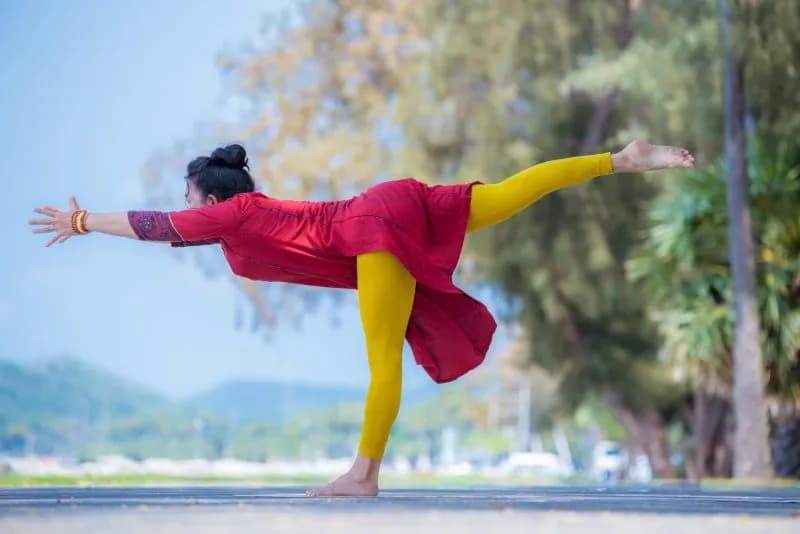
Virabhadrasana 3 — known in English as Warrior III Pose — is the third and most demanding posture in the Virabhadrasana series. In its full expression, the practitioner balances on a single straight leg with the torso extending horizontally forward and the lifted rear leg extending horizontally behind — the entire body forming a precise T-shape.
Virabhadrasana 3 is simultaneously a balance posture, a standing strength exercise, a posterior chain developer, and a concentration practice — demanding the integration of strength, flexibility, and focused awareness that the warrior archetype represents at its highest level.
At Habuild, Virabhadrasana 3 is taught progressively — from Warrior I entry with hands on hips through wall-supported stages to the full free-standing T-shape.
Benefits
Physical Benefits
- Develops Single-Leg Balance and Ankle-to-Hip Stability One of the most demanding single-leg balance postures in yoga — requiring the ankle stabilisers, knee stabilisers, hip abductors, and core to work simultaneously while the asymmetric load of the extending torso and rear leg challenges the proprioceptive system completely.
- Builds Posterior Chain Strength and Relieves Back Pain The horizontal torso and actively extending rear leg require intense engagement of the glutes, hamstrings, erector spinae, and core — building the posterior chain strength that is the primary factor in back pain prevention.
- Stretches the Hamstrings and Opens the Hip Flexors The forward hinge provides a strong active hamstring stretch in the grounded leg while the extended rear leg simultaneously opens the hip flexor of the opposite side.
- Tones the Core and Supports Weight Management The sustained core engagement required to maintain the horizontal torso builds functional abdominal and spinal strength directly relevant to body composition and functional fitness.
Mental Benefits
- Demands and Develops Complete Present-Moment Focus Any mental distraction produces an immediate loss of balance in Warrior III. This enforced presence develops the undivided attentional quality that meditation practitioners cultivate through seated practice.
- Cultivates Warrior Determination and Composed Effort The sustained challenge embodies the warrior quality of steady determination under adversity — each breath held in balance deepening the quality of calm, grounded persistence.
How to Do Virabhadrasana 3 — Step-by-Step Instructions
Key Principles
Key Principles Three non-negotiable principles: keep the hips level — both hip points face the floor; maintain one straight line from extended heel to crown; and press actively through the standing heel — this prevents forward pitching.
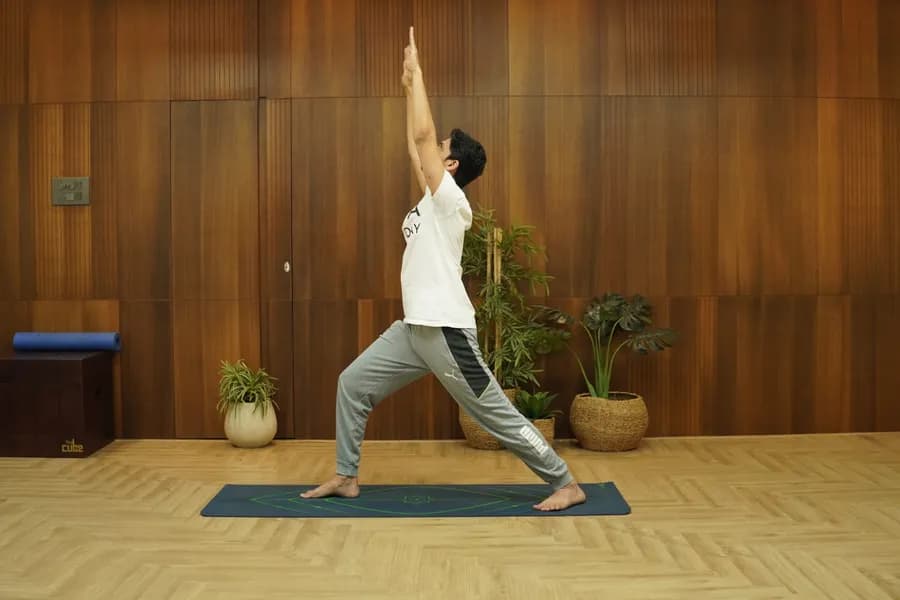
Virabhadrasana 3 — Step by Step Step 1: Starting in Virabhadrasana 1 Begin in Virabhadrasana 1 — right foot forward, left foot back, arms raised overhead. This is the standard Warrior III entry point.
Step 2: Shift Weight Forward and Fix the Gaze Shift all body weight forward onto the right foot. Fix the gaze on a single unmoving point 30–40 cm in front of the standing foot — this drishti is the primary balance anchor.
Step 3: Tip Forward and Lift the Rear Leg On the exhale, tip the torso forward while simultaneously lifting the left leg behind. Tip slowly and deliberately — not rushing.
Step 4: Extend to Full T-Shape Extend the left leg actively — pressing through the left heel. Gradually straighten the standing right leg. Keep both hips level — resist the left hip rotating upward.
Step 5: Arms Forward and Hold Extend arms forward alongside the ears — or hands on hips for the modification. Hold for 5–8 breath cycles with steady breath.
Step 6: Return and Switch Sides On an exhale, return to Warrior I. Reverse the foot position and repeat on the left side. Always practise both sides equally.
Breathing
Slow, steady exhales progressively release muscular gripping and deepen the balance. The drishti and steady breath work together — each stabilising the other. Any breath disruption immediately affects the balance quality.
Preparatory Poses
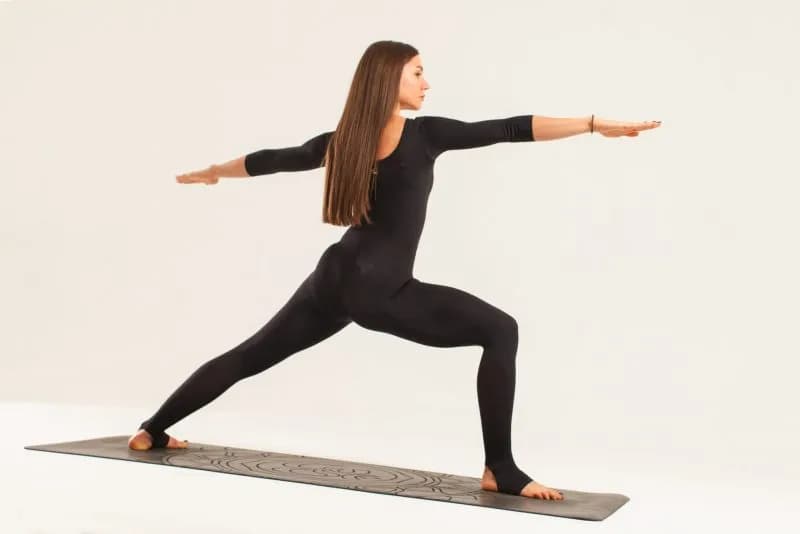
- Virabhadrasana 1 (5-8 breaths) — The direct entry posture — establishes the hip alignment before the single-leg balance.
- Vrikshasana (Tree Pose) — Establishes single-leg balance and gaze-point focus before the added complexity of the horizontal body.
- Setu Bandhasana (Bridge Pose) — Activates the glutes and hamstrings before the posterior chain demand of Warrior III.
Variations
- Variation 1: Hands on Hips — Beginner Reduces the lever arm length and core demand — the universal starting point allowing focus on hip-levelling and spinal neutrality before arm complexity is added.
- Variation 2: Wall-Supported — Balance Development Fingertips on the wall for balance confidence without removing the hip-levelling and posterior chain training.
- Variation 3: Dynamic Warrior I to III Flow — Advanced Flowing between Warrior I and III with each breath — building neuromuscular coordination and posterior chain endurance.
Common Mistakes to Avoid
- Hip of the Lifted Leg Opening Toward the Ceiling The most common alignment error — both hip points must face the floor. The hip opening to the ceiling concentrates sacroiliac joint strain and eliminates the gluteus medius strengthening.
- Rounding the Lower Back The natural lumbar curve must be maintained. Maintain a neutral spine from the standing foot through the crown and through the extended rear heel.
- Rushing the Entry from Warrior I Tipping slowly and deliberately allows the proprioceptive system to find the balance. Rushing creates instability that no amount of muscular effort compensates.
Who Should Practise?
- Athletes Seeking Functional Balance and Posterior Chain Training Runners, footballers, skiers — any sport requiring single-leg force production and dynamic balance benefits specifically from Warrior III.
- Those Seeking Posterior Chain Strength for Back Health One of the most functionally effective yoga postures for developing the glute, hamstring, and spinal extensor strength that underpins long-term spinal health.
- Is Virabhadrasana 3 Good for Beginners? Yes — the wall-supported and hands-on-hips modifications make Warrior III accessible from early in yoga practice.
Make Virabhadrasana 3 a Part of Your Practice
Virabhadrasana 3 is yoga’s most demanding and most functionally complete single-leg balance posture — its T-shape integrating posterior chain strength, active hamstring flexibility, core stability, and the total present-moment focus that the warrior at full attention embodies.
Whether holding the first wall-supported five-breath Warrior III or developing the free-standing arms-forward expression, every consistent session builds the balance intelligence and posterior chain strength that transfers directly to athletic performance and back health.
The most effective way to learn Virabhadrasana 3 correctly — with hip-levelling, gaze guidance, and standing leg engagement — is under live expert guidance with Habuild.
Start your 14 day free yoga journey with Habuild, today!
Related reads: Virabhadrasana (Warrior Poses): Complete Guide to Steps and Benefits · Virabhadrasana 1 (Warrior 1): Steps Benefits and Alignment Cues
Warrior III is as much a balance challenge as a strength pose, and balance is famously slow to improve except through repeated attempts — wobbling through it daily does more for stability than a single perfect hold ever could. The core engagement and focus it demands also sharpen the more often you return to the pose. Habuild’s Yoga Everyday program builds balance poses like this into its standing sequences.
Frequently Asked Questions
Related Articles
Virabhadrasana (Warrior Poses): Complete Guide to Steps and Benefits
Practice Virabhadrasana with Habuild. Follow the warrior pose steps to build leg strength, boost flexibility, and develop stamina and mental focus. Start today!
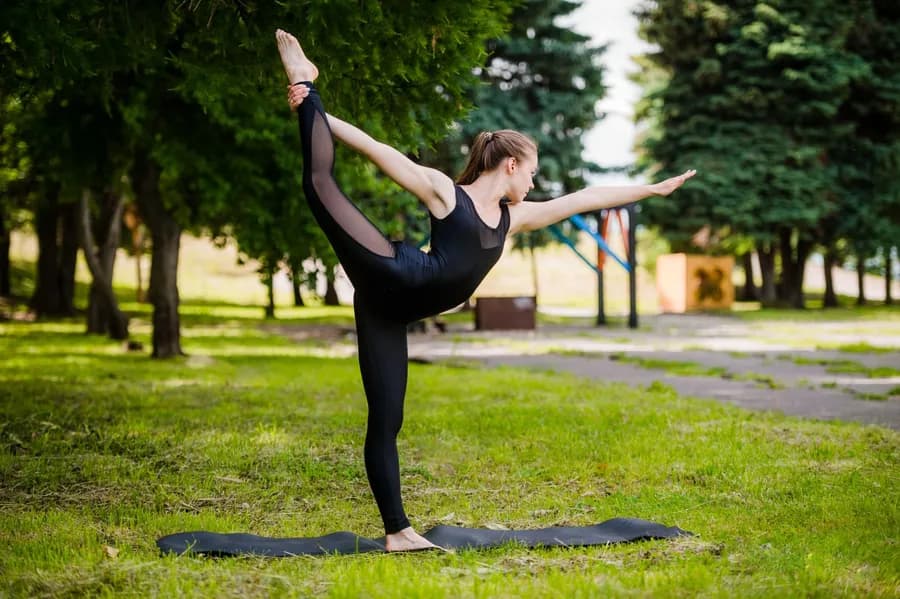
Natarajasana (Dancer Pose): Steps and Balance Benefits
Practice Natraj Asana with Habuild. Follow Lord of the Dance pose steps to improve balance, boost flexibility, and strengthen your spine daily. Start today!
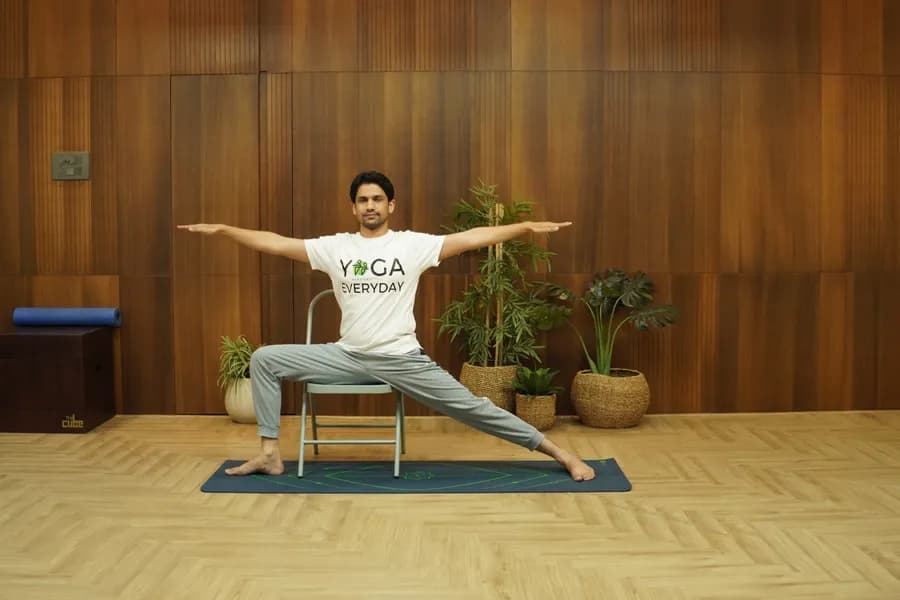
Virabhadrasana 2 (Warrior 2): Steps Benefits and Alignment Cues
Practice Virabhadrasana 2 with Habuild. Follow the Warrior II pose steps to strengthen your legs, open your hips, and build stamina and focus. Start today!
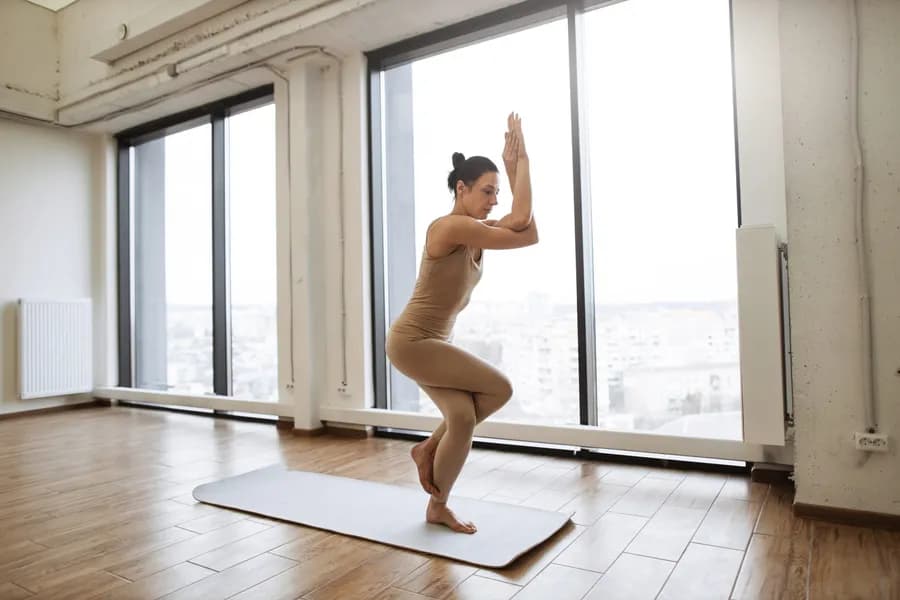
Garudasana (Eagle Pose): Steps Balance Benefits and Beginner Tips
Practice garudasana with Habuild. Try garudasana yoga to improve balance, strengthen your legs, open your shoulders, and develop sharp focus. Start today now!
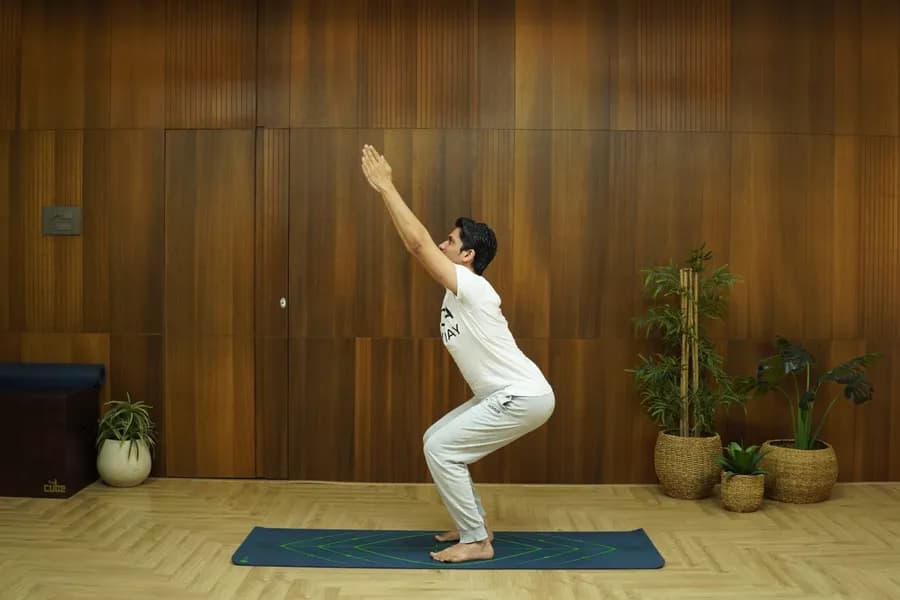
Utkatasana (Chair Pose): Steps Strength and Stamina Benefits
Practice utkatasana with Habuild. Try the utkatasana pose to strengthen your legs, build core power, and boost overall body endurance. Start your yoga session!