
What is Mudra in Yoga? a Complete Guide to Yoga Mudras
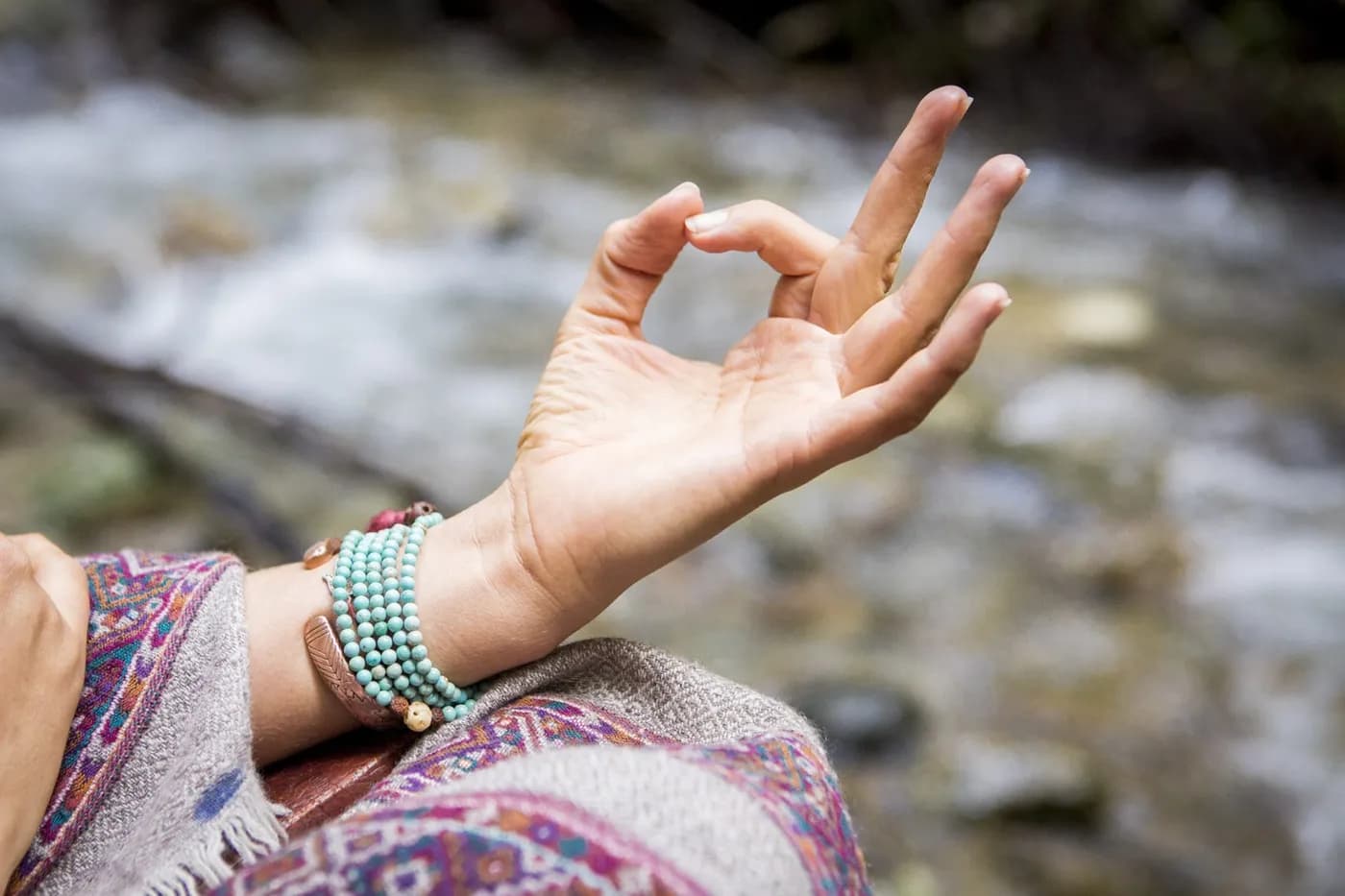
Mudras are psycho-physical seals that influence the physiological state through nerve endings in the fingers, the psychological state through symbolism,
Key Takeaways
- Mudra comes from Sanskrit for ‘seal’ – simultaneously influencing physiology, psychology, and prana.
- EEG research confirms specific brainwave changes occur during different mudra practices.
- Ayurveda associates each finger with one of five elements – space, air, fire, water, earth.
- Chin Mudra and Jnana Mudra specifically direct energy inward and upward during pranayama.
- Fingertips carry a high concentration of nerve endings connected to specific brain regions.
- Requires holding each mudra for a minimum of 5-15 minutes to produce measurable effects.
Benefits of Mudras in Yoga — How They Work
- Mudras Influence the Nervous System through Finger Pressure Points The fingertips contain a high concentration of nerve endings connected to specific brain regions — pressure and configuration of the fingers in mudra creates specific neurological signals that influence the brain’s activity patterns. This is the physiological basis for what is a mudra in yoga’s demonstrable effects on mood, focus and energy — confirmed by EEG research showing specific brainwave changes during different mudra practices.
- Mudras Balance the Five Elemental Energies Ayurveda and traditional yoga science associate each finger with one of the five elements (space, air, fire, water, earth) — and mudra practice configures these elemental finger representatives to balance the elemental energies of the body. This framework is the classical understanding of what is mudra in yoga at the energetic level.
- Mudras Enhance the Effects of Pranayama and Meditation Mudras used during pranayama and meditation amplify the pranic effects of the breathing practices by directing the energy generated through specific channels. Chin Mudra and Jnana Mudra are specifically used during pranayama and meditation to enhance the inward and upward energy direction that these practices cultivate.
EEG research shows specific brainwave pattern changes during mudra practice — confirming the neurological basis for mudra’s documented effects on focus, calm and energy states beyond the traditional energetic explanations.
How to Get Started with Mudras
What You Need to Begin
Only your hands and a comfortable seated position. Mudras are the most accessible available yoga practice — completely equipment-free, performable in any seated position including desk chairs, and immediately usable from the first instruction.
Setting Realistic Goals
Begin with Chin Mudra during daily pranayama and meditation — the simplest and most universally applicable mudra. Hold each mudra for a minimum of 5-15 minutes for measurable effects.
Start with the Basics
Chin Mudra during morning Nadi Shodhana, Abhaya Mudra (fearlessness) during standing yoga, Shuni Mudra (patience) during study — integrating mudras into existing practices before adding dedicated mudra meditation sessions.
Best Mudras in Yoga
Chin Mudra (Consciousness Gesture)
What is chin mudra in yoga: the index finger tip touching the thumb tip while the other three fingers extend — the most universally used available yoga mudra for meditation and pranayama. It represents the union of individual consciousness (index finger/Jivatma) with universal consciousness (thumb/Paramatma). Used during meditation and pranayama with the hand resting palm-up on the knee. Produces the calm, receptive, inward-focused state most conducive to meditation. See also: pranayama-benefits
Ashwini Mudra (Horse Gesture)
What is ashwini mudra in yoga: rhythmic contraction and relaxation of the anal sphincter and pelvic floor muscles — named after the horse’s natural tail-flicking contraction. Ashwini mudra is both a physical pelvic floor exercise and an energetic practice that awakens Apana Vayu (the downward life force), stimulates the pelvic organs and is a prerequisite practice for advanced pranayama and kundalini work. 10-20 rapid contractions repeated 3 times daily. See also: yoga-for-wellness
Jnana Mudra (Wisdom Gesture)
Index finger touching thumb with the hand resting palm-down on the knee — the wisdom gesture that grounds and stabilises the meditative energy, used during pranayama and meditation to cultivate the discriminative intelligence (Jnana) that distinguishes the temporary from the permanent.
Anjali Mudra (Prayer Gesture)
Palms pressed together at the heart — the universal yoga gesture of greeting, gratitude and devotion that activates the bilateral nervous system integration and the heart-centred awareness that yoga’s ethical practice embodies. Used at the beginning and close of every practice. See also: surya-namaskara
Gyan Mudra (Knowledge Gesture)
Similar to Chin Mudra but with the joint of the index finger (not tip) touching the thumb — activating the air element and stimulating the nervous system toward clarity and knowledge. Particularly beneficial for mental fatigue, depression and the foggy unclear mental states that this mudra specifically addresses. See also: yoga-for-stress-management
Prana Mudra (Life Force Gesture)
Ring and little fingertips touching the thumb tip — activates the earth and water elements, improves eye health, builds vital energy and reduces fatigue. Among the most broadly vitalising available mudras for daily practice during seated work and meditation. See also: yoga-for-beginners
Common Mistakes to Avoid
- Expecting Immediate Dramatic Effects from Brief Practice Mudras require sustained daily practice of 15-45 minutes for their physiological and energetic effects to accumulate to measurable levels. Single brief hand-holding produces minimal effect — consistency and duration are the variables that determine mudra benefit.
- Performing Mudras Without the Pranayama or Meditation Context Mudras reach their maximum effectiveness when integrated with pranayama and meditation — using chin mudra during Nadi Shodhana produces significantly greater effects than the mudra alone.
- Confusing Different Mudra Names Chin mudra and Jnana mudra are similar but distinct — the finger joint position and the energetic intention differ. What is chin mudra in yoga specifically: index finger tip to thumb tip, palm up. Jnana mudra: index finger joint to thumb, palm down. These distinctions matter for the specific energetic effects.
- Practising Ashwini Mudra Incorrectly What is ashwini mudra in yoga requires the specifically rhythmic contraction-and-release pattern (not sustained holding) that distinguishes it from Mula Bandha. The horse-like rhythmic quality is the specific mechanism that produces ashwini mudra’s pelvic and pranic effects.
Who Should Practice Mudras?
- Meditation and Pranayama Practitioners Mudras are most immediately valuable for those who already have a seated pranayama or meditation practice — the amplification of the existing practice’s effects is the most accessible initial mudra benefit.
- Those Seeking Accessible Daily Practice Mudras are the most accessible available yoga practice — performable at desks, during commutes and in any seated position without any physical demand. The most practical available daily wellness practice for those with mobility limitations or time constraints.
- Is Mudra Good for Beginners? Yes — Chin Mudra and Anjali Mudra are completely beginner-accessible and immediately integrable into any yoga practice. Habuild’s sessions teach the foundational mudras as part of the daily programme.
- Anyone Seeking to Deepen Their Yoga Practice Understanding what is mudra in yoga opens an entire dimension of yoga practice that most modern practitioners have barely accessed — the energetic precision that mudras bring to asana, pranayama and meditation transforms the depth available from all these practices.
Build a Yoga Routine That Actually Works
Building a consistent mudra practice integrated with yoga and pranayama practice produces more lasting results than any single session. With expert live guidance and a structured programme, real progress from home is achievable for anyone.
- Daily live guided yoga sessions — 45 minutes, 6 days a week
- Beginner to advanced progression built in
- No equipment required — home-friendly practice
- Expert guidance for correct form every session
- Community of 1.5 Crore+ members for daily accountability
Understanding what a mudra actually does is only half the picture — the psycho-physical shift these gestures are said to create in the flow of prana asks for repeated, attentive practice, not a single read-through. Choose one or two mudras that suit your current focus and return to them daily, and the gap between knowing about mudras and actually feeling their effect starts to close. Habuild’s Yoga Everyday program is a straightforward way to bring mudra practice into a daily flow alongside asana and pranayama, guided rather than guessed at.
Frequently Asked Questions
Related Articles
Pranayama Asana: A Guide to Breathing Poses Benefits and Practice
Practice Pranayama Asana with Habuild. Learn pranayama breathing types, steps, and benefits for lung health, stress relief, and daily vitality. Start today!


Mudra in Yoga: Complete Guide to Types, Benefits and Practice
Over 100 documented mudras redirect the flow of prana through the body’s energy channels, classified into five main types across all major yoga

Mudra for Weight Loss: Top Yoga Mudras to Support Healthy Body Composition
Surya Mudra, Linga Mudra, Kubera Mudra, and Vayu Mudra each work through different traditional energetic mechanisms associated with metabolic regulation.