
What Is Yoga Mudra? A Complete Guide to Types, Benefits & Practice
Mudras are intentional hand gestures — and sometimes full-body postures — used to influence the flow of energy in the body. See the types, benefits, and how consistent practice supports mental clarity.
Key Takeaways
- Refers to intentional hand gestures, and sometimes full-body postures, that direct energy flow.
- Gyan Mudra is traditionally used in meditation to help settle a busy, distracted mind.
- Apana Vayu Mudra and Prana Mudra are associated with calming the nervous system.
- Holding a mudra during breathwork deepens awareness of each inhale and exhale.
- Needs nothing but your hands and a quiet space – no mat or equipment required.
- Most practitioners notice subtle shifts in mood after two to three weeks of daily practice.
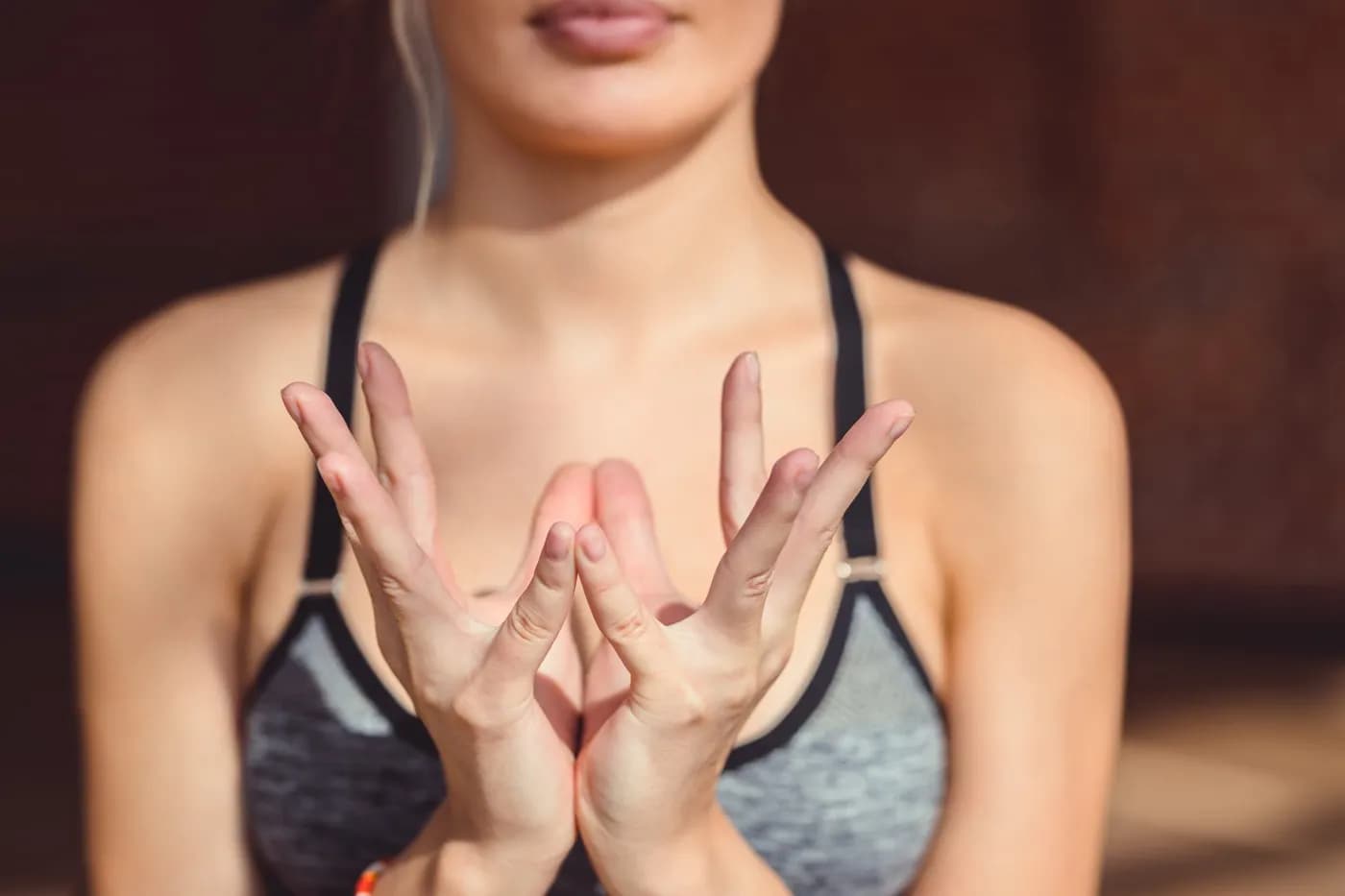
Yoga mudra refers to intentional hand gestures — and sometimes full-body postures — used in yoga and meditation to influence the flow of energy in the body. Rooted in ancient Indian traditions, mudras are a subtle but meaningful part of a complete yoga practice. When practised with consistency, they may gradually support mental clarity, emotional balance, and overall well-being.
If you’ve ever wondered what is yoga mudra, you’re not alone. These symbolic movements have been part of yogic and meditative traditions for thousands of years, yet they remain one of the most accessible and underused tools available to modern practitioners. Whether you are new to yoga or looking to deepen an existing practice, understanding mudras — and what are the most powerful mudras to start with — can open a genuinely new dimension to your sessions.
5 Key Benefits of Yoga Mudra
- Supports Mental Clarity and Focus Certain mudras, particularly Gyan Mudra, are traditionally used during meditation to help settle a busy mind. Regular practice may gradually improve your ability to concentrate and stay present — something many practitioners begin to notice after a few consistent weeks.
- May Help Ease Stress and Anxious Feelings Mudras like Apana Vayu Mudra and Prana Mudra are associated with calming the nervous system. While they are not a substitute for professional mental health care, incorporating them into a daily yoga routine may help you feel more grounded over time. Explore how yoga supports mental health for a broader perspective on this connection.
- Encourages Better Breathing Awareness Many mudras are practised alongside pranayama. Holding a mudra during breathwork can deepen your awareness of each inhale and exhale, making your breathing practice feel more intentional and connected.
- Supports Energy Balance Throughout the Day In yogic philosophy, mudras are believed to redirect prana (life energy) within the body. Practising them consistently — even for 5–10 minutes daily — may contribute to a gradual sense of vitality and calm over time.
- Complements a Consistent Yoga Practice Mudras are most effective when they form part of a structured routine rather than isolated attempts. Paired with asanas and breathing exercises, they become a genuinely supportive layer of your practice. Explore the full range of yoga asanas to understand how mudras fit within a complete practice.
How to Get Started with Yoga Mudra
What You Need to Begin
Mudras require nothing more than your hands and a quiet space. You don’t need a yoga mat, special clothing, or any equipment. That said, sitting comfortably — on a chair or cross-legged on the floor — helps you hold the position without distraction.
Setting Realistic Goals
Start with just one mudra and hold it for 5–10 minutes daily. Consistency matters far more than duration. Most practitioners begin to notice subtle shifts in mood or focus after two to three weeks of regular practice — but results are gradual rather than immediate.
Start with the Basics
Choose a simple, well-known mudra like Gyan Mudra (touch the tip of the index finger to the tip of the thumb) and practise it during morning meditation or pranayama. Focus on your breath while holding the gesture. Over time, you can introduce additional mudras and pair them with specific asanas for a more complete session.
Best Yoga Mudras to Know
Here are seven of the most widely practised and powerful mudras, each with a distinct purpose in the yogic tradition.
Gyan Mudra (Gesture of Knowledge)
Touch the tip of the index finger to the tip of the thumb, keeping the remaining three fingers extended. This is the most widely recognised mudra, commonly used during meditation and pranayama to support focus and mental clarity. Inhale deeply while holding; let the exhale be slow and natural.
Prana Mudra (Gesture of Life Energy)
Fold the ring and little fingers to touch the thumb tip, keeping the index and middle fingers extended. Prana Mudra is traditionally associated with activating dormant energy in the body. Holding it during slow breathing may gradually support vitality and alertness over consistent practice. Learn more about Prana Mudra and its step-by-step practice.
Apana Mudra (Gesture of Downward Energy)
Bring the tips of the middle and ring fingers to touch the thumb, with the index and little fingers extended. This mudra is associated with supporting the body’s natural processes and is often used in seated meditation. Breathe at a comfortable, unhurried pace while holding it.
Dhyana Mudra (Gesture of Meditation)
Rest both hands in your lap, palms facing upward, with the right hand resting on the left and thumbs lightly touching. This is the classic meditation mudra seen across Buddhist and Hindu traditions. It encourages stillness and inward attention, making it ideal at the start or end of a yoga session.
Vayu Mudra (Gesture of Air)
Fold the index finger toward the palm and press the thumb gently over it, keeping the remaining fingers extended. Vayu Mudra is believed to help manage excess air in the body, and may offer gradual comfort for those dealing with joint stiffness or restlessness when practised regularly.
Surya Mudra (Gesture of the Sun)
Bend the ring finger toward the palm and press the thumb over it lightly. Surya Mudra is traditionally linked with warming the body and supporting metabolic balance. It is typically practised in the morning, held for 10–15 minutes, and is most effective when combined with consistent asana practice.
Chin Mudra (Gesture of Consciousness)
Similar to Gyan Mudra but with the palms facing downward on the thighs, Chin Mudra promotes a sense of grounding and inner stability. It pairs well with seated breathwork and is a gentle entry point for anyone new to mudra practice. Discover a full overview of mudras and their benefits to deepen your understanding of these gestures.
Common Mistakes to Avoid
- Skipping Warm-Up Even for hand mudras, a few minutes of gentle wrist circles and finger stretches helps blood flow reach the hands. This makes holding the gesture more comfortable, especially during longer sessions or if you spend much of the day typing.
- Holding Breath During Practice Mudras are most effective when paired with natural, relaxed breathing. Many beginners inadvertently hold their breath while concentrating on the hand position. Keep your focus on slow, even breaths — the mudra should support your breathing, not compete with it.
- Jumping to Multiple Mudras Too Soon It’s tempting to try several mudras at once after reading about them. Introducing one mudra at a time and practising it consistently for at least a week gives your body and mind time to respond. Layering too many gestures too quickly often means none of them receive adequate attention.
- Inconsistent Practice The gradual benefits of mudras — calmer energy, improved focus, steadier breathing — only emerge through regular, daily repetition. A few sporadic sessions won’t build the same foundation as five quiet minutes every morning practised over several weeks.
Who Should Try Yoga Mudras?
- Beginners Mudras are one of the most accessible entry points into yoga because they require no physical flexibility, no equipment, and almost no space. Starting with Gyan Mudra during five minutes of quiet sitting is a genuinely low-barrier beginning that fits any schedule or fitness level.
- Women Several mudras are traditionally associated with hormonal balance and stress relief. Practised alongside gentle asanas, mudras may gradually support emotional steadiness and energy throughout the month. They complement a mindful lifestyle well and work best as part of a regular routine rather than as isolated gestures.
- Older Adults Because mudras are seated and gentle, they are well-suited to older adults who may have mobility limitations. They can be practised in a chair, in bed, or on the floor with support. Anyone with a specific health condition should consult their doctor before starting any new wellness practice.
- Working Professionals For those managing long desk hours and high workloads, mudras offer a practical micro-break tool. A few minutes of Gyan or Prana Mudra during a midday pause can serve as a reset — supporting focus and easing the tension that accumulates through screen-heavy workdays.
Build Flexibility with a Routine That Actually Works
Understanding what yoga mudra is matters — but the real shift comes when mudras become part of a structured, consistent daily practice. A guided programme removes the guesswork around sequencing, breathwork, and progression so you can simply show up and practise.
What You Get with Habuild’s Yoga Everyday Program:
- Daily live guided yoga sessions — mudras, asanas, and pranayama combined
- Beginner to advanced progression at your own pace
- No-equipment and home-friendly practice
- Expert guidance to ensure correct form and technique
- Community support to help you stay consistent
Mudras work subtly, and subtlety takes repetition — holding a hand gesture for a few minutes once won’t shift energy flow the way returning to it daily, alongside breathwork and asana, tends to. They’re most effective woven into a fuller practice rather than used in isolation. Habuild’s Yoga Everyday program incorporates mudras into guided daily sessions so they become part of a larger, consistent rhythm.
Frequently Asked Questions
Related Articles

Mudra in Yoga: Complete Guide to Types, Benefits and Practice
Over 100 documented mudras redirect the flow of prana through the body’s energy channels, classified into five main types across all major yoga

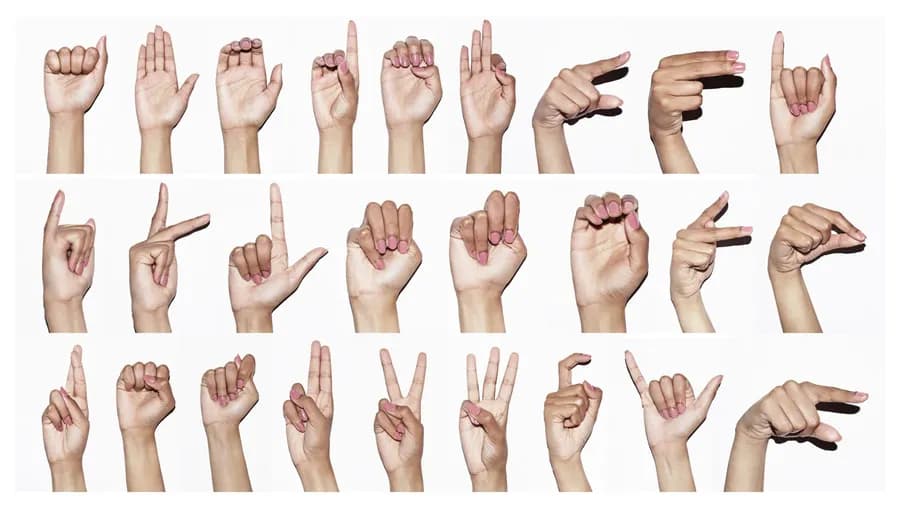
Hasta Mudras: A Complete Guide to Hand Gestures and Their Benefits
Practice hasta mudras with Habuild. Explore the best yoga hand gestures to balance the five elements, direct prana, and support health and healing. Start today!
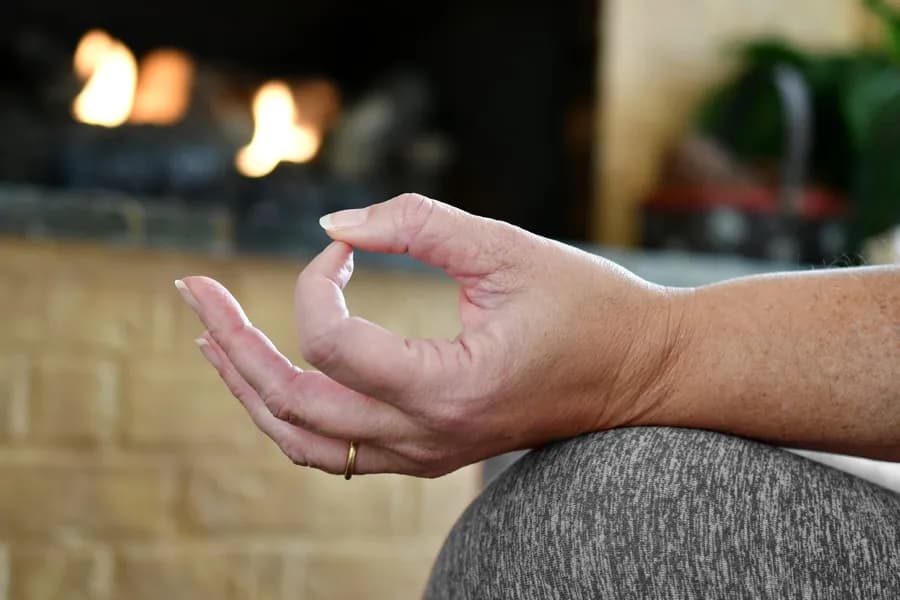
Chin Mudra: How to Practice and Its Benefits for Calm and Clarity
Practice Chin Mudra with Habuild. Follow the consciousness hand gesture steps to calm the mind, improve focus, and deepen your pranayama practice. Start today!