
Yoga Asanas for Beginners: 10 Foundational Poses to Start Your Practice
These foundational poses build body awareness, improve flexibility, and help turn a curious trial into a lasting habit — just a mat and a little space needed. See all 10 poses to start your practice.
Key Takeaways
- Holding poses like Plank and Warrior I builds functional strength without any dumbbells.
- Standing poses train the stabilising muscles around ankles, knees, and hips for balance.
- Even a 20-minute session can activate the parasympathetic nervous system and ease stress.
- Aim for five days a week for four weeks, not advanced poses on day one.
- A folded blanket on a firm floor works fine if a mat isn’t available.
If you’re just starting out, learning the right yoga asanas for beginners makes all the difference. These foundational poses build body awareness, improve flexibility, and help you develop the consistency that turns a curious trial into a lifelong habit. You don’t need a gym, special equipment, or years of experience — just a mat, a little space, and the willingness to show up each day.
10 Benefits of Starting Yoga as a Beginner
- Builds Whole-Body Flexibility Basic yoga poses gently lengthen tight muscles across your hips, hamstrings, shoulders, and spine. With regular practice, everyday movements — bending, reaching, walking — gradually feel easier and less restricted.
- Strengthens Muscles Without Equipment Holding poses like Plank and Warrior I requires your muscles to work against your own bodyweight. Over time, this builds functional strength in your core, legs, and upper body — no dumbbells needed.
- Improves Posture Many beginners carry tension from long hours at a desk. Poses that open the chest and engage the back help realign your spine, which may gradually ease the discomfort that comes from poor sitting habits. Explore more about how yoga supports better posture through consistent practice.
- Supports Stress Management Yoga combines breath awareness with movement, which activates the parasympathetic nervous system. Even a 20-minute session can help you feel noticeably calmer and more grounded after a stressful day.
- Enhances Balance and Coordination Standing poses challenge your balance in small, safe ways. This trains the stabilising muscles around your ankles, knees, and hips — especially useful as we age.
- Promotes Better Sleep A short evening yoga routine supports more restful sleep by calming the nervous system and releasing physical tension accumulated during the day.
- Builds the Habit of Consistency This is arguably the most important benefit. Yoga’s low barrier to entry — no heavy equipment, doable at home, adaptable to any fitness level — makes it one of the most sustainable daily habits you can build. Consistency, not intensity, creates lasting change.
How to Get Started with Yoga Asanas for Beginners
What You Need to Begin
You need almost nothing to start a yoga practice. A non-slip mat is helpful but not essential — a folded blanket on a firm floor works fine. Wear comfortable, stretchy clothing that lets you move freely. No weights, no machines, no gym membership required.
If you want guided instruction from day one, online yoga classes let you practice safely from home with a live teacher keeping an eye on your form.
Setting Realistic Goals
Beginners often aim for advanced poses in the first week. A far better approach: focus on showing up daily, even for just 15–20 minutes. Your flexibility and strength will follow with consistent effort. Set a goal of practising five days a week for four weeks before evaluating progress.
Start with the Basics
Begin with standing and seated poses that teach alignment fundamentals. Mountain Pose, Cat-Cow, and Child’s Pose are excellent starting points. Once your body understands how to find a neutral spine and breathe consciously, everything else builds naturally from there.
12 Basic Yoga Poses for Beginners
These are the foundational asanas most beginner programs return to again and again. Each one teaches a core principle of alignment, breath, or balance.
Tadasana (Mountain Pose)
Stand tall with feet together, arms alongside the body, and weight evenly distributed. Engage your thighs, lengthen through the crown of your head, and breathe deeply. This pose teaches correct standing alignment and body awareness — the foundation for every other standing pose. Hold for 5–8 breaths.
Balasana (Child’s Pose)
Kneel on the mat, sit back toward your heels, and extend your arms forward on the floor. Rest your forehead down and breathe into your lower back. This resting pose gently releases the hips, lower back, and shoulders. Return to it any time during practice. Hold for 8–10 breaths.
Marjariasana-Bitilasana (Cat-Cow Pose)
Start on all fours, wrists under shoulders and knees under hips. On an inhale, drop the belly and lift the tailbone (Cow). On an exhale, round the spine toward the ceiling (Cat). This flowing sequence warms the spine, improves mobility, and synchronises breath with movement. Repeat for 8–10 rounds. Learn more about the benefits of Cat-Cow Pose for your spine and posture.
Adho Mukha Svanasana (Downward-Facing Dog)
From all fours, tuck your toes and lift your hips up and back, forming an inverted V-shape. Press your palms firmly into the mat, lengthen the spine, and let your heels move toward the floor. This pose strengthens the arms and shoulders while stretching the hamstrings and calves. Hold for 5–8 breaths.
Virabhadrasana I (Warrior I)
Step one foot forward into a lunge, back foot angled out at 45 degrees. Bend the front knee directly over the ankle and raise both arms overhead. This standing pose builds leg strength, opens the hip flexors, and develops concentration. Hold for 5 breaths per side.
Trikonasana (Triangle Pose)
Stand with feet wide apart. Turn one foot out, extend the same-side arm down toward the shin or floor, and reach the other arm toward the ceiling. Triangle Pose stretches the side body, hamstrings, and groin while strengthening the legs. Hold for 5–8 breaths per side.
Setu Bandhasana (Bridge Pose)
Lie on your back with knees bent and feet flat on the floor, hip-width apart. Press into your feet and lift your hips toward the ceiling, clasping your hands under your back. Bridge Pose strengthens the glutes and lower back while opening the chest. Hold for 5–8 breaths and release slowly. Discover more about the benefits of Bridge Pose for your back and hips.
Bhujangasana (Cobra Pose)
Lie face down, hands under your shoulders. On an inhale, gently press up and lift your chest off the floor, keeping the lower body grounded. This backbend strengthens the spine and gradually eases upper-back tightness through consistent practice. Hold for 3–5 breaths.
Paschimottanasana (Seated Forward Bend)
Sit with legs extended straight in front of you. Inhale to lengthen the spine, then exhale and fold forward from the hips, reaching toward your feet. This pose stretches the entire back of the body — hamstrings, calves, and spine. Focus on length over depth; avoid rounding the lower back aggressively. Hold for 8–10 breaths.
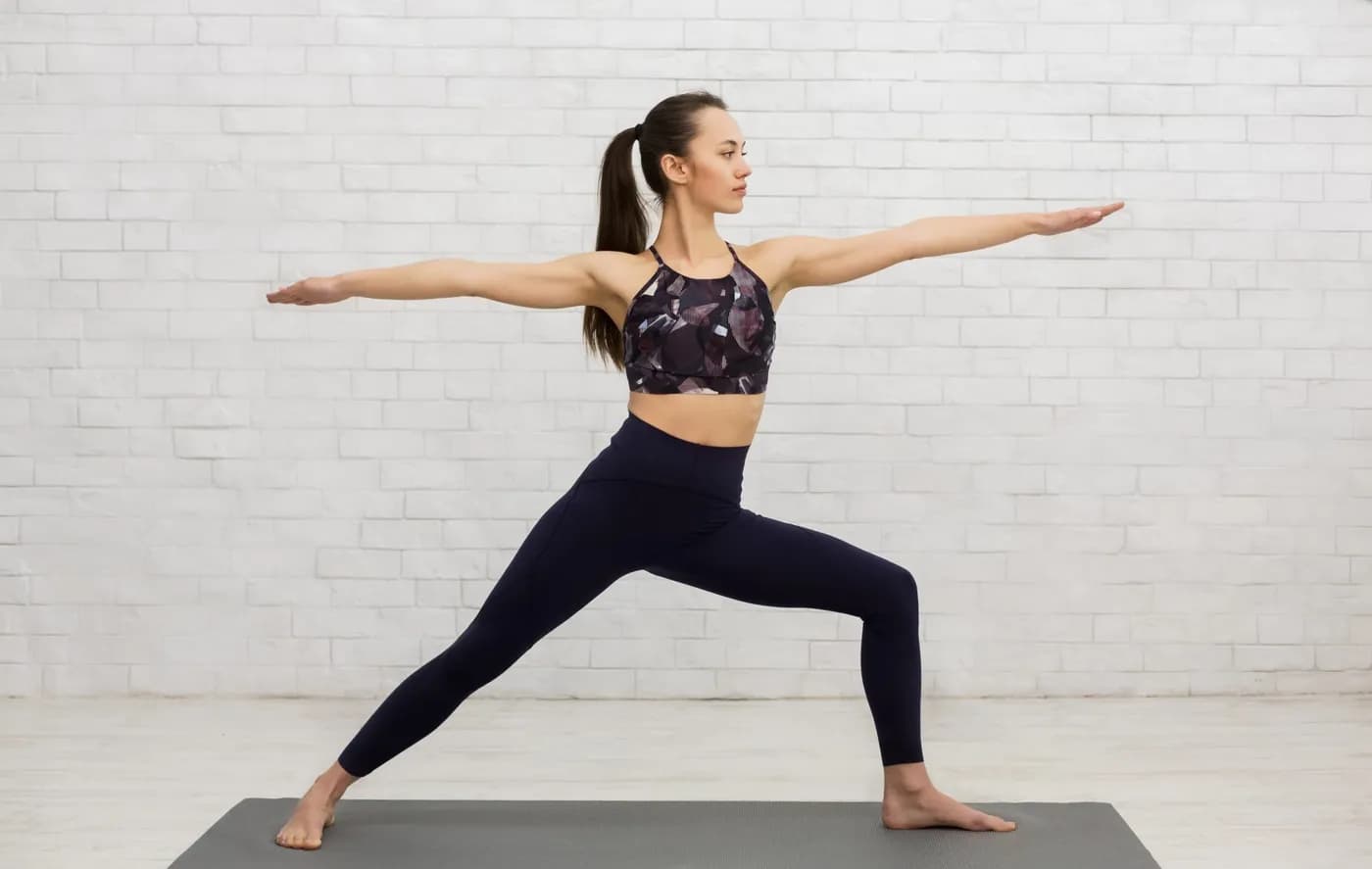
Virabhadrasana II (Warrior II)
From a wide-legged stance, bend one knee over the ankle and extend both arms out to the sides at shoulder height, gaze over the front hand. Warrior II builds stamina in the legs and hips while developing mental focus. Hold for 5–8 breaths per side.
Uttanasana (Standing Forward Fold)
Stand with feet hip-width apart, inhale to lengthen the spine, then exhale and fold forward from the hips. Let your head and arms hang heavy. This pose releases tension along the spine and backs of the legs. Bend your knees slightly if your hamstrings are tight. Hold for 8 breaths.
Shavasana (Corpse Pose)
Lie flat on your back, arms slightly away from the body, palms facing up. Close your eyes, let your feet fall open naturally, and simply breathe. Shavasana gives your nervous system time to integrate the practice — it is among the most important poses in any beginner session. Stay for at least 3–5 minutes.
Common Mistakes Beginners Make in Yoga
- Forcing Flexibility Pushing aggressively into a stretch before your body is ready is one of the most common beginner mistakes — and the most likely cause of injury. Move to the edge of comfortable sensation, not pain, and let breath do the work of releasing tension gradually over weeks.
- Skipping the Warm-Up Jumping straight into deep poses on a cold body strains joints and muscles. Always begin with 5–10 minutes of gentle movement — Cat-Cow, shoulder rolls, and simple hip circles prepare the body safely for more demanding asanas.
- Holding the Breath When a pose feels challenging, many beginners unconsciously hold their breath. This creates tension rather than release. Make conscious, steady breathing your anchor throughout every session — if you can’t breathe smoothly, ease back in the pose.
- Inconsistency Practising intensively for two weeks then stopping for three is far less effective than 20 minutes every day. The body adapts through repetition. Even on days when you only manage a few basic poses, showing up matters more than the duration or intensity of your session.
Who Should Try Yoga Asanas for Beginners?
- Absolute Beginners If you’ve never exercised before or are returning after a long break, yoga is one of the safest and most accessible ways to begin. The entry barrier is low — no fitness test, no equipment, and poses can always be modified. You build from where you are, at your own pace.
- Women Yoga is particularly well-suited to women at every stage of life. It builds toned, functional strength without adding bulk, supports hormonal balance through stress reduction, and can be adapted during pregnancy or menopause. There is no version of yoga that is “too advanced” or “not for you.”
- Older Adults For adults over 50 or 60, yoga offers a gentle way to maintain joint mobility, improve balance, and support bone density through weight-bearing poses. Always consult your doctor before starting any new physical practice, and choose a program that explicitly offers modifications for seniors.
- Working Professionals Long hours at a desk create tight hips, a rounded upper back, and chronic neck tension. A 20-minute morning or evening yoga session directly counters these patterns. The focused breathing also serves as a mental reset — many practitioners report feeling sharper and less reactive after regular practice.
Build Your Practice with a Routine That Actually Works
Starting yoga is easy. Staying consistent is where most people struggle — and that’s not a willpower problem, it’s a structure problem. With the right daily routine, guided instruction, and community accountability, consistency becomes almost automatic.
What you get with Habuild’s Yoga Everyday program:
- Daily live guided yoga sessions — beginner-friendly and structured for progression
- Expert teachers who correct your form in real time
- A supportive community that keeps you showing up
- No equipment needed — practice from any room at home
- Sessions designed to build on each other so your practice actually develops
The real value of these foundational poses shows up over weeks, as body awareness sharpens and flexibility that once felt out of reach starts to feel familiar. Skipping around from pose to pose without any rhythm tends to slow that progress down. A guided daily structure removes the guesswork here — Habuild’s Yoga Everyday program is built specifically to take beginners from a first pose to a steady practice.
Frequently Asked Questions
Related Articles
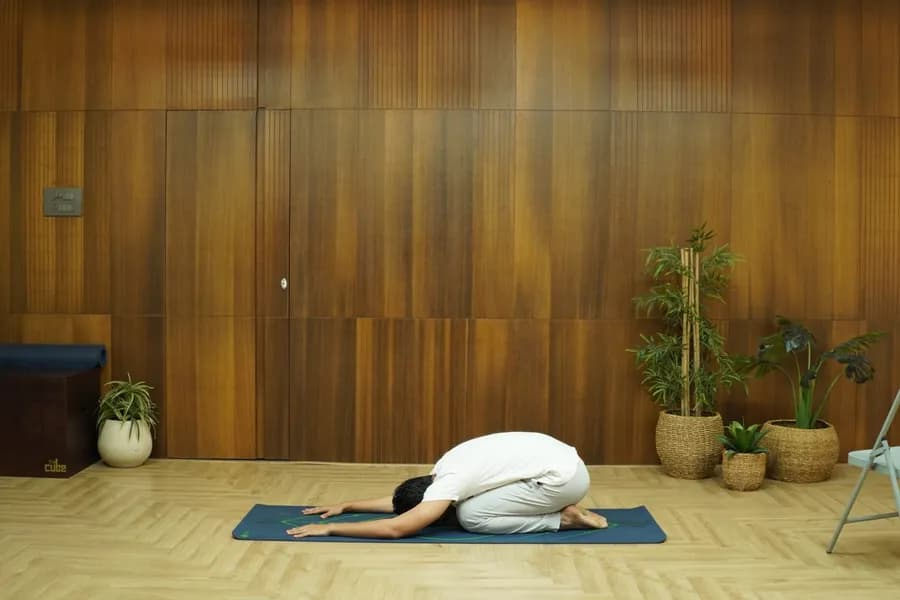
Balasana (Child’s Pose): Steps and Benefits for Mind and Body
Try balasana with Habuild. Practice the balasana pose to relieve stress, ease back tension, and deeply relax your body and mind. Start your yoga session now!


Tadasana — The Mountain Pose
Tadasana, or Mountain Pose, is the quiet foundation every standing yoga pose is built on — simple to look at, precise to get right.

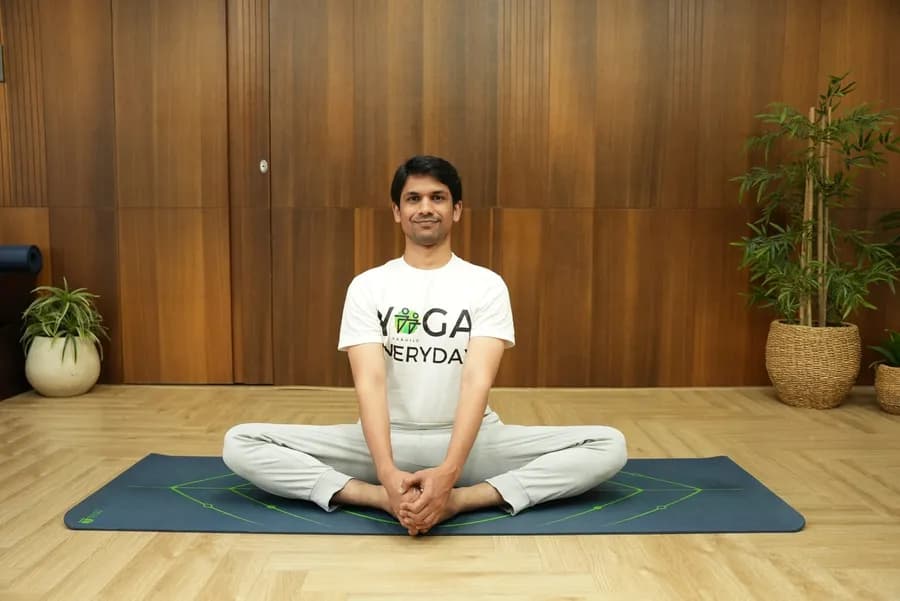
Baddha Konasana (Butterfly Pose): Steps and Hip Flexibility Benefits
Practice baddha konasana with Habuild. Try the baddha konasana pose to open your hips, improve flexibility, and calm your busy mind. Start your session today!