
Barley vs Wheat: Which Grain Fits Your Meal?
Barley and wheat have different strengths in the kitchen. Compare grain forms, beta-glucan, gluten and practical ways to use both in everyday meals.
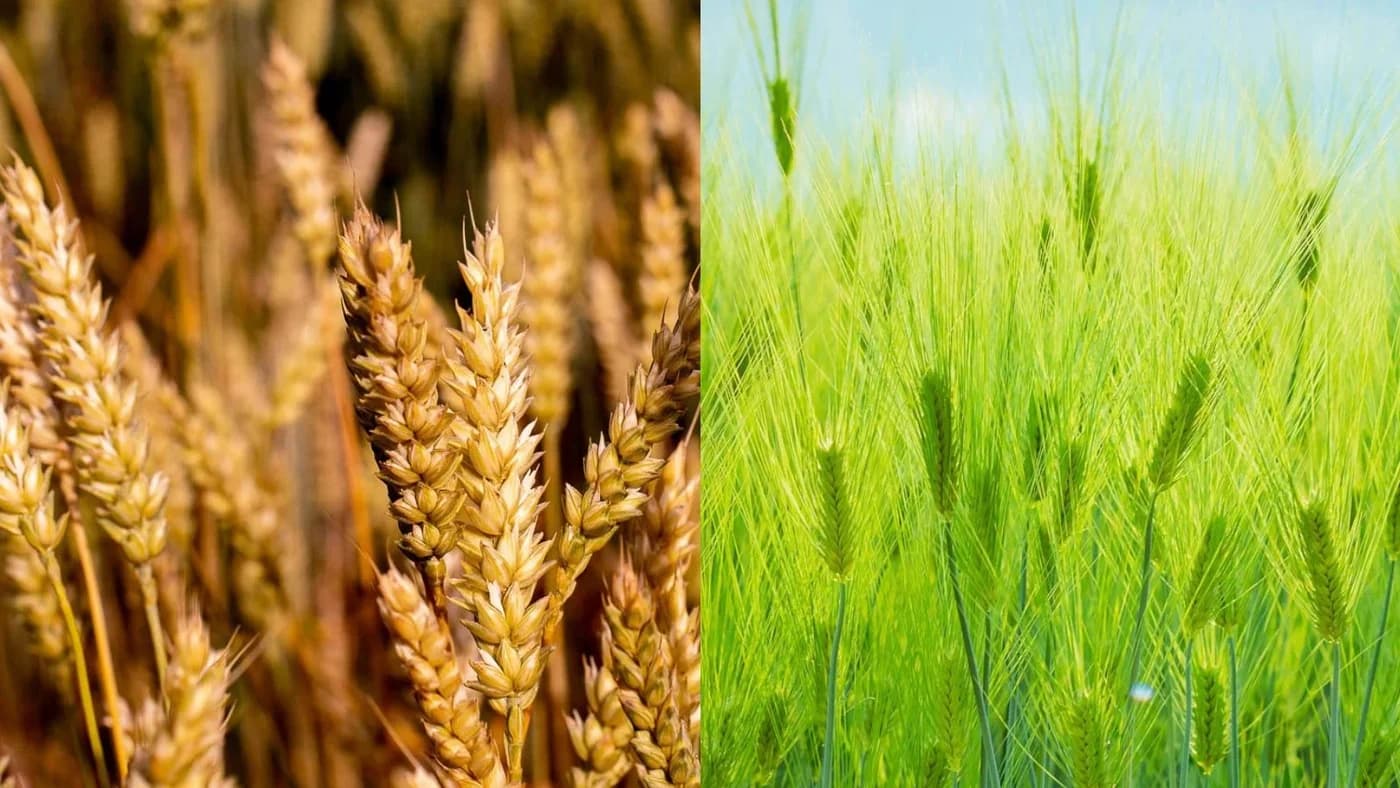
Key Takeaways
- The form of the grain matters more than the name.
- Whole barley offers useful soluble fibre.
- Wheat makes softer rotis than barley.
- Neither barley nor wheat is gluten-free.
Wheat makes a soft roti; barley brings a chewy bite to a bowl of soup. Both can be useful foods, but they behave differently in the kitchen. Choosing between them is less about finding a winning grain and more about knowing which form you are buying and how you plan to eat it.
In India, barley is commonly called jau and wheat is gehun. Whole-wheat atta may already be a daily staple, while barley appears in flour, grain dishes and drinks. Here is what changes when you swap one for the other, and what stays much the same.
Start with the form of the grain
A whole grain retains its bran, germ and endosperm. Refining removes some of these parts, changing fibre and other nutrients. That makes whole-wheat atta and maida meaningfully different products even though both come from wheat.
Barley also comes in several forms. Hulled barley has had its tough outer hull removed while retaining the bran. Pearl barley is polished further, so it is generally not a whole grain, although it can still provide useful fibre. The degree of pearling varies.
Wheat dalia or bulgur, atta, maida, barley flour and pearl barley cannot all be treated as nutritionally identical. A comparison between whole barley and refined wheat says as much about processing as it does about the grain species.
Where barley has an advantage
Barley contains beta-glucan, a soluble fibre that forms a viscous mixture in the digestive tract. Regular intake of enough barley beta-glucan can help lower LDL cholesterol as part of an overall heart-healthy diet.
This is a useful reason to include barley, especially if you enjoy it. It does not make a small sprinkle a cholesterol treatment, nor does it replace prescribed medicine. The amount of beta-glucan varies with the variety, product and serving.
Whole wheat contributes fibre too, particularly from its bran. Its fibre profile differs from barley’s, but it can still support a varied eating pattern. You do not need to remove wheat to make room for barley; using both can add variety.
Blood sugar depends on more than the name
Both grains provide starch and therefore carbohydrate. Fibre, the structure of the food, cooking and the amount eaten all influence the blood-glucose response. Whole kernels and finely milled flour do not behave exactly alike.
Barley can be a useful higher-fibre choice, but a large bowl is not unlimited food for someone with diabetes. Wheat is not automatically unsuitable either. A modest serving of roti or dalia can fit into a meal with vegetables and a protein food.
Consider what accompanies the grain. Barley cooked with vegetables and chana makes a different meal from barley flour in a sugary biscuit. The same is true of wheat: whole-wheat roti with dal differs from a large portion of sweet bakery food.
Which one makes a better roti?
Wheat flour develops a stretchy dough that is relatively easy to roll and cook. Barley flour behaves differently and produces a less elastic dough, so a direct swap can lead to cracking or a denser result.
For a first attempt, replace a small part of your usual atta with barley flour and adjust the water gradually. Make a small batch, let the dough rest as needed and see whether the texture suits you. There is no medically required blend ratio for an ordinary household meal.
Recipes using a high proportion of barley may need a different handling method. If the roti falls apart, it is a cooking issue rather than proof that the flour is unhealthy. Keeping some wheat can make the change easier when gluten avoidance is not necessary.
Where whole barley works well
Cooked barley has a mild flavour and pleasantly chewy texture. It can replace part of the rice in a vegetable grain bowl or form the base of a hearty soup. Follow the packet’s cooking instructions because hulled and pearled forms differ in cooking time.
A few useful combinations are:
- Barley, moong dal and vegetables in a khichdi-style dish.
- Cooked barley with chickpeas, cucumber, tomato and lemon.
- A vegetable soup with barley and beans for a more substantial meal.
- Leftover cooked barley stirred into a fresh vegetable stir-fry.
Start with a small quantity until you know how much cooked grain your household will eat. Refrigerate cooked leftovers promptly rather than leaving the pot out for the rest of the day.
Is barley water as good as eating barley?
Strained barley water is not nutritionally equivalent to the grain. When the solids are discarded, much of the fibre and other food value remains behind. The drink’s composition also depends on how much grain and water were used.
It can be a pleasant drink if prepared hygienically, but it does not flush out fat, cure a urinary infection or replace treatment for kidney disease. Adding sugar or syrup changes it into a sweetened drink.
If your aim is to get more fibre, eating the cooked barley is the more dependable approach. If you simply like the drink, enjoy it for that reason without expecting a bowl of grain’s nutrition from a clear glass.
Neither is gluten-free
Wheat and barley both contain gluten. Barley is therefore unsuitable for someone with coeliac disease, even though it is sometimes marketed as an alternative to wheat. Malt made from barley can also matter in a gluten-free diet.
Wheat allergy is a separate condition, and selecting an alternative requires attention to the individual allergy and possible cross-contact. Do not assume that every grain swap is safe because the names differ.
For people who need gluten-free staples, rice, jowar and bajra are possible options when prepared without gluten contamination. That is a different reason for choosing grains from simply wanting more fibre.
Make the comparison useful
Nutrition numbers are only helpful when the basis matches. A dry grain is concentrated; after cooking it weighs more because it contains water. Comparing 100 g dry wheat with 100 g cooked barley creates a misleading difference in calories and nutrients.
For everyday meals, focus on the product, the cooked portion and the rest of the plate. Add fibre gradually if your usual diet is low in it, since a sudden large increase can cause bloating.
Keep wheat where its texture works, try barley where its chew and fibre are welcome, and use vegetables and protein to complete the meal. Variety is a more useful outcome than declaring one familiar grain the enemy.
Editorial sources
Frequently Asked Questions
Related Articles
Wheat Nutritional Value: What Whole Grains Offer
Whole-wheat atta keeps the bran and germ that maida loses. What wheat provides, how to read bread labels, and who genuinely needs to avoid it.

Barley Benefits: Nutrition, Hulled vs Pearled and Easy Ways to Eat It
Barley adds fibre, including cholesterol-friendly beta-glucan, to everyday meals. Learn hulled vs pearled, cooking tips and who should avoid it.

Wheatgrass Benefits: Powder, Juice and Evidence
Wheatgrass is sold as juice, powder and tablets with big promises. Here is what it contains, what evidence exists and how to use it safely.
Buckwheat Benefits: Nutrition and Uses
Buckwheat is a gluten-free seed used like a grain. Learn its nutrition, realistic benefits and easy ways to use kuttu in balanced meals.