
Basmati Rice Nutritional Value: Understand the Portion on Your Plate
Basmati mainly provides carbohydrate. Learn how water changes nutrition figures and how to build a satisfying meal around your rice portion.
Key Takeaways
- Dry and cooked rice weights are very different.
- Basmati mainly provides carbohydrate for energy.
- Brown and white basmati both have a place.
- Cool and refrigerate leftover rice promptly.
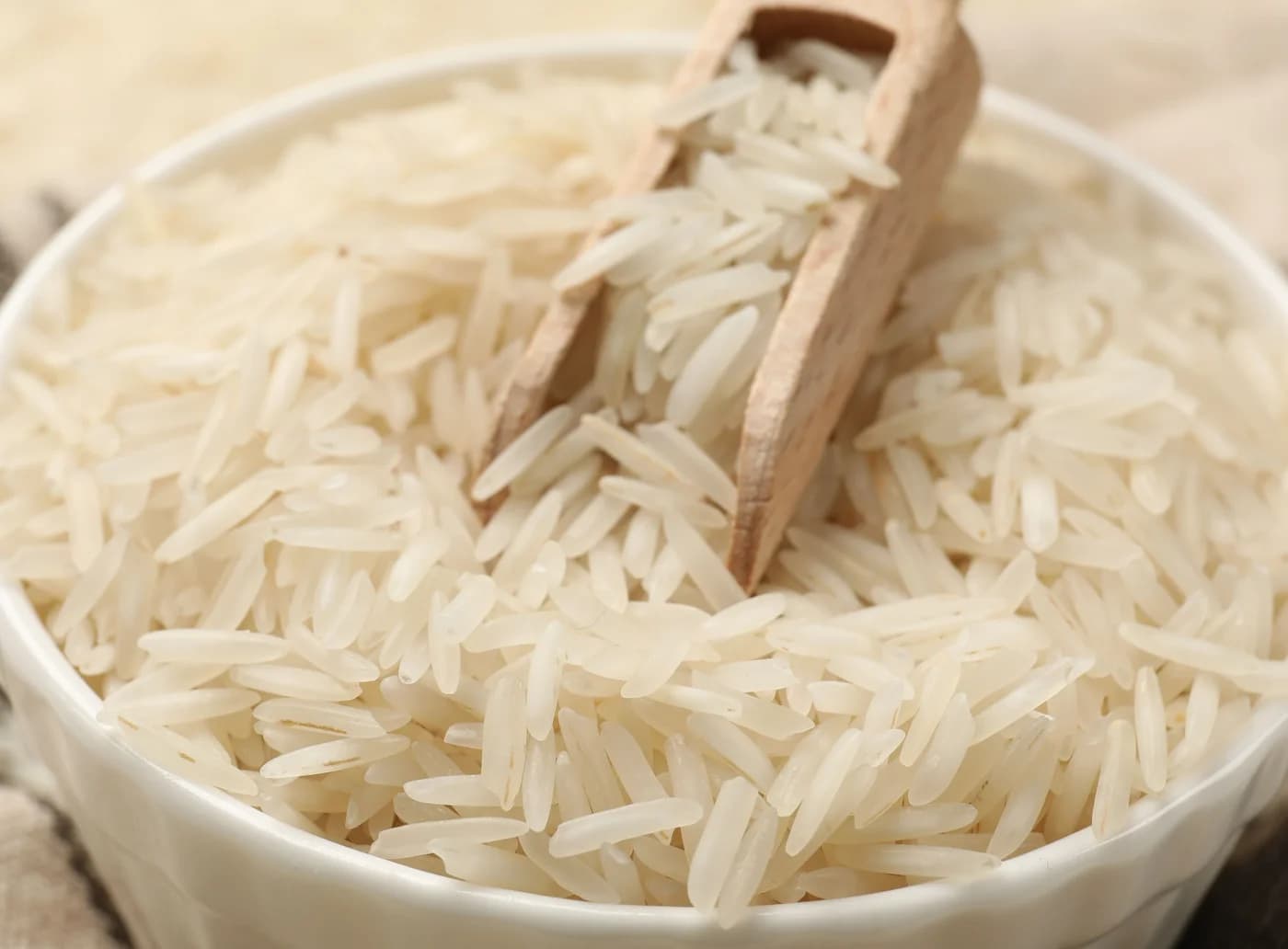
Basmati rice can be part of a balanced meal, whether you prefer a simple dal-rice lunch or an aromatic pulao. It mainly provides carbohydrate for energy, with a little protein and generally little fat when cooked in water. The most common nutrition mistake is comparing dry rice with cooked rice as though they weigh the same. Water changes the weight substantially, while the rice's energy remains in the pot.
Dry and cooked figures answer different questions
Nutrition information on a bag of dry rice usually refers to the uncooked product unless stated otherwise. For example, one manufacturer's dry basmati lists 351 kcal per 100 g. That does not mean a 100 g serving of the cooked rice supplies the same amount.
As rice absorbs water, it becomes heavier. The final weight depends on the cooking method and how much water is retained. This is why cooked-rice values vary and why an app entry must match the state in which you weighed it.
If you use dry weight for planning, keep using a dry-rice entry. If you weigh the cooked portion, choose an appropriate cooked entry. Mixing the two can produce a large error without any actual change in the meal.
A simple pot calculation
Suppose you cook 60 g dry rice that provides 351 kcal per 100 g. The rice contributes about 211 kcal before oil, ghee or other ingredients. Adding water does not add calories.
If you eat the entire cooked yield, you still eat that amount of rice energy, however much it now weighs. If the pot is divided equally between two people, each receives half.
You do not need to repeat this arithmetic at every lunch. It is useful for learning a usual portion or understanding why dry and cooked numbers appear so different. Appetite, activity and the rest of the meal still guide how much suits you.
What plain basmati provides
Carbohydrate is the main nutrient. Basmati also provides some protein, but it is not a substantial protein food on its own. White basmati generally contains less fibre than brown basmati because the outer bran has been removed.
Plain rice cooked without salt is naturally low in sodium. The sodium in biryani, pulao or restaurant rice mainly reflects what was added. Similarly, ghee, butter, oil and fried garnishes change the energy and fat content.
An enriched or fortified product may contain added micronutrients. That is a product feature, not something guaranteed by the word basmati. There is no need to choose rice according to an exaggerated promise that one variety contains every nutrient you need.
Brown or white can both have a place
Brown basmati retains more bran and usually provides more fibre. It takes longer to cook and has a firmer texture. Some people enjoy it immediately; others prefer mixing it with white rice while getting used to it.
White basmati may suit your taste, budget or digestive comfort better. It can still form a useful meal when vegetables and pulses provide fibre elsewhere on the plate.
Choose according to the whole meal rather than assuming white rice makes a diet unhealthy or brown rice makes portions irrelevant. A large oily brown-rice preparation can differ substantially from a modest serving of plain white rice with dal and sabzi.
Make room for the foods beside it
For a regular lunch, combine rice with a protein food and vegetables. Familiar combinations include:
- Rajma with rice and a cooked vegetable side
- Dal with rice, sabzi and curd if it suits you
- Tofu or paneer with vegetables and a modest rice serving
The rice does not need to disappear for the meal to improve. If it currently fills almost the entire plate, start by making space for the other foods. You may find a smaller rice serving more satisfying when the meal has enough protein and vegetables.
If you are hungry soon after eating, assess the complete meal rather than blaming rice automatically. A plate of plain rice and a little pickle has a different balance from rice with a substantial pulse dish.
What about diabetes and glycaemic index?
Some basmati varieties have a lower glycaemic index than some other rice types, but there is considerable variation. The name alone cannot predict your glucose response. Portion, cooking, the other foods eaten and your treatment all matter.
Lower glycaemic index does not mean carbohydrate-free. A large portion can still provide a substantial carbohydrate load. Use the serving that fits your usual diabetes plan rather than adding more because a packet says low GI.
There is no magic time when rice stops affecting glucose. If monitoring is part of your care, assess the meal you actually eat, not an isolated spoonful under different conditions. Do not change medicine doses from a general rice article.
Rinsing and soaking are cooking choices
Rinsing removes surface starch and can help with the texture you want. Soaking can change cooking time and grain expansion. Follow a dependable method for the particular rice instead of assuming every variety needs identical water and timing.
Neither step turns rice into a carb-free food. Draining cooking water may alter composition somewhat, but it is not a dependable way to calculate away the carbohydrate in your portion.
If a product is fortified, follow its preparation directions, since unnecessary washing or excess-water cooking may affect some added nutrients. Use safe water and normal kitchen hygiene throughout.
Leftovers need prompt cooling
Cooked rice needs safe storage because spores of Bacillus cereus can survive cooking. Leaving it warm for hours allows growth and possible toxin formation. Reheating does not reliably rescue badly stored rice.
Eat it promptly or cool quickly in small portions and refrigerate. Follow reliable guidance for how soon to use chilled rice, and reheat thoroughly when appropriate. Do not leave a large pot out overnight to make the grains better for fried rice.
Cooling rice can change some starch into resistant starch, but that does not make the food sugar-free or justify unsafe storage. Safety comes before a small nutritional alteration.
Let the portion become familiar
Try serving rice with the same small bowl for a few meals so you learn your usual amount. Adjust for hunger and the balance of the plate, without treating one portion as compulsory for every adult.
Basmati's aroma and texture can make an ordinary meal enjoyable. Its role is to provide a grain food that works with the rest of your diet, rather than to burn fat, cure diabetes or carry the entire burden of healthy eating.
Editorial sources
Frequently Asked Questions
Related Articles
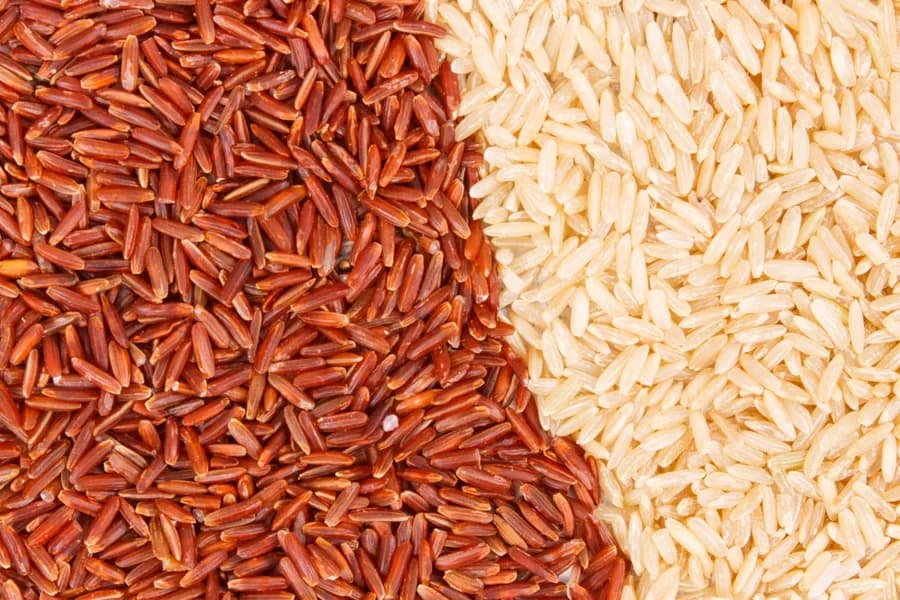
Brown Rice Versus White Rice: A Full Comparison
Brown rice and white rice come from the same grain — the milling process that strips away the bran and germ is what changes the nutrition, glycemic.

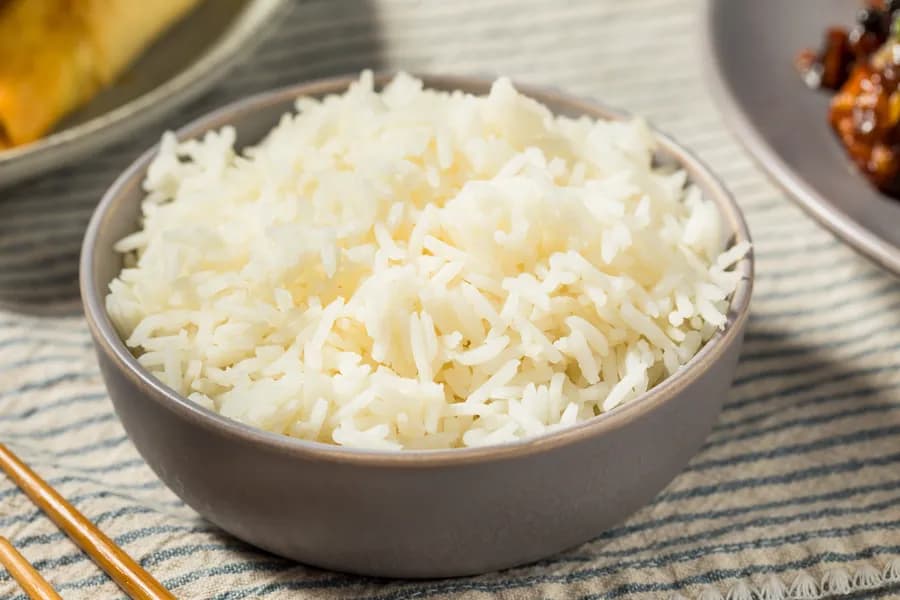
White Rice: Nutrition, Portions and Everyday Meals
White rice can fit a healthy diet. How much to serve, what to pair it with, rice and diabetes or weight loss, and how to store leftovers safely.

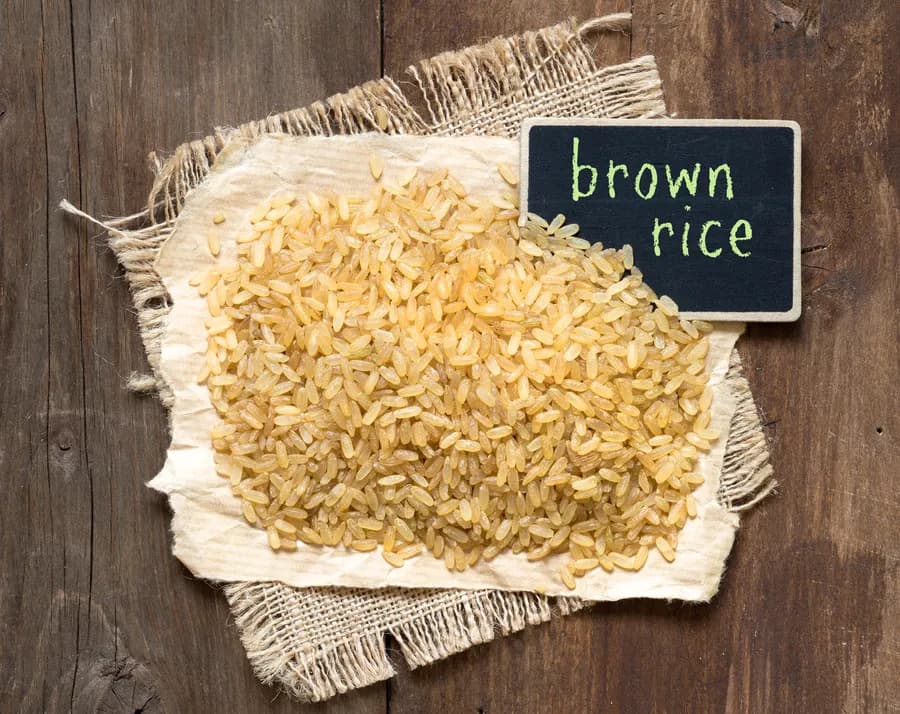
Brown Rice Benefits, Nutrition, Portions and Safety
Brown rice retains the bran and germ removed from white rice, so it generally provides more fibre, magnesium and a firmer texture.
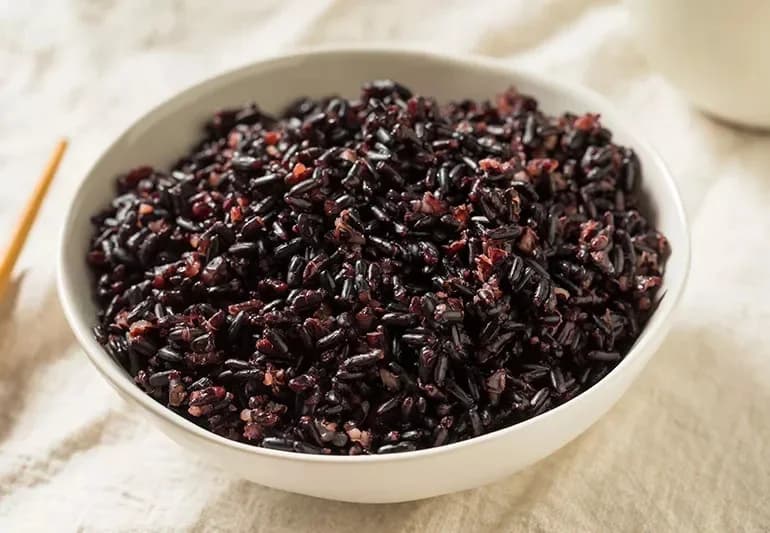
Black Rice Benefits: More Variety Without Replacing Every Grain
Black rice adds colour and wholegrain variety. Use it with satisfying accompaniments and realistic expectations about portions and health claims.