
Cranberry Juice: Benefits, Sugar and Safety
Cranberry may help prevent some recurrent UTIs but cannot treat one. How to read juice labels, manage sugar and stay safe on warfarin.

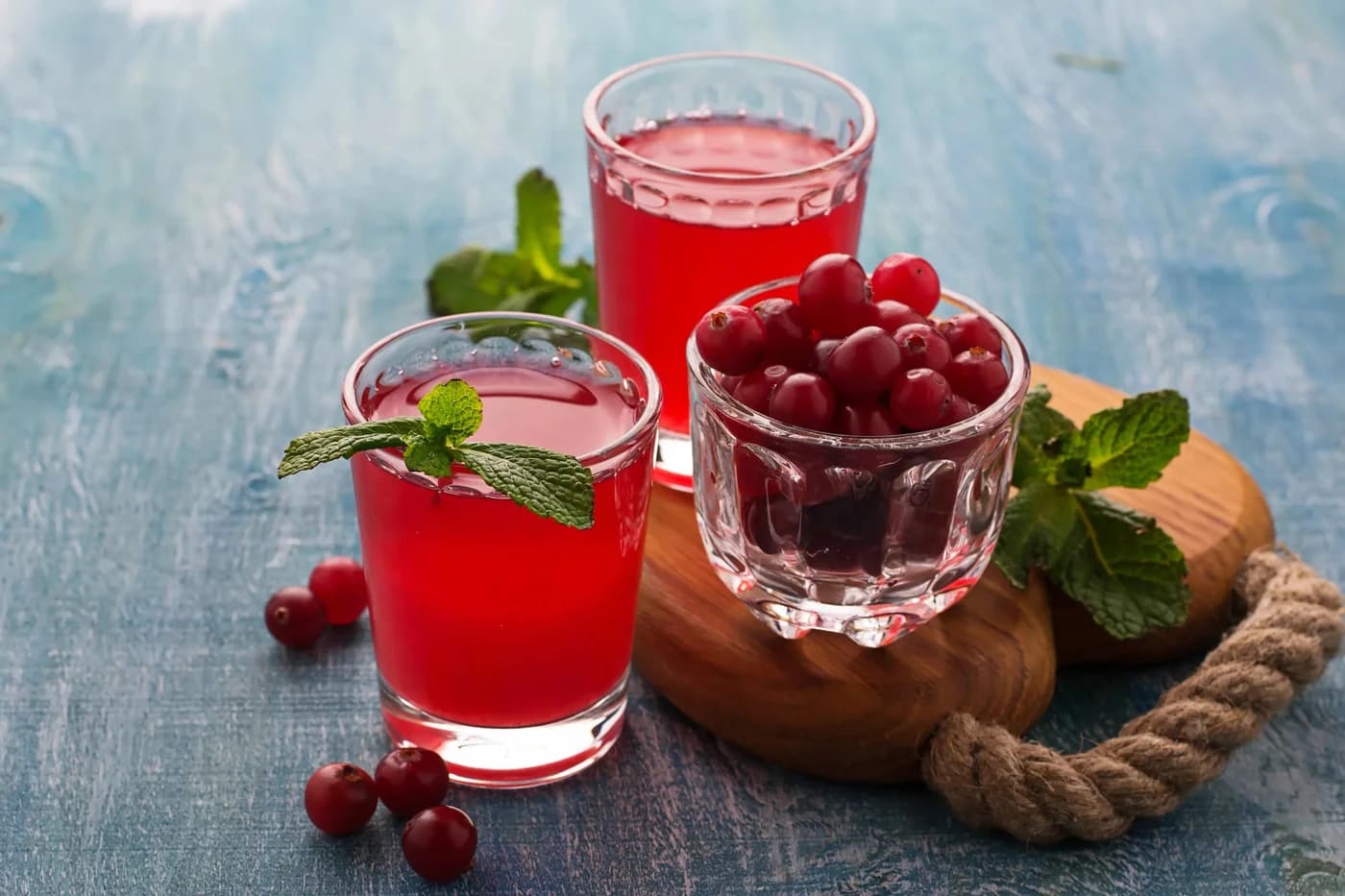
Key Takeaways
- Cranberry may lower the risk of some recurrent UTIs but cannot cure one.
- 'Juice drinks' and cocktails can contain a lot of added sugar: read the label.
- Juice, capsules and extracts deliver different amounts of active compounds.
- UTI symptoms with fever, back pain or pregnancy need prompt medical care.
- On warfarin or prone to kidney stones? Ask your doctor before daily use.
Cranberry juice is tart, acidic and rich in plant compounds, but commercial products range from unsweetened pure juice to sweetened "juice drinks". Cranberry products may modestly reduce recurrent urinary tract infections (UTIs) in some people; they do not treat an active infection. The label, the portion and your reason for drinking it matter, especially if you have diabetes, reflux or a risk of kidney stones, or take warfarin.
Can it prevent a UTI?
What does the UTI evidence say?
Cranberry proanthocyanidins may reduce the ability of certain bacteria to attach to the lining of the urinary tract. A 2023 Cochrane review found that cranberry products may reduce the risk of repeat UTIs in women with recurrent infections, in children and in people susceptible after some medical procedures. Benefits are not universal, and the dose and composition of products vary considerably.
Why can't it treat infection?
Once a bacterial infection is established, juice cannot reliably clear it. Burning urine, urgency and frequency may need testing and antibiotics. Fever, chills, vomiting, pregnancy, visible blood, severe pain or pain near the kidneys warrant prompt medical assessment because infection can spread.
What is actually in the bottle?
"100% cranberry juice" is very tart. A "cranberry juice drink" or cocktail may contain water, other juices, sugar or sweeteners. Read total sugar, added sugar and serving size rather than relying on the berry images on the pack. Unsweetened does not mean carbohydrate-free.
How should you choose it?
How much should you drink?
There is no single proven household dose, because trials use different juices, extracts and proanthocyanidin amounts. A small glass can fit with a meal, but repeatedly drinking large bottles adds sugar and acid. For prevention, discuss a standardised product with a clinician instead of guessing from taste. Our guide to healthy juices explains how juice fits into a balanced diet.
What about diabetes?
Sweetened cranberry drinks can raise blood glucose quickly. Unsweetened juice still contains natural sugar and lacks the fibre of whole berries. If you choose it, measure the serving, take it with food and monitor your own response. Water remains the main drink for hydration.
Can it affect the stomach or teeth?
Its acidity may worsen reflux, nausea or mouth irritation, and it can contribute to enamel erosion when sipped slowly all day. Drink it with a meal, avoid swishing, rinse with water and wait before brushing. Stop if symptoms consistently worsen.
Who needs extra caution?
Does it interact with warfarin?
Case reports and cautious guidance have raised concern about cranberry with warfarin, although the evidence is not settled. Anyone taking warfarin should keep intake consistent and ask the anticoagulation team before making a major change. Unusual bruising or bleeding needs medical attention.
What about kidney stones?
Cranberry products can alter urinary chemistry, and the effect may differ by stone type. People with recurrent calcium oxalate or other stones should not start large daily amounts as a home remedy. Personalised advice can draw on stone analysis and urine testing.
A practical next step
If you enjoy cranberry juice, treat it as a tart beverage rather than a cure. Choose a clearly labelled product, pour a measured serving and keep water as the default drink. If the goal is preventing repeated UTIs, discuss the pattern and the available preventive options with a clinician; persistent self-treatment can delay diagnosis of an infection or another urinary problem.
Editorial sources
Frequently Asked Questions
Related Articles
Healthy Juices: Portions, Nutrition and Better Drink Choices
Juice can provide fluid and some vitamins, but it is easier to drink quickly than whole fruit and usually contains less fibre.

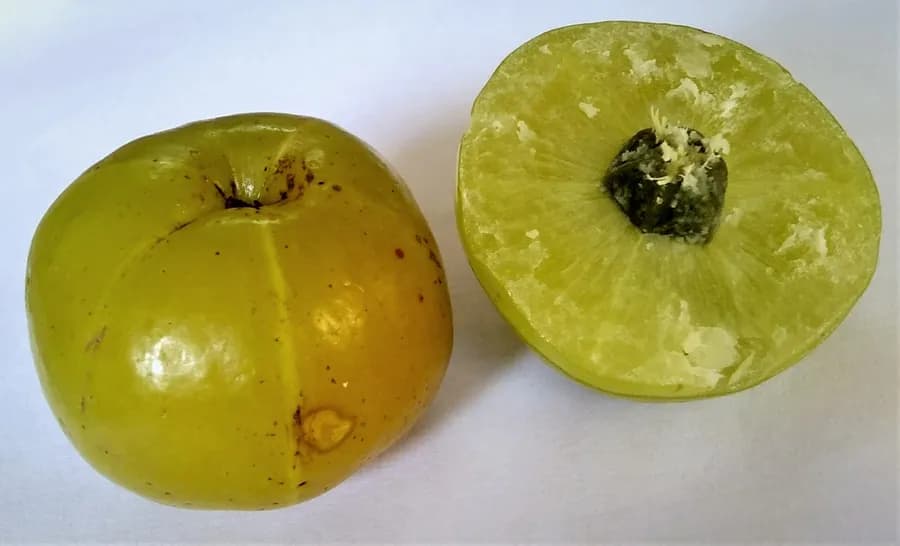
Amla Juice Benefits: Immunity, Digestion & Skin
Amla juice concentrates Indian gooseberry into an easy daily shot — vitamin C, antioxidants, and polyphenols without eating the sour fruit itself. See.
Beetroot Juice Benefits: Nutrition, Timing and Smart Choices
Beetroot juice benefits can affect hydration, energy or nutrient intake depending on its ingredients. Packaged and homemade versions may differ greatly.

Baddha Konasana: Yoga Poses for UTI
This gentle seated hip-opener improves pelvic blood circulation and releases chronic pelvic floor tension, complementing medical care. See the steps.
