
Blue Fruits: Nutrition, Benefits and Simple Ways to Enjoy Them
Blueberries, jamun, dark grapes and plums get their colour from anthocyanins. What the evidence shows, plus fresh, frozen and dried options.
Key Takeaways
- Blue and purple fruits get their colour from anthocyanin pigments.
- Jamun, dark grapes and plums are local, cheaper options to imported blueberries.
- Berry trials show modest vascular and memory effects, not disease prevention.
- Frozen unsweetened berries are as useful as fresh; juice and dried fruit are not.
- Cut whole grapes lengthwise for young children to prevent choking.
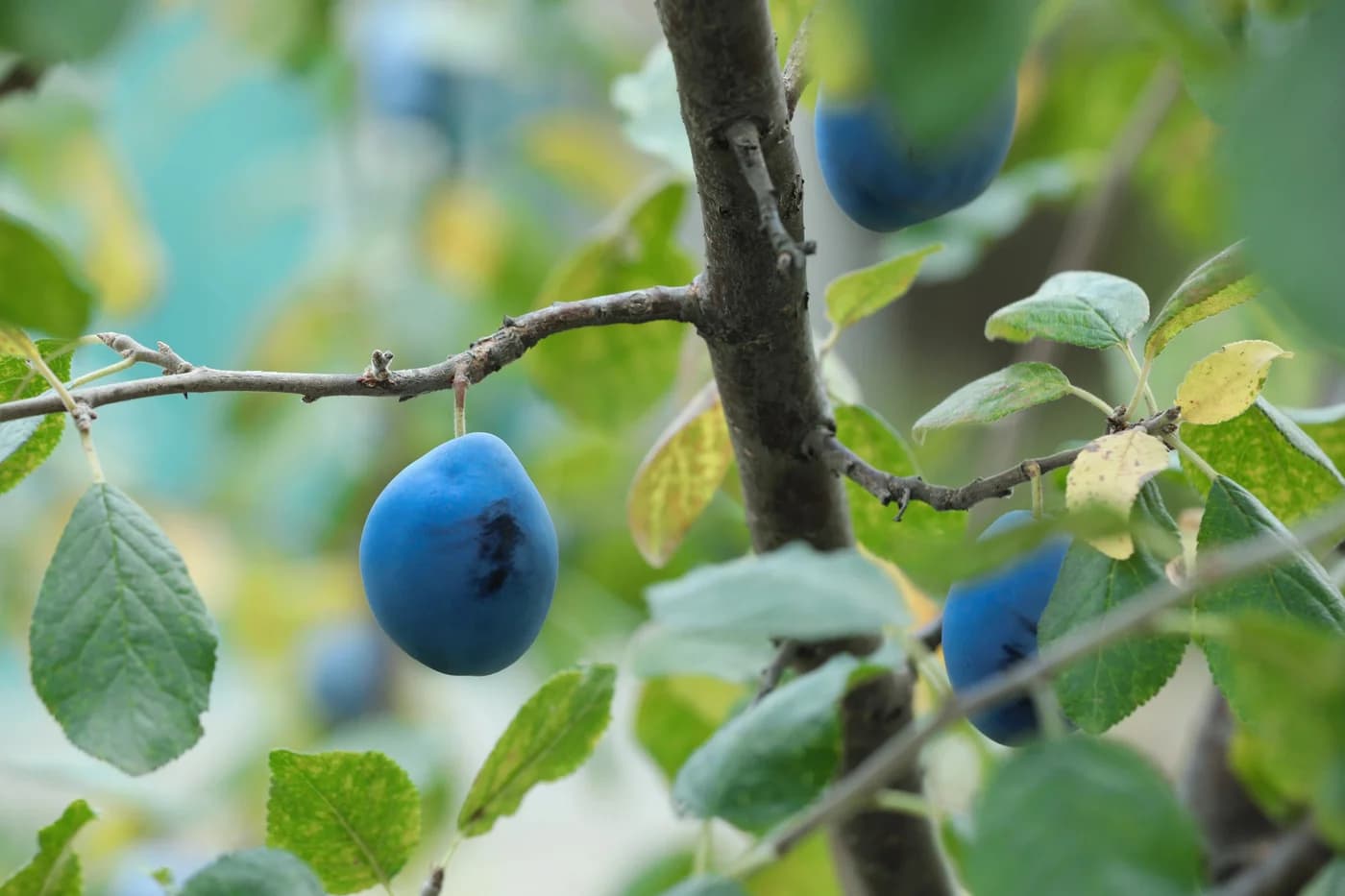
Blue fruit is not a formal nutrition category. It is a convenient name for fruits whose skin or flesh looks blue, blue-purple or almost black. Blueberries are the clearest example, but blackberries, dark grapes, plums and India's seasonal jamun often join the list. Their colours come largely from anthocyanins, a family of plant pigments. Colour is a useful reminder to eat a variety of fruit, but it does not turn these fruits into medicines.
Which fruits are actually blue?
True blue is uncommon in fruit. Many "blue" fruits are biologically purple or red-black, and a pale waxy coating (the bloom) makes their surface look bluer. Common examples:
- Blueberries and bilberries
- Black or blue grapes
- Blackberries and blackcurrants
- Dark-skinned plums
- Jamun (Indian blackberry)
- Mulberries and elderberries
These fruits are not nutritionally identical. Blueberries and blackberries have small edible seeds and more fibre; grapes have more natural sugar per bite and less fibre; jamun has its own flavour and nutrient profile. Treat the list as a shopping idea, not one interchangeable food group. Imported blueberries can be expensive in India, while jamun is local but highly seasonal. For blueberries specifically, see our guide to blueberry nutrition.
Why the colour matters
Anthocyanins are water-soluble pigments that appear red, purple or blue depending on the fruit's acidity and ripeness. In the body, anthocyanins and their breakdown products are being studied for effects on blood-vessel function, inflammation and cell signalling.
Calling them antioxidants is accurate but incomplete. Antioxidant activity measured in a test tube does not tell us what happens after digestion: anthocyanins are transformed by the gut and liver, and people absorb them differently. That is why human trials matter more than a laboratory antioxidant score. Our guide to antioxidant-rich foods covers other colourful options.
What the human evidence suggests
Research on blueberries and other anthocyanin-rich berries is promising, particularly for blood-vessel function and some aspects of memory. Reviews of clinical trials report improvements in selected outcomes, but results are not uniform, and studies use different fruits, powders, extracts, doses and participant groups. A benefit seen with a concentrated product cannot automatically be assigned to every blue fruit or serving.
The sensible conclusion is modest: regularly eating berries or other dark fruit adds fibre, vitamin C, potassium and polyphenols to a balanced diet. The evidence does not support claims that blue fruits prevent dementia, reverse diabetes, "detox" the body or replace treatment for high blood pressure or cholesterol.
Fresh, frozen, dried and juiced are different
- Fresh: offers texture, water and fibre.
- Frozen, unsweetened: nutritionally useful and often cheaper, because berries are frozen ripe. They soften on thawing, so use them in oats, curd, smoothies or a compote.
- Dried: much more concentrated and often sweetened. A small handful can carry the sugar of a much larger fresh portion, so read the ingredients.
- Juice: removes much of the fibre and is easy to drink quickly; it is not equal to whole fruit.
- Powders and extracts: vary widely and are unnecessary for most people.
Simple ways to enjoy blue and purple fruit
Use what is available rather than chasing imported fruit. Add fresh or frozen blueberries to plain curd, oats or chia pudding. Fold blackberries into unsweetened yoghurt, or simmer them briefly into a spoonable compote without turning it into syrup. Freeze dark grapes for a cold snack, or add a few to a paneer and leaf salad.
Jamun is best eaten whole in season; its tartness works with plain curd or a light sprinkle of chaat masala. Plums can be eaten whole, sliced into porridge or roasted with cinnamon. Pairing fruit with curd, nuts, seeds or paneer can make a snack more filling, though it is optional.
Buying, storing and washing berries
Choose berries that are dry, plump and free from mould or leaking juice. The dusty bloom on blueberries and grapes is a natural wax, not spoilage. Refrigerate promptly and remove crushed or mouldy fruit. Wash only the portion you are about to eat, because moisture speeds spoilage.
Rinse fruit gently under clean running water. The US Food and Drug Administration does not recommend soap, detergent or commercial produce wash. Handle frozen fruit according to the package directions.
Portions and safety
There is no daily requirement for blue fruit. A practical serving is a small bowl of berries, one medium plum, a small bunch of grapes or a portion of jamun. People managing blood glucose do not need to avoid fruit, but portions, juice and sweetened dried fruit deserve attention within their plan.
For babies and young children, whole grapes are a choking hazard; cut them lengthwise into age-appropriate pieces. Anyone who develops hives, swelling, wheezing, vomiting or faintness after eating fruit needs urgent assessment.
Editorial sources
- USDA FoodData Central: Blueberries, raw
- US Food and Drug Administration: Selecting and Serving Produce Safely
- Kalt W et al. Recent Research on the Health Benefits of Blueberries and Their Anthocyanins. Advances in Nutrition
- Effects of Berry Anthocyanins on Cognitive Performance, Vascular Function and Cardiometabolic Risk Markers: A Systematic Review. International Journal of Molecular Sciences
- The state of the science on the health benefits of blueberries: a perspective. Frontiers in Nutrition
Frequently Asked Questions
Related Articles
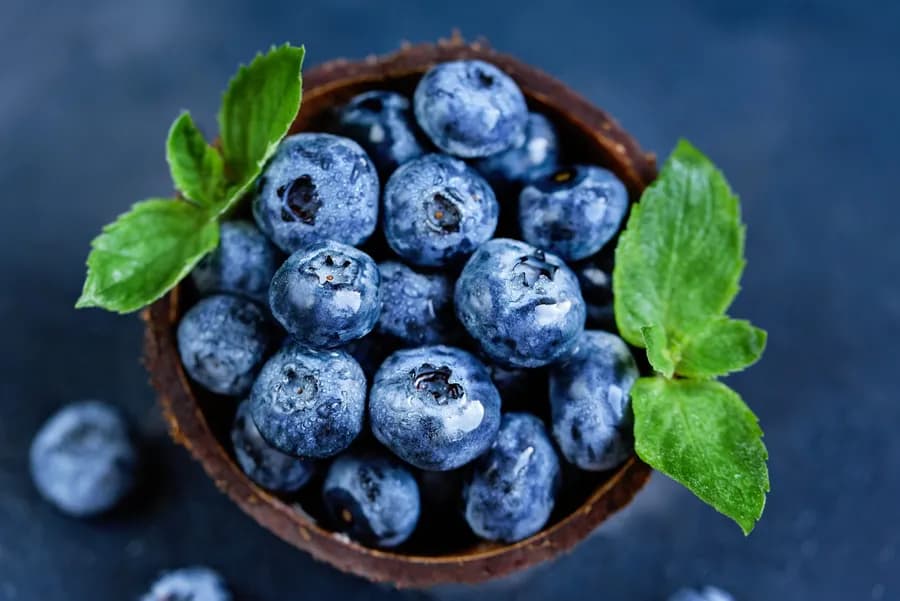
Blueberries: nutrition, benefits and easy ways to eat them
Blueberries add fibre, vitamin C and colourful plant compounds to meals. Learn what studies show, how to choose them and simple ways to eat them.

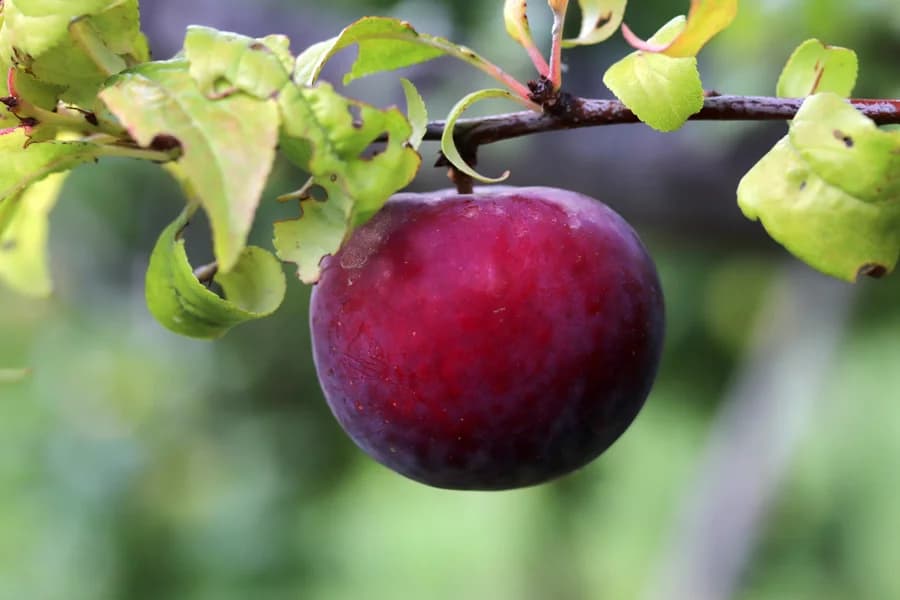
Plum Fruit Benefits: Nutrition, Digestion and Serving Ideas
Plums are smooth-skinned stone fruits, and knowing how fresh plums differ from concentrated prunes makes portions and digestive effects easier to judge.

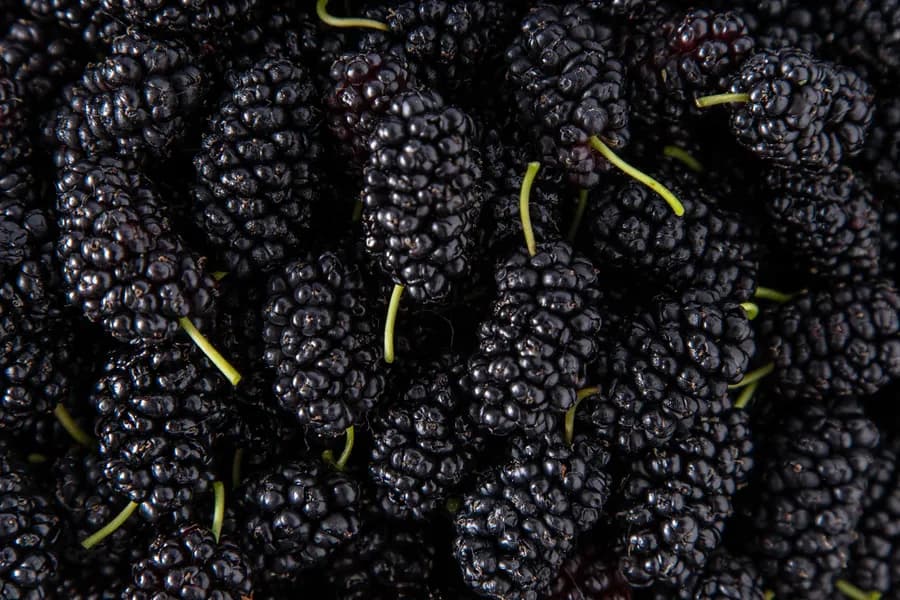
Mulberry Benefits : Nutrition, Portions and Safety
Mulberries are delicate berries eaten fresh, dried or cooked. Learn about practical uses, portions and safety.

Antioxidant Rich Foods: A Simple Guide to Eating More of Them
Antioxidants protect your cells from everyday oxidative stress caused by pollution, sun exposure, and normal metabolism. See the easiest foods to build a.