
Bran: Which Type to Use and How Much to Start With
Bran can add fibre, but the type and amount matter. Explore practical uses and the differences between wheat, oat and rice bran.
Key Takeaways
- Wheat bran mainly adds bulk for regularity.
- Oat bran brings a different, cholesterol-friendly fibre.
- Start small and drink enough fluids with bran.
- Bran can aggravate IBS in some people.
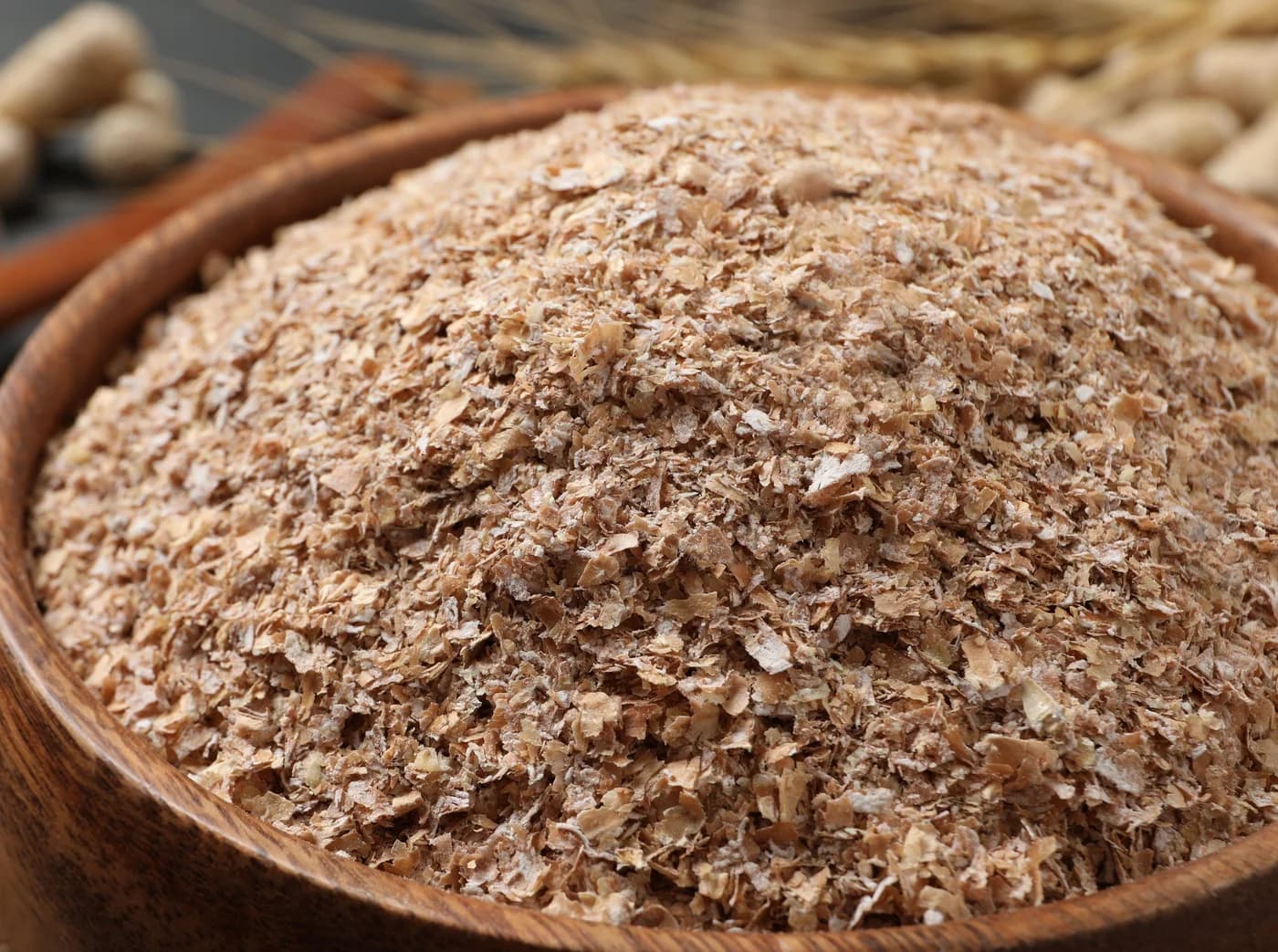
Bran is the outer layer of a cereal grain. It is familiar in whole-grain foods and is also sold separately as wheat bran, oat bran or rice bran. Although these products share a name, they do not all behave the same way in the kitchen or the gut.
A little bran can help increase fibre, particularly in a diet built mainly around refined grains. It is not a cleansing agent, and piling spoonfuls onto every meal can make digestion less comfortable. Choose a type for a purpose and introduce it gradually.
Where bran fits in a grain
A whole grain contains bran, germ and endosperm. Milling and refining can separate these parts. Whole-wheat atta retains more of the grain than refined maida, while separately sold bran is a concentrated fraction rather than the complete grain.
That distinction matters nutritionally. Adding bran to a refined product may increase fibre, but it does not necessarily recreate the original whole grain or its full balance of components.
You can also increase fibre without buying a separate ingredient. Whole grains, pulses, vegetables and fruit may be easier to include than another supplement-like routine. Bran is an option when it fits the food you enjoy.
Wheat bran is mainly useful for bulk
Wheat bran is rich in predominantly insoluble fibre. This type of fibre can add bulk to stool and help some people with constipation as part of an appropriate eating pattern.
It has a coarse texture and can make a dish feel drier. Adding a small amount to a batter or dough may work better than trying to eat a large dry spoonful. Water and the recipe’s texture need adjusting as the amount increases.
Constipation has several causes, so bran is not a guaranteed cure. Medicines, low fluid intake, an urge that is repeatedly ignored and other conditions can all contribute. Increasing fibre is one useful tool rather than the answer to every case.
Oat bran brings a different fibre mix
Oat bran provides soluble fibre, including beta-glucan. Regular intake of enough oat beta-glucan can help lower LDL cholesterol as part of a suitable diet. This is a specific benefit associated with that fibre, not a claim that every bran product lowers cholesterol equally.
Oat bran also thickens as it cooks. That makes it useful in porridge or a batter where a softer texture suits the dish. It is not identical to wheat bran, so swapping them can change both consistency and flavour.
The amount of beta-glucan depends on the product and serving. A tiny dusting should not be presented as a cholesterol treatment. More broadly, our guide on how to reduce cholesterol explains the other changes that matter.
Rice bran is separate from rice bran oil
Rice bran contains fibre and other components from the grain’s outer layers. Rice bran oil is the extracted fat and does not provide that fibre. The similar names can make these very different ingredients easy to confuse.
For eating, choose a food-grade product processed and stored for that purpose. Stabilisation is often used to slow rancidity because the natural oils in bran can deteriorate.
Do not use material sold for animal feed or an unidentified milling by-product in a household recipe. The practical issue is buying an edible ingredient suited to storage, rather than assuming every bag of bran is the same food.
Begin with the recipe, not a large dose
A small amount is a sensible starting point. For example, try a teaspoon mixed into a portion of porridge or batter and see whether the texture and your digestion remain comfortable. There is no universal daily spoonful target everyone needs to reach.
Possible uses include:
- A little oat bran cooked into porridge.
- A small amount of wheat bran in a vegetable chilla batter.
- Bran incorporated into a recipe designed for a whole-grain muffin.
- A modest addition to dough, with enough water to keep it workable.
Increase gradually only if it is useful. A food becoming harder to chew or less pleasant is not evidence that it has become healthier. You should still enjoy the meal.
Do not forget fluids
Fibre works within the context of the whole diet and fluid intake. If you add a lot of dry bran while drinking very little, you may feel more uncomfortable rather than less constipated.
Drink regularly and include moisture-rich foods as appropriate. People with prescribed fluid restrictions should use their individual plan rather than force extra water to match generic fibre advice.
A comfortable bowel movement is the goal, not the largest possible stool or the highest fibre number. If a change repeatedly causes pain, bloating or loose stools, reduce it or choose another way to include fibre.
Bran may aggravate IBS
People with irritable bowel syndrome can react differently to fibre types. Wheat bran may worsen gas, pain or bloating for some, while certain soluble fibres are better tolerated.
That means persistent discomfort is not something to push through in the name of cleansing. A different fibre source may suit you better. A low-FODMAP approach, when needed, is also a specific process rather than a reason to remove whole food groups indefinitely.
For ordinary eating, begin with the foods you tolerate. More fibre is not automatically better when the type or amount repeatedly worsens symptoms.
Gluten and allergy still matter
Wheat bran contains gluten and is unsuitable for coeliac disease. Oat bran requires a product specifically suitable for a gluten-free diet when coeliac disease is involved, because contamination with wheat or barley can occur. Individual advice about oats may also apply.
A wheat allergy is a separate reason to avoid wheat bran. Adding it to a recipe can be easy to overlook if the finished food is described only as high-fibre.
Store bran according to the packet, in a closed container away from heat and moisture. Discard a product that smells rancid or shows spoilage. A modest amount used well is more helpful than keeping a large pack long after it has deteriorated.
Editorial sources
Frequently Asked Questions
Related Articles
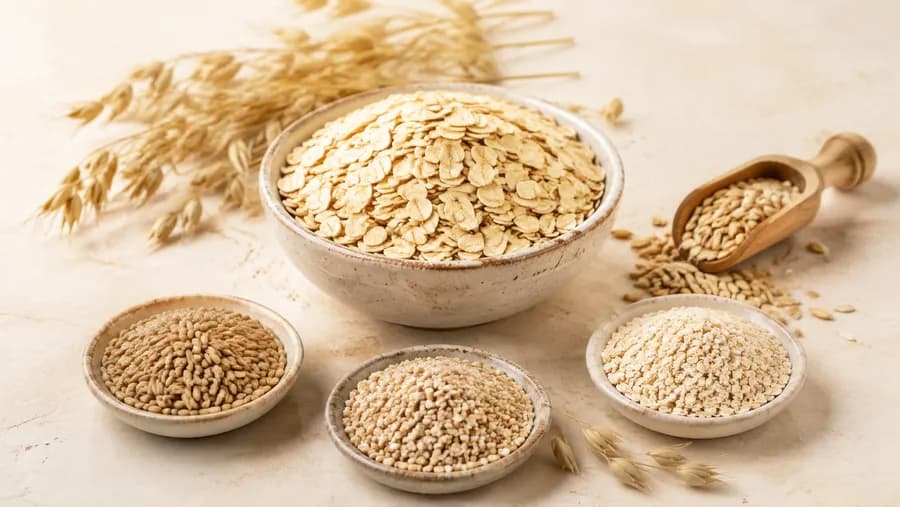
Oats Nutrition: Types, Fibre, Portions and Breakfast Ideas
Oats provide carbohydrate, soluble fibre called beta-glucan, protein and minerals. Steel-cut, rolled and instant oats differ in cooking time.

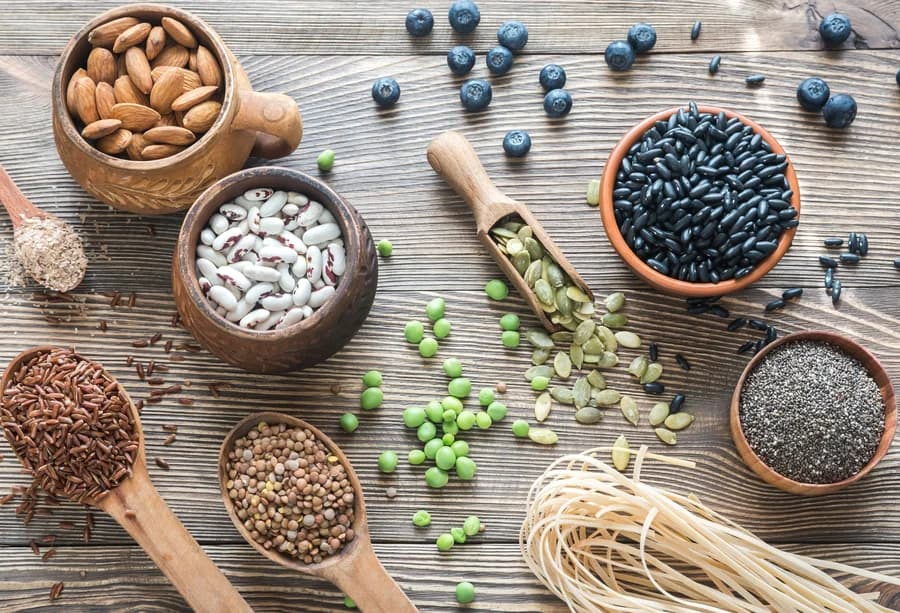
Soluble Fibre Foods: Familiar Choices for Gut and Heart Health
Build fibre into everyday meals through oats, pulses, fruit and vegetables, with a gradual approach that suits your digestion.

Rice Bran Oil: Is It Really Heart-Friendly?
Rice bran oil is mostly unsaturated fat and works well for Indian cooking, but no oil is a medicine. Here is how to use it sensibly.
Complex Carbohydrates: Starch, Fibre and Smarter Everyday Choices
What makes a carbohydrate complex, why refined starch differs from whole grains and pulses, and how to choose and portion them in Indian meals.