
Cantaloupe: A Sweet Melon With a Few Useful Kitchen Rules
Cantaloupe brings water, vitamin C and orange-flesh carotenoids. Choose a ripe fruit and handle the rind and cut pieces well for an easy seasonal snack.
Key Takeaways
- Cantaloupe is a type of muskmelon.
- A bowl of fruit beats a large glass of juice.
- Wash the rind before cutting the melon.
- Refrigerate cut melon promptly.
A chilled bowl of cantaloupe can be one of the easiest snacks in hot weather. The orange flesh is juicy, gently sweet and simple to serve. Its nutritional appeal comes from water, carotenoids and vitamin C, rather than a special ability to detoxify the body.
The less obvious part is food safety. A melon’s skin can carry germs even though you do not eat it, and a knife can transfer them to the flesh. Choosing, washing and refrigerating the fruit well matters as much as finding a ripe one.
Is cantaloupe the same as muskmelon?
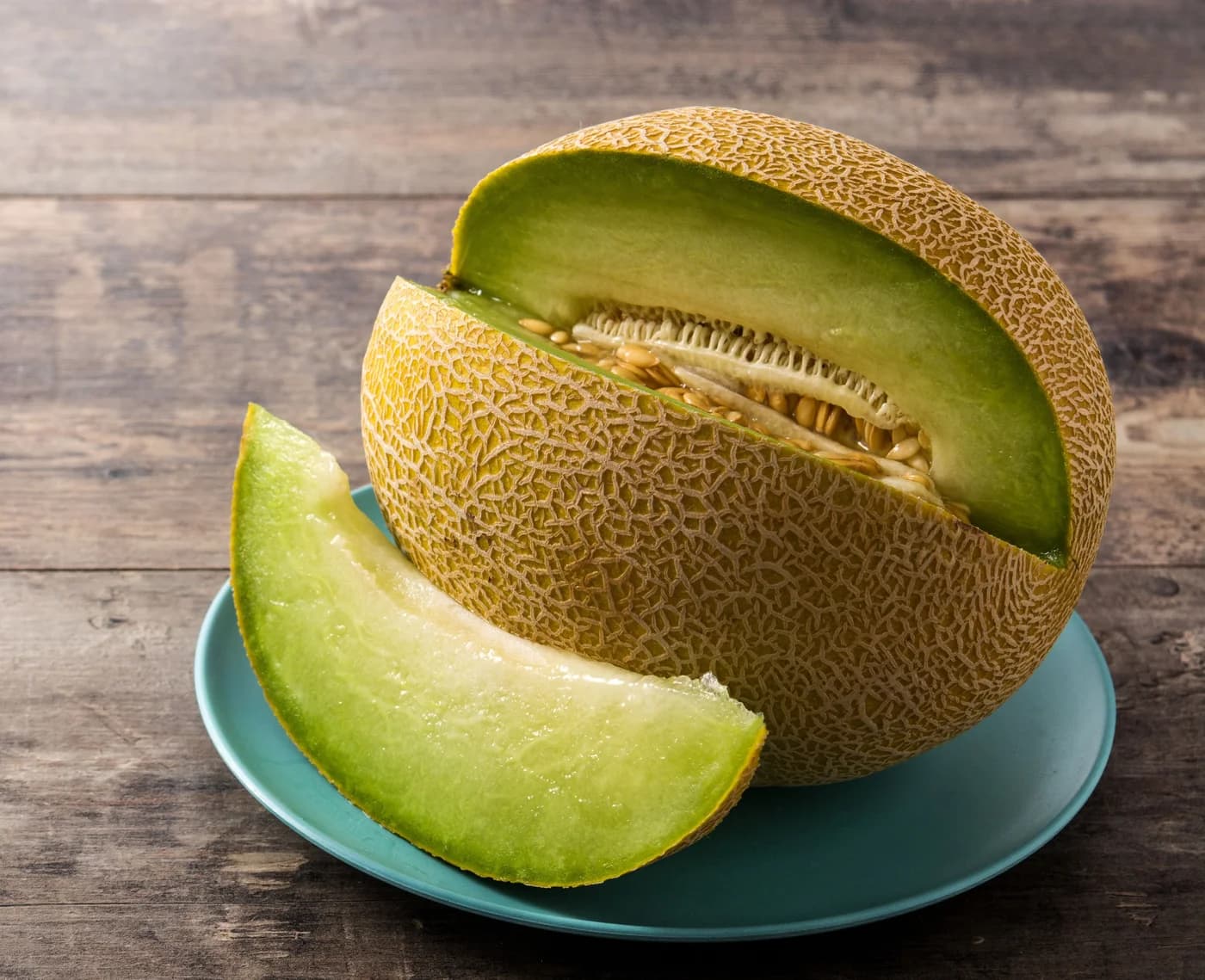
Cantaloupe belongs to the muskmelon group. In India, kharbuja is a broad everyday name used for several melons, including varieties with different flesh colours, shapes and skins.
That means every kharbuja will not look or taste exactly like the orange-fleshed cantaloupe pictured in an imported recipe. Nutrient amounts can also differ between varieties. You can still use a locally available ripe melon in many of the same ways.
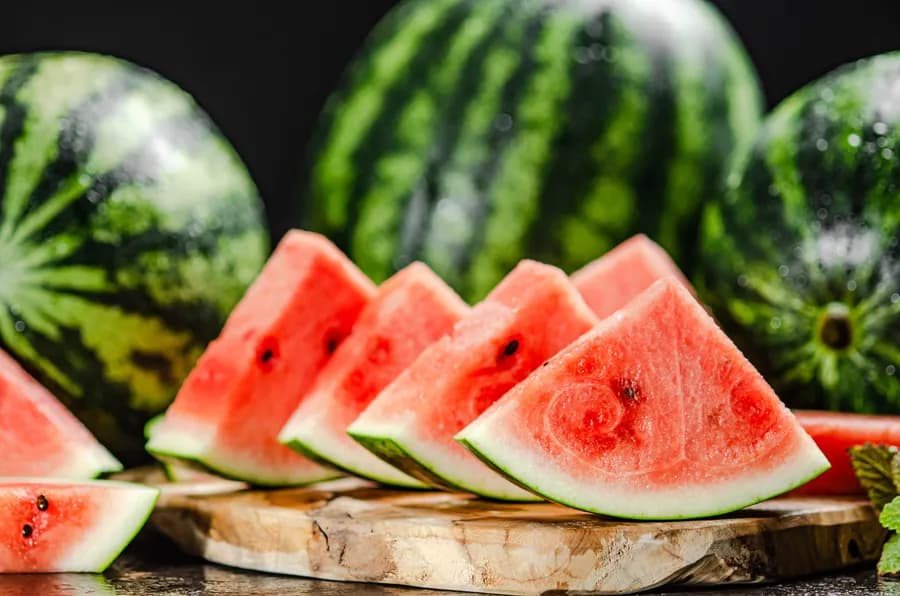
Do not confuse it with watermelon, which is a different fruit. Both can be refreshing, but their colour and composition are not identical. The useful choice is often the fresh, affordable melon available where you live.
What the orange flesh offers
Cantaloupe provides vitamin C and beta-carotene, a pigment the body can convert to vitamin A. These nutrients support normal functions including immune health and vision. Eating the fruit does not make you immune to infections or remove the need for eye care.
It also contains plenty of water and some fibre. That combination makes it a useful whole-fruit option, although it is not a particularly concentrated protein or iron source.
You do not need to eat it for every nutrient. A varied diet lets melon contribute what it does well while pulses, grains, dairy or suitable alternatives and other produce contribute the rest.
A bowl is more useful than a huge juice
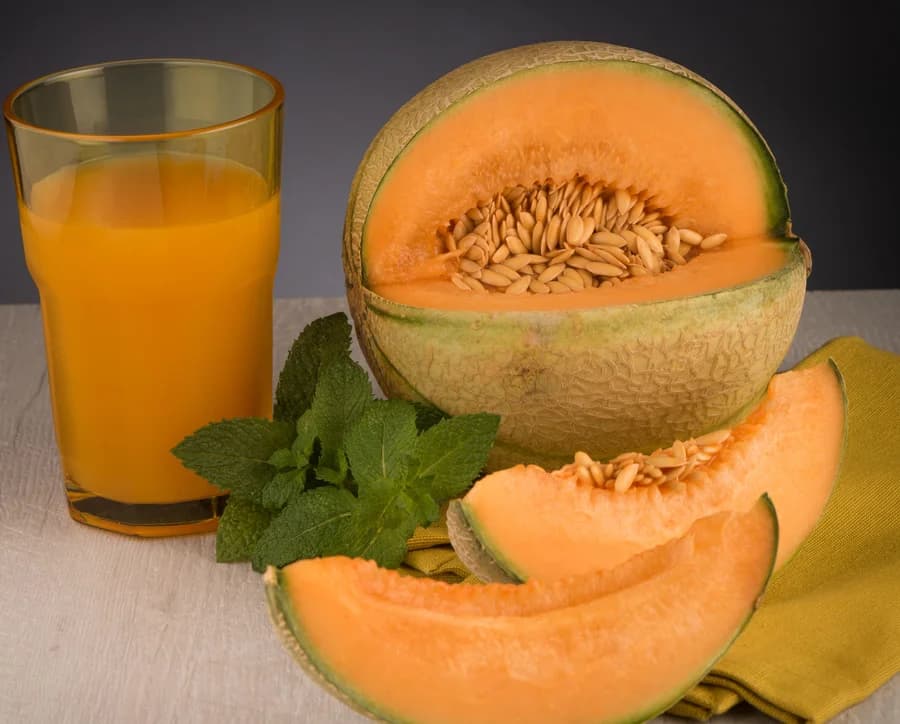
A small bowl of cut fruit is a practical starting serving. Adjust to appetite and what else you are eating rather than treating a whole melon as a compulsory portion.
Whole pieces retain the fruit’s texture and fibre. Juice is easier to drink quickly, and straining removes some solids. A large jug can contain much more fruit than you would normally sit down to eat.
If you blend it, use a sensible amount and avoid automatically adding sugar or syrup. A ripe melon is often sweet enough on its own. A homemade drink can still become a large sugar-containing portion if its size keeps growing.
Can people with diabetes eat it?
Often yes, in an appropriate portion within their plan. Cantaloupe contains carbohydrate and natural sugar, but that does not make it forbidden. The amount eaten is more useful than judging the fruit only by how sweet it tastes.
Having a bowl as part of a meal or alongside plain curd may suit some people better than drinking a large sweetened melon shake. The curd contributes protein; it does not cancel the fruit’s carbohydrate.
If you monitor glucose, use your established advice to understand portions. There is no need to replace all fruit with powders or avoid it simply because a list online calls melon high in sugar.
Choosing a ripe melon
Look for a fruit that feels sound for its size, without cracks, leakage, mould or very soft sunken areas. A pleasant aroma near the stem end can suggest ripeness in some varieties, but it is not a safety test.
Different melons change colour differently as they ripen, so use the variety’s usual appearance rather than one rule for all kharbuja. A seller familiar with the local fruit can help you choose one ready to eat.
Buy a size you can finish or refrigerate comfortably once cut. A very large bargain is less useful if half of it will spend a day on a warm counter.
Wash the outside before cutting
Wash your hands and rinse the whole melon under running water. Scrub a firm rind with a clean produce brush, then dry it with a clean towel or paper towel before cutting.
Do not use washing-up liquid, detergent or bleach on the fruit. Washing reduces surface contamination but cannot guarantee that a damaged or recalled melon is safe.
Use a clean knife and board. After cutting, remove the seeds and portion the flesh without returning ready-to-eat pieces to a dirty surface. The aim is to keep material from the skin away from the food you are about to eat.
Cut melon needs refrigeration
Once cut, melon is perishable. Refrigerate it promptly in a clean, covered container rather than leaving a serving bowl out all afternoon. In hot weather, the safe time at room temperature is shorter.
General food-safety guidance uses two hours as the maximum for perishable food at room temperature, reduced to one hour when the temperature is above 32°C. This is especially relevant to picnics, tiffins and roadside pre-cut fruit.
Choose pre-cut melon only when it has been kept chilled. If you cannot keep it cold during a long journey, carrying a whole fruit that can be prepared later may be a better option.
Easy ways to serve it
Cantaloupe does not need a complicated recipe. Chill it, cut a manageable portion and use the flavour where it is welcome.
You could try:
- Cubes with plain curd and a few chopped nuts.
- A fruit bowl with another seasonal fruit for variety.
- A small salad with cucumber, mint and a squeeze of lemon.
- Frozen pieces blended into a thick, unsweetened fruit preparation for immediate serving.
There is no general rule that melon must be eaten alone or cannot be combined with milk or other fruit. Choose combinations you enjoy and tolerate, and handle all ingredients safely.
Keep the seasonal habit simple
Melon can help you include whole fruit without much cooking or cost when it is in season. It does not need to be imported, organic or described as a superfood to be worthwhile.
Choose a sound fruit, wash its rind and keep cut pieces cold. Those three practical steps let you enjoy the sweetness while making the fruit easy to fit into an ordinary day.
Editorial sources
Frequently Asked Questions
Related Articles
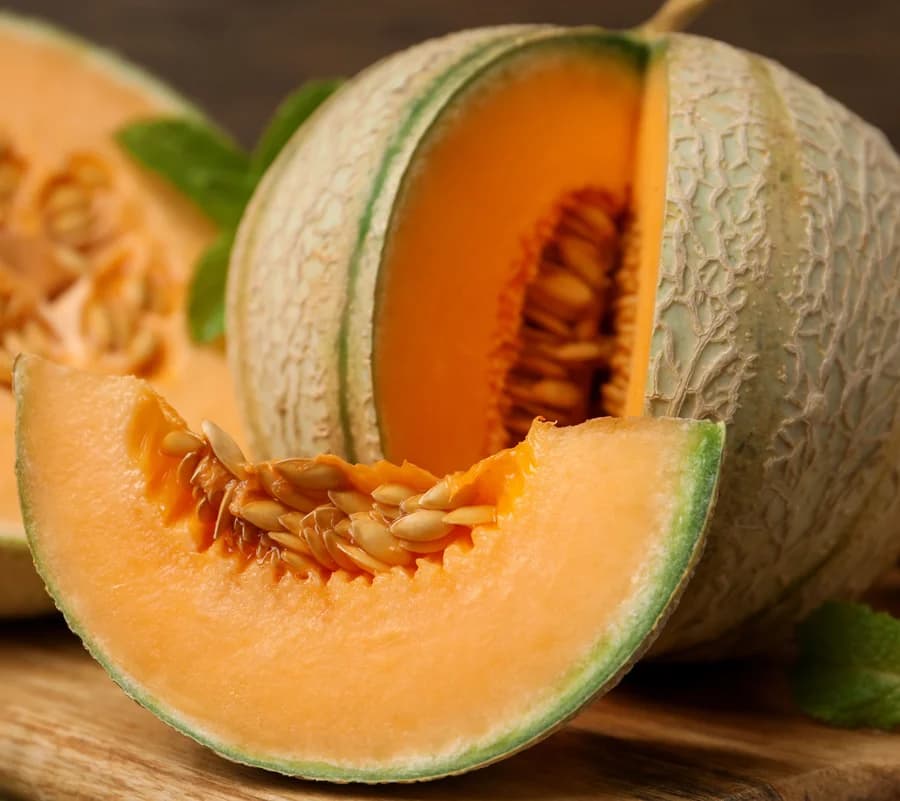
Muskmelon: Nutrition, Portions and Safe Storage
Muskmelon nutrition, sensible portions, diabetes tips and how to wash, cut and store this summer fruit safely at home.

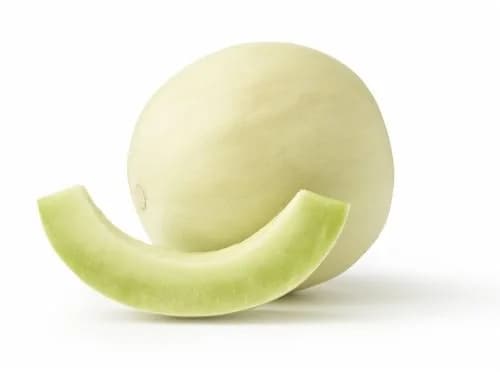
Honeydew Melon: A Fresh Way to Add Fruit to Your Day
Honeydew offers a refreshing fruit serving. Learn what it contributes and the simple handling steps that matter once you cut it.
Watermelon Benefits: Nutrition, Portions and Safety
Watermelon is mostly water, making it refreshing and relatively low in calories by weight, but large bowls or juice still add up in carbohydrate.

Watermelon Seed Benefits: Nutrition and Portions
Dried watermelon seeds provide protein, unsaturated fat, magnesium and other minerals in a compact serving.