
Coconut Milk Benefits: Rich Flavour, Useful Uses and Portion Sense
Coconut milk adds richness to familiar dishes. Choose the right form and portion without assuming it replaces dairy protein or acts as a health remedy.

Key Takeaways
- Coconut milk comes from the flesh, not the water.
- Cooking milk and carton drinks do different jobs.
- Saturated fat is its main nutritional limit.
- Dairy-free does not mean suitable for everyone.
Coconut milk gives a vegetable stew, curry or payasam its creamy texture and familiar flavour. It can also be sold as a much thinner drink in a carton. These products share a name, but they are not nutritionally interchangeable. The main benefit of cooking coconut milk is what it does in a recipe; it is not a high-protein replacement for dairy milk or a special fat-loss food.
It comes from the flesh, not the water inside
Coconut milk is made by combining coconut flesh with water and extracting the liquid. Thicker preparations contain more coconut material, while thinner ones are more diluted.
Coconut water is the naturally occurring liquid inside the coconut. It has a different composition and culinary role. Pouring coconut water into a curry will not reproduce the richness of coconut milk.
Coconut cream is generally richer again. Cream of coconut used in some desserts and drinks may also be sweetened, so the names can conceal an important recipe difference. Establish which product you have before deciding how much to use.
Cooking milk and carton drinks do different jobs
A rich canned or homemade coconut milk is designed to contribute body and fat to food. A carton beverage may contain much more water and be intended for drinking, cereal or smoothies.
Some beverages have added calcium or vitamins; others do not. They usually contain little protein compared with dairy milk or many soya drinks.
Choose for the purpose. A diluted beverage may not give a stew the texture you want, and a cup of thick cooking coconut milk is not equivalent to a light plant drink. You do not need to compare every ingredient, but the product category is worth getting right.
Its clear advantage is culinary
Coconut milk can soften the heat of a spicy preparation and bring a mild sweetness without necessarily adding sugar. It works in vegetable stew, dal-based dishes and sauces where you want that flavour.
Use the richness to carry vegetables and a substantial protein ingredient, such as beans or tofu. A creamy gravy alone does not make a meal complete.
For example, a vegetable-and-chickpea curry with a modest amount of coconut milk can be served with a suitable portion of rice. The chickpeas and vegetables provide much of the substance, while the coconut milk makes the sauce enjoyable. The whole dish matters more than giving one ingredient all the credit.
Saturated fat is the main nutritional limit
Coconut fat is relatively high in saturated fat. A plant origin does not make it equivalent to an oil rich in unsaturated fat.
That does not require removing coconut dishes from the diet. The useful questions are how rich the preparation is, how much you eat and how often similar foods appear.
If you are managing LDL cholesterol, keep the overall saturated-fat pattern in view. A coconut-based curry, several rich dairy foods and fried bakery snacks can add up across a day. Adding a healthy garnish does not cancel the fat already in the meal. Use the ingredient deliberately rather than assuming natural means unrestricted.
Make a lighter sauce without losing the dish
Use a smaller amount of thicker coconut milk and add suitable water, stock or another part of the recipe for volume. Vegetables, pulses and careful seasoning can keep the dish satisfying.
For recipes using thin and thick extractions, follow the method rather than adding the richest milk from the beginning. Some dishes benefit from a small richer finish after the main cooking.
Taste before adding more. You may need salt, acidity or spice balance rather than another generous pour of coconut milk. A lighter version is useful when you still enjoy eating it, not when it feels like a completely different dish you do not want to make again.
It is not the same as whole coconut
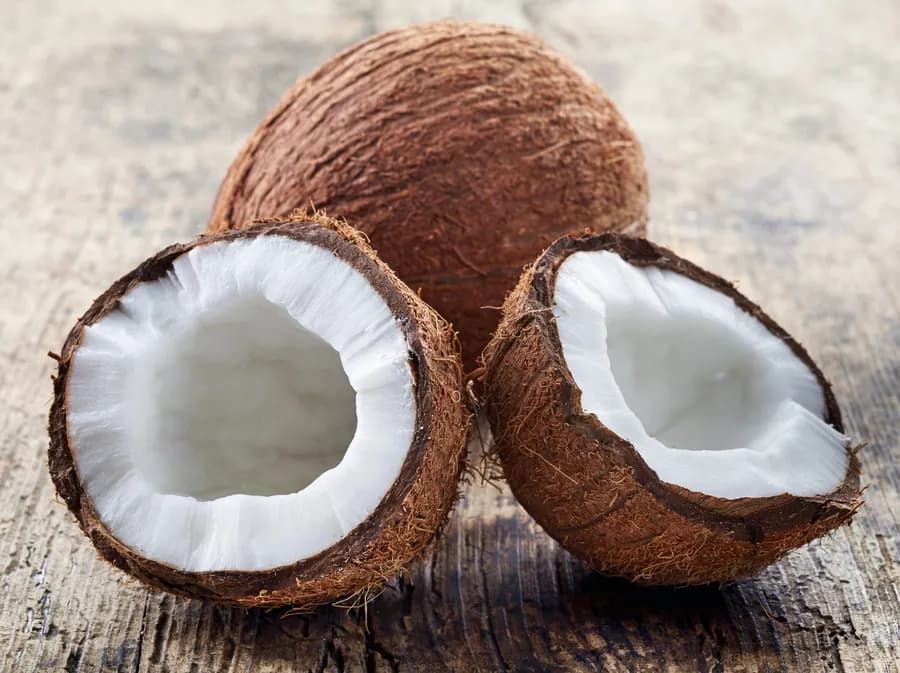
Extracting the liquid changes what remains in the food. Coconut milk does not supply the same fibre and texture as eating the flesh or using grated coconut in a dish.
Likewise, it should not be treated as a substantial protein food simply because it is called milk. If it replaces dairy throughout the day, identify where protein, calcium and vitamin B12 will come from instead.
There is no need to make one replacement do every job. You might use coconut milk for a curry and a different food or fortified drink for other nutrients. Matching the ingredient to the task is more practical than expecting nutritional equivalence from the name.
What about diabetes and weight management?
Plain coconut milk is different from a sweetened drink or dessert. Sugar, jaggery, rice, noodles and other ingredients determine much of the carbohydrate in the finished recipe.
For diabetes, consider that complete serving rather than assuming either that all coconut dishes are unsuitable or that coconut's fat makes the carbohydrate irrelevant. A sweetened coconut drink needs a different decision from a small amount used in a vegetable dish.
For weight management, rich coconut milk contributes concentrated energy. Use an amount that fits the meal rather than drinking it for a metabolism claim. It can still fit comfortably when the portion and rest of the food suit your needs.
Dairy-free does not mean suitable for everyone
Plain coconut milk contains no lactose, which can make it useful in some recipes for people avoiding dairy. It does not make every packaged coconut dessert free of milk ingredients.
Allergy is another question. Coconut can cause reactions in some people, and a prepared product may contain other allergens. Use the relevant allergy plan when that applies.
For babies, coconut beverages are not replacements for breast milk or infant formula. For young children who avoid dairy, the overall replacement needs appropriate nutrition, especially protein and energy. A drink that works in an adult's recipe is not automatically a suitable main milk for a child.
Store opened milk promptly
Refrigerate homemade coconut milk and opened products according to their directions. Do not leave a perishable curry warm for hours and assume the spices keep it safe.
Freeze suitable leftover portions if the product permits and you will not use them promptly. Separation after chilling or thawing can be a texture issue, but spoilage or prolonged warm storage is a different concern.
Keep coconut milk for dishes where you value its flavour. A modest amount can do a useful job without needing claims about cleansing, hormone balance or rapid weight loss. That is a sensible place for a rich traditional ingredient in everyday cooking.
Editorial sources
Frequently Asked Questions
Related Articles

Coconut Oil Benefits: Cooking Uses and Heart Health
Coconut oil is predominantly saturated fat. Virgin and refined products differ in flavour and processing, but both remain rich in saturated fat.

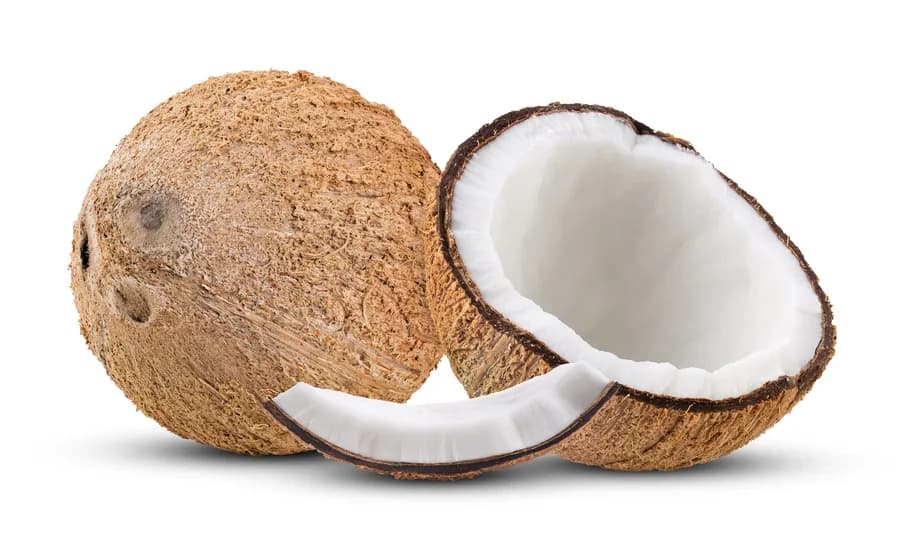
Coconut: Nutrition Facts, Uses and Safety
Coconut is used in many forms, including fresh flesh, dried flakes, milk, water and oil.

Coconut Nutrition: Benefits, Uses and Safety
Coconut can add variety, flavour and useful nutrients to a vegetarian eating pattern. Its exact nutrition depends on the form, serving and preparation.
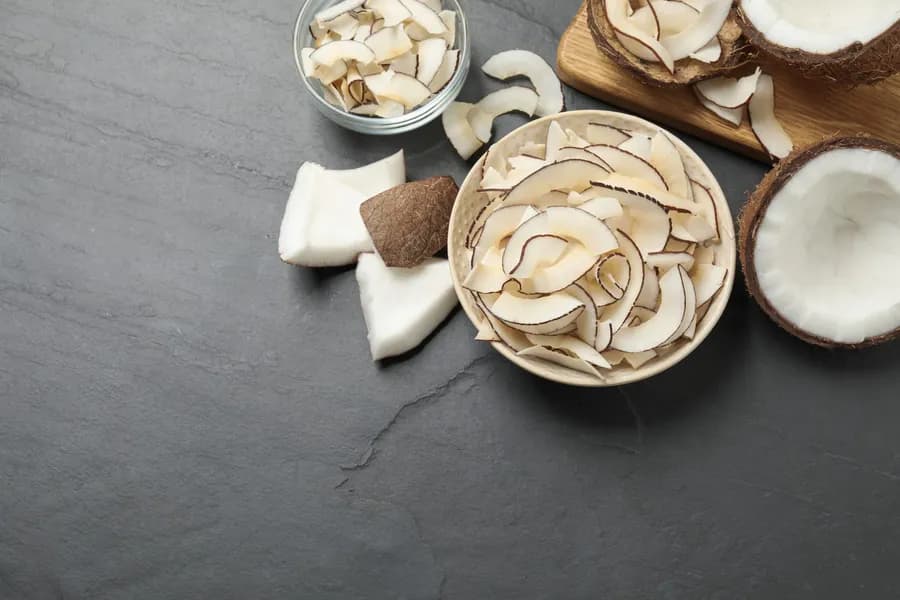
Dried Coconut Benefits: Nutrition, Fibre, and How to Use It
Dried coconut, or copra, is a denser, more calorie-rich food than fresh coconut once the water is removed — a completely different ingredient from.