
Cordyceps Supplements: Evidence, Uses and Safety
Cordyceps is sold for stamina and immunity, but human evidence is limited. Which species you are buying, side effects and interactions.
Key Takeaways
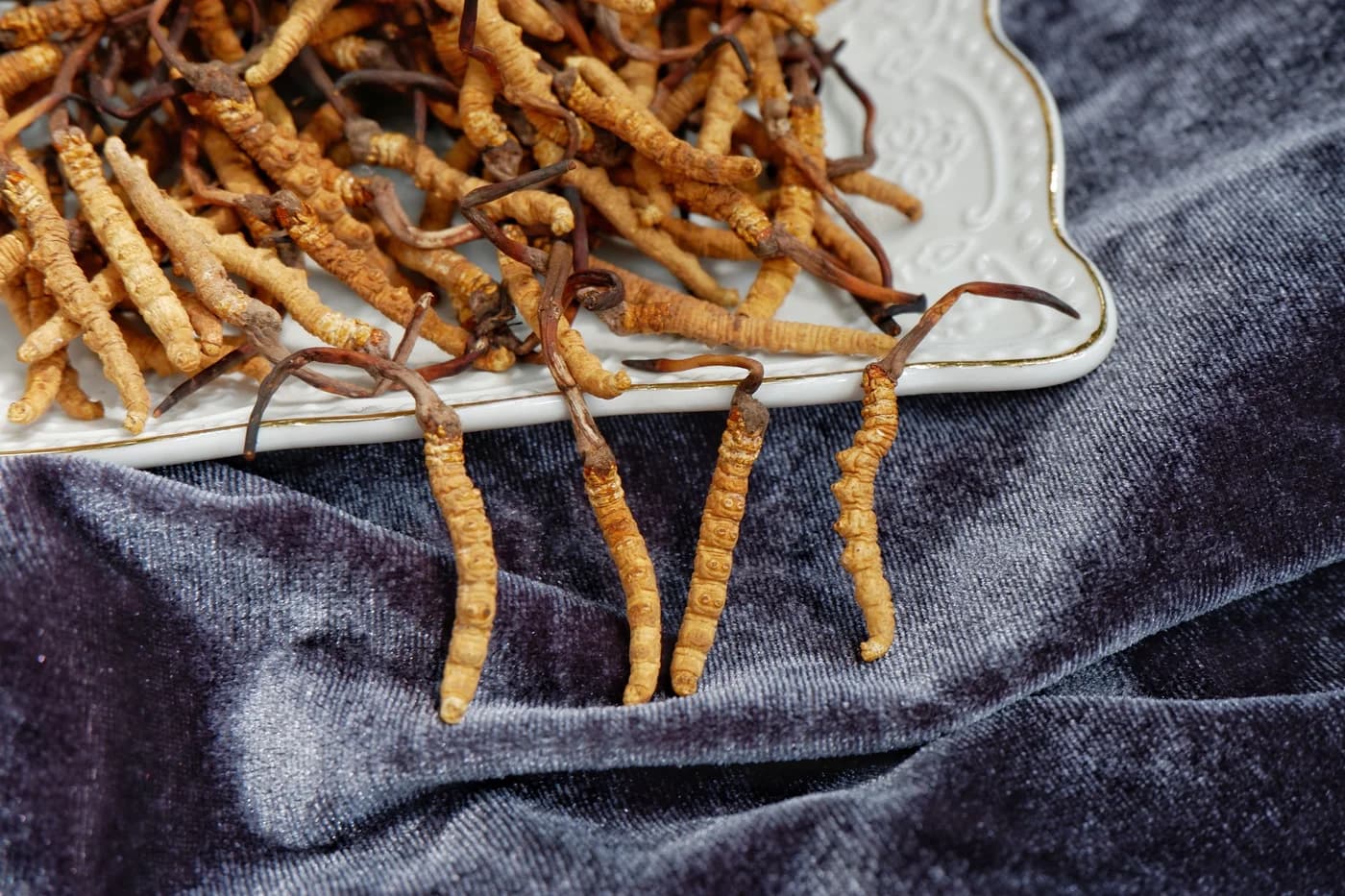
- Most products use cultivated Cordyceps militaris or mycelium, not wild sinensis.
- Small trials do not confirm reliable energy, stamina or immunity benefits.
- Check species, fruiting body vs mycelium, dose and independent testing.
- Use caution with blood thinners, diabetes medicines and immunosuppressants.
- Persistent fatigue needs a medical check, not a mushroom capsule.
Cordyceps is the name of a group of parasitic fungi used in traditional practices and modern supplements. Most commercial products contain cultivated Cordyceps militaris or fungal mycelium rather than wild Ophiocordyceps sinensis. Claims range from better stamina to stronger immunity, yet human evidence remains limited and product composition varies. It is a supplement to evaluate cautiously, not a proven treatment for fatigue or disease.
What does research show?
Why does the species matter?
Wild Ophiocordyceps sinensis is scarce and expensive, so supplements often use cultivated Cordyceps militaris or mycelium grown on grain. These materials contain different amounts of cordycepin and other compounds. A study on one preparation cannot automatically support every capsule labelled "cordyceps".
Can it improve exercise?
A few small trials report changes in oxygen use or exercise measures, while others find little benefit. Participants, doses and products differ, and the findings do not establish a reliable performance effect. Sleep, iron status, training load, energy intake and recovery should be checked before a mushroom supplement is used to explain persistent fatigue.
Does it strengthen immunity?
Laboratory research shows that cordyceps compounds can influence immune pathways, but "immune boosting" is an imprecise and potentially misleading promise. Stimulating or suppressing immune activity is not automatically helpful. Human trials have not shown that ordinary supplements prevent common infections or replace vaccination and medical care.
Which product are you buying?
What should the label reveal?
Look for the exact species, whether it is fruiting body or mycelium, the extraction method, the amount per serving and independent testing. Mycelium grown on grain may contain substantial starch, so beta-glucan information is more useful than vague "polysaccharide" claims. Avoid products that rely on wild-harvest stories without credible verification.
What side effects are possible?
Reported problems include nausea, diarrhoea, dry mouth and allergic symptoms. Long-term safety data are limited. Starting several adaptogens, such as ashwagandha or shilajit, at the same time makes reactions difficult to trace. Stop the product if symptoms appear, and seek urgent help for swelling, breathing difficulty, fainting or severe vomiting.
Can it interact with treatment?
Cordyceps may theoretically affect blood clotting, blood glucose or immune activity. That creates concern with anticoagulants, diabetes medicines, immunosuppressants and treatment around surgery. Evidence is incomplete, so uncertainty should lead to disclosure and caution rather than confident claims that no interaction exists.
Who should avoid cordyceps?
Who should not self-prescribe?
Pregnant or breastfeeding people, children, transplant recipients and those with autoimmune, bleeding, liver or kidney conditions should avoid unsupervised use. Anyone being investigated for persistent tiredness should address possible anaemia, thyroid disease, sleep problems, infection or under-fuelling instead of masking the symptom.
How can you judge a trial?
Define one goal, choose a tested single-ingredient product and set a short review date. Keep training, caffeine and sleep reasonably stable. If no meaningful improvement occurs, stop rather than increasing the dose indefinitely. A supplement that cannot demonstrate a noticeable benefit does not earn a permanent place in the routine.
A practical next step
Cordyceps is interesting, but "traditional", "natural" and "rare" are not substitutes for clinical evidence. The most useful questions are simple: which species is present, what amount was studied, has the batch been tested and what problem are you trying to solve? If the seller cannot answer those questions clearly, leaving the product on the shelf is a reasonable health decision.
Editorial sources
Frequently Asked Questions
Related Articles
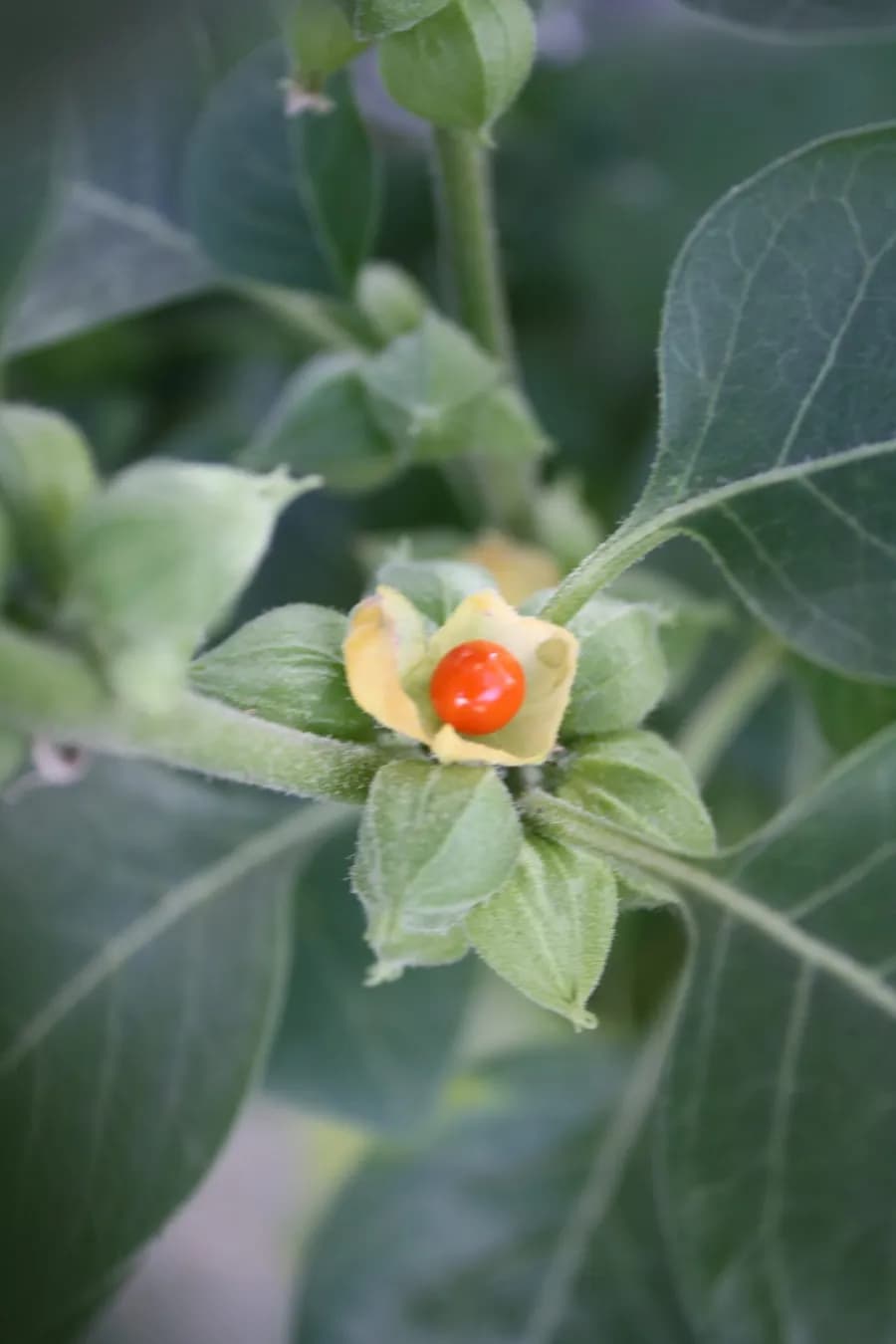
Ashwagandha Powder : Benefits, Uses and Safety
Ashwagandha, or Withania somnifera, is an herb used in Ayurveda and sold as dried root powder, capsules and concentrated extracts. It is promoted for…

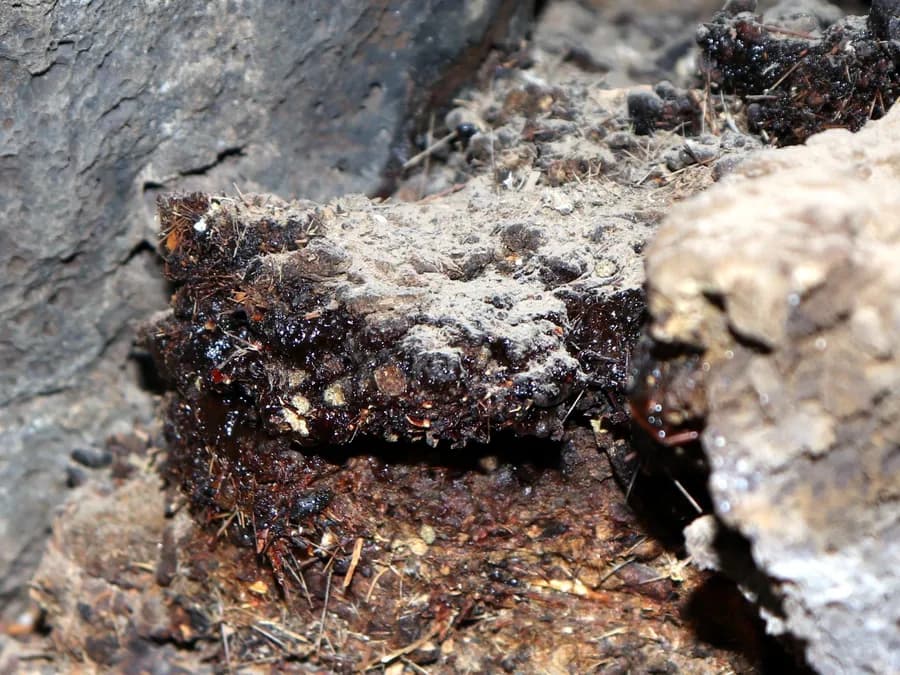
Shilajit: Benefits, Uses & Ayurvedic Properties
Shilajit is Ayurveda’s most potent mineral rasayana — a Himalayan exudate rich in fulvic acid and 84+ minerals that boosts energy, cognition.

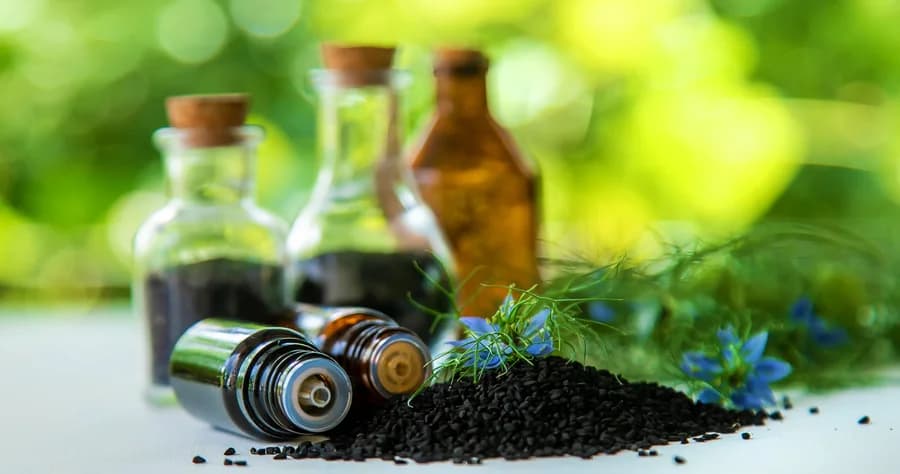
Black Seed Oil: Evidence, Side Effects and Safe Use
Black seed (kalonji) oil is sold as capsules and liquid. What the evidence shows, how to use it safely and which medicines may interact.

Creatine: Benefits, Uses, Dosage Basics and Safety
Creatine is made in the body and stored mainly in muscle, where it helps supply quick energy during short, intense activity.
