
Does Rice Increase Weight? Look at the Meal Before Cutting It Out
Rice can fit different weight goals. Look at portions, protein, vegetables and the full day's eating before cutting it out.
Key Takeaways
- Rice does not automatically cause weight gain.
- Portion and the rest of the meal matter more than rice itself.
- Dal chawal with vegetables can fit a fat-loss plan.
- Brown rice is optional, not essential.
Rice does not automatically cause weight gain. It supplies energy, and the effect on weight depends on how much you eat over time compared with what your body uses. A bowl of dal chawal can fit into a fat-loss plan. It can also be part of a weight-gain plan in a larger, more substantial meal. The rice is the same; the portion and the rest of the day differ.
Why rice gets blamed
Rice is familiar, easy to serve generously and often eaten daily. That makes it a visible suspect when weight changes. But the meal may also include extra oil, fried sides, sweets or a sugary drink. A person who stops rice may reduce several of these at once and attribute the entire result to avoiding the grain.
The same issue applies to switching to roti. One small roti and a large bowl of rice are not equal portions, so a comparison can be misleading. If the roti meal contains less food overall, the change may reduce energy intake. That does not prove wheat has a special fat-loss property or rice causes fat storage.
Short-term changes on the scale also include fluid, not just fat. Changing carbohydrate intake can alter stored fuel and its associated water. A quick drop after removing rice is therefore not a precise measure of fat lost. Judge a sustainable pattern over time rather than the first few days.
Consider two rice lunches
One lunch contains rice, a substantial bowl of dal, sabzi and curd. Another contains a much larger serving of rice, a little gravy, fried papad and a sweet drink. Both are called rice meals, but they differ in protein, vegetables, energy and how satisfying they may feel.
The first may keep you comfortably full, while the second could leave you looking for more food later despite its size. This is not a guarantee about every person's appetite. It illustrates why improving the plate is more useful than judging the grain alone.
If your meal is mostly rice, add a meaningful protein food rather than merely shrinking the rice and tolerating hunger. Dal, rajma, chana, tofu, eggs, fish or curd can contribute. Include vegetables and adjust the grain amount so the full meal is comfortable. Our balanced diet ideas offer more examples.
How much is a reasonable serving?
There is no universal bowl size or gram target for everyone. A small katori of cooked rice can be a practical starting portion with other foods, but needs vary with appetite, activity and the rest of the day. A physically active person may want more than someone with a smaller appetite or lower energy needs.
Use the same serving bowl occasionally to understand your usual amount. You do not have to weigh every meal. Notice whether second helpings reflect hunger or simply rice still being available. If you enjoy both roti and rice, smaller servings of each may be more comfortable than full portions of both.
Cooked and uncooked weights are different because rice absorbs water. A nutrition figure for dry rice cannot be applied directly to the same weight of cooked rice. This is one reason calorie comparisons online can look contradictory. Compare like with like if you choose to use those figures.
Is brown rice necessary?
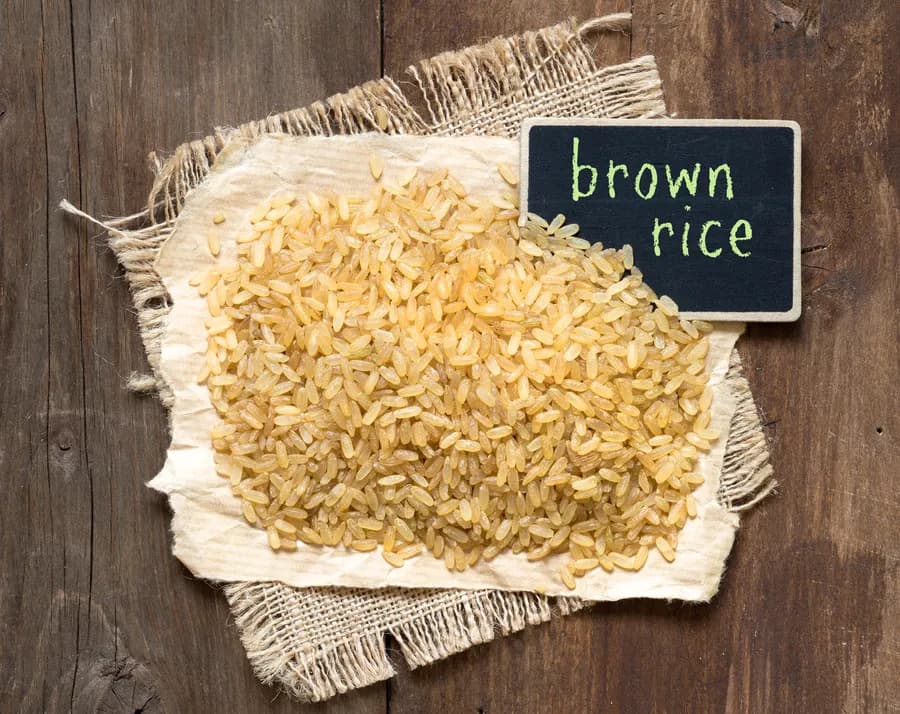
Brown rice retains more of the grain and usually offers more fibre than polished white rice. That can be useful, but it does not make portions irrelevant or guarantee weight loss. White rice can still fit, especially when the meal contains pulses and vegetables.
Choose a texture you enjoy and a method you can cook reliably. You can rotate grains or mix types if you like, but there is no need to force brown rice into every meal. A familiar white-rice meal improved with vegetables and protein may be more sustainable than a small bowl of a grain you dislike.
Millets and other whole grains add variety too. They are not unlimited foods or automatic solutions for diabetes. The useful change is broader food quality and a portion suited to the meal, rather than replacing one halo with another.
What about dinner and blood sugar?
Rice eaten at night does not automatically turn into fat. Total intake, portions and habits matter more than a blanket clock rule. A very large late meal may affect comfort and sleep, but the same applies to other substantial foods. Choose a dinner that leaves you satisfied without feeling overfull.
People with diabetes can often include rice, with the amount and timing fitted to their plan. Pairing it with protein and vegetables improves the meal's nutritional balance, though it does not remove the carbohydrate. Glucose readings may help identify how a particular portion works for you.
If you take insulin or medicines that can cause low glucose, major food changes may require treatment advice. Do not abruptly remove a regular carbohydrate serving while assuming the medicine plan will automatically fit. That is a specific reason to tailor the change rather than copy someone else's diet.
Preparation changes the comparison
Plain rice, vegetable pulao and a rich biryani are different dishes. Oil, ghee, nuts and other additions contribute energy. That does not make celebratory dishes forbidden; it means they should not be compared as if each bowl were plain steamed rice.
Washing rice removes surface starch and debris but does not make it calorie free. Cooling cooked rice can change a little of its starch, yet it does not cancel the portion. More importantly, cool leftovers promptly, refrigerate them and reheat thoroughly. Leaving rice warm for hours creates a food-safety issue that a later reheat may not solve.
Change one part of the meal
If you want to manage weight, begin with the rice lunch you repeat most often. Keep a comfortable grain serving, make the dal or other protein substantial and add a vegetable you enjoy. Look at routine drinks and snacks too. A lunch change cannot explain the whole day's intake.
Follow the pattern for a while and notice hunger, energy and the longer weight trend if tracking suits you. Adjust gradually. You can keep rice in your kitchen while changing portions and habits; a plan does not need a staple-food ban to be effective.
Editorial sources
Frequently Asked Questions
Related Articles
White Rice: Nutrition, Portions and Everyday Meals
White rice can fit a healthy diet. How much to serve, what to pair it with, rice and diabetes or weight loss, and how to store leftovers safely.

Brown Rice Benefits, Nutrition, Portions and Safety
Brown rice retains the bran and germ removed from white rice, so it generally provides more fibre, magnesium and a firmer texture.
Rice vs Roti for Weight Loss: What the Science Actually Says
Neither rice nor roti is inherently fattening or slimming — portion size, what you pair it with, and how it’s cooked matter far more than the grain.

Fat Loss Diet Plan: A Simple, Sustainable Guide to Eating Well
A good fat loss diet plan isn’t about eating less of everything — it’s about eating the right things consistently. See a simple, no-gimmicks breakdown of.