
Flaxseed Oil: Benefits, Uses and Safety
Flaxseed oil supplies ALA, a plant omega-3 fat, but no fibre. Learn how to use it cold, store it well and who should be careful.
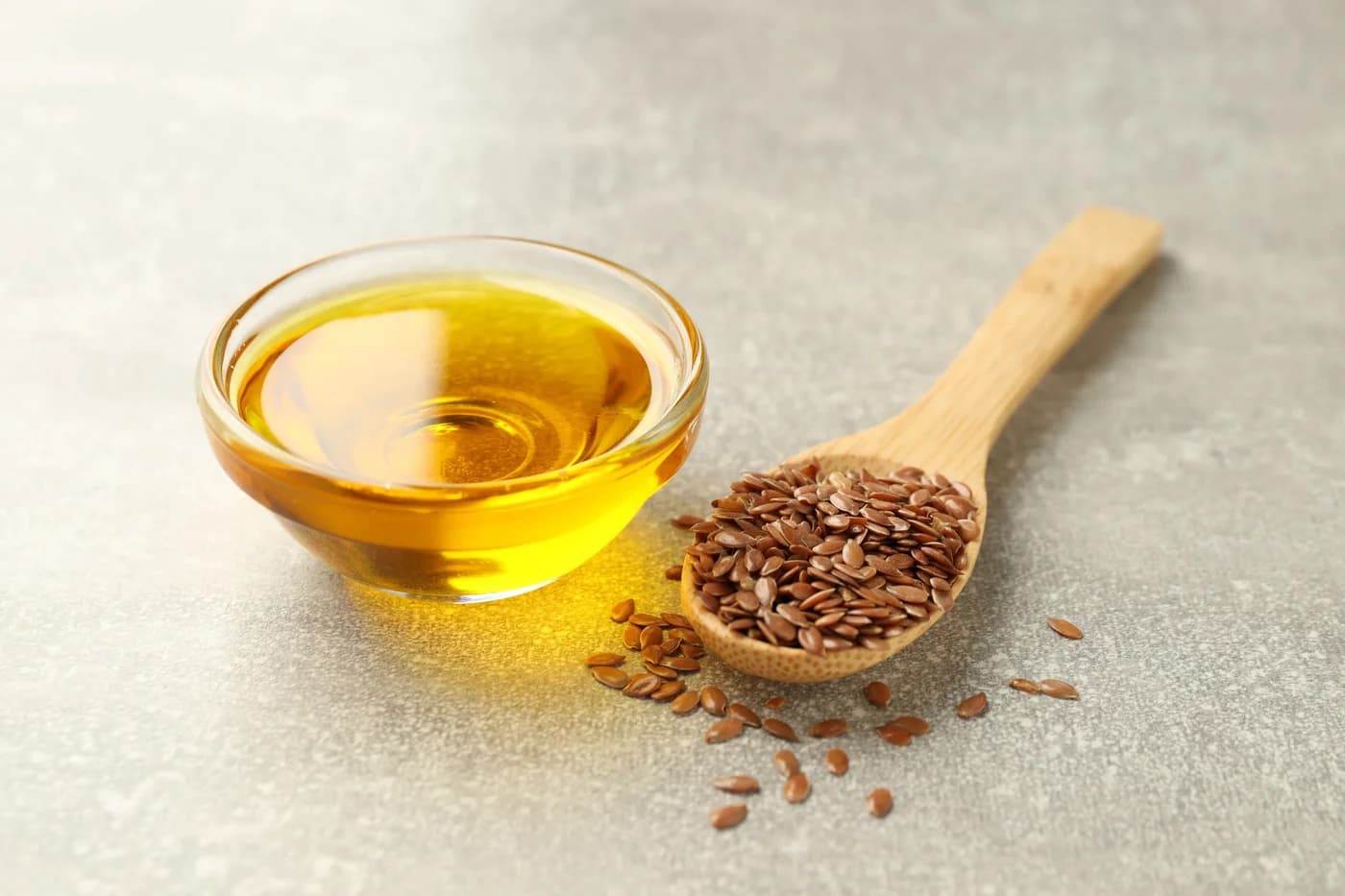
Key Takeaways
- Flaxseed oil supplies ALA omega-3 fat but none of the fibre in ground flaxseed.
- Use it cold or stir it in after cooking; it is not an oil for frying.
- Refrigerate after opening and discard oil that smells bitter or paint-like.
- Benefit comes from replacing saturated fats, not from adding extra spoons.
- Ask a doctor first if you take blood thinners or have surgery coming up.
Flaxseed oil is pressed from flaxseeds and is best known for alpha-linolenic acid (ALA), a plant omega-3 fat. It can add variety to a vegetarian diet, but it does not provide the fibre or lignans found in whole or ground flaxseeds. It is also sensitive to heat, light and air, so buying and storing it well matters as much as the amount you use.
Oil is not the same as ground flaxseed
- It offers ALA, a plant omega-3 fat.
- Ground flaxseed gives you fibre as well.
- Use the oil cold or add it after cooking.
- Keep the bottle refrigerated after opening.
For the seed itself, see our guide to flaxseed benefits.
What does the oil offer?
ALA is an essential fat, which means the body cannot make it on its own. The body can convert a small amount of ALA into the longer-chain omega-3 fats (EPA and DHA) found in algae and fish, but that conversion is limited. Flaxseed oil can therefore contribute to omega-3 intake without being equal to every other omega-3 source. Our list of vegan omega-3 sources shows other plant options.
The useful question is what the oil replaces. Using a little in place of butter, ghee or another fat high in saturated fat may improve the overall mix of fats in a meal. Simply adding it to an already adequate diet only adds more energy.
Whole and ground flaxseeds are different. They bring fibre, some protein and plant compounds along with fat. If constipation, fullness or meal quality is the goal, ground seeds are usually the more practical choice. Oil is useful when you specifically want the fat without the texture of seeds.
How can you use it?
Flaxseed oil has a mild, slightly nutty taste. Stir a small amount into curd, chutney or a salad dressing, or drizzle it over cooked dal, soup or vegetables after turning off the heat. It also works in a cold dip with lemon, herbs and curd.
Do not use it as your main oil for deep-frying or repeated high-heat cooking. Families do not need to replace every cooking oil with it: keep flaxseed oil as a finishing oil and use suitable oils for normal cooking. This protects the oil from heat and prevents waste.
There is no compulsory daily spoon. Start with a teaspoon in a meal and see whether you enjoy it. Because oil is energy-dense, more is not automatically better. If you dislike the taste, ground flaxseed, chia seeds and walnuts also contribute ALA.
Buying and storing it
- Choose a fresh bottle, preferably in dark packaging, labelled as edible flaxseed oil. Linseed oil sold for wood finishing is not food.
- Check the use-by date and storage directions, and keep the oil in its original bottle.
- Once opened, close it tightly and refrigerate it.
- A sharp, bitter or paint-like smell can mean the oil has gone rancid; discard it.
Capsules
Flaxseed oil is also sold in capsules. A capsule may be convenient, but it is still a concentrated source of oil and the dose varies by product. Compare the amount of ALA, not only the total capsule weight, and check whether another supplement you take already contains omega-3 fats.
When should you be careful?
A large amount may cause loose motions or stomach discomfort. Anyone taking blood-thinning medicines, preparing for surgery, or using medicines for blood sugar or blood pressure should ask a clinician before taking concentrated amounts.
Flaxseed oil is not a treatment for high cholesterol, arthritis or another medical condition. For heart health it works best as one small part of a wider pattern: more vegetables and pulses, regular movement, no tobacco and appropriate treatment for blood pressure, diabetes or cholesterol. Continue prescribed care, and agree a realistic review period with your clinician rather than changing several products at once.
It also will not fix dry skin or hair on its own. Dryness can come from weather, harsh products, thyroid problems or skin conditions, so persistent symptoms need proper assessment.
A simple way to try it
A two-week trial can tell you whether the oil fits your kitchen, not whether it has cured anything. Use the same small amount in a few familiar meals, watch for digestive discomfort and decide whether the taste, cost and storage effort are worthwhile. For more on choosing fats, read good fats vs bad fats.
Editorial sources
Frequently Asked Questions
Related Articles

Flaxseed Benefits, Nutrition, Uses and Safety
Flaxseed provides fibre, alpha-linolenic acid and lignans. Grinding helps release nutrients; whole seeds may pass through the gut relatively intact.

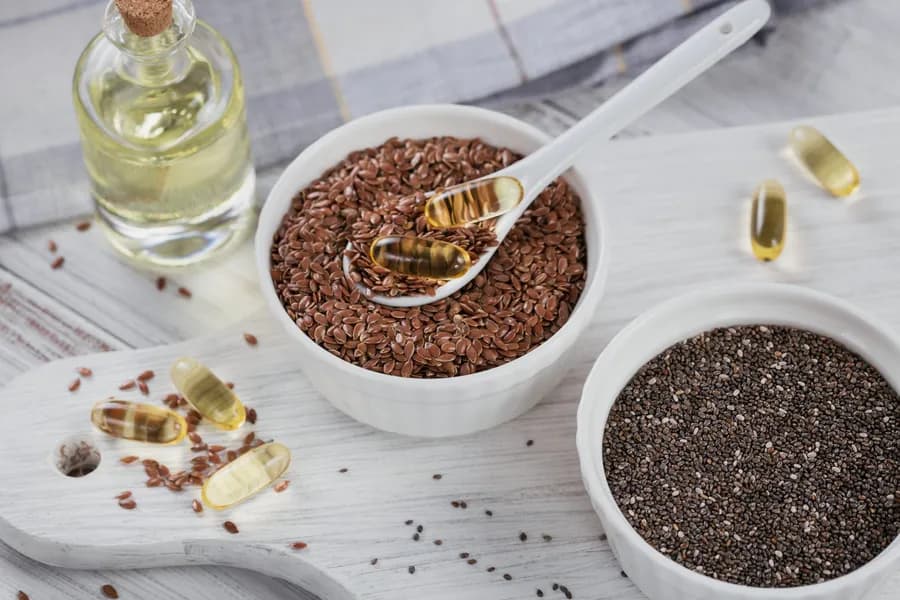
Chia Seed Versus Flaxseed: Which Superfood Seed Wins?
Chia and flaxseed are both strong nutritional choices, but they differ in one crucial way — how your body actually digests and absorbs them. See the full.

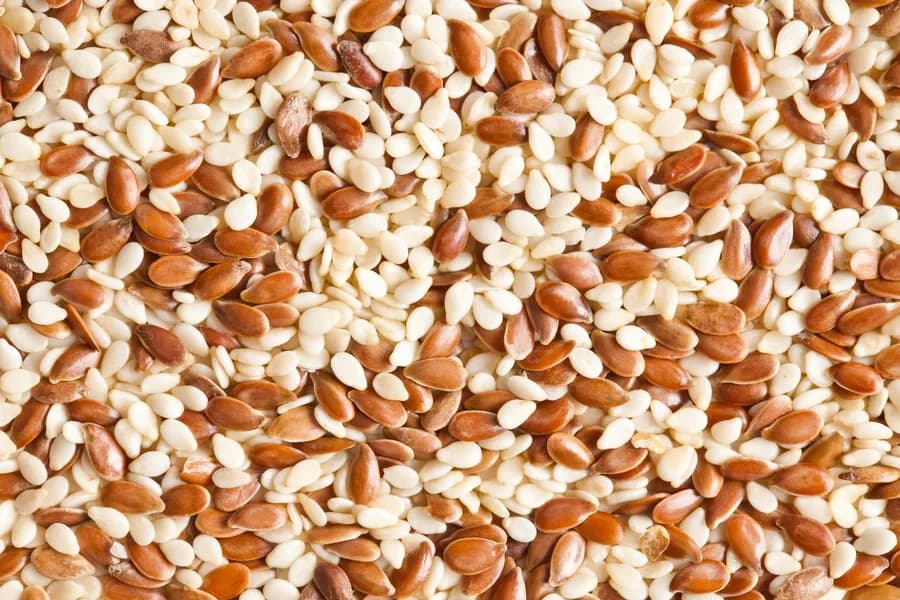
Vegan Omega 3 Sources: Best Plant-Based Options
Flaxseed, chia seeds, and walnuts make vegan omega-3 intake entirely achievable, with algae-based supplements rounding out the options. See how each one.
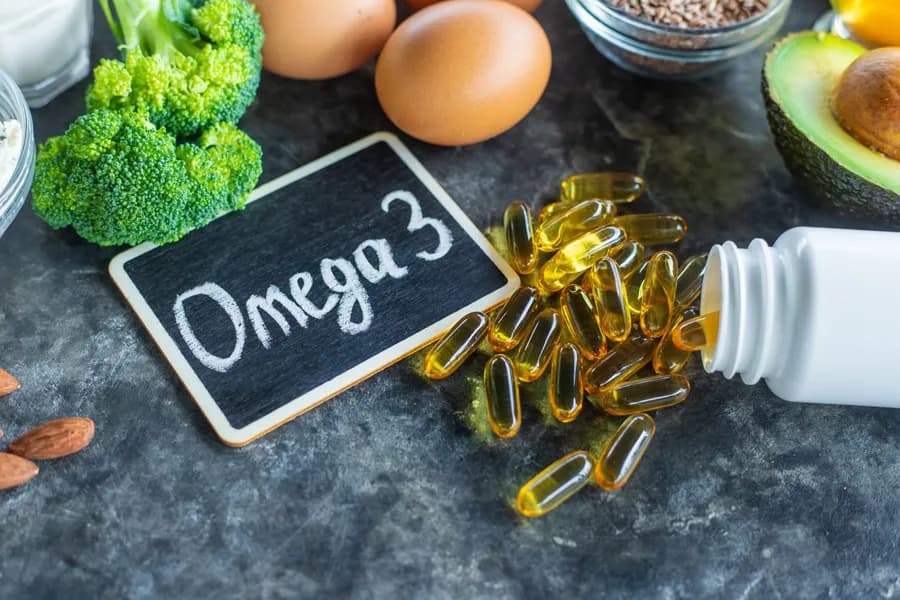
Omega-3 benefits and vegetarian sources
Learn omega-3 benefits, the difference between ALA, EPA and DHA, vegetarian food sources, algal oil options and supplement safety.
Good fats vs bad fats: choose fats wisely
Understand good fats vs bad fats in simple words. Learn which vegetarian fats to choose, what to reduce and how to read food labels better.