
Food and Nutrition: Make Everyday Eating Easier to Understand
Make nutrition easier to use with familiar meals and practical decisions rather than rigid rules.
Key Takeaways
- Energy is a need, not a flaw.
- Give protein a visible place in meals.
- Read a meal by what is missing.
- Make the next change small enough to repeat.
Food is what you buy, cook, share and enjoy. Nutrition describes what that food contributes to the body. The two belong together, but nutrition advice can make them feel separate: grams on one side, actual meals on the other. You do not need to become an expert before improving your diet. Understanding a few basic roles can help you make choices that suit ordinary life.
Energy is a need, not a flaw
Food supplies energy for daily functions, movement and recovery. Calories are a way of describing that energy; they do not tell you everything about the quality of a food.
A low-calorie choice is not automatically a complete meal, and an energy-dense food is not automatically a poor choice. Nuts, for example, provide fat and energy along with other nutrients, while a very small salad may leave you underfed.
The useful question is whether the amount and type of food fit the situation. A growing teenager, an older adult with a small appetite and someone doing physical work will not necessarily need identical meals.
Carbohydrate helps fuel the day
Rice, roti, oats, potatoes, fruit and pulses provide carbohydrate in different forms. They are not interchangeable simply because they all contain it.
Wholegrain foods and pulses often bring more fibre than highly refined alternatives. Fruit brings water and other nutrients, while a sugary drink provides a different eating experience with little substance.
You do not need to remove every carbohydrate food to eat well. Consider the portion and what accompanies it. A staple works best as part of a meal rather than being asked to provide all the nutrition alone.
Protein deserves a visible place
Protein supports body tissues and many normal functions. Vegetarian sources include pulses, beans, soy, paneer, milk and curd, depending on what you eat.
A meal may contain a little protein from several ingredients without containing a substantial protein food. That is why a few peas scattered through rice are different from a proper serving of rajma or tofu alongside it.
Look at breakfast as well as dinner. If the first half of the day consists mainly of tea, toast and a small snack, moving some useful protein food earlier may make eating more satisfying without requiring a supplement.
Fat adds more than richness
Dietary fat provides energy, supplies essential fatty acids and helps the body absorb certain vitamins. Avoiding all fat is not a requirement for health.
The type and amount matter. Nuts, seeds and suitable vegetable oils provide unsaturated fats, while ghee, butter and some other foods provide more saturated fat.
Use fat intentionally for cooking and flavour rather than repeatedly adding it without noticing. A little oil in a vegetable dish has a different role from a meal dominated by deep-fried foods. Fat quality does not make quantity irrelevant.
Fibre and micronutrients come through variety
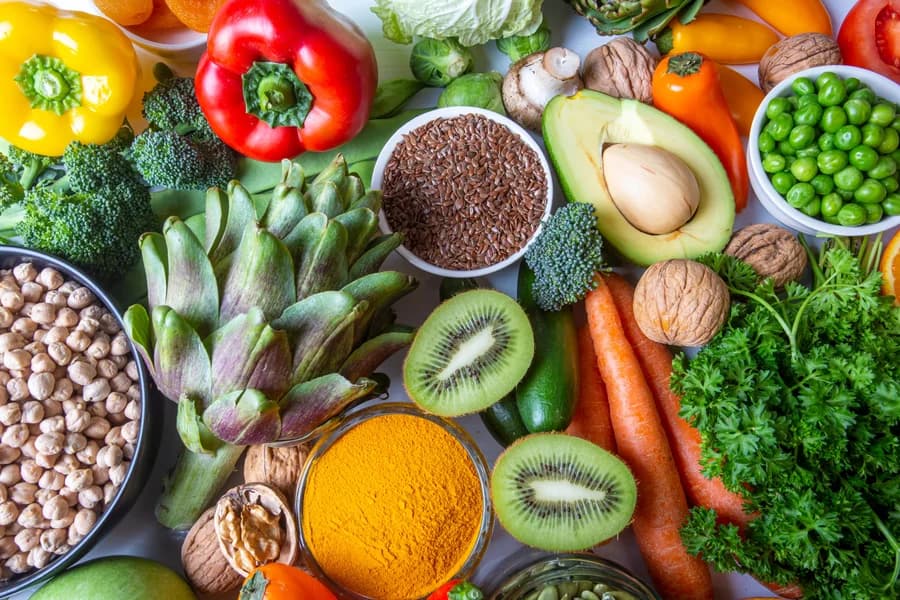
Fibre is found in plant foods such as pulses, whole grains, vegetables, fruit, nuts and seeds. Vitamins and minerals have many different roles and are distributed across foods.
This is why a diet based on only a few “perfect” ingredients can still be limited. A protein shake does not replace vegetables, and a bowl of fruit does not necessarily replace a meal.
You can build variety gradually. Rotate the dal, buy a different seasonal vegetable and use more than one fruit over the week. There is no need to fit every colour or nutrient into each individual plate.
Read a meal by what is missing
Instead of asking whether a food is good or bad, look at the meal around it. A sandwich may need a more substantial filling. A large rice lunch may need more vegetables and a pulse dish. A soup dinner may need beans and bread to become enough food.
This approach works with familiar cooking. You can improve a meal without replacing the cuisine or buying special diet products.
Habuild's everyday diet and nutrition guide offers another starting point for thinking about these combinations in ordinary routines.
Timing should make eating manageable
There is no universal clock that makes the same meal healthy at one hour and harmful at another. Work, sleep, activity and appetite influence a useful schedule.
Long unplanned food gaps can leave some people very hungry later. If that happens to you, prepare a meal or snack that fits the difficult part of the day rather than blaming yourself for evening hunger.
Someone using medicines affected by meals may need more specific timing. That is a medical consideration, different from a general social-media rule about never eating fruit after lunch or rice at night.
Labels help with one question at a time
Packaged-food information can be useful when it answers a real need: protein in a breakfast product, sodium in a frequent sauce or added sugar in a drink.
Compare similar quantities and consider what you actually eat. A serving printed on a packet is not always the amount in your bowl.
You do not need to inspect every minor ingredient or choose the longest list of health claims. Plain ingredients can simplify decisions, but convenient packaged foods can still fit. The full eating pattern matters more than finding one flawless product.
Food and treatment have different limits
Nutrition can support health, and some medical conditions need specific dietary changes. But a food does not become a dependable treatment simply because it contains a nutrient involved in normal body function.
Anaemia, persistent digestive symptoms or unexplained weight changes need attention to the cause. A special juice or general supplement may miss that cause entirely.
Likewise, a prescribed supplement can be useful for a confirmed gap even when the diet is generally good. Eating well and using appropriate treatment can be parts of the same plan, rather than competing choices.
Make the next change small enough to repeat
Choose the part of eating that is most inconvenient now. It might be a rushed breakfast, an empty lunchbox or a lack of food after a late commute.
Solve that practical problem first. Keep suitable ingredients available, prepare a simple option ahead or make enough dinner for a safely stored next-day meal.
Nutrition becomes useful when it helps you eat enough, with variety and enjoyment, within your budget and routine. You do not need perfect meals to build a good pattern; you need ordinary choices that work often enough to keep.
Editorial sources
Frequently Asked Questions
Related Articles
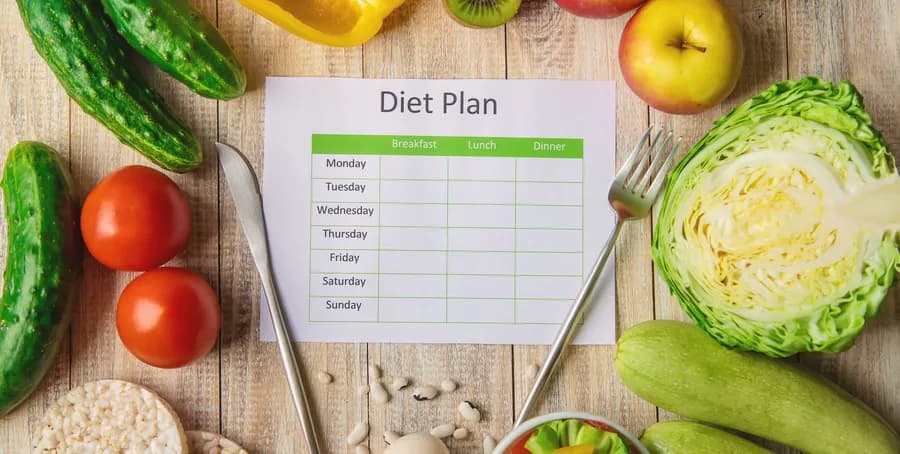
Balanced Diet Chart for a Week: A Practical Example for Indian Households
A balanced diet chart is easiest to understand as a template, not a timetable — a way of thinking about protein, fibre, carbs, and fat across your meals..

Macros Explained: A Simple Guide to Carbs, Protein and Fat
Learn what carbohydrate, protein and fat do, whether you need macro targets, and how to balance everyday Indian meals without counting.

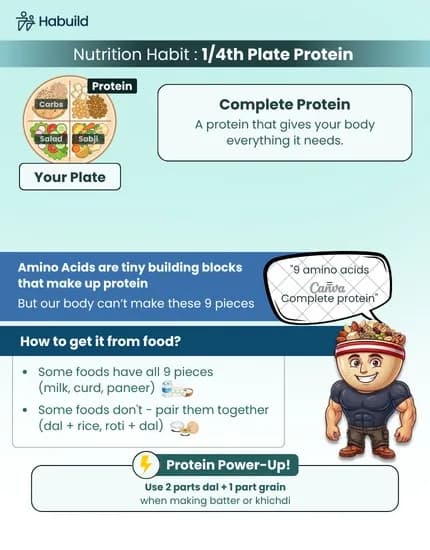
Complete Protein Foods: Can Vegetarian Meals Cover Your Protein Needs?
You do not need to combine foods at every meal. What matters is how much protein you eat overall, how varied your food is and whether you eat enough.
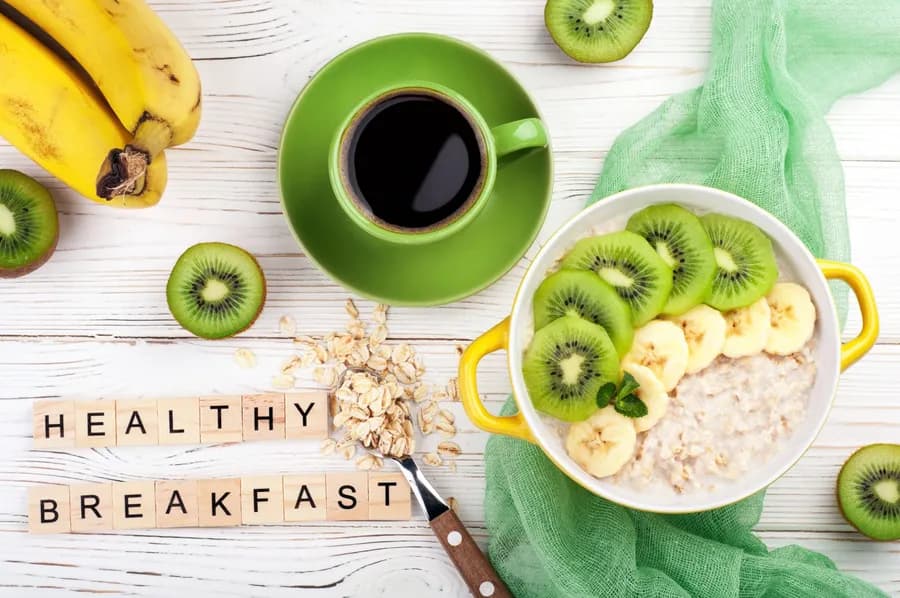
Healthy Breakfast Options: What Actually Makes a Breakfast Good for You
A good breakfast has enough protein to keep you full, enough fibre to steady blood sugar, and not much added sugar — most packaged cereals and bakery.