
Black-Eyed Peas (Lobia): How to Cook Them, Portions and 5 Meal Ideas
A practical lobia guide: how long to soak and cook black-eyed peas, comfortable portions, canned vs dry, five easy meals and tips to reduce gas.
Key Takeaways
- Lobia cooks faster than rajma or chickpeas; a 4–8 hour soak is enough.
- Add tomato, tamarind and other acidic ingredients only after the beans soften.
- Half to one cup cooked is a comfortable portion for most adults.
- Rinse canned lobia under running water to remove some of the added salt.
- If beans cause gas, start with a quarter cup and increase gradually.
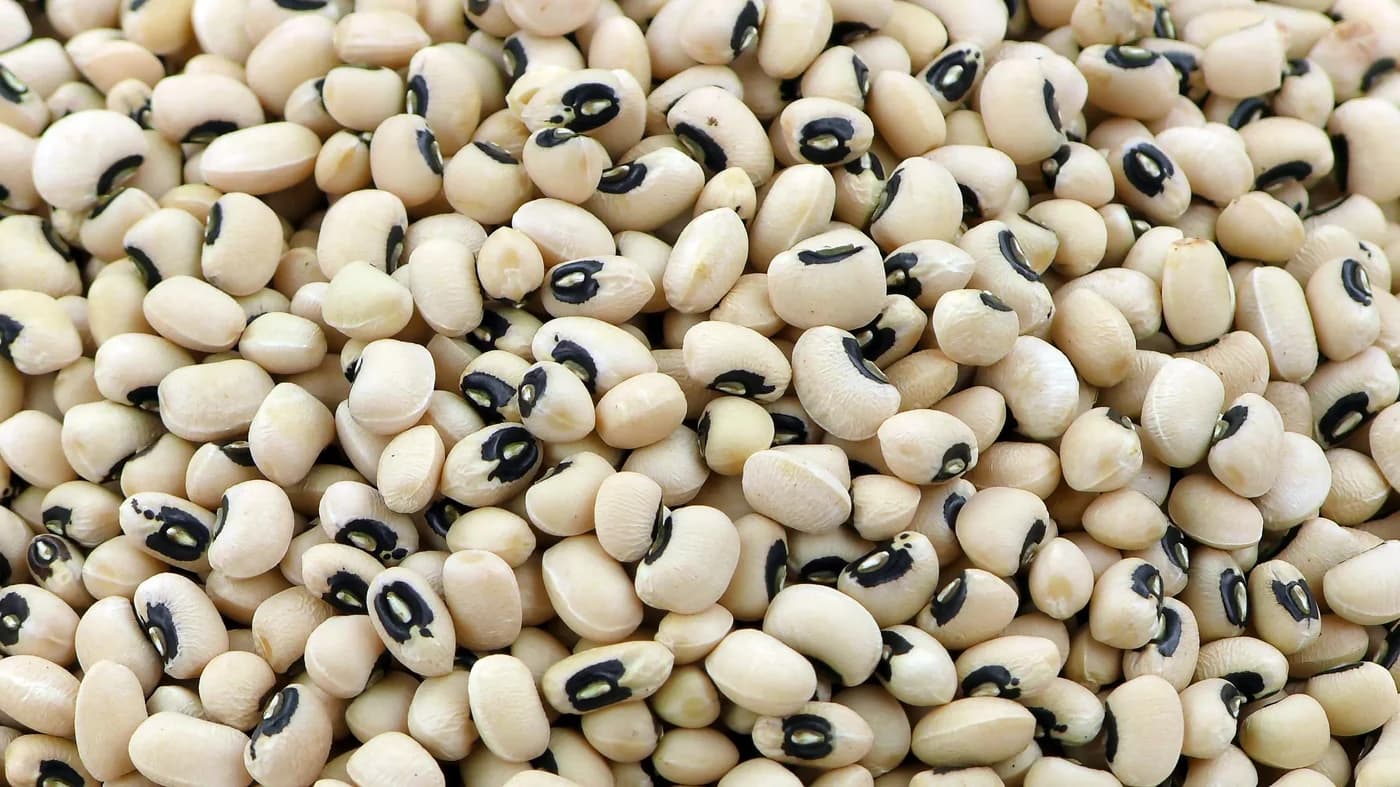
Black-eyed peas are the small cream-coloured beans with a dark spot that many Indian kitchens know as lobia or chawli. They have a mild, earthy taste, hold their shape well and fit easily into curry, chaat, salad, soup or a simple bowl with rice. This guide focuses on the practical side: soaking, cooking, portions and quick meals. For the nutrition story, read our article on cowpeas benefits.
Why lobia deserves a place in the pantry
Lobia gives you plant protein and fibre in the same food, which can make a meal more filling than a plate built mostly around rice, bread or noodles. It also provides folate, iron, potassium and magnesium. There is no need to turn those nutrients into big promises: lobia will not fix anaemia on its own and is not a shortcut for weight loss. Its real strength is that it is affordable, versatile and makes a vegetarian meal more substantial.
What does a comfortable portion look like?
For most adults, about half to one cup of cooked lobia works well in a meal. Half a cup may be enough in a chaat or salad; a fuller cup suits a curry when it is the main protein. If beans usually leave you bloated, start with a quarter to half cup. Eating them regularly in a comfortable amount is more useful than forcing down a large bowl.
Dry or canned beans?
Dry black-eyed peas are economical and let you control salt and texture; they make sense for a larger batch of curry or soup. Canned beans save time and suit chaat, wraps and salads because they are already cooked. If you use canned lobia, rinse it under running water to remove some of the added sodium.
How to soak and cook black-eyed peas
- Rinse the dry beans and pick out any stones or damaged beans.
- Soak in plenty of water for four to eight hours. Soaking helps but is not essential, because lobia cooks faster than rajma or chickpeas.
- Drain, add fresh water and cook until a bean crushes easily between your fingers. In a pressure cooker this is quick, but the time depends on the age of the beans and your cooker, so treat any minute count as a starting point.
- Add salt during cooking for better flavour. Add tomatoes, tamarind and other acidic ingredients only after the beans have softened, because acidity slows tenderising.
Five easy ways to eat black-eyed peas
Make a familiar lobia curry
Cook onion, tomato, ginger, garlic and your usual masala, then add soft lobia and enough water for the consistency you like. Serve with rice or roti and a crunchy salad. It does not need a heavy layer of oil to taste good.
Turn leftovers into chaat
Mix cold cooked lobia with cucumber, tomato, onion, coriander and lemon. Add roasted cumin or a light sprinkle of chaat masala. If you are using leftover curry, rinse off excess gravy first.
Build a quick lunch bowl
Start with lobia, add any cooked grain such as brown rice, millet or plain rice, two vegetables, and curd or a lemony chutney. Use whatever is already in the fridge.
Add them to soup
Stir cooked lobia into a tomato, spinach or mixed-vegetable soup. Mash a few beans against the side of the pot to thicken it without cream.
Use them in a wrap
Lightly mash the beans with lemon, cumin and a spoon of curd or hummus. Spread on a roti and add sliced vegetables. This packs more easily than a runny curry.
If beans make you feel gassy
Gas does not mean the food is bad for you. Gut bacteria ferment some of the carbohydrates and fibre in beans, which produces gas, and the effect is usually stronger when someone suddenly eats a large amount after rarely having pulses.
- Begin with a smaller serving, chew well and increase gradually.
- Soak dry beans, discard the soaking water and cook them until completely soft.
- Hing, ginger or ajwain can improve flavour and may feel soothing, though they are not guaranteed to prevent gas.
Our guide on why dals cause gas has more tips. Persistent pain, marked swelling, vomiting or a sudden change in digestion needs medical advice.
When the details matter
- Kidney disease: you may have individual limits for potassium, phosphorus, protein or fluid, so a general portion may not fit your plan.
- Blood glucose: lobia can fit, but the rice, roti, oil and total serving around it matter too.
- Babies and young children: serve beans fully cooked and mashed to an age-appropriate texture.
- Leftovers: refrigerate promptly in a covered container and reheat only what you need until steaming hot.
Rotating lobia with dal, rajma, chana, soy foods and other beans keeps meals varied.
Editorial sources
Frequently Asked Questions
Related Articles
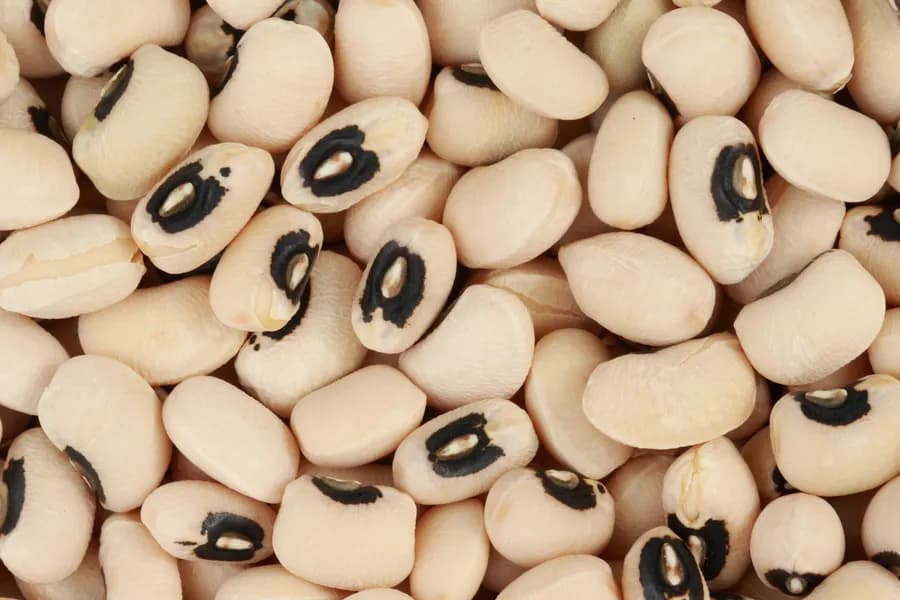
Cowpeas Benefits: Why Lobia Deserves a Regular Spot in Your Diet
Lobia, or black-eyed peas, is dense in plant protein, fibre, folate, and iron — and easier to digest than some other beans. See why it deserves a regular.

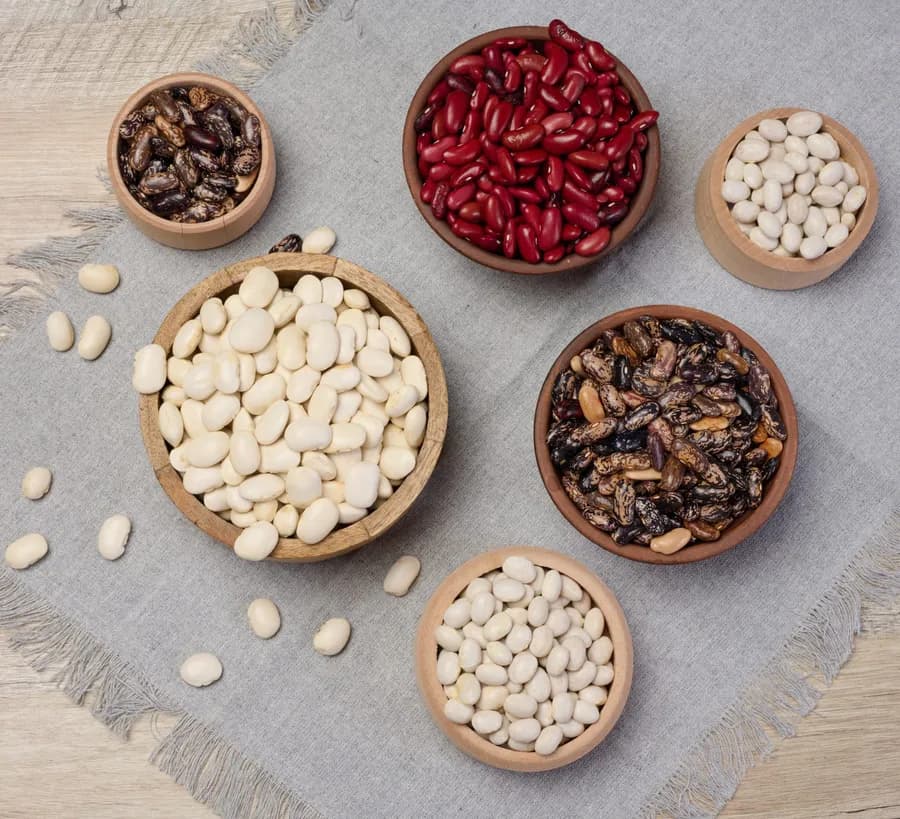
Beans Health Benefits: Why This Everyday Legume Deserves a Daily Spot on Your Plate
Beans are high in protein and fibre, low in fat, and already part of most Indian kitchens — rajma, chickpeas, cowpeas, and more. See why they deserve a.
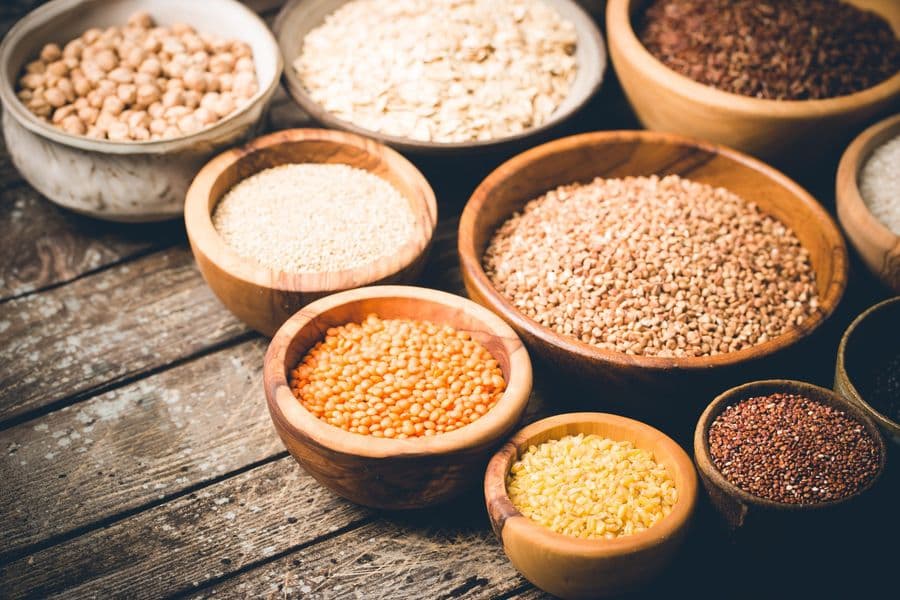
Dals Cause Gas? Simple Digestion Tips
Dals cause gas for many people because of fibre and complex carbs. Learn simple ways to soak, cook and eat dal for better digestion.
Rajma Benefits: Nutrition, Protein, and Health Value of Kidney Beans
Rajma is one of the more accessible plant proteins in an Indian kitchen, packed with fibre, iron, and folate — not just a Sunday lunch comfort food. See.
