
Is Sunflower Oil Good for Health? How to Use It Well
Sunflower oil can fit everyday cooking. Its value depends on what it replaces, the amount used and how it is heated and stored.
Key Takeaways
- Sunflower oil is mainly unsaturated fat.
- High-oleic sunflower oil handles heat better.
- Omega-6 is not automatically inflammatory.
- Measure oil and store it away from the stove.
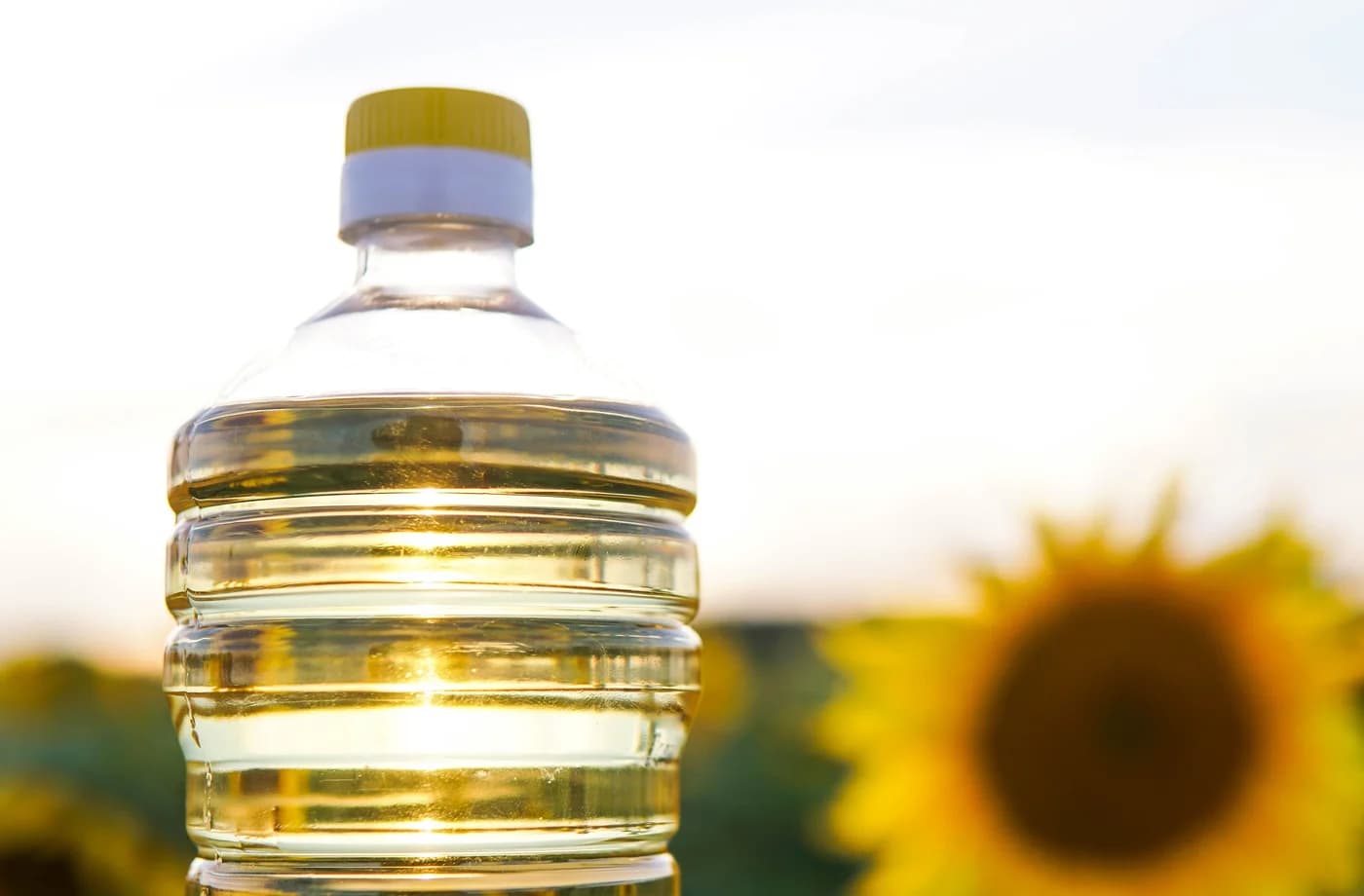
Sunflower oil can be a reasonable everyday cooking oil. It is mostly unsaturated fat, and replacing some saturated fat with an unsaturated oil can help improve blood cholesterol. That does not make it unlimited or mean every deep-fried food becomes healthy because it was cooked in sunflower oil.
The practical questions are which type you use, how much goes into the meal and how the oil is heated. Those details are more useful than social-media claims that all seed oils are toxic or that one oil is perfect for every kitchen.
What sunflower oil contains
Sunflower oil is extracted from sunflower seeds. Like other oils, it is almost entirely fat and provides about nine calories per gram. A small amount can therefore contribute substantial energy even when it pours easily.
It also supplies vitamin E, although the amount varies with the product and processing. This is a nutritional feature, not a reason to add extra spoonfuls beyond what a recipe needs.
The oil does not retain the fibre or protein of whole sunflower seeds. Seeds sprinkled over a meal and oil used in the pan are different ingredients with different portions and roles.
Regular and high-oleic types differ
Traditional sunflower oil is usually rich in linoleic acid, an omega-6 polyunsaturated fat. High-oleic sunflower oil contains a greater proportion of oleic acid, a monounsaturated fat.
Both types are largely unsaturated. The difference affects properties such as stability during heating and storage. High-oleic versions can be more stable under demanding heat conditions, but this does not make repeated deep-frying a healthy habit.
You do not need to identify a special variety for every ordinary sabzi. Use a food-grade oil suited to the cooking method and avoid treating a premium label as permission to overheat or overuse it.
What does it mean for cholesterol?
The benefit comes mainly from replacement. Using a suitable unsaturated oil instead of some butter, ghee, coconut oil or other saturated fat can help lower LDL cholesterol within an overall heart-healthy eating pattern.
Adding sunflower oil on top of the same amount of rich food is different. You may increase energy intake without making the useful substitution.
Nor does oil replace prescribed cholesterol treatment. Food choices, movement, tobacco avoidance and medicines when indicated work together. Our guide on how to reduce cholesterol explains the broader routine.
Is omega-6 inflammatory?
Omega-6 fats are essential fats that the body needs from food. The claim that their presence makes sunflower oil inherently inflammatory oversimplifies how the body works and is not supported by the overall human evidence.
It is possible to discuss concerns about a diet full of fried packaged snacks without blaming the seed oil as the sole cause. Such foods can also be high in salt, refined starch, sugar and total energy.
Include omega-3 sources such as walnuts, flax or chia if they suit you, while keeping the whole diet varied. You do not need to calculate a perfect omega ratio or remove every omega-6 source from the kitchen.
Refined does not automatically mean dangerous
Refining can remove unwanted flavours and impurities and produce a more neutral oil for cooking. Cold-pressed versions may retain a different flavour and some compounds, but neither description alone establishes the best choice for every use.
A strong-flavoured oil can be enjoyable in one dish and less suitable in another. Heat tolerance also depends on the product and handling, not just the word natural.
Choose the oil for the food and method. There is no need to pay for a cold-pressed version if its flavour, price or recommended use does not fit your everyday cooking.
Use enough to cook, not enough to flood the dish
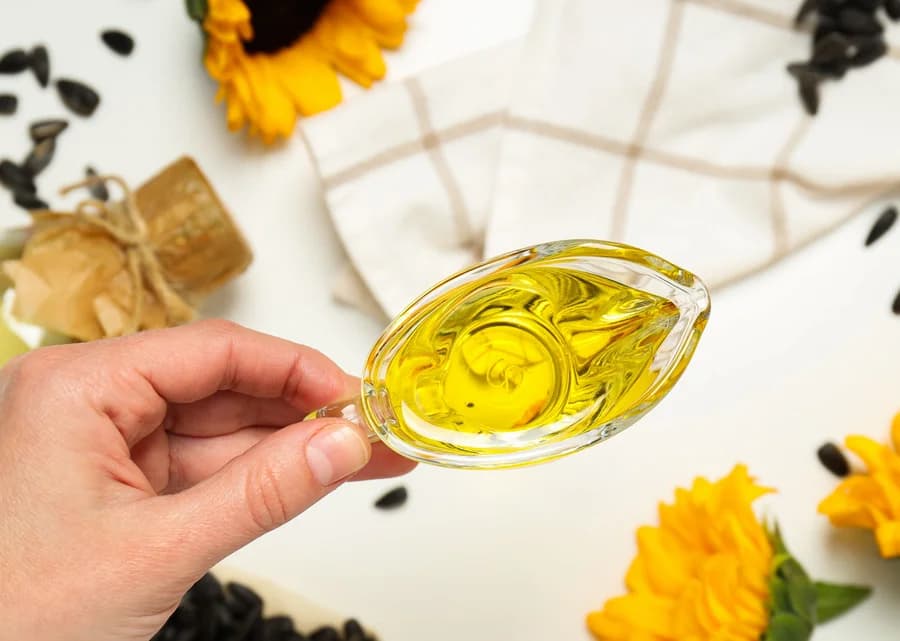
Measuring oil with a spoon makes it easier to notice the amount going into a family-sized pan. Free-pouring can add more than expected, especially when several dishes are cooked separately.
You can often use less by choosing a suitable pan, adding a little water during cooking where the recipe allows and avoiding a second oil-heavy tempering when it is not needed.
Fat contributes flavour and helps absorb fat-soluble nutrients, so the goal is not a completely oil-free diet. A comfortable amount spread across meals is more practical than alternating dry, unsatisfying food with occasional very oily meals.
Heat it with care
Avoid heating an empty oily pan until it smokes. Smoking suggests the oil is breaking down and is a reason to reduce the heat, not proof that it is ready for better cooking.
Repeated prolonged frying can produce unwanted breakdown products in any oil. Do not keep topping up an old batch indefinitely or assume a high smoke point makes reuse unlimited.
For everyday meals, sautéing, steaming, pressure-cooking and other methods can reduce reliance on deep-frying. Sunflower oil can fit a sensible cooking routine without becoming a justification for a daily fried snack.
Store it away from the stove
Light, heat and air can accelerate deterioration. Keep oil tightly closed in a cool, dark place rather than directly beside a hot burner or in sunlight.
Buy a quantity you will use within a reasonable time. A large tin is not necessarily better value if it remains open for months in a warm kitchen.
If the oil develops a stale, paint-like or otherwise abnormal rancid smell, discard it. Reheating or adding spices will not restore its quality. Clean, dry dispensing containers also help avoid carrying old residues into a fresh bottle.
Does it need to be your only oil?
No. Sunflower oil is one option among several suitable liquid vegetable oils. Groundnut, mustard, rice bran, olive and other oils can fit according to taste, availability and cooking needs.
Changing oils constantly is not required, and a blend does not automatically make a meal healthier. More important questions are whether you use unsaturated fats in place of some saturated fat, keep portions sensible and avoid frequent deep-frying.
Choose an oil you can use well and afford regularly. A thoughtful cooking habit matters more than finding a bottle advertised as the single healthiest choice.
Editorial sources
Frequently Asked Questions
Related Articles
Rice Bran Oil: Is It Really Heart-Friendly?
Rice bran oil is mostly unsaturated fat and works well for Indian cooking, but no oil is a medicine. Here is how to use it sensibly.

Mustard Oil: Cooking, Fat Profile and Safety
How to choose and use mustard oil: kachi ghani vs refined, fat profile, erucic acid, safe heating, portions and topical use.

Coconut Oil Benefits: Cooking Uses and Heart Health
Coconut oil is predominantly saturated fat. Virgin and refined products differ in flavour and processing, but both remain rich in saturated fat.
Ghee vs Refined Oil: Choose Healthy Fats Wisely
Understand ghee vs refined oil in simple words. Learn how to use fats in moderation, avoid reheated oils and choose better Indian cooking habits.