
Low-Sodium Foods: Everyday Choices with More Flavour
Practical food and cooking changes that reduce sodium while keeping meals enjoyable.
Key Takeaways
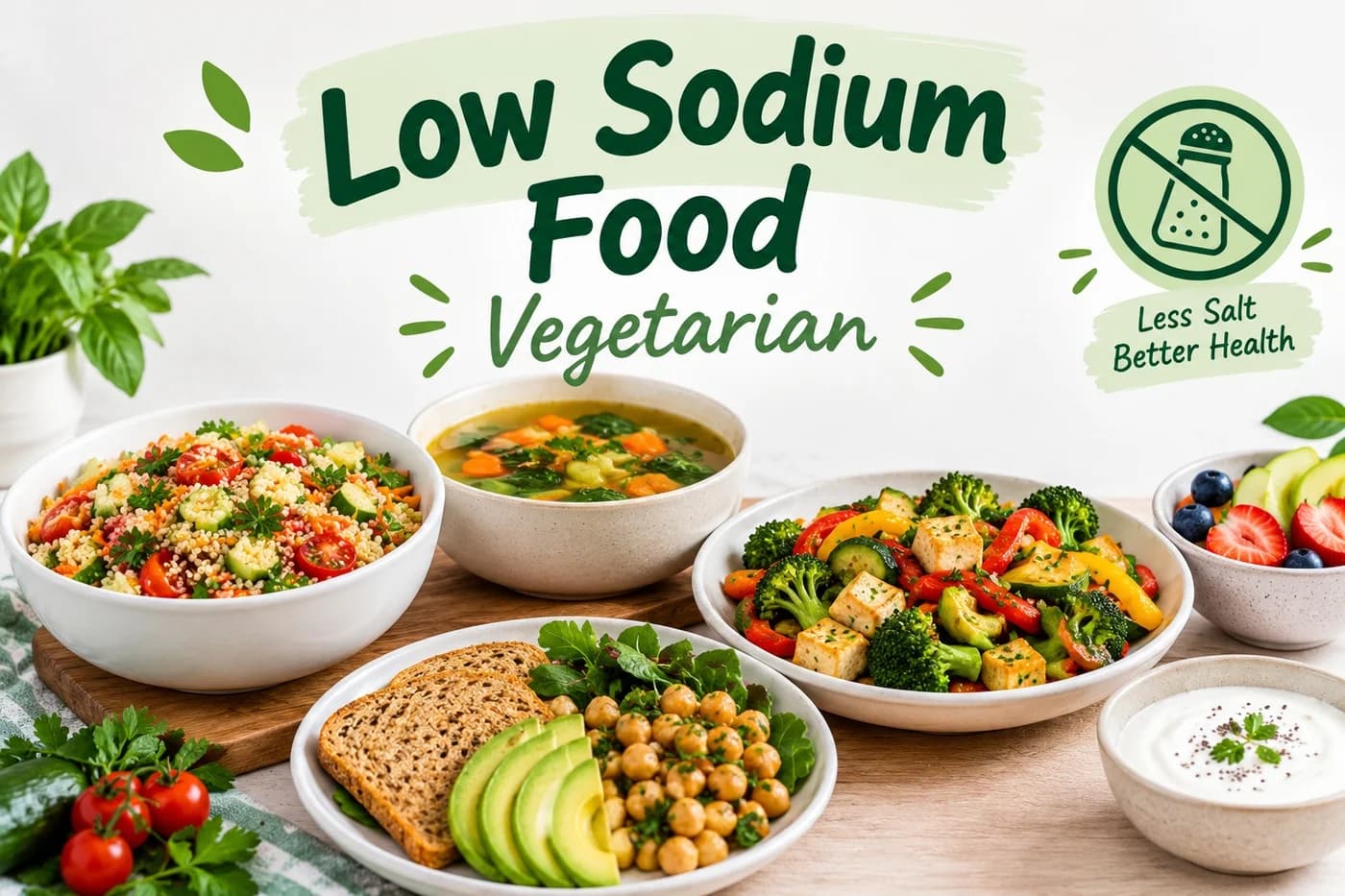
- Dal, vegetables, fruit and grains are naturally low in sodium.
- Salty extras around the meal add up quickly.
- Build flavour with herbs and spices before adding salt.
- Black salt and rock salt still count as sodium.
Cutting sodium does not mean eating food that tastes of nothing. Much of the work comes from changing a few salty extras and choosing simpler ingredients more often. Dal, vegetables, fruit and ordinary grains can all be part of a lower-sodium routine. The amount of salt added in cooking, and the foods served alongside them, can change the result considerably.
Sodium and salt are related, but not identical
Salt contains sodium, which is the part usually discussed in blood-pressure guidance. WHO recommends adults consume less than 2,000 mg of sodium daily, equivalent to less than 5 g of salt.
That total includes salt already present in foods, not just the amount sprinkled at the table. A teaspoon comparison is only approximate because spoon size and salt texture vary.
You do not need to calculate every milligram to begin. Understanding where salt enters your usual meals is more useful than making a dramatic cut for two days and then returning to the old routine.
Start with naturally low-sodium staples
Fresh fruit, most plain vegetables, unsalted grains and pulses prepared without much salt can provide a useful base. Plain nuts and seeds are different from salted versions.
These foods are not sodium-free, and their prepared dishes vary. A potato is a different choice from heavily salted chips; plain oats differ from a savoury instant mix with a seasoning sachet.
Build meals from ingredients you can season yourself when practical. This gives you more control without requiring special low-sodium products. Ordinary local foods can do the job, including foods already in an Indian kitchen.
Look at the extras around the meal
A modestly salted dal can arrive with pickle, papad, chutney, salted curd and packaged namkeen. Each extra may look small, but several can add up.
Choose the accompaniment you most enjoy instead of automatically serving all of them. A small amount of pickle can provide strong flavour; it need not accompany every meal in a large portion.
Try plain curd, cucumber or a vegetable side when you want another element on the plate. The aim is to make the meal satisfying with fewer routine salty additions, not to remove every traditional food.
Build flavour before adding more salt
Use ingredients that give aroma, acidity and texture. Roasted cumin, coriander, ginger, garlic, curry leaves and lemon can change how complete a dish tastes.
For example, finish dal with coriander and a squeeze of lemon after cooking. Roast vegetables until pleasantly cooked without burning, then add herbs. A fresh mint-and-curd accompaniment can provide contrast without a large quantity of salt.
Reduce salt gradually if your food currently tastes very salty. Taste before adding the final amount. A dish may need acidity or a little cooking time rather than another spoonful of salt.
Packaged foods: compare one useful feature
For foods you buy regularly, such as bread, sauces or snacks, compare sodium between similar products using the same quantity. Then consider the amount you actually eat.
This does not require reading every packet in the shop. Start with one frequent food. If a sauce is used at most meals, a lower-sodium option or a smaller amount may matter more than analysing an occasional treat.
Do not rely on the absence of a salty taste. Some breads, breakfast products and prepared foods can contribute sodium without tasting like a salty snack. A health claim such as high protein does not answer the sodium question.
Convenient foods can still fit
If canned beans are useful, choose a no-added-salt version when available. Draining and rinsing ordinary canned beans can also reduce some sodium, although it does not remove all of it.
Frozen plain vegetables can make cooking easier. A ready-seasoned vegetable mix is a different product and may add more salt.
For instant noodles, using less of the seasoning sachet reduces one source of sodium, but the noodles may contain sodium too. Add vegetables and a protein food to make a more substantial meal rather than relying on the packet alone. An occasional convenience meal does not require abandoning the whole plan.
Restaurant meals need a simple strategy
You cannot precisely measure sodium in every meal eaten outside. Choose a manageable approach: ask for less salt when practical, use sauces sparingly and avoid adding several salty sides.
A meal with vegetables and a protein food can be more balanced than a large portion of fried snacks, even when the exact salt content is unknown.
Do not arrive extremely hungry after skipping meals to prepare for eating out. That makes portions and preferences harder to manage. Return to your usual routine afterwards rather than trying to compensate with excessive water or a salt-free day.
Black salt and rock salt still count
Kala namak, rock salt, sea salt and pink salt can taste different, but they still supply sodium. Their trace minerals do not make unlimited use appropriate for blood-pressure management.
Choose a salt for the flavour needed in a recipe and keep the overall amount modest. A product's natural image does not exempt it from the total.
Potassium-based salt substitutes are another category. They can suit some adults, but may be unsuitable with kidney disease or medicines that raise potassium. Do not swap automatically if you have a prescribed restriction or a relevant medical condition.
Use a personal target when you have one
Some heart, kidney or other conditions require individual sodium and fluid advice. Follow that plan rather than applying a general low-sodium list without adjustment.
Reducing sodium also does not replace prescribed blood-pressure medicine. Food choices and medication may work together, with readings and follow-up guiding treatment.
Start with the source that appears most often in your day: extra table salt, repeated pickle servings, packaged snacks or a salty sauce. Changing one regular habit and keeping meals enjoyable gives the routine a better chance of lasting.
Editorial sources
Frequently Asked Questions
Related Articles

Salt Intake: Hidden Sodium, Daily Limits and How to Cut Back
Most sodium comes from packaged foods, pickles and restaurant meals, not just the shaker. Learn the daily limit and easy ways to cut back.

Pink Salt: What It Contains and What It Does Not Do
Pink salt or sendha namak has similar sodium to table salt and often lacks iodine. Here is what it does and does not do.

Foods to Limit in Kidney Disease: There’s No One Size Fits All
There is no single list of foods that are bad for kidneys. What you should limit depends on your kidney function, test results and other conditions.
Balanced Diet Chart for a Week: A Practical Example for Indian Households
A balanced diet chart is easiest to understand as a template, not a timetable — a way of thinking about protein, fibre, carbs, and fat across your meals..