
Maltitol: Sugar-Free Sweets, Blood Sugar and Digestion
Maltitol sweetens many sugar-free chocolates and bars. Here is how it affects calories, blood glucose and digestion, and how to read the label.
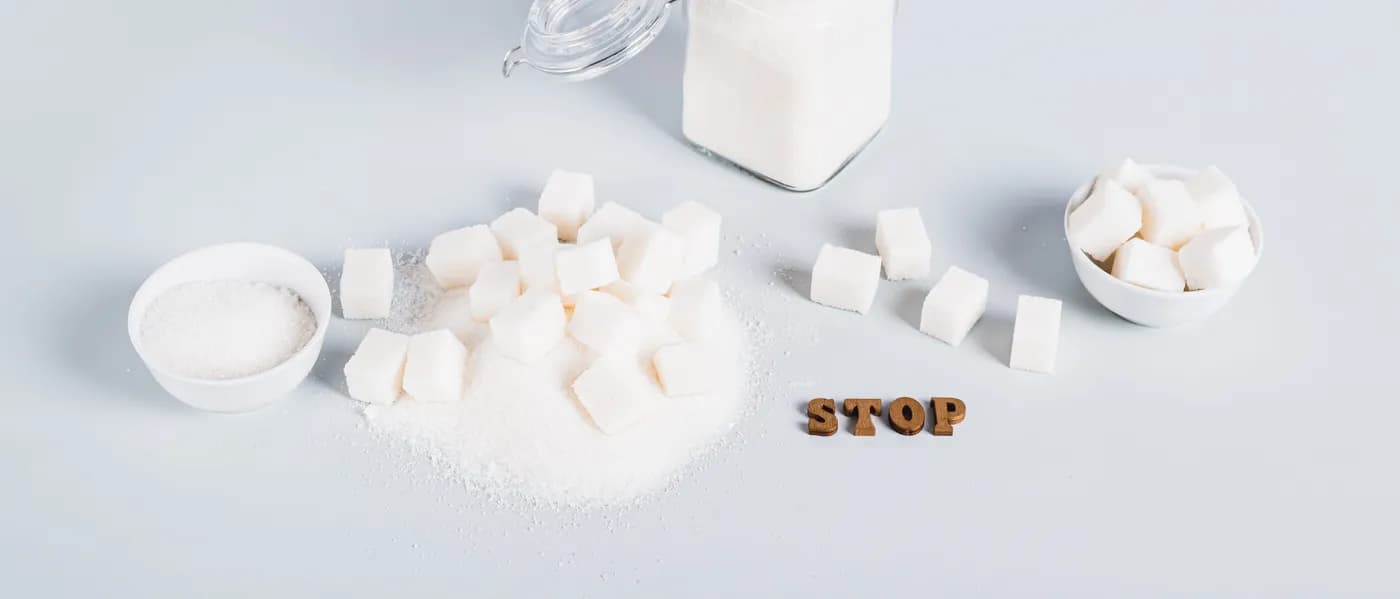
Key Takeaways
- Maltitol is a sugar alcohol about 90% as sweet as sugar, with roughly half the calories.
- It raises blood glucose less than sugar, but not zero, so count it in carbs.
- Larger amounts can cause gas, bloating or loose stools, especially with IBS.
- Sugar-free products can still be high in calories and saturated fat.
- Keep sugar-free sweets away from dogs; some also contain xylitol.
You may spot maltitol on a "sugar-free" chocolate, sweet or protein bar. It tastes much like sugar and lowers a product's sugar content, but the food still has calories, can still raise blood glucose and may upset your stomach if you eat a lot. For an overview of all the options, see our guide to sugar substitutes.
What is maltitol?
Maltitol is a sugar alcohol, or polyol. Despite the name, it contains no drinking alcohol. Manufacturers use it because it gives sweetness and a texture close to sugar, which helps sugar-free chocolate and sweets taste familiar. A scientific review rates it at about 90% of the sweetness of sugar.
On the label you may see "maltitol" or "maltitol syrup". Other sugar alcohols include sorbitol, xylitol and erythritol. Each behaves differently, so a sweet made with one may feel different from one made with another.
Calories and blood sugar
Maltitol provides roughly 2 to 2.4 kcal per gram, depending on the country's labelling rules, compared with 4 kcal per gram for sugar. Its glycaemic index has been reported at about 35, against about 69 for table sugar, so it raises blood glucose less, but it does raise it.
The rest of the product matters too. A sugar-free chocolate bar still contains milk solids, cocoa butter and often flour or nuts.
Does sugar-free mean healthier?
Not always. Compare a sugar-free chocolate with the regular version and both may be high in calories and saturated fat. Maltitol changes the sweetener, not every other ingredient. Sometimes a smaller portion of the regular version is the choice you will enjoy more.
"No added sugar" also does not mean "no sugar". Milk and fruit contain natural sugars, and flour adds starch. Read the full nutrition panel, not just the front of the pack.
Why maltitol can cause gas or loose stools
Your small intestine does not absorb all of the maltitol you eat. The rest reaches the large intestine, where it draws in water and is fermented by gut bacteria. That can cause rumbling, gas, bloating, cramps or loose stools, and the effect grows with the amount eaten.
Tolerance varies widely. Studies suggest many adults handle a moderate serving without diarrhoea, but sensitive people can react to much less, and several sugar-free products in one day add up. If you have irritable bowel syndrome, polyols are a common trigger, so check ingredients with your dietitian.
If you have diabetes
A "sugar-free" label does not take a food out of your meal plan. Check the serving size and total carbohydrate, and use your glucose readings if you monitor them. Two squares after a meal may affect you differently from a whole bar eaten alone. Do not change insulin or other medicines because of a claim on a packet.
A simple way to shop
- Find maltitol in the ingredient list and note any other sugar alcohols.
- Check the serving size and how many servings are in the pack.
- Compare calories, total carbohydrate and saturated fat with the regular version.
Ask why you are buying it. If you want a small sweet after lunch, a little of the regular version may suit you. If you want less sugar and maltitol agrees with your digestion, the sugar-free option can work.
When to stop, and a warning for pet owners
If a maltitol product repeatedly gives you bloating or loose stools, cut the amount or choose something else. Severe pain, blood in the stool, fever or ongoing diarrhoea need medical advice.
Keep sugar-free sweets and gum away from dogs. Some contain xylitol as well as or instead of maltitol, and the US FDA warns that xylitol can be life-threatening for dogs.
Editorial sources
Frequently Asked Questions
Related Articles
Sugar Substitutes: Types, Uses and Safety
Sugar substitutes include intense sweeteners, sugar alcohols and low-energy sugars. Compare the main types and how to choose one sensibly.

Sorbitol: Uses, Digestive Effects and Label Reading
Sorbitol is a sugar alcohol used in sugar-free foods, medicines and dental products, but larger amounts commonly cause gas or loose stools.
Erythritol: Uses, Limits and What the Evidence Says
Erythritol adds sweetness with almost no calories or glucose spike, but gut tolerance and new heart research are reasons to keep amounts modest.


Monk Fruit Sweetener: Uses, Blends and Safety
Monk fruit extract is intensely sweet, but most packets are blends. Here is what the label tells you about taste, glucose and digestion.