
Cutting Back on Sugar Without Cutting Out Ordinary Food
A flexible approach to reducing added sugar while keeping everyday meals enjoyable.
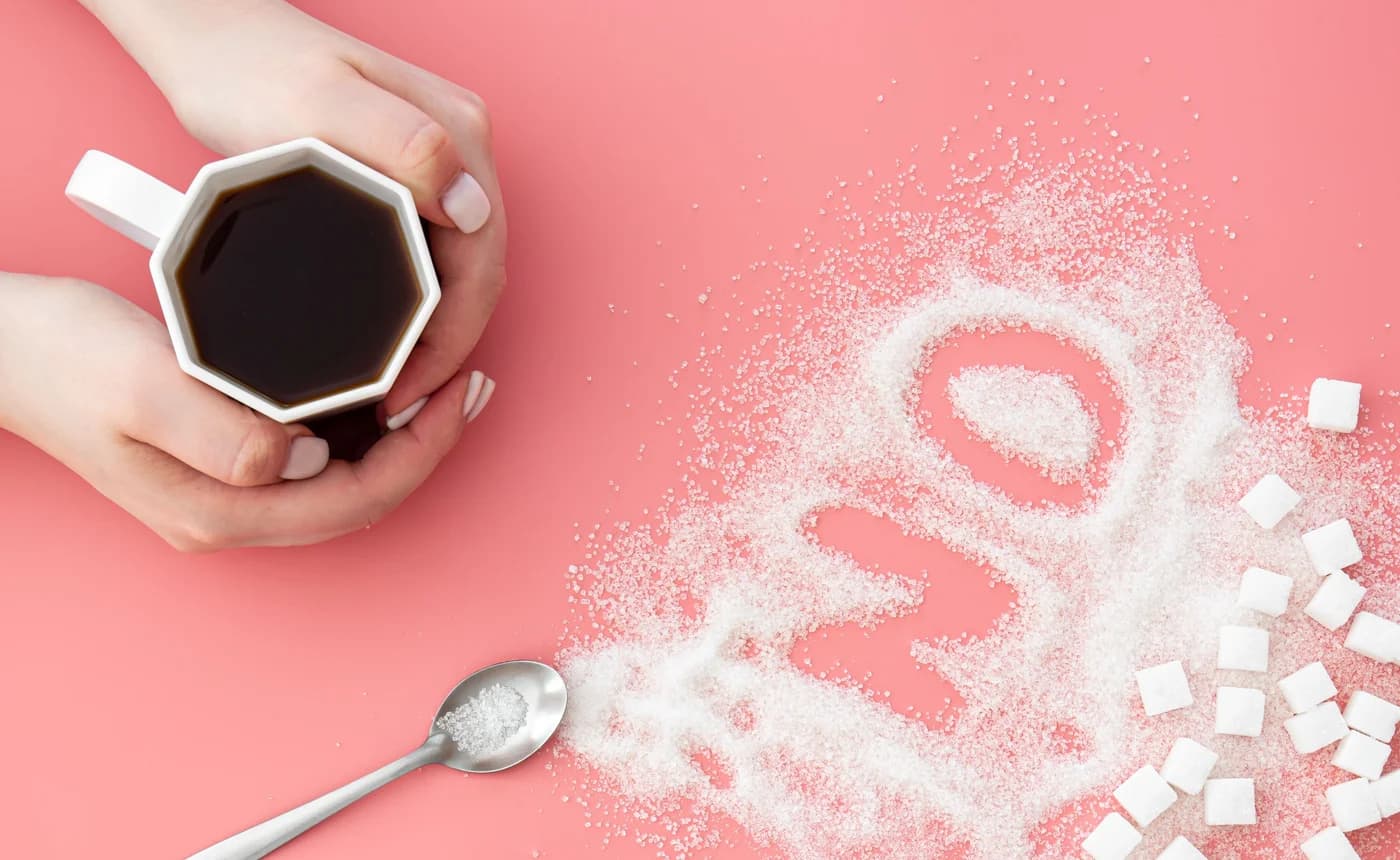
Key Takeaways
- Focus on cutting free sugars, not all natural sugar.
- Start with sweetened drinks.
- Honey and jaggery still count as added sugar.
- Keep fruit, plain dairy and proper meals in your diet.
A “no sugar” plan can start sensibly and become confusing very quickly. First the sweets go, then fruit, milk and even dal get questioned. You do not need to remove every food that contains natural sugar or carbohydrate. For most people, the useful change is reducing free sugars, especially those added to drinks and foods, while keeping meals satisfying.
Decide what you mean by no sugar
Added sugar is put into food or drinks during preparation or processing. Free sugars is a broader term that also includes sugars in honey, syrups and fruit juices. The sugars naturally present inside whole fruit and plain milk are treated differently in public-health guidance.
That means an apple is not the same choice as a glass of sweetened apple drink. Plain curd is also different from a heavily sweetened dessert made from curd.
An achievable goal might be “less sugar in drinks and fewer routine sweets”. A rule such as “nothing with any sugar in it” is more restrictive and can exclude nutritious foods without a clear benefit.
Start with what you drink
Drinks are a good place to look because sugar can enter several times a day without feeling like a snack. Chai, coffee, packaged juices, sweet lassi, soft drinks and flavoured milk can all contribute.
If you make three cups of tea daily, reduce the sugar a little in each cup rather than banning tea. Taste it for a few days before changing it again. You may prefer a smaller cup with your usual sweetness or an unsweetened cup alongside a meal.
Choose water as the ordinary thirst drink. Lemon or mint can add flavour if you like them, but neither is needed to activate hydration. A branded “detox water” does not do a different job simply because it looks more elaborate.
Honey and jaggery still count
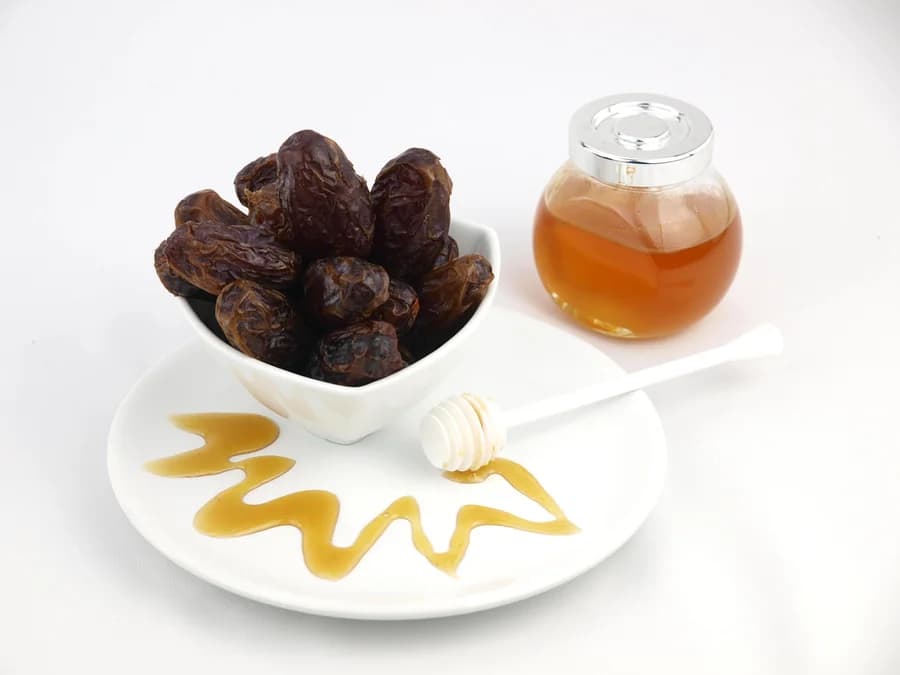
Replacing white sugar with jaggery, honey, brown sugar or maple syrup changes flavour more than it changes the basic decision. These are still concentrated sources of sugar.
A small amount of jaggery in a dish can fit if you enjoy it. The problem is treating it as a free pass to use more. Claims about traces of minerals should not distract from the amount of sugar being added.
For example, a sweetened herbal tea does not become a low-sugar drink because honey replaces sugar. If the aim is less sweetness, reduce the sweetener itself rather than changing only its name.
Keep fruit, plain dairy and proper meals
Whole fruit provides more than sweetness: it brings water, fibre and other nutrients. Choose a piece of fruit or a bowl of cut fruit rather than assuming it needs to be removed from your day.
Plain milk and curd can also fit if you tolerate them. Their naturally occurring lactose does not make them equivalent to a sugary soft drink. Flavoured versions may have added sugar, so they are a different choice.
Roti, rice, potatoes and pulses do not need to disappear either. These contain carbohydrate, but a balanced meal is not judged by whether its carbohydrate can eventually be broken down into glucose. Keep vegetables and a protein food in the meal and choose portions that suit you.
Prevent the afternoon biscuit emergency
Trying to reduce sugar while under-eating at breakfast and lunch is often frustrating. By late afternoon, whatever is easiest to reach becomes attractive.
Make lunch substantial enough, then have a backup snack. Roasted chana with fruit, curd with a few nuts, or a small vegetable-and-paneer sandwich can work. Choose according to your appetite and what is available.
If you want biscuits, put some on a plate instead of eating directly from the packet. This keeps the amount visible without turning the food into something forbidden. A useful plan can include enjoyment as well as nutrition.
Read one relevant line, not the whole packet
You do not need to become a food-label expert. When comparing similar packaged foods, look at added sugar if it is listed and compare the same quantity. Then think about the amount you actually eat.
“No added sugar” does not necessarily mean no naturally occurring sugar. “Sugar-free” does not guarantee low energy, high fibre or a balanced product. It describes one feature, not the whole food.
For breakfast, plain oats with fruit may be a simpler choice than searching through many sweetened cereals. For drinks, water avoids the comparison altogether. Use labels where they help a real decision, rather than making every purchase a technical task.
You do not need a detox period
Your body does not need a special tea, powder or juice programme after you reduce sugar. A headache or tiredness during a strict challenge might relate to eating less overall, a caffeine change or another cause; it is not proof that toxins are leaving.
Keep regular meals and enough fluids. If you have reduced both sweet tea and caffeine at once, a more gradual change may feel easier.
People using insulin or medicines that can cause low blood sugar need to consider substantial dietary changes within their diabetes plan. Cutting large amounts of food suddenly can affect treatment needs. That is different from gently reducing an extra spoonful of sugar in a drink.
Leave room for celebrations
A birthday sweet or a small serving of kheer does not erase the benefit of your usual habits. Enjoy it, then return to normal meals. Skipping dinner to compensate can create another cycle of hunger and overeating.
Start with one regular source of added sugar and make it less frequent or less sweet. Once that feels ordinary, choose another. A routine that lasts through travel, family meals and festivals is more useful than a perfect seven-day challenge followed by exhaustion.
Editorial sources
Frequently Asked Questions
Related Articles

Jaggery vs Sugar: Which Sweetener Is Actually Healthier?
Jaggery is often seen as the natural, guilt-free option, but nutritionally that’s only partly true — both are concentrated carbohydrates that affect.

Maltitol: Sugar-Free Sweets, Blood Sugar and Digestion
Maltitol sweetens many sugar-free chocolates and bars. Here is how it affects calories, blood glucose and digestion, and how to read the label.

Is Diet Coke Healthy? Sugar, Sweeteners, Teeth and Caffeine
Diet Coke has almost no sugar, but it is still an acidic soft drink. What the swap does, what it does not, and how to keep it occasional.
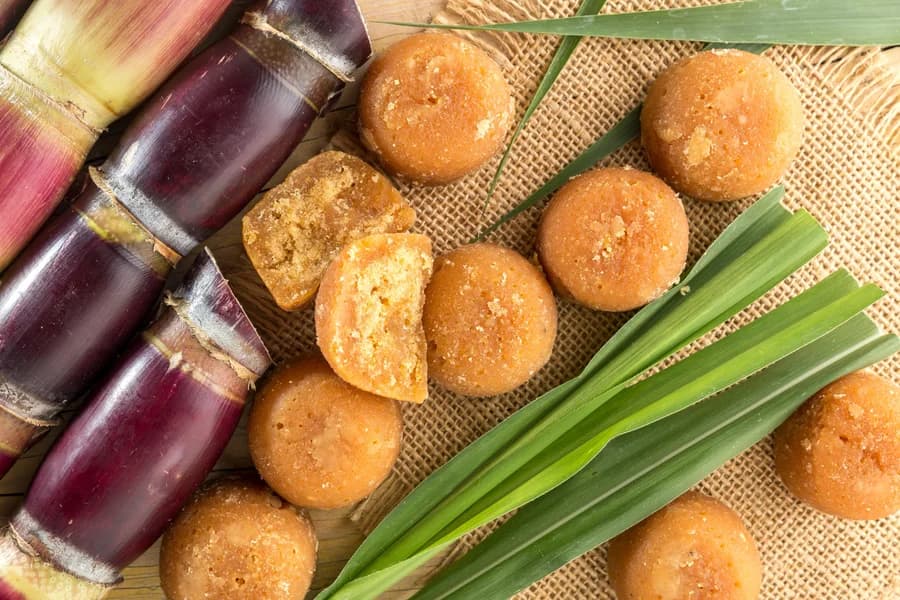
Jaggery Nutrition: Uses and Sugar Facts
Jaggery is concentrated cane or palm juice sold as blocks, granules or syrup. It has a caramel-like flavour but is still mainly sugar.