
Parsley vs Cilantro: How to Tell Them Apart and Use Both
Cilantro is familiar hara dhania; parsley is a different herb. Learn the practical differences without turning a garnish into a nutrition contest.
Key Takeaways
- Cilantro is fresh coriander, or hara dhania.
- Smell is the quickest way to tell them apart.
- Choose by the flavour the dish needs.
- Tender coriander stems can be used too.
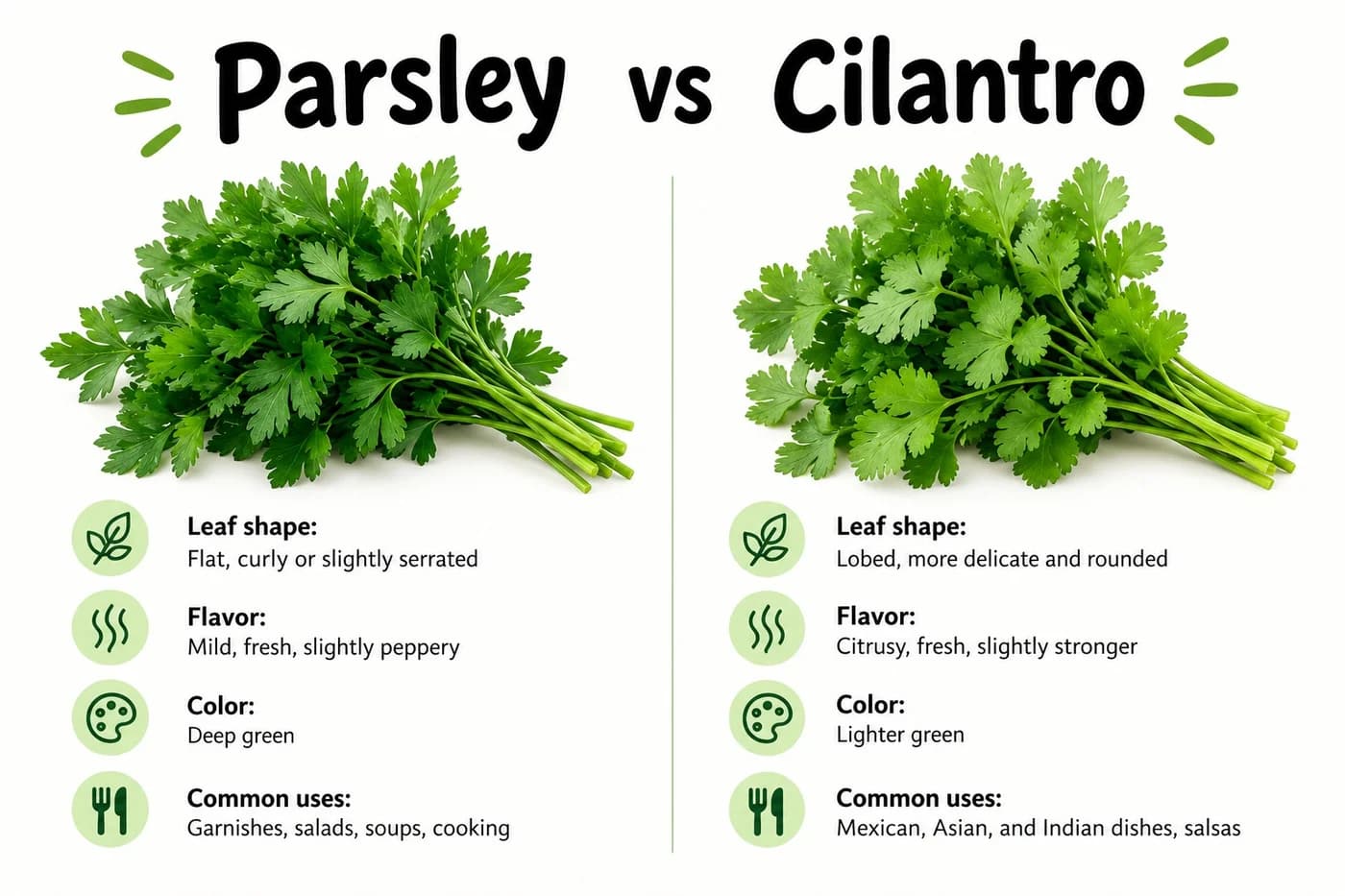
Parsley and cilantro can look similar in a vegetable-shop bunch, especially when the parsley has flat leaves. Smell usually settles the question faster than appearance. Cilantro is the fresh coriander, or hara dhania, familiar in Indian kitchens. Parsley is a different herb with a milder, grassy flavour. Neither needs to win a nutrition contest; choosing the one that suits the dish is more useful.
Cilantro is coriander leaf
In American recipes, cilantro usually means the leaves and tender stems of Coriandrum sativum. In India, we commonly call these coriander leaves or dhania. Coriander seeds come from the same plant but have a different flavour and culinary role.
Parsley comes from Petroselinum crispum. It is available in flat-leaf and curly forms. Flat-leaf parsley is the one most easily confused with coriander, while curly parsley has tightly ruffled leaves.
Both belong to the carrot family, but that does not make their tastes interchangeable. If a recipe asks for coriander seeds, a handful of cilantro is not a direct replacement, and neither is parsley.
Look, then smell
Flat-leaf parsley often has more pointed leaf tips, while coriander leaves tend to have softer, rounded lobes. Leaf shape varies with variety and maturity, so use it as a clue rather than a guarantee.
Rub a clean leaf gently between your fingers and smell it. Coriander has a distinctive strong aroma that many people describe as citrusy. Parsley smells fresher and grassier, usually with less of coriander's characteristic intensity.
At a shop, confirm the name if you are unsure. Do not identify a wild plant for eating merely because it resembles either herb; the carrot family also includes unsafe plants. Buy culinary herbs from a reliable source or grow them from identified edible plants.
Choose by the flavour you want
Coriander is a familiar finish for dal, chana, poha and many chutneys. Its flavour works well with cumin, chilli, ginger and lemon. Adding some near the end of cooking keeps more of its fresh character.
Parsley suits bean salads, vegetable soups, herby dips and simple dressings. Chopped with lemon and a little oil, it can brighten cooked vegetables without giving the dish the unmistakable taste of dhania.
For an easy comparison, divide a small bowl of cooked chickpeas into two portions. Add parsley to one and coriander to the other, keeping lemon and seasoning similar. Tasting the difference in food is more useful than memorising descriptions.
Can you substitute one for the other?
Sometimes, particularly when the herb is a small garnish. The dish will taste different, but it may still be enjoyable. Start with less when introducing an unfamiliar herb.
Substitution is harder when the herb forms the main body of the recipe. Replacing a large bunch of coriander in green chutney with parsley creates a different sauce, rather than the same chutney with identical flavour.
If coriander tastes unpleasant to someone at home, leave it out of their portion or use a suitable alternative such as parsley or mint where the recipe allows. There is no nutritional need to force yourself to like a particular herb.
Why coriander tastes soapy to some people
Some people perceive coriander's aroma very differently, partly because of differences in smell perception associated with genetics. A soapy impression is not proof that the leaves were contaminated, although genuine hygiene concerns should still be taken seriously.
Chopping and combining it with other ingredients may change how noticeable the flavour feels, but it will not make everyone enjoy it. Offer herbs separately when cooking for people with different preferences.
Disliking coriander does not mean a person's diet is deficient or that they need to train their taste buds. Plenty of other herbs and vegetables can provide variety.
Nutrition depends on the amount used
Both herbs contain vitamins and plant compounds. Parsley can contribute vitamin K, and both add small amounts of other nutrients. A garnish, however, is much smaller than the 100 g amounts used in many comparison charts.
A spoonful over dal is not a replacement for the vegetables, pulses or other foods that make up the meal. There is also no dependable evidence that coriander juice or parsley water is needed to cleanse the kidneys or remove heavy metals.
Their everyday advantage is flavour. If herbs help you enjoy a vegetable dish with less dependence on extra salt or a heavy sauce, that is a practical use. You do not need to drink them in concentrated form to make them count.
Use the tender stems too
Coriander's tender stems can be finely chopped into chutneys, sauces and cooked dishes. Remove tough, damaged or dirty parts rather than discarding every stem automatically.
Parsley stems are often firmer. Finely chop tender portions for cooking or use suitable stems to flavour a stock that will be strained. Large woody pieces are less pleasant in a delicate salad.
Wash herbs under running water and remove soil. Do not use soap or household disinfectant on leaves. Dry them sufficiently before chopping or blending so a dressing or chutney does not become unexpectedly watery.
Help a bunch last until the next meal
Remove damaged leaves and refrigerate herbs using a suitable clean container or bag. Keep them from sitting in excess moisture, which encourages deterioration. If storing stems in water, keep the leaves above the water and refresh it as needed.
Wash close to use, or dry washed herbs well before storing. If you will not use the whole bunch, freeze chopped herbs in small portions for cooked dishes. The texture will soften after freezing, so they are less useful as a fresh garnish.
Make chutney in a manageable quantity and refrigerate it promptly. Adding lemon or chilli does not make a fresh herb paste safe to leave warm indefinitely.
A few people need extra care
If you take warfarin, keep vitamin K intake reasonably consistent rather than suddenly drinking large quantities of green juice. You do not usually need to ban herbs; big changes deserve discussion with the team managing the medicine.
Allergic reactions are possible with either herb. An unusual itchy mouth, hives or swelling after eating one should not be dismissed as merely disliking the flavour. Severe swelling or breathing trouble needs emergency care.
For most kitchens, the decision is much simpler. Use coriander for the dhania flavour you know, and try parsley where a gentler herb suits the food. Buy the smaller bunch you will actually use instead of buying both because a comparison promises one is healthier.
Editorial sources
Frequently Asked Questions
Related Articles
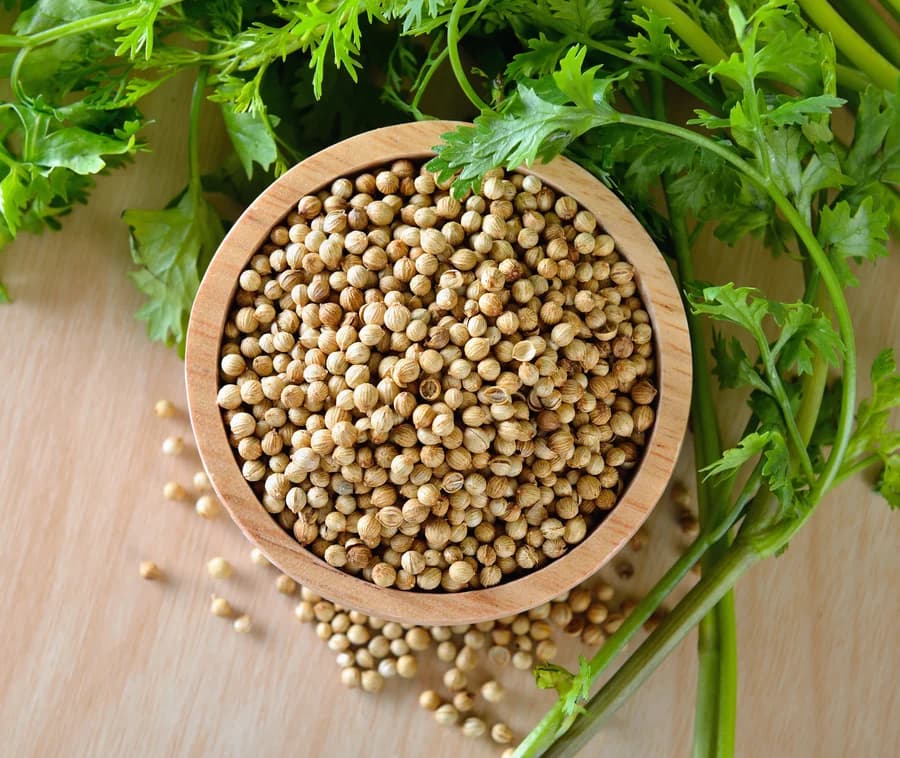
Coriander Seeds: Nutrition, Uses and Evidence Behind the Claims
Coriander (dhania) seeds explained: flavour and nutrition per teaspoon, evidence on digestion and blood sugar, storage and safety of extracts.

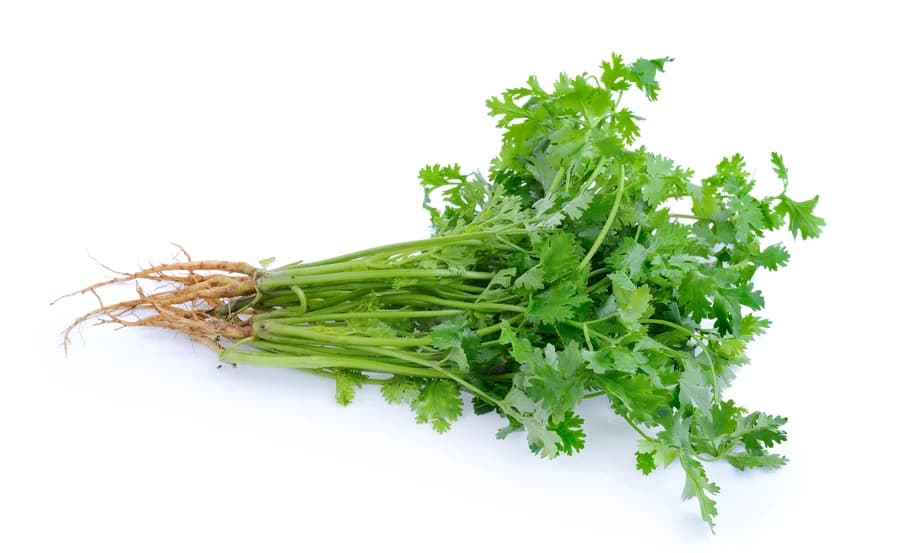
Cilantro: Nutrition, Uses and Food-Safety Tips
What cilantro adds to a meal, how to buy, wash and store it safely, using the stems, warfarin advice and the truth about detox claims.

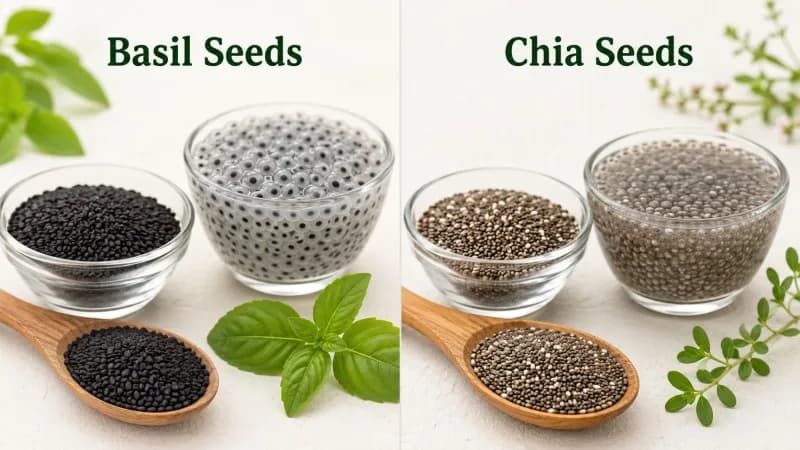
Basil: Fresh Flavour for Everyday Meals
Use basil for fresh flavour in familiar meals, with practical ideas for dips, vegetables and pesto rather than inflated health promises.
Dill: How to Use This Fresh Herb in Everyday Meals
Dill, also sold as suva, shepu or sowa, makes ordinary food taste brighter. Here is how to use this fresh herb in everyday Indian meals.