
Polyphenols: Everyday Plant Foods Without a Superfood List
Build variety with everyday plant foods instead of chasing a polyphenol score or supplement.
Key Takeaways
- Polyphenols are found in tea, fruit, pulses, cocoa and spices.
- Variety of plant foods matters more than counting compounds.
- Antioxidant is a lab description, not a health promise.
- Supplements are not the same as the food.
Tea, apples, pulses, cocoa and many spices have something in common: they contain polyphenols. These plant compounds attract attention for possible health benefits, but you do not need to count them or buy the most expensive berry powder. The useful idea is variety. A range of ordinary plant foods gives you different compounds along with fibre, nutrients and foods you actually enjoy.
What are polyphenols?
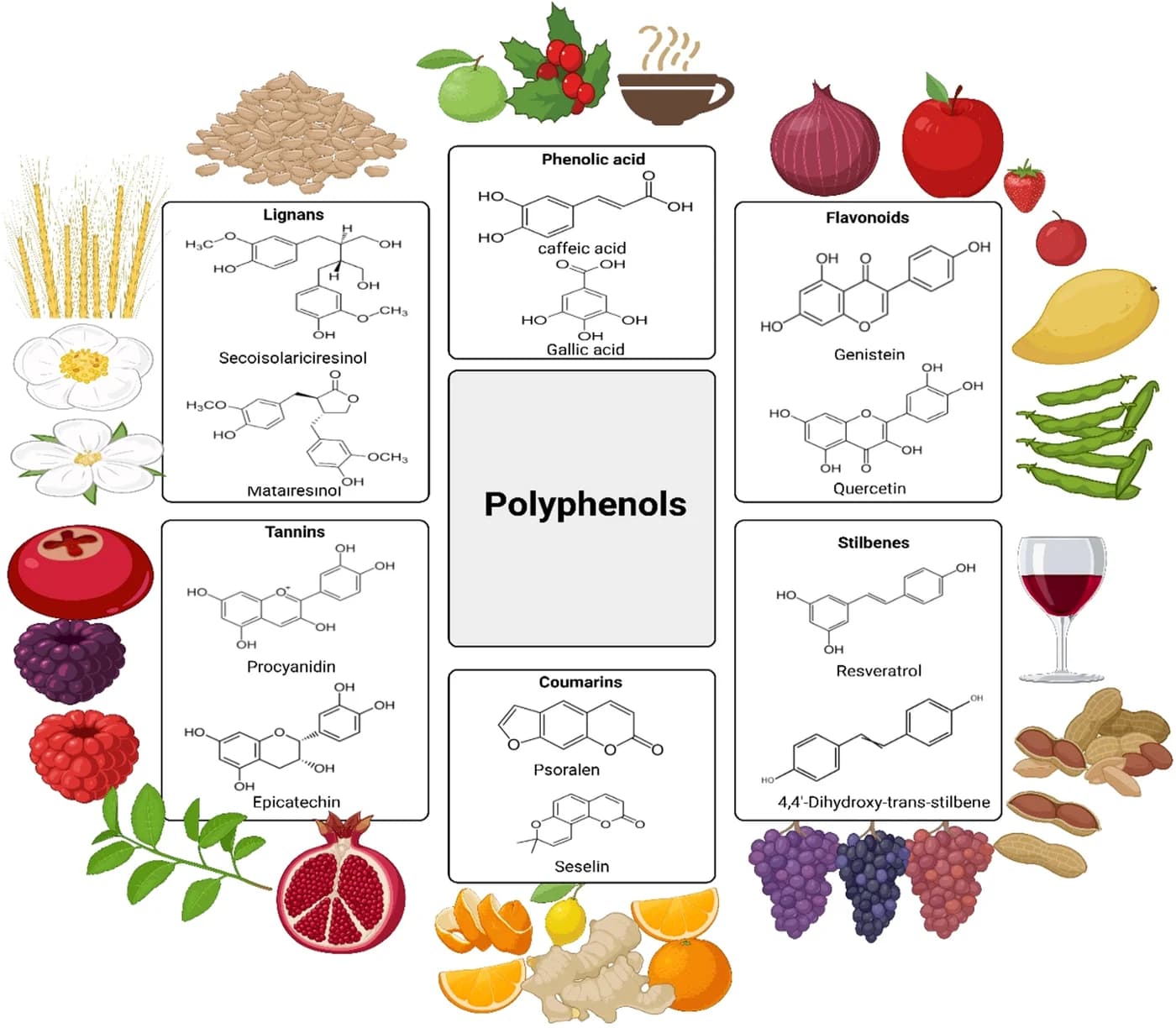
Polyphenols are a large group of naturally occurring plant compounds. Some contribute to colour, bitterness or astringency, while others are less obvious when you eat the food.
Names such as flavonoids, anthocyanins and phenolic acids describe different groups within this broad subject. You do not need to remember the chemistry to make a useful food choice.
They are not one essential vitamin with a single daily requirement. Nor are they interchangeable substances that all produce the same effect. A result for one purified compound cannot automatically be applied to every food or supplement described as rich in polyphenols.
Where you already find them
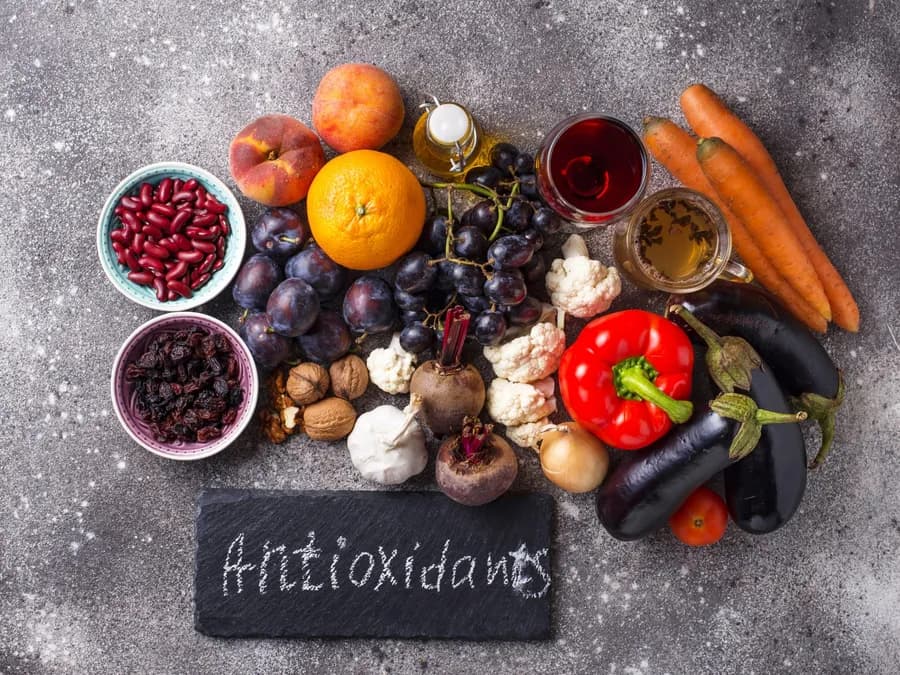
Sources include fruit, vegetables, tea, coffee, pulses, nuts, whole grains, cocoa and herbs and spices. The amount and type vary with the food, variety and preparation.
In an Indian kitchen, onions, apples, beans, peanuts, tea and familiar spices can all contribute. You do not have to replace them with imported ingredients to have a varied plant-food pattern.
Think about useful servings. A spice may have a high concentration per 100 g, but you eat only a small amount. A modest concentration in a food eaten more regularly may contribute more in practice. A ranking alone does not tell you what to put on your plate.
What does antioxidant mean here?
Some polyphenols show antioxidant activity in laboratory tests. That is interesting for research, but a strong result in a test tube does not establish that a food prevents a disease in everyday life.
The body digests, absorbs and transforms compounds in complex ways. The dose reaching a tissue may be very different from the amount used in an experiment.
For readers, this is a reason to keep claims modest. Enjoying fruit or tea can fit a healthy diet without describing it as a guaranteed way to neutralise every harmful process or reverse ageing.
Food patterns are easier to use than compound scores
Studies of diets and health cannot always separate the effect of polyphenols from fibre, minerals, other plant compounds and lifestyle. That does not make the foods unhelpful; it limits how precisely we can assign the benefit.
A diet with more pulses, vegetables and fruit can improve several things at once. You do not need proof that one pigment did all the work before making that change.
Choose a pattern that gives practical benefits too: meals that are satisfying, affordable and enjoyable. Those are more useful day-to-day tests than a numerical antioxidant score on a product packet.
Add variety through meals you already cook
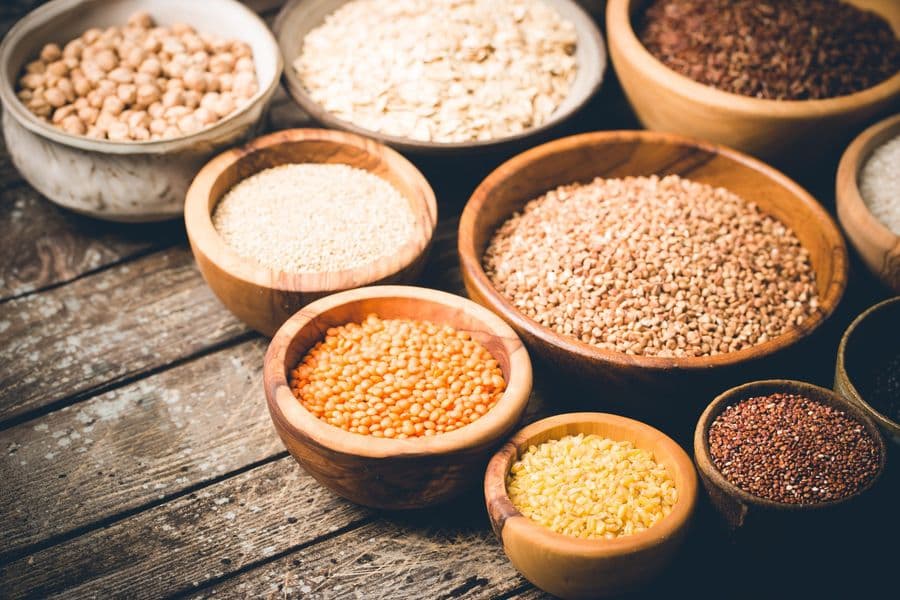
If you make dal regularly, rotate the pulse and vegetables. Add a vegetable side rather than relying on the same small garnish at every meal.
Use fruit as a real snack or meal accompaniment. An apple, guava or seasonal fruit is a straightforward choice when it is available. Whole fruit usually offers more eating substance than a sweetened juice promoted for its plant compounds.
Nuts can add texture to porridge, curd or a vegetable dish in a small amount. Herbs and spices can make familiar foods more appealing, but there is no need to take large spoonfuls for a polyphenol target.
Tea and coffee are optional contributors
Both contain polyphenols, but they also contain caffeine unless decaffeinated. Their contribution is not a reason to keep adding cups when sleep or anxiety is affected.
If you already enjoy tea or coffee, have an amount that suits you and consider how much sugar is added. A very sweet café drink does not become a better everyday choice solely because coffee is present.
If you do not drink either, you are not missing a compulsory health habit. Other plant foods provide a wide range of compounds. Food variety does not require everyone to use the same drinks.
Cocoa and wine claims need perspective
Cocoa contains polyphenols, but chocolate products vary in cocoa, sugar and fat. A small portion you enjoy can fit; eating a large bar for its antioxidant content is not a sensible nutrient strategy.
Likewise, polyphenol claims are not a reason to begin drinking alcohol or increase it. The risks of alcohol are not cancelled by compounds in wine.
You can obtain plant foods without making either chocolate or wine the centre of the plan. The most convenient source is not necessarily the one with the strongest health marketing.
Preparation changes compounds, but do not fear cooking
Processing and cooking can change polyphenol content, and the effects differ between foods and compounds. There is no single rule that every raw food is better than every cooked one.
Cook pulses properly and prepare vegetables in ways you enjoy. Boiled, steamed, sautéed and raw foods can all have a place where appropriate.
Avoid making the pursuit of one compound undermine food safety or enjoyment. A varied cooked meal you repeat is more useful than an uncomfortable raw-food plan designed around preserving a theoretical maximum.
Supplements are not the same as the food
A concentrated extract may supply amounts or combinations quite different from normal eating. More is not automatically beneficial, and some extracts can interact with medicines or cause adverse effects.
There is no established universal polyphenol supplement everyone should take. Claims about blood sugar, immunity or longevity need evidence for the actual product and outcome, not just the fact that plants contain interesting chemicals.
Start with one ordinary improvement: add a pulse dish, vary a vegetable or keep fruit available. You can build a varied plant-food routine without turning meals into a chemistry exercise or a race to collect superfoods.
Editorial sources
Frequently Asked Questions
Related Articles
Antioxidant Supplements: What the Trials Found, Benefits and Risks
Big trials of beta-carotene, vitamin E and selenium pills found no broad protection and some harm. When antioxidant supplements help and when to skip.

Glutathione-Rich Foods: How the Body Makes Its Own Antioxidant
Your body makes glutathione from amino acids. See which foods contain it or support its production, and why detox and skin claims fall short.

Antioxidants: Nutrition Facts, Uses and Safety
Antioxidants can add variety, flavour and useful nutrients to a vegetarian eating pattern. Its exact nutrition depends on the form, serving and.
Vitamin C Benefits: Immunity, Skin, Antioxidants & Sources
Vitamin C strengthens immunity, builds collagen for skin and joints, and improves how well you absorb iron from plant foods. See its full benefits and.