
Rambutan: How to Eat It and What It Offers
A simple guide to opening, serving and storing rambutan, with realistic nutrition advice.
Key Takeaways
- Open the shell, eat the white flesh and leave the seed.
- Rambutan is a sweet fruit that adds variety.
- Fresh fruit and canned fruit in syrup are different choices.
- Skip seed and peel remedies.
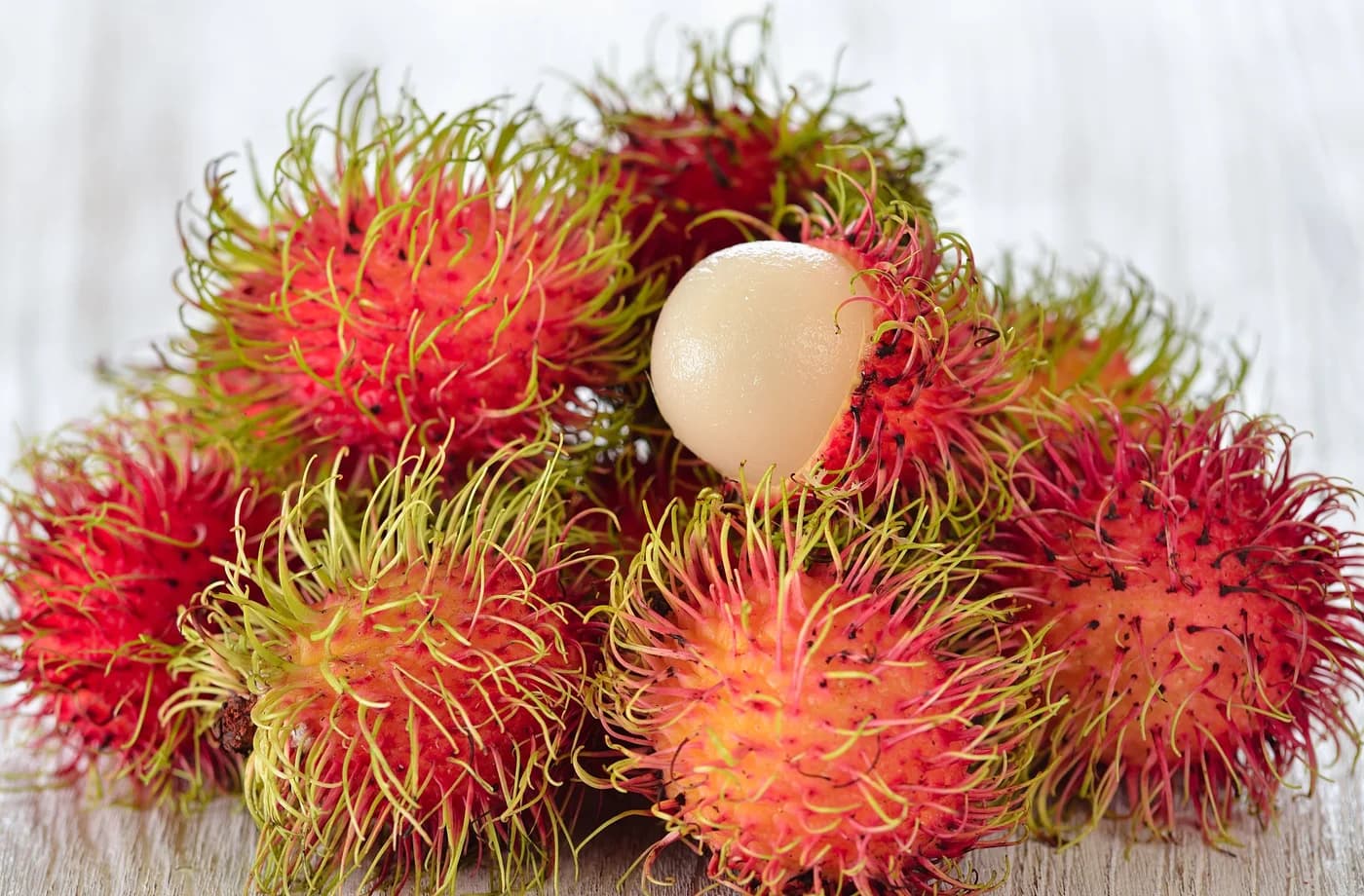
Rambutan looks more complicated than it is. Beneath the soft, hairy-looking shell is a juicy white fruit with a sweet, lightly floral flavour. If you have seen it at a fruit stall and wondered what to do with it, the answer is straightforward: open the skin, eat the flesh and leave the seed. It can be an enjoyable addition to your fruit bowl without needing a long list of health promises.
Meet the fruit inside the shell
Rambutan grows in tropical regions and is related to lychee and longan. Depending on the variety, the outside can be red or yellow. The pale edible flesh surrounds a central seed, and some varieties release that seed more easily than others.
Its unusual appearance does not make it a special category of food. Think of it as another fresh fruit, alongside familiar choices such as guava, papaya or oranges. You can enjoy the variety without needing to replace your regular fruit or buy it when it is expensive.
Rambutan is best approached as a seasonal pleasure. A small amount is enough to find out whether you like the flavour and texture.
How to open and eat a rambutan
Wash the outside before opening it, even though you will not eat the shell. Use clean hands and a clean knife if needed. Carefully make a shallow cut around the skin without slicing deeply into the flesh, then ease the two halves apart.
Lift out the flesh and separate it from the seed before eating. If the seed clings tightly, cut the edible flesh away rather than biting hard into the centre. Discard the skin and seed.
For children, remove the seed yourself and cut the fruit into suitable pieces. A slippery whole fruit with a hidden hard centre is not a good food to hand over without preparation. Young children should sit down while eating and have an adult nearby.
What does rambutan contribute?
The edible flesh contains water, carbohydrate and vitamin C. Its exact nutrient content depends on variety, ripeness and growing conditions. Fresh rambutan should not be confused with canned fruit packed in syrup when comparing nutrition figures.
Vitamin C contributes to normal immune function and helps the body absorb iron from plant foods. That does not mean rambutan prevents infections or treats low iron. It is one possible source within a varied diet.
The fruit provides little protein or fat. If you want a more substantial snack, combine it with plain curd or a small portion of nuts rather than expecting fruit alone to carry you through a long afternoon.
Start with a small bowl of flesh
There is no medically required number of rambutans to eat. The fruits differ in size, and the shell and seed make up part of the weight. A small bowl of prepared flesh is a more useful serving idea than counting a large handful of unopened fruit.
You can include it as one fruit choice in your day. If you are still hungry, add another food rather than repeatedly refilling the bowl because the pieces look small.
For someone managing diabetes, rambutan is not automatically forbidden, but it still supplies carbohydrate. A modest portion of fresh fruit is easier to fit into a meal plan than a large serving of syrup-packed fruit or juice. Personal glucose responses and the rest of the meal matter too.
Ways to serve it beyond the fruit bowl
Rambutan is delicate, so simple combinations work well. You do not need to hide it in a complicated smoothie.
- Add seeded pieces to plain curd with a little chopped mint.
- Combine it with orange segments and cucumber for a fresh salad.
- Serve it beside a small bowl of unsalted nuts.
- Add it to a fruit chaat with lime and a light touch of roasted cumin.
- Use a few pieces as a topping for unsweetened porridge after cooking.
Taste before adding honey or sugar. Ripe rambutan may already provide all the sweetness you want. A fruit salad also does not need to become a large bowl of cream to feel like dessert.
Fresh fruit and canned fruit are different choices
Canned rambutan is convenient when fresh fruit is unavailable. Fruit in juice or without added sugar may suit everyday use better than fruit in heavy syrup. Draining syrup reduces how much of it you eat, but does not turn a sweetened product into fresh fruit.
The main decision is how you will use it. A few canned pieces as dessert can fit occasionally; eating a large can because it is “just fruit” makes portions easy to overlook.
Dried, candied or sweetened rambutan products also deserve their own description. Their concentrated sweetness and serving sizes differ from a bowl of fresh flesh. They are not interchangeable simply because the same fruit appears on the packet.
Choosing fruit and keeping it fresh
Look for fruit with intact skin and no leaking, mould or sour smell. The soft outer projections naturally lose freshness over time, so appearance is useful alongside smell and the condition of the shell. Colour alone cannot tell you everything about quality.
Buy a quantity you can eat soon and refrigerate it. Once peeled, keep the flesh covered and chilled, and prepare only what you need. Discard fruit that develops mould, an unpleasant smell or a slimy texture.
Avoid leaving a bowl of peeled fruit out for hours in warm weather. For a picnic or travel snack, a fruit that can stay intact until eating may be more practical.
Skip seed and peel remedies
Research on rambutan extracts sometimes appears in discussions of antioxidants and traditional uses. An extract studied in a laboratory is different from a safe home recipe. Do not grind the seeds into smoothies or boil the peel as a health drink based on those claims.
The edible flesh is the part to enjoy. If rambutan does not suit your taste or budget, familiar seasonal fruits offer plenty of variety too. Its value lies in being a pleasant food you can eat safely, rather than an essential superfruit you need to seek out.
Editorial sources
Frequently Asked Questions
Related Articles
Best Time to Eat Fruit: Morning, Night or With Meals?
There is no magic hour for fruit. Learn how to time it around meals, exercise, diabetes, reflux and medicines without strict rules.

Blue Fruits: Nutrition, Benefits and Simple Ways to Enjoy Them
Blueberries, jamun, dark grapes and plums get their colour from anthocyanins. What the evidence shows, plus fresh, frozen and dried options.

Chikoo (Sapota) Fruit: Nutrition, Portions and Safety
Chikoo is sweet, soft and filling. Learn what it provides, how to pick a ripe one, portions for glucose control, and why shakes differ.
Jujube Fruit: Nutrition, Uses and Safety
Fresh vs dried jujube, what the fruit really provides, which health claims hold up, and how to serve it safely.