
Red Banana: Nutrition, Portions and Easy Ways to Eat It
Red bananas are sweeter and softer than yellow ones but nutritionally similar. How ripeness, portion and pairings change what this fruit does for you.
Key Takeaways
- Red bananas give carbs, fibre, potassium, vitamin B6 and vitamin C, much like yellow bananas.
- The red colour is in the peel; edible-flesh nutrition differs little between varieties.
- Riper fruit is softer and sweeter; greener fruit holds more resistant starch.
- Pair a banana with curd, nuts or peanut butter for a snack that keeps you full longer.
- People with advanced kidney disease may need potassium limits set by their doctor.
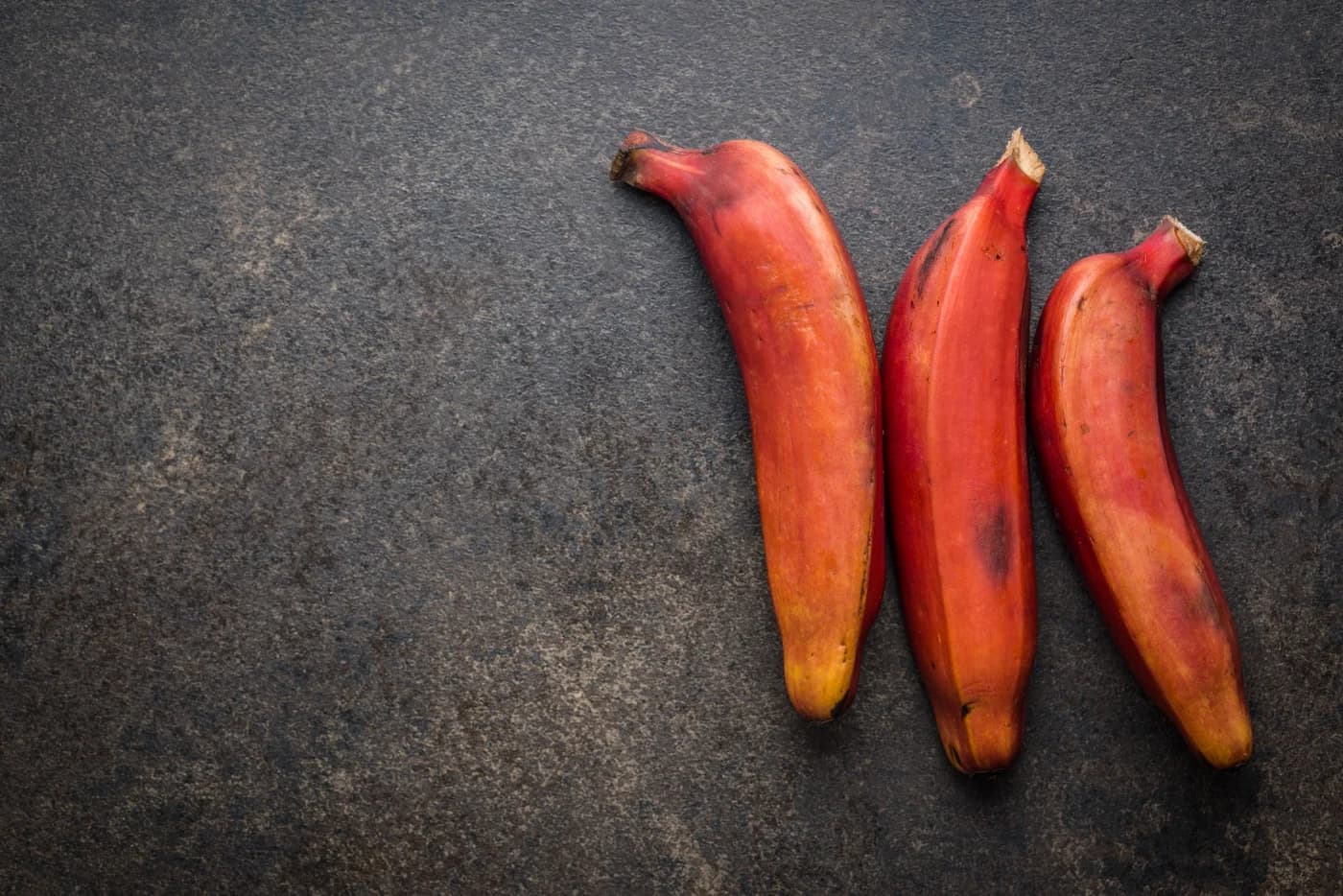
Red bananas are smaller and often sweeter than the familiar yellow Cavendish banana, with a soft, creamy texture and a faint berry-like flavour when ripe. Their reddish-purple peel makes them look unusual, but nutritionally they belong to the same family as other bananas. They provide carbohydrate, fibre, potassium, vitamin B6 and vitamin C. They make a convenient snack, but the colour does not make them a cure or automatically superior. What matters most is ripeness, portion and how the fruit fits into the rest of the meal.
Because red bananas are less common in many markets, health claims often become part of their appeal. Compare freshness, price and how much you enjoy them. A yellow banana, guava or papaya can serve the same everyday purpose when red bananas are unavailable or expensive. For young children and older adults, slice the fruit lengthwise or mash it to reduce choking risk.
How are red bananas different?
The most obvious difference is the peel, which deepens from maroon to reddish purple as the fruit ripens. Inside, the flesh is cream-coloured with a slight pink tone. Variety, growing conditions and ripeness affect size and flavour. The red peel contains pigments, but it is normally discarded, so claims that red bananas have dramatically more antioxidants than ordinary bananas should be treated carefully unless the comparison is about the edible part.
Red bananas are often sold ripe enough to eat within a few days and may feel softer than yellow bananas even before the peel develops dark marks. Use aroma and gentle pressure rather than colour alone: a ripe fruit smells sweet and yields slightly without feeling watery. The nutritional differences between varieties are much smaller than the difference between eating whole fruit and drinking a sweetened banana shake.
What nutrition do you get?
A red banana is mainly a carbohydrate food. It provides natural sugars, some starch and a modest amount of fibre, plus potassium and vitamins B6 and C. Exact values vary with size, so a small fruit is not equal to a very large one. Potassium supports normal nerve and muscle function and blood pressure, while vitamin B6 takes part in many metabolic reactions. These are useful everyday contributions, not proof that one banana can fix fatigue, cramps or a diagnosed deficiency.
The fruit contains very little protein or fat, which is why a banana alone may keep you full for a shorter time than a mixed snack. Pair it with unsweetened curd, a spoonful of peanut butter or a few nuts and seeds when you need more staying power. Variety still matters: guava, citrus, papaya and other fruits bring different fibres and plant compounds.
Does ripeness change it?
During ripening, enzymes break down much of the banana's starch into simpler sugars, so the fruit becomes softer, sweeter and easier to mash. A greener banana contains more resistant starch, while a very ripe one contains more readily available sugar. This can influence taste, digestion and blood glucose response. Some people find less-ripe bananas constipating or bloating; others tolerate them well.
If you monitor blood glucose, look at size and ripeness rather than the word banana alone. A small fruit eaten with a meal affects most people differently from two very ripe fruits blended with milk and dates. Blending also makes the fruit quicker to consume and removes the chewing that adds to fullness.
How can you eat it well?
The simplest option is to peel and eat it as a snack. Sliced red banana also works with plain curd, oats, chia seeds or a few walnuts. Before exercise it provides quick carbohydrate, especially when there is no time for a full meal; match the portion to the session.
For dessert, use the fruit's sweetness instead of adding sugar. Mash it into porridge, blend a small amount into an unsweetened lassi or freeze slices for a thicker smoothie. A smoothie can still become energy-dense when several fruits, sweeteners and nut butters are combined. Red banana browns after cutting, so add it close to serving.
Who needs extra care?
People with advanced kidney disease may be asked to limit potassium, but the right limit depends on blood tests, kidney function and medical advice, so do not cut out all fruit on your own. People with diabetes can usually include fruit, but quantity and context matter; a dietitian can help you fit fruit alongside roti, rice and other carbohydrates.
Banana allergy is uncommon but possible, and cross-reactions can occur in people with latex allergy. Itching, swelling, hives, breathing difficulty or repeated vomiting after eating need medical attention, and throat or breathing symptoms are an emergency. Store unripe fruit at room temperature and refrigerate once ripe to slow softening. Discard fruit with mould, leaking liquid or a fermented smell.
The bottom line
Red banana is a nutritious fruit, not a treatment. Enjoy a portion that suits your appetite and glucose needs, and pair it with protein or healthy fat when you want a more satisfying snack. For more on bananas in general, see our guides to banana benefits and banana and diabetes.
Editorial sources
Frequently Asked Questions
Related Articles
Banana Benefits: Nutrition, Ripeness and Best Times to Eat One
Bananas provide carbohydrate, fibre, potassium and vitamin B6 in a portable fruit. Learn ripeness, portions and the best times to eat one.
Banana calories and carbohydrates: a practical guide
Understand banana calories and carbs by size, plus potassium, portions, blood sugar tips and easy balanced snack ideas for every day.

Is Banana Good for Diabetes? Portions, Ripeness and Pairings
Banana can fit a diabetes eating plan when portion, ripeness and pairing are right. Here is how to include it and check your own response.


Low Glycemic Index Foods: What They Are and Why They Matter for Blood Sugar
Low glycemic index foods raise blood sugar slowly and steadily instead of causing a sharp spike. See what glycemic index actually measures, and everyday.