
Soy Sauce Ingredients: What Is in the Bottle?
Understand the ingredients behind soy sauce and use a small amount effectively in familiar meals, with clear distinctions about salt and allergens.
Key Takeaways
- Brewed soy sauce usually contains soybeans, wheat and salt.
- A small amount adds a lot of sodium.
- Light and dark do not mean low and high salt.
- Soy sauce often contains gluten.
Soy sauce gives noodles, stir-fries and soups a deep savoury flavour. Traditionally brewed versions commonly start with soybeans, wheat, salt and water, although recipes and products vary. The main everyday considerations are its salt content and, for some people, soy or wheat allergy and gluten. You can use it to season food well without treating it as a protein food or an unlimited healthy condiment.
The familiar brewed version
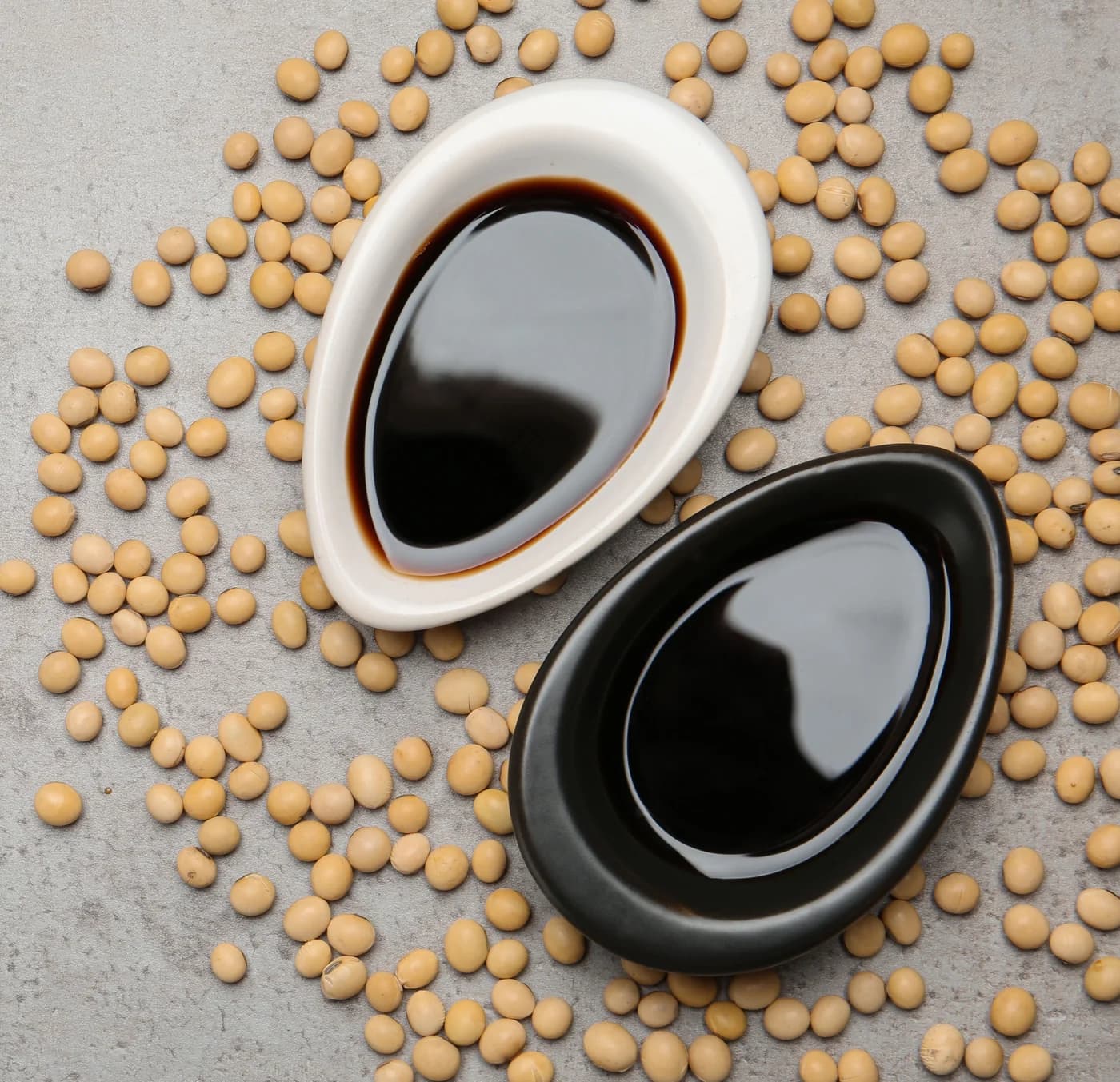
The familiar brewed sauce starts with four main ingredients:
- Soybeans
- Wheat
- Water
- Salt
Prepared soybeans and wheat are combined with a starter culture and then fermented in a salty mixture. This develops the aroma, colour and savoury taste. The liquid is pressed and may be heated and bottled.
The fermentation process breaks down food components and produces flavour compounds. Its role here is culinary. It does not mean a spoonful is a measured probiotic treatment or a meaningful substitute for eating soybeans.
Some sauces are made differently, including products using hydrolysed vegetable protein or a blend of methods. These can taste different. A shorter fermentation story does not by itself tell you how much salt is in the serving you use.
Why wheat appears in soy sauce
The name draws attention to soy, but wheat is a common ingredient in many familiar brewed sauces. Someone avoiding wheat should not assume that the word soy makes the product suitable.
Fermentation does not make ordinary wheat-containing soy sauce reliably gluten-free. For coeliac disease, use a product specifically labelled gluten-free rather than relying on colour, price or a claim that it is traditionally brewed.
Tamari is often associated with a higher proportion of soybeans and little or no wheat, but the name alone is not a guarantee. Some tamari products contain wheat. This is one situation where confirming the exact product is useful because it directly affects whether you can use it.
Light and dark do not mean low and high salt
In many cooking traditions, light soy sauce is used mainly for seasoning, while dark soy sauce contributes a deeper colour and sometimes sweetness or a thicker texture. These names describe culinary styles, not a dependable nutrition ranking.
A light-coloured sauce can still contain plenty of sodium. A dark sauce is not necessarily stronger in every flavour or lower in salt because less is needed for colour.
Use the type the recipe needs, then taste before adding extra salt. If you substitute one for another, start with less and adjust. Matching colour alone can result in an overly salty dish.
A little can contribute a lot of sodium
Soy sauce is a concentrated seasoning. Sodium content varies, but a tablespoon can supply a substantial amount of the day's intake. Pouring freely at the table can add more than the amount used in cooking.
For a simple illustration, if a sauce supplies 900 mg sodium per tablespoon, half a tablespoon contributes 450 mg. Sharing that amount across a dish for two divides the contribution again. These are example calculations, not values for every bottle.
The useful question is the amount reaching your plate. A small quantity spread through vegetables and tofu differs from using the same quantity as a personal dipping sauce and then refilling it.
Make less sauce do enough
Build flavour with ginger, garlic, chilli, vinegar or lemon alongside a modest amount of soy sauce. You may find you need less additional salt when the sauce is already present.
For a quick dinner, cook vegetables and tofu, add a small measured splash of soy sauce and finish with acidity. Serve with rice or noodles in an amount that suits your appetite. The sauce seasons the meal; the tofu and other foods provide its substance.
If a dish tastes flat, consider whether it needs acidity or aroma before adding another large pour. More salt is not always the missing element. Taste at the end, especially when reducing a sauce, because water loss concentrates seasoning.
What reduced-sodium versions change
A reduced-sodium product may help lower intake compared with its regular counterpart, but it can still be salty. Using twice as much because it sounds healthier can erase the intended reduction.
Some lower-sodium products use potassium-containing ingredients. If you have a prescribed potassium restriction or take medicines that raise potassium, assess the particular substitute within that plan.
If blood pressure or heart failure care includes a sodium limit, count sauces and condiments as part of it. You do not need to ban all flavour; use smaller amounts and expand the seasonings that are not mainly salt.
Soy allergy is different from gluten avoidance
Gluten-free soy sauce usually still contains soy. It can suit some people with coeliac disease while remaining unsuitable for someone with a soy allergy.
Coconut aminos and other alternatives have different ingredients, sweetness and sodium levels. They are not automatic one-for-one nutritional equivalents, although one may work as a culinary substitute.
In restaurants, sauces may be used in marinades, dressings and mixed seasonings even when the main dish looks plain. If you have a serious allergy or coeliac disease, explain the specific restriction rather than asking only whether the dish is healthy or vegetarian.
Fermented does not mean a live-culture supplement
Many bottled sauces are heated during processing. Even when microbes remain in a food, that does not establish a particular probiotic benefit at the amount eaten.
Soy sauce also contributes little protein in a usual seasoning portion compared with tofu, tempeh, dal or whole soybeans. There is no reason to add extra spoonfuls to increase protein intake.
Think of its value as flavour. It can make a vegetable-rich meal more appealing, which is useful enough without claims about detoxification, hormone balance or gut repair.
Use and store it as a condiment
Follow the bottle's instructions after opening, including refrigeration where advised. Keep the cap and pouring area clean, and avoid returning used dipping sauce to the main bottle.
For homemade dips containing water, fresh garlic or other additions, use appropriate refrigeration and make a small quantity. Adding soy sauce does not make every mixture safe to leave warm indefinitely.
Once you know which type suits your cooking and dietary needs, you can keep the decision simple: use a modest amount, taste the whole dish and let other ingredients supply the rest of the flavour.
Editorial sources
Frequently Asked Questions
Related Articles
Soy Lecithin: Why It Is in Food and What It Means
A clear explanation of a common food emulsifier, without unnecessary ingredient fears.

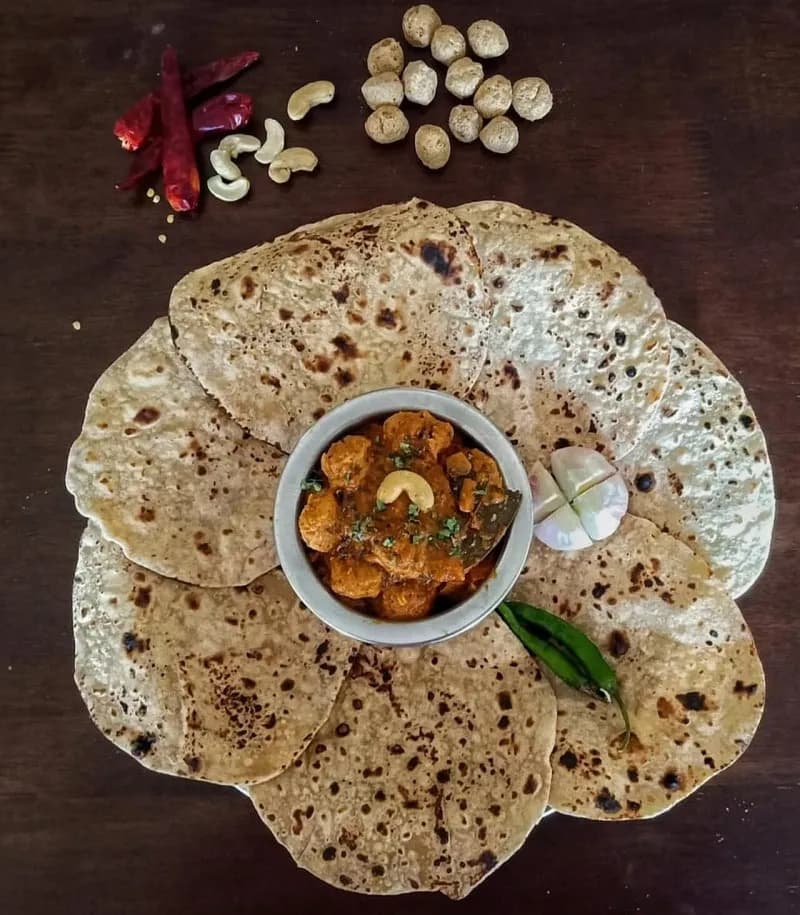
Soy Protein: Food Sources, Portions and When Powder Helps
Soy is a complete plant protein. See how tofu, soya chunks, soy milk and powder compare, and how to use them in everyday Indian meals.

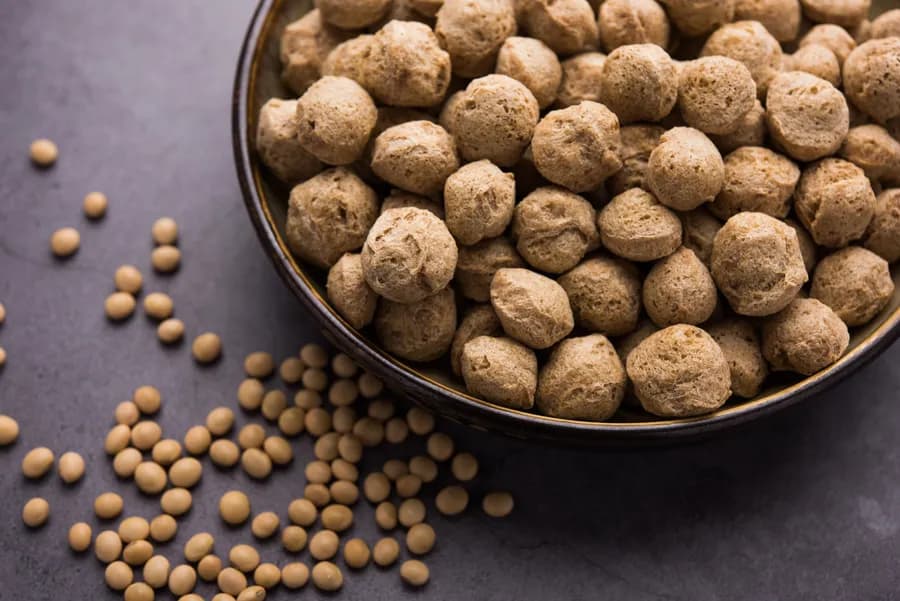
Soybean Nutrition: Protein, Uses and Safety
Soybeans provide high-quality plant protein, fibre, unsaturated fat, iron and other nutrients.
Protein in Soya Chunks: How Much Is Really in There?
Protein in soya chunks is roughly 52g per 100g dry — one of the most concentrated vegetarian protein sources around, though the number changes once you.