
Spearmint Tea: What the Research Says About Hormones
Spearmint tea is popular for PCOS and unwanted facial hair. Here is an honest look at what the small studies show and what the tea cannot do.
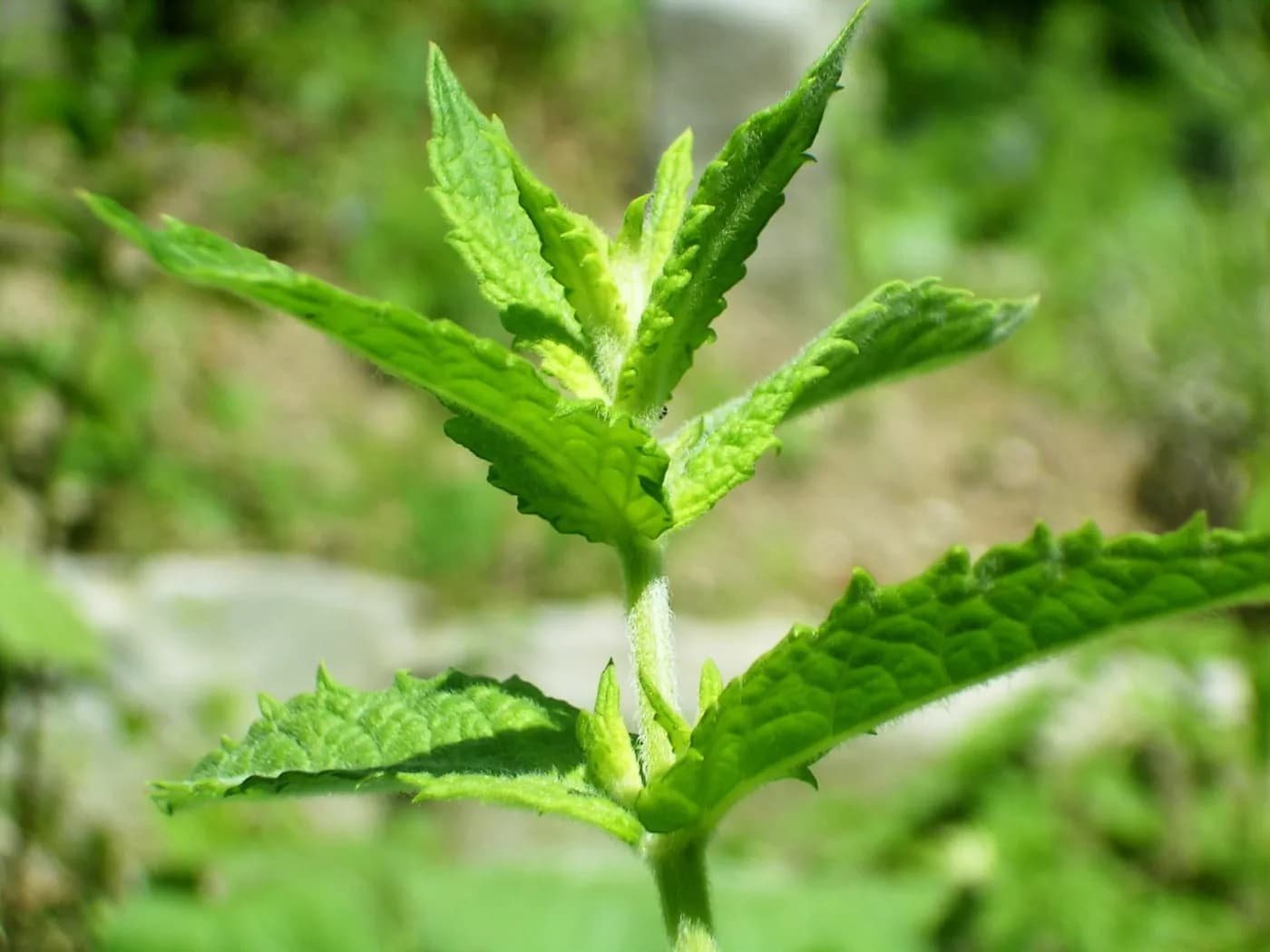
Key Takeaways
- Small studies suggest spearmint tea may lower some androgen levels, but evidence is limited.
- It is not a treatment for PCOS.
- A cup or two a day of plain spearmint tea is a gentle, caffeine-free drink.
- Ask your doctor before using it in pregnancy or with medicines.
Spearmint tea has become a favourite on women’s wellness feeds, especially for PCOS, unwanted facial hair and “hormone balance”. It’s fresh, soothing and easy to make at home. But does it do what the posts promise? Here’s an honest look at what’s known and what isn’t.
What it is
Spearmint tea is made by steeping spearmint leaves in hot water. When it’s made only from spearmint, it’s naturally caffeine-free, which makes it a gentle choice for an evening cup. Spearmint is different from peppermint, though people often mix them up. The taste is milder and a bit sweeter.
Many tea bags and blends add other herbs, green tea or black tea, so check the label if you want to avoid caffeine or a particular ingredient.
What the studies suggest
A few small trials have looked at women with higher androgen levels (the “male” hormones that everyone has in small amounts). Some reported changes in free testosterone, and some women rated their facial hair growth as improved.
That sounds promising, but it’s early. The studies were small and short, so they can’t tell us whether any benefit lasts, whether it helps fertility or how much tea would be needed. Please treat these findings as interesting hints, not proof.
What it can’t do
Spearmint tea does not cure PCOS. It doesn’t replace a diagnosis, tests or the treatment a doctor recommends. PCOS and other hormone conditions are complicated, and they affect periods, skin, hair, weight and fertility in different ways for different people.
If you have PCOS, a doctor or dietitian can build a plan around your symptoms and test results. A cup of tea can be a pleasant part of your day, but it shouldn’t stand in for that plan. For movement that fits alongside medical care, our yoga for PCOD guide is a good place to begin.
A soothing drink after meals
Many people find spearmint refreshing after a meal, and a warm cup can feel calming. But mint can relax the muscle at the lower end of your food pipe, which may let acid creep upwards. For some people, that means more heartburn.
If you get reflux, notice how you feel after a cup. If it makes things worse, have it earlier in the day, make it weaker or skip it. If heartburn is frequent or comes with trouble swallowing, repeated vomiting or weight loss you can’t explain, please see a doctor.
How to make a good cup
It’s very simple:
- Take a small handful of fresh spearmint leaves, or one plain spearmint tea bag.
- Pour hot water over them and let them steep for a few minutes, as the pack suggests.
- Strain and sip.
Taste it before adding anything. A little lemon is nice, and if you want sweetness, keep it small, since sweeteners add up. For easy ways to cut back on sugar, read our guide on how to control sugar naturally.
How much is okay?
There’s no established therapeutic dose for spearmint tea. Stick to ordinary food-level amounts, such as a cup or two, and notice how you feel. Drinking far more in the hope of a bigger effect isn’t a good idea, because the research doesn’t show that more is better.
Tea versus oil and extracts
Spearmint essential oil and concentrated extracts are not the same as tea. They’re far stronger, and they shouldn’t be swallowed casually. Please don’t add essential oil to drinks or take extracts without talking to a doctor or pharmacist first. Concentrated products need much more caution than a cup of leaves in hot water.
Pregnancy, breastfeeding and medicines
The safety of spearmint in pregnancy and breastfeeding isn’t well established, and the same goes for use alongside regular medicines. A cup of mild tea is very different from a daily medicinal amount, but it’s still worth checking with your doctor if you’re pregnant, breastfeeding, trying to conceive or taking medicines for a long-term condition.
Signs that need a check-up
Some symptoms deserve proper assessment, not another home remedy:
- Irregular or missing periods
- New facial or body hair
- Acne that keeps coming back
- Hair loss on your scalp
- Difficulty getting pregnant
These can have several causes, and a doctor can look at your symptoms and decide which tests make sense. If hair fall is your main worry, our guide on how to stop hair fall covers daily habits and root causes, and our face yoga guides may be of interest too.
The everyday habits that matter more
If you’re managing hormone-related symptoms, a few ordinary habits do more for you than any tea:
- Eat regular meals with dal, curd, vegetables and whole grains.
- Move your body most days, with a mix of walking and strength work.
- Prioritise sleep.
- Find ways to manage stress.
Stress affects hormones and routines in many ways, so our guide on how to reduce stress naturally is worth a read. Steady strength work is helpful too, and you can start with our strength training guides. A beginner-friendly online yoga class is a gentle way to build a routine. For more reading, browse our Habitology health guides.
A simple habit to try
If you enjoy spearmint tea, have one mild cup in the evening instead of a sugary drink, and keep it up for two weeks. Notice how your stomach, sleep and mood feel. Keep it only if it’s comfortable and useful for you, and talk to your doctor about any hormone symptoms.
Editorial sources
Frequently Asked Questions
Related Articles
Peppermint Tea: Uses, Preparation and Safety
Peppermint tea is a caffeine-free herbal drink that many people enjoy after meals. Learn what it can and cannot do, and when it may worsen reflux.

Vilayati Pudina (Spearmint): Benefits, Uses & Ayurvedic Properties
Vilayati Pudina (Spearmint / Mentha spicata) is an Ayurvedic herb for digestion, oral health, respiratory support, nausea relief, and hormonal balance.

Mint Leaves Benefits, Uses and Safety
How to use fresh mint (pudina) in everyday food, what the evidence shows, why it can trigger reflux and how peppermint oil differs.

Vegetarian Foods That Support Hormone Health
No single food balances hormones, but a varied vegetarian diet supplies what the body needs. Here is how to build it, plate by plate.