
Tempeh: A Firm, Nutty Protein Food for Everyday Cooking
Firm, nutty tempeh can add variety to vegetarian protein choices. Learn practical cooking methods and the limits of fermentation claims.
Key Takeaways
- Tempeh is a firm, fermented soybean food.
- It holds its shape well in Indian recipes.
- Fermentation does not guarantee a probiotic effect.
- Normal soy food portions are not a hormone concern.
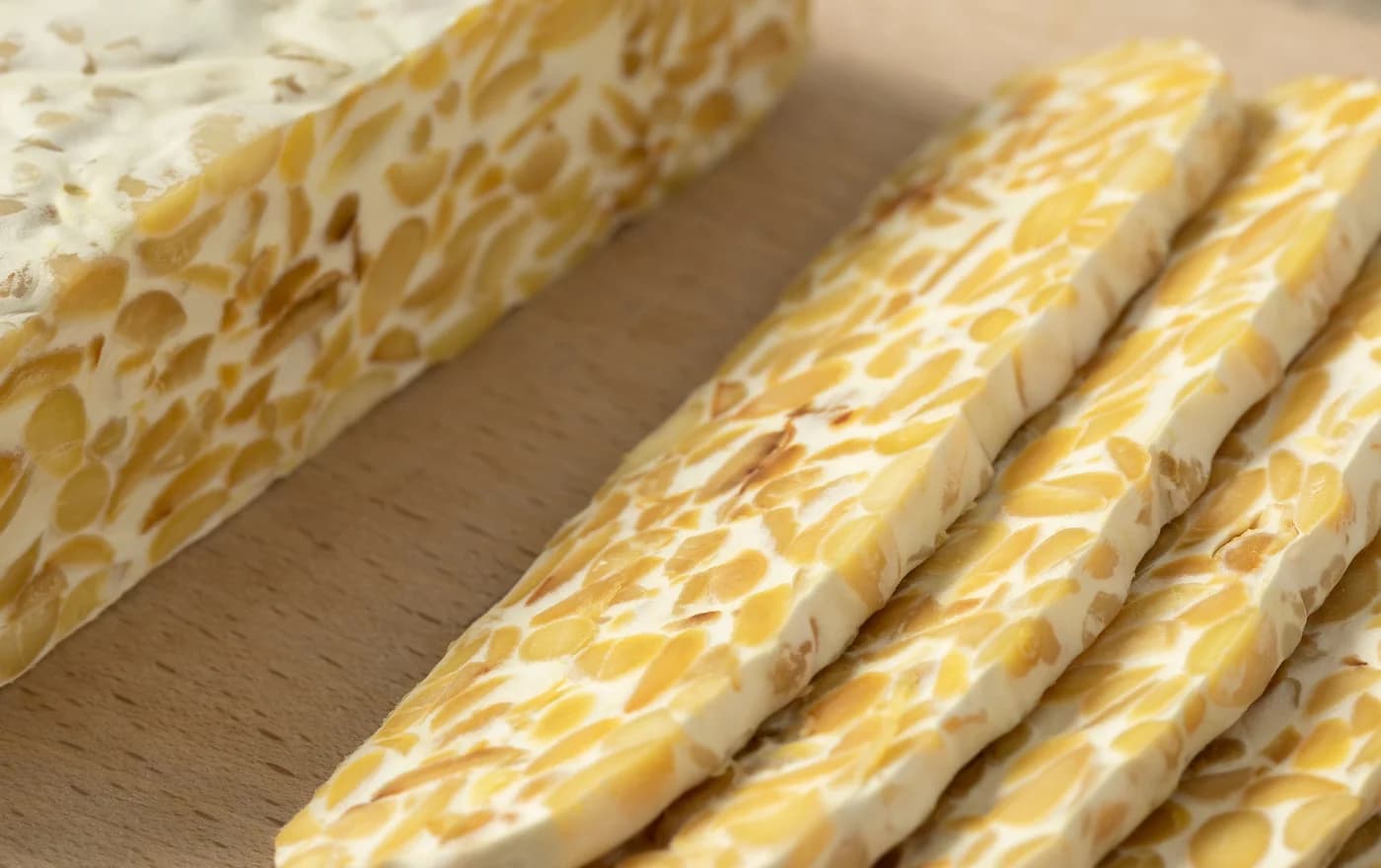
Tempeh is a fermented food, traditionally made from soybeans, with a firm texture and a slightly nutty flavour. It can be sliced, crumbled or cubed, which makes it useful when you want a plant protein that holds its shape in a meal. You do not need to follow an Indonesian recipe to enjoy it, and you do not need to regard fermentation as a promise that it will repair your gut.
What makes it different from tofu?
Tempeh is usually made by fermenting cooked soybeans with a culture that binds them into a compact cake. You can often see the beans within the block. Tofu is made by coagulating soy milk and pressing the curds.
That difference gives tempeh a denser bite and generally more fibre from the beans. Tofu is often milder and can range from silky to very firm. Neither is automatically the better food; the texture you want and the recipe matter.
Some tempeh contains grains, seeds or other pulses. A product made with barley or wheat is different from a plain soy version, particularly if you need to avoid gluten.
Where it fits nutritionally
Soy tempeh provides substantial plant protein and can take the protein role in a vegetarian meal. It also contributes fat, fibre and several minerals. The exact figures vary with the ingredients and preparation.
Soy protein supplies all the essential amino acids, but you do not need to build every meal around one perfect protein. Variety across the day remains useful, including dal, beans, tofu, curd or other foods that suit you.
A portion of around 75 to 100 g can be a practical starting amount for a main meal, adjusted to appetite and the rest of the plate. It is an example, not a dose everyone needs. A few decorative cubes contribute less than a substantial portion.
Learn its flavour before disguising it
If you are trying tempeh for the first time, cook a small portion simply and taste it. Some people enjoy its earthy flavour immediately; others prefer it with a stronger sauce or marinade.
Steaming or briefly simmering before the final cooking can soften the texture and reduce a bitter edge in some products. Follow the preparation instructions, then pan-cook or add to a dish as appropriate.
Do not judge the whole food by an uncooked bite from the packet. Tempeh is normally prepared as a cooked food, and the finished flavour can be quite different after seasoning and browning.
Try a familiar Indian preparation
Two preparations are particularly easy to adapt:
- For a dry masala dish, cut tempeh into small cubes, cook according to its instructions and combine with onion, tomato, turmeric, cumin and a little chilli. Add peas or capsicum and serve with roti.
- For a softer meal, crumble it into a bhurji-style preparation. The small pieces take seasoning well and can work in a roti roll with cooked vegetables.
You can also add properly cooked cubes to a light curry. Leave enough liquid for the texture you prefer. A very rich gravy may be enjoyable occasionally, but the protein ingredient does not cancel large amounts of cream, oil or coconut milk.
Crisp edges do not require deep frying
Thin slices can be pan-cooked with a modest amount of oil and turned as they brown. A simple marinade with ginger, garlic, lemon and spices can provide flavour without needing a thick coating.
If you use soy sauce, add it sparingly because it contributes sodium. Taste before adding salt elsewhere. A sticky sweet sauce can change the dish substantially, so treat it as part of the recipe rather than a harmless finishing touch.
For a grain bowl, combine tempeh with cooked rice or another grain, vegetables and a dressing you enjoy. The meal does not need to contain every superfood in the cupboard. A few well-prepared ingredients are easier to repeat.
Fermentation does not guarantee a probiotic effect
Tempeh is fermented during production, but many commercial products are pasteurised, and cooking changes live organisms further. Fermented food and a clinically studied probiotic are not interchangeable categories.
You can value tempeh for protein, flavour and convenience without needing live microbes to survive every stage. It is not necessary to eat it raw to preserve a supposed benefit.
Likewise, do not assume it is a reliable vitamin B12 source unless a product has dependable fortification. A vegan diet needs an established source of B12 through fortified foods or supplements. Fermentation alone is not enough to settle that need.
Soy foods and hormone worries
Soy contains isoflavones, plant compounds that are often described as phytoestrogens. This can lead to exaggerated claims that ordinary soy food either disrupts hormones or fixes them.
Eating tempeh as food is different from taking concentrated isoflavone supplements. There is no general reason for a healthy adult to avoid a normal soy-food portion because of social-media hormone warnings.
It also should not be sold as a treatment for PCOS, infertility or menopause symptoms. Use it as a protein option you enjoy rather than a way to force a hormonal outcome. If you take levothyroxine, keep food and medicine timing consistent with your treatment instructions.
Allergy and comfort still matter
Soy allergy makes soy tempeh unsuitable. Fermentation does not reliably remove the allergy risk. Someone avoiding gluten also needs to know whether grains have been included.
Some people notice gas when adding unfamiliar bean-based foods. Try a smaller amount in a cooked meal and see whether it is comfortable. Do not keep increasing a food that repeatedly causes distress because it has a healthy reputation.
If you have a prescribed medical diet, such as a particular kidney plan, the amount and suitability may need adjustment. A general high-protein recipe does not override that plan.
Buy a block you can use
Follow the product's refrigeration or freezing instructions and use it within the indicated period. A normal cultured appearance can differ between products, so use the maker's description rather than guessing that every dark speck means spoilage or that every mould-like growth is expected.
Discard a product with unexpected sliminess, a foul smell, damaged packaging or questionable storage. Do not attempt casual home fermentation without a reliable method and food-safety controls.
For a first purchase, plan one meal rather than buying a large quantity on the promise of becoming healthier. If the flavour works for you, tempeh can become another useful option alongside familiar pulses, paneer and tofu.
Editorial sources
Frequently Asked Questions
Related Articles
Soy Protein: Food Sources, Portions and When Powder Helps
Soy is a complete plant protein. See how tofu, soya chunks, soy milk and powder compare, and how to use them in everyday Indian meals.

Soybean Nutrition: Protein, Uses and Safety
Soybeans provide high-quality plant protein, fibre, unsaturated fat, iron and other nutrients.
Protein in Soya Chunks: How Much Is Really in There?
Protein in soya chunks is roughly 52g per 100g dry — one of the most concentrated vegetarian protein sources around, though the number changes once you.
Soy Lecithin: Why It Is in Food and What It Means
A clear explanation of a common food emulsifier, without unnecessary ingredient fears.
