
What Is DHA? Full Form, Benefits and Vegetarian Sources
DHA stands for docosahexaenoic acid. Learn what it does, how it differs from ALA and EPA, vegetarian algae sources and how to read a label.
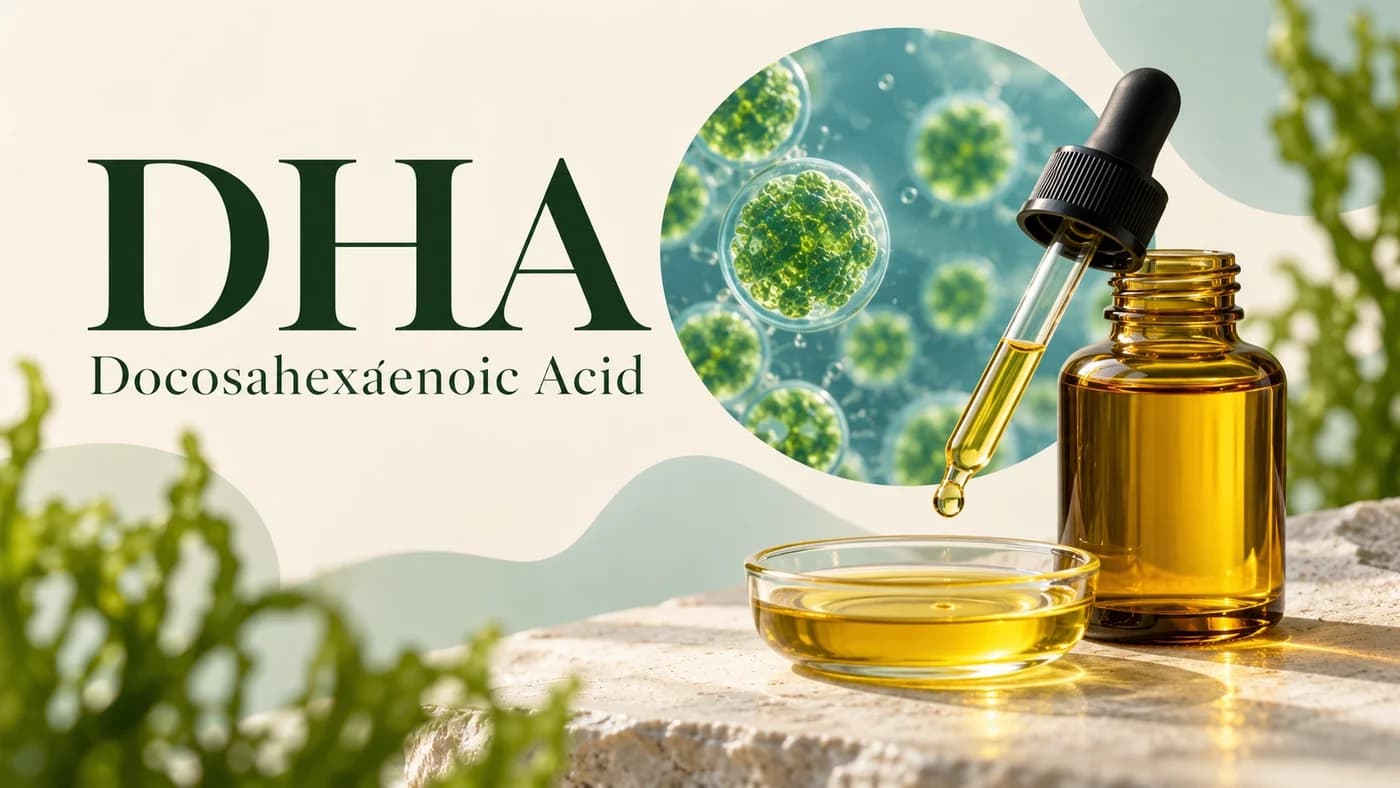
Key Takeaways
- DHA (docosahexaenoic acid) is a long-chain omega-3 fat found in the brain and retina.
- Microalgae make DHA; fish get it from their food, so algae oil suits vegetarians.
- Flax, chia and walnuts give ALA, which the body converts to DHA only in small amounts.
- Check DHA per serving, not total oil per capsule, and look for gelatin in the shell.
- High-dose omega-3 needs medical review if you take blood thinners or have AF risk.
DHA stands for docosahexaenoic acid, a long-chain omega-3 fat found in high amounts in the brain and the retina of the eye. Fish is a common source, but DHA is originally made by microalgae, which is why algae-based products offer a vegetarian and vegan option. Whether you need extra DHA depends on your diet, life stage and health, not on every wellness claim. For a broader look at all omega-3 fats, see our guide to omega-3 foods.
What does DHA do?
DHA is built into cell membranes, particularly in the brain and retina. It is important during pregnancy and early development, when these tissues are growing. Adults also maintain DHA in their tissues, but taking extra does not automatically improve memory or prevent dementia; evidence depends on the population and dose studied.
DHA, EPA and ALA in plain language
These are three different omega-3 fats:
- ALA (alpha-linolenic acid) is found in plant foods such as flax seeds, chia seeds, walnuts and some oils. It is an essential fat that you must get from food.
- EPA (eicosapentaenoic acid) and DHA are long-chain omega-3s found in fish, seafood and some algae oils.
Your body can make some EPA and DHA from ALA, but the conversion is limited. That is why a spoonful of flax seeds is not the same as a stated dose of DHA. Plant omega-3 foods are still worth eating, because seeds and nuts also bring fibre and other nutrients. See vegan omega-3 sources for practical ideas.
A label that says "omega-3" without naming the type does not tell you whether the product provides DHA itself or a different omega-3.
Food sources and dietary preferences
Oily fish such as sardines, mackerel and salmon supply DHA along with protein and other nutrients. People who eat fish can include lower-mercury varieties in their usual meals, especially during pregnancy, following local food-safety guidance. If you do not eat fish, an algae-oil product is an option to discuss when direct DHA intake is needed. Some foods are fortified with DHA, but amounts vary, so check the serving.
Pregnant or breastfeeding people who follow a vegetarian diet can ask their clinician about an algae DHA supplement; our article on omega-3 for women covers this in more detail. Children should only use age-appropriate products and doses.
Reading an algae oil label
DHA per serving
Find the serving size and the DHA amount per serving. A capsule may contain, for example, 500 mg of algae oil but only 200 mg of DHA; these are different numbers. Check whether the serving is one capsule or two before comparing products, and note any EPA listed separately.
Capsule shell
If you avoid animal products, check the shell as well as the oil. Gelatin is usually animal-derived, while other shell materials can suit a vegan diet. Read the full ingredients rather than relying on a green colour or a plant image.
Storage
Oils can turn rancid, so follow storage directions and the expiry date. Do not use a leaking capsule or one with an unusual smell, and keep supplements out of children's reach.
Choosing a reason before choosing a dose
There is no single DHA dose for every adult, child and pregnancy. Advice depends on whether you eat fish, use fortified foods or already take another supplement, so show existing labels when you ask. This avoids taking the same ingredient twice. DHA supports normal development, but more does not make a child smarter, and supplements are not a treatment for unexplained memory changes.
Who should take care?
Omega-3 supplement side effects are usually mild, such as an unpleasant taste, heartburn, nausea or loose stools; taking them with food may help. High-dose omega-3 products need medical review, especially if you take medicines that affect bleeding or have had heart rhythm problems, because some large trials found a higher rate of atrial fibrillation with supplements. Tell your doctor what you take before surgery, and avoid stacking several omega-3 products without checking the total. Sudden vision change, weakness or memory loss needs prompt medical care, not a supplement.
Editorial sources
Frequently Asked Questions
Related Articles
Omega-3 Foods: Vegetarian Sources and Smart Choices
Find vegetarian omega-3 foods, understand ALA, EPA and DHA, and learn simple portions, storage tips and supplement safety basics.

Omega-3 benefits and vegetarian sources
Learn omega-3 benefits, the difference between ALA, EPA and DHA, vegetarian food sources, algal oil options and supplement safety.

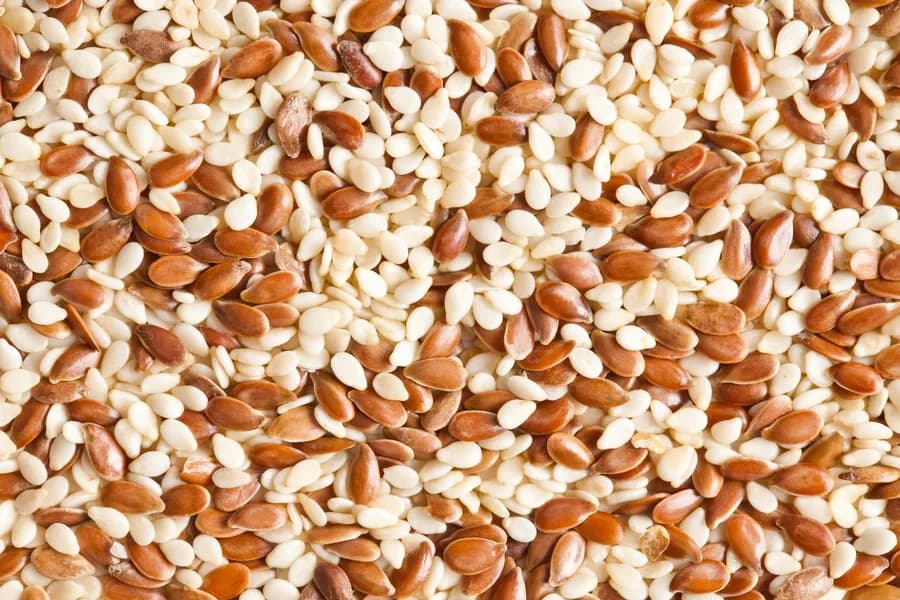
Vegan Omega 3 Sources: Best Plant-Based Options
Flaxseed, chia seeds, and walnuts make vegan omega-3 intake entirely achievable, with algae-based supplements rounding out the options. See how each one.

Omega-3 for Women: Sources, Evidence and Safety
How omega-3 needs shift through pregnancy, breastfeeding and menopause, which vegetarian sources help, and what supplement claims overstate.