
Whey Protein Isolate vs Concentrate: What Is the Difference?
Whey isolate is more protein-dense and lower in lactose; concentrate is usually cheaper. How to choose by digestion, budget and goals.

Key Takeaways
- Both isolate and concentrate are complete, high-quality milk proteins.
- Isolate is usually 90%+ protein with less lactose and fat per gram.
- Concentrate (about 70-80% protein) is often cheaper and fine if dairy suits you.
- Compare price per 20-25 g of protein, not price per scoop.
- Milk allergy is not lactose intolerance: avoid both forms if allergic.
Whey isolate and whey concentrate both come from milk, but extra processing changes their protein, lactose, fat and price. Isolate is usually more protein-dense and lower in lactose; concentrate retains more milk components and is often cheaper. Neither is automatically better. Your digestion, total diet, protein target, budget and reason for using a powder matter more than an impressive percentage on the front of the tub.
How are the two different?
What changes during processing?
Whey is separated from milk during cheese-making and then filtered and dried. Concentrate usually contains roughly 70–80% protein, although products vary. Isolate undergoes additional filtration and commonly reaches 90% protein or more. That extra step removes more lactose and fat, but it does not make the amino acids fundamentally superior.
Does isolate build more muscle?
When equal amounts of protein and leucine are compared, both forms can support muscle protein synthesis. Training quality, total daily protein and consistency drive results. Isolate may deliver the target with fewer calories, while concentrate may offer the same practical outcome at a lower cost. A label comparison is more useful than assuming one category always wins. If you are deciding between dairy and plant powders instead, see our whey vs plant protein comparison.
What if lactose bothers you?
Isolate often contains less lactose, so some people with lactose intolerance find it easier to digest. It is not guaranteed lactose-free, and flavoured powders may add other troublesome ingredients such as sugar alcohols. Try a small serving and check the label. Anyone with a diagnosed milk-protein allergy should avoid both isolate and concentrate unless an allergy specialist says otherwise.
Which one suits you better?
Which option fits your budget?
Concentrate generally costs less per serving. Compare price per 20–25 grams of protein rather than price per scoop, because scoop sizes vary. Isolate can be worth the premium when lactose, tight calorie targets or a smaller serving volume matters. For casual use, a well-tolerated concentrate may be entirely adequate.
How much protein is enough?
Needs depend on body size, age, activity, training and health. Many active adults do well when protein is spread across meals instead of saved for one shake. A powder fills a gap; it does not need to sit on top of an already sufficient diet. Our guide to protein per day explains how to estimate your own target. Kidney disease, pregnancy or complex medical care calls for individual advice.
When should you take it?
There is no magic minute after exercise. A shake within a few hours of training is convenient, but the day's total intake matters more. It can also help at breakfast or during travel when a balanced meal is difficult. Water keeps calories lower; milk, fruit, oats or nut butter turn it into a more substantial snack.
How should you use whey?
What belongs on the label?
Look for protein per serving, the ingredient list, added sugar, sweeteners, the allergen statement and credible batch testing. Words such as "hydrolysed", "ultra-filtered" and "clean" can raise the price without guaranteeing a meaningful advantage. Choose a short ingredient list that suits your digestion, and avoid proprietary blends that hide individual amounts.
Can food do the same job?
Yes. Curd, paneer, milk, soy foods, dals and mixed meals can cover protein needs while supplying other nutrients and fibre. Powder is useful for convenience, low appetite or higher targets, not because ordinary vegetarian food is inadequate. If every meal depends on supplements, the larger eating pattern deserves attention.
A practical next step
Start with the actual gap. Estimate protein from regular meals for several days, decide where convenience is genuinely needed, and then select the simplest product that fits. If isolate and concentrate both digest well, cost and taste can decide. If either repeatedly causes bloating, rash, wheezing or vomiting, stop using it and seek appropriate advice rather than changing brands indefinitely.
Editorial sources
Frequently Asked Questions
Related Articles

Whey vs Plant Protein: Which One Should You Choose
Whey and plant protein aren’t about which is ‘better’ overall — it’s about which fits your digestion, diet, and goals. See how they compare on absorption.

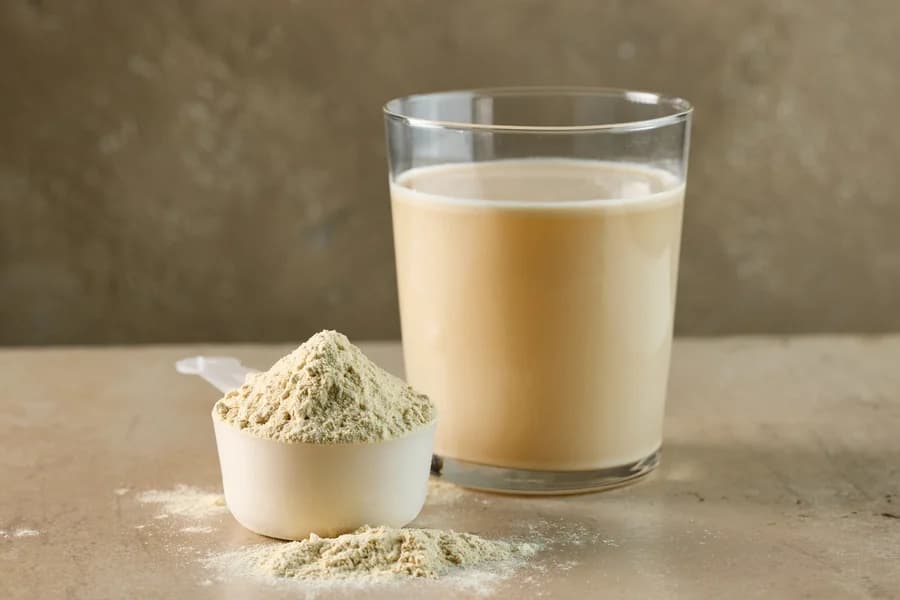
Casein Protein: Nutrition, Uses and Safety for Vegetarians
Casein is the slow-digesting protein in milk, curd and paneer. Here is how it compares with whey and when a casein powder is worth using.
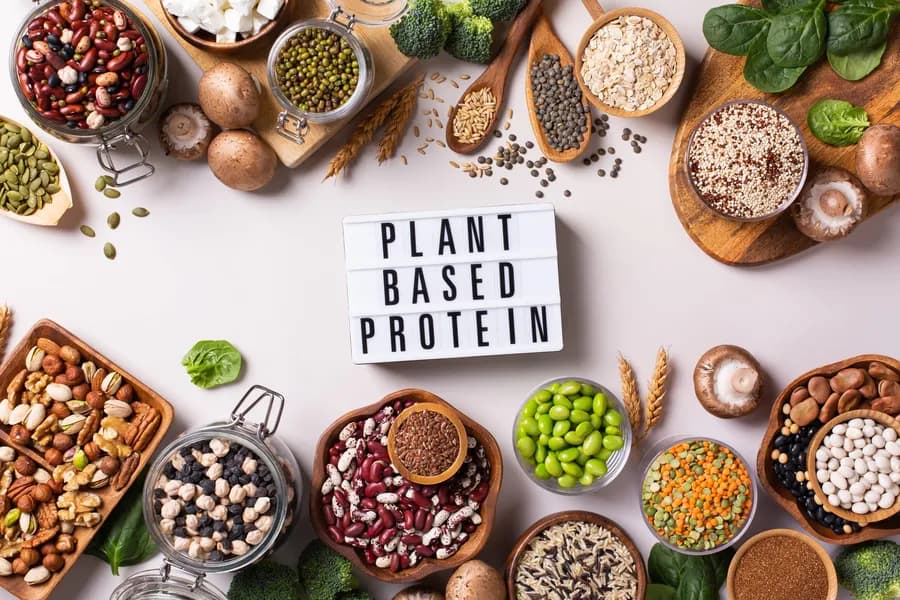
Protein Per Day: How Much Do You Need? A Simple Vegetarian Guide
Protein needs depend on body size, age, activity, pregnancy and health. The basic adult requirement is a starting point, not a perfect target for everyone.


Pea Protein Benefits: Uses and Supplement Safety
Pea protein is usually made from yellow peas and concentrated into a powder.