
Whole Grains: Familiar Foods, Useful Swaps
Recognise wholegrain foods and make practical swaps without buying an entirely new pantry.
Key Takeaways
- Wholewheat roti, oats and bajra are whole grains.
- Whole grains keep more of the grain's fibre and nutrients.
- Increase fibre at a comfortable pace.
- Wholegrain and gluten-free are separate descriptions.
You may already eat whole grains without calling them that. A roti made from wholewheat atta, a bowl of oats or a bajra preparation can all fit. The term describes how much of the grain is retained, rather than whether a food looks brown, rustic or expensive. Understanding it makes shopping and meal planning easier without turning every staple into a health project.
What makes a grain whole?
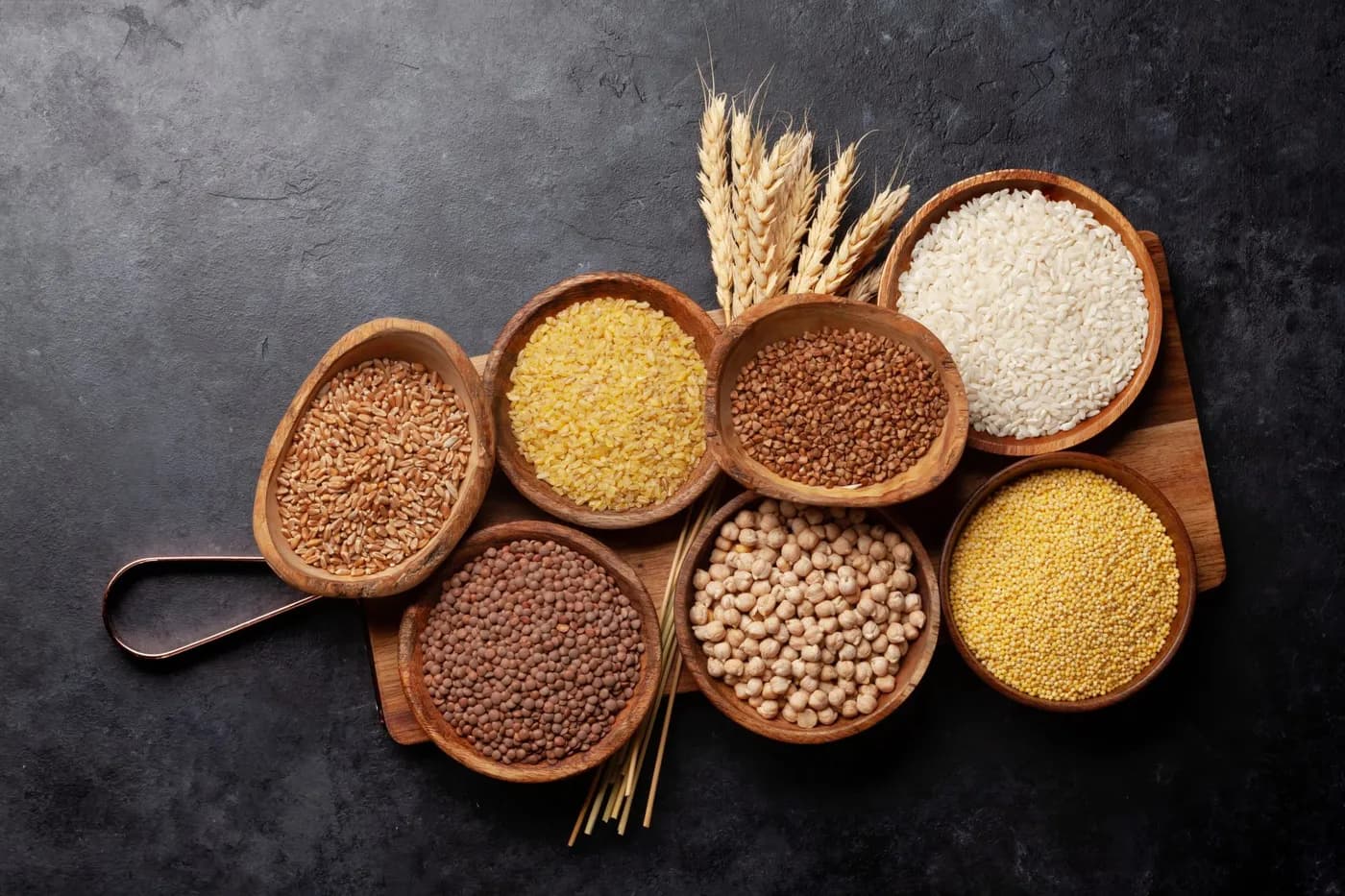
A whole grain retains the bran, germ and endosperm, the three main parts of the grain kernel. It can be intact, cracked, rolled or ground into flour and still count as wholegrain if these parts remain in their usual proportions.
Refining removes some parts, particularly the bran and germ. This changes texture and storage qualities, and often reduces fibre and certain nutrients.
Wholegrain does not mean raw or unprocessed. Oats can be rolled, wheat can be milled and rice can be cooked. The relevant distinction is what is retained, not whether any processing has occurred.
Which foods fit in an Indian kitchen?
Wholewheat atta, oats, brown rice, whole barley and appropriate whole-millet products are examples. Dalia made from whole cracked wheat can also fit, while refined wheat flour is a different product.
Millet names alone are not enough to judge every packaged food. A biscuit made with some ragi plus refined flour, sugar and fat is not equivalent to a serving of plain ragi in a meal.
Likewise, a multigrain bread may contain several refined grains. “Many grains” and “whole grains” answer different questions. A familiar wholewheat product may be a more straightforward choice than a premium loaf with a long list of grain names.
What is the practical benefit?
Wholegrain choices generally provide more fibre than their refined equivalents. Depending on the grain, they also contribute nutrients and a different texture to meals.
Their value is part of a dietary pattern. A higher-fibre routine can include whole grains alongside pulses, vegetables, fruit, nuts and seeds. You do not need to obtain all your fibre from one bowl of cereal.
Replacing some refined staples can be useful, but the swap is not a cure for diabetes, cholesterol or constipation. The rest of the meal and any treatment plan still matter. Think of it as improving a regular food choice, not taking a medicine in grain form.
Change the meal that is easiest
If breakfast is usually a low-fibre sweetened cereal, plain oats with a suitable protein food and fruit may be a useful alternative. If you already enjoy wholewheat roti, there is no need to replace it with an unfamiliar imported grain.
At lunch, try brown rice in a dish that suits its texture, perhaps with rajma or vegetables. At dinner, use dalia in a savoury preparation with dal and vegetables.
One change is enough to begin. Keeping familiar meals while improving one regular staple can be easier than converting the whole household to a new menu at once.
Build a complete dish around the grain
A large bowl of plain wholegrain food can still be an incomplete meal. Add a substantial protein component and vegetables rather than relying on the grain's healthy reputation.
For example, oats upma can include peas and be served with curd. A millet bowl can include beans and a vegetable side. Wholewheat roti can sit with dal and sabzi rather than mostly pickle and tea.
These combinations also make the food more enjoyable. Texture, moisture and seasoning matter. If a grain tastes dry or dull, improve the dish instead of assuming eating well must feel like a chore.
Portions still matter
Whole grains supply carbohydrate and energy. A wholegrain label does not make a food unlimited, particularly when the final recipe also includes oil, sugar or rich toppings.
Use a comfortable portion that leaves space for the other parts of the meal. Someone doing physical work may need more than someone with a smaller appetite, and a growing child has different needs from an adult managing weight.
For diabetes, the amount of carbohydrate remains relevant. A large portion of brown rice or wholegrain noodles can still raise glucose. A balanced meal and an appropriate serving are more useful than treating the word wholegrain as a guarantee.
Increase fibre at a comfortable pace
If you move suddenly from a low-fibre diet to large servings of several whole grains, bloating and discomfort may follow. Add one change at a time and drink regularly.
Start with a smaller amount mixed into a familiar meal. Let your appetite and digestive comfort guide the next step rather than trying to meet an impressive target in a single day.
Some digestive conditions need specific advice about fibre amount and type. Wholegrain food is not automatically the most comfortable choice during every flare-up or period of illness. Persistent pain, diarrhoea or unexplained weight loss deserves assessment.
Wholegrain and gluten-free are separate descriptions
Wheat and barley contain gluten whether whole or refined. Someone with coeliac disease needs suitable gluten-free options such as uncontaminated rice, millets and appropriately certified oats, according to their plan.
Conversely, a gluten-free product may be mostly refined starch and contain little fibre. Removing gluten does not automatically preserve the whole grain.
Keep the reason for the choice clear. For most people, dietary variety is the aim. For coeliac disease, safety from gluten exposure is an additional requirement that cannot be judged by colour or texture.
Buy amounts you will actually use
Wholegrain flours can lose freshness, particularly in warm conditions. Store them sealed, cool and dry, following any refrigeration guidance for the product. Avoid building a cupboard full of opened packets that are rarely used.
Choose two or three grains your household enjoys and rotate them. You can add variety through vegetables, dals and seasonings as well. A good wholegrain habit is simply a familiar meal made a little more useful, repeated often enough to become ordinary.
Editorial sources
Frequently Asked Questions
Related Articles
Wheat Nutritional Value: What Whole Grains Offer
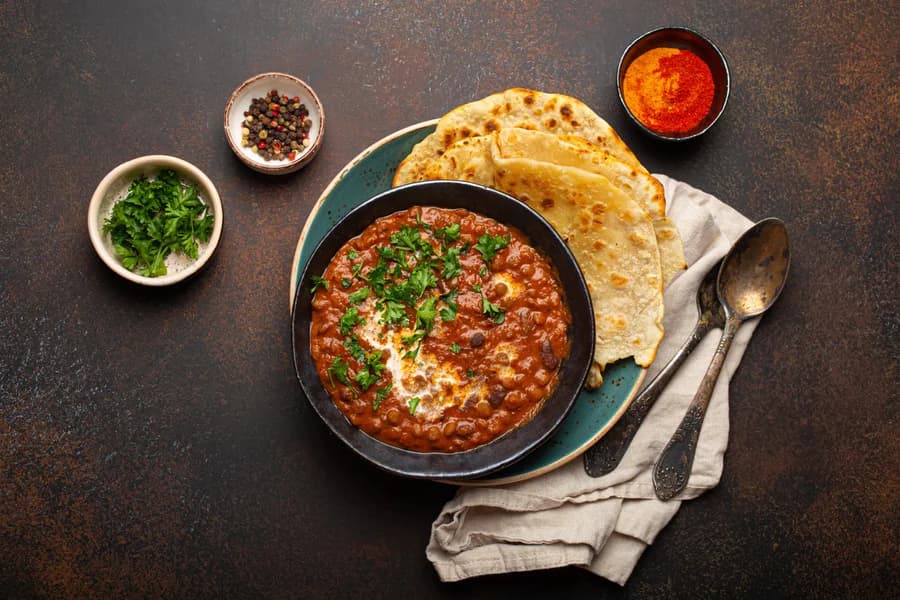
Whole-wheat atta keeps the bran and germ that maida loses. What wheat provides, how to read bread labels, and who genuinely needs to avoid it.

Millet Benefits: Nutrition, Portions and Cooking Ideas
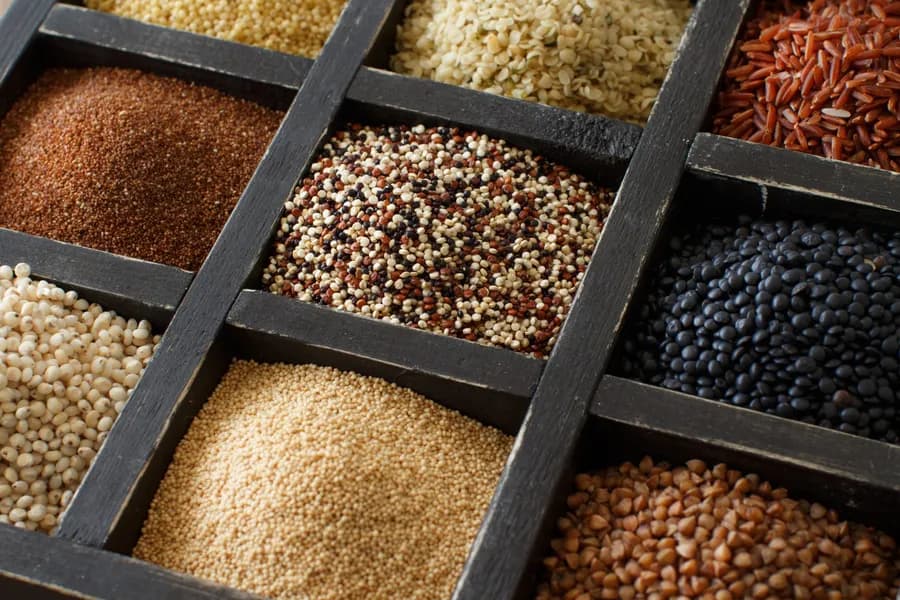
Millets are a group of small-seeded grains that includes pearl millet or bajra, finger millet or ragi, foxtail, little millet and others.
Bajra: Pearl Millet - Nutrition and Uses
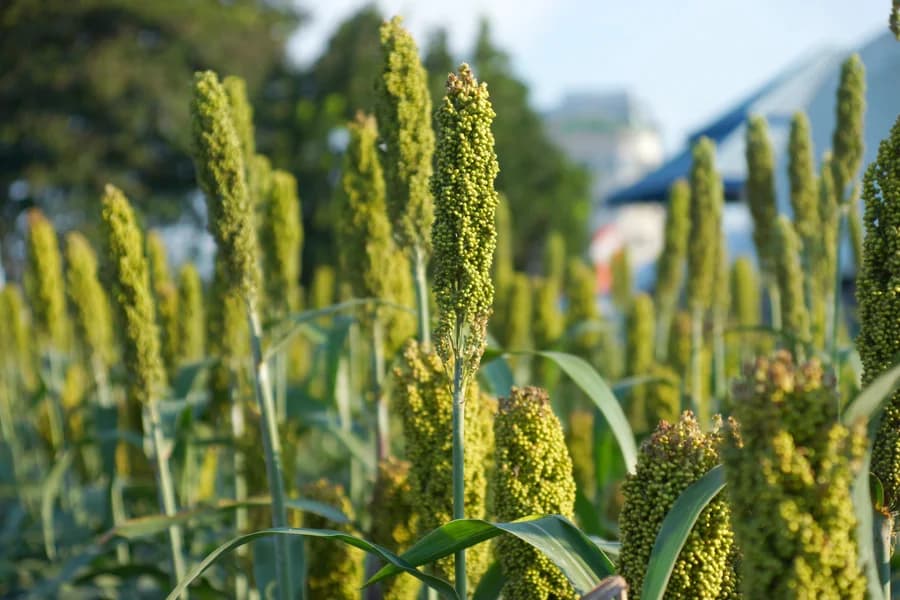
Bajra in English is called pearl millet. It is a gluten-free millet used in rotis, khichdi, porridge and fermented dishes across India. Pearl millet…

Types of Millets: Ragi, Jowar, Bajra, Foxtail and Kodo
Ragi brings calcium, bajra is linked with iron, foxtail gives protein and fibre — rotating millets means rotating nutrients. See what each type brings to.