
Yam: Nutrition, Portions and Simple Ways to Cook It
Yam is a starchy tuber that works as the carb on your plate. How it differs from sweet potato, sensible portions and how to cook it safely.
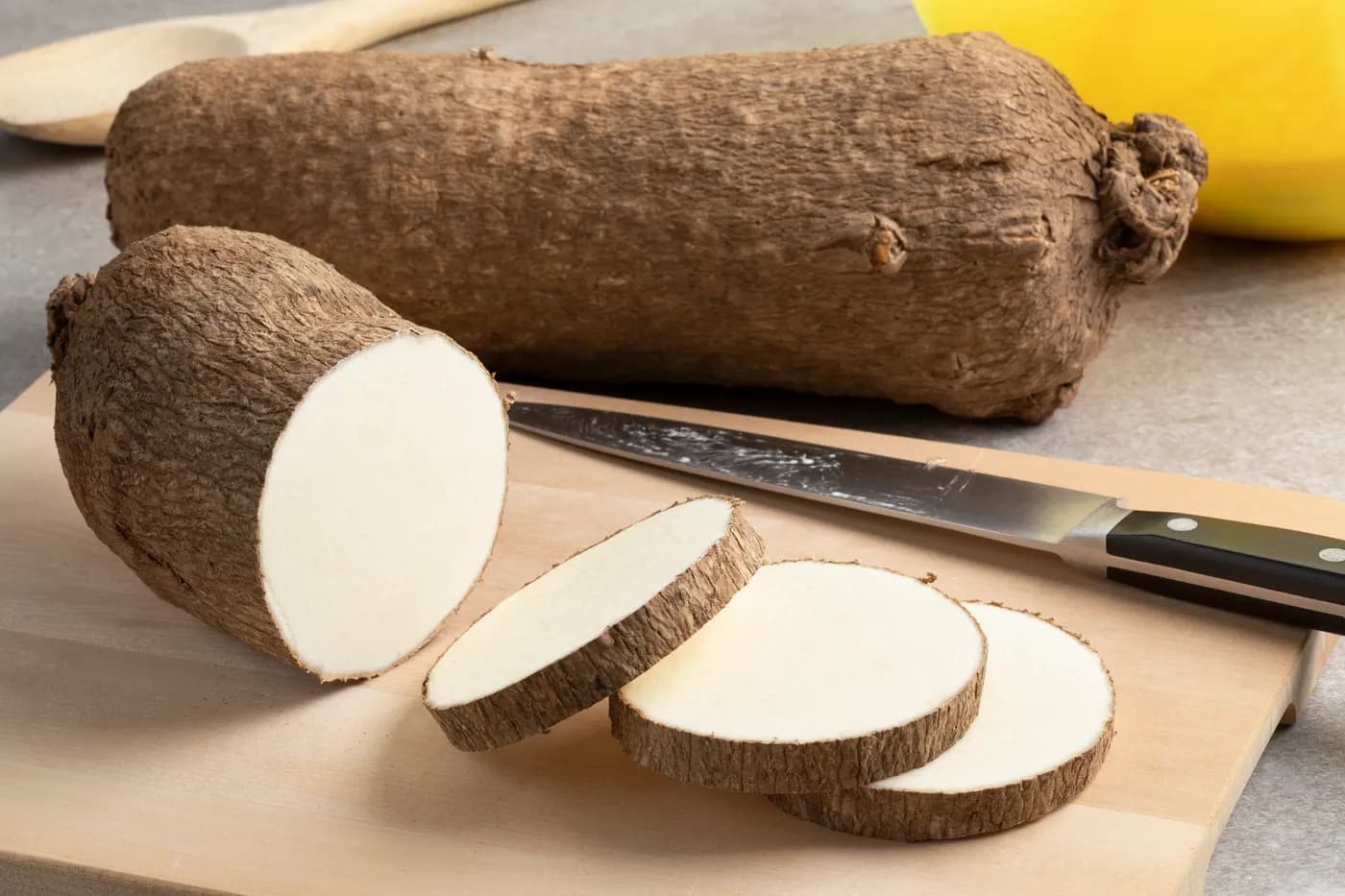
Key Takeaways
- Yam is mainly carbohydrate, with fibre and some potassium and vitamin C.
- True yams (Dioscorea) are a different plant from sweet potato.
- Serve yam as the starch on the plate, with dal or another protein food.
- Cultivated yams are safe cooked; bitter wild yams can be toxic.
- Peel irritating tubers with gloves and always cook them thoroughly.
Yam is a starchy tuber that can be boiled, roasted or cooked in a curry. It provides energy and some fibre, with nutrients that vary by variety. The most useful way to serve it is as the starch in a meal, alongside dal, beans, curd, tofu, eggs or another protein food and plenty of vegetables. Know which type you are buying and cook it properly, because local names can refer to quite different tubers.
What is yam, and is it sweet potato?
True yams belong to the genus Dioscorea. Sweet potatoes are a different plant, although shops and recipes often mix up the names; our guide to sweet potato benefits covers that tuber separately. In India, several local tubers are called yam, including elephant foot yam (suran or jimikand), which is botanically different again. Colour, texture and the best cooking method change from one type to another, so buy the familiar edible variety used in your area.
What does yam provide?
Yam is mainly a carbohydrate food that supplies energy. It also contributes fibre and varying amounts of potassium and vitamin C, though the amounts differ by species and cooking method; you can check specific types in USDA FoodData Central. Purple-fleshed varieties contain pigments that white ones lack, but colour alone is not a reason to pay much more. Yam is not a strong protein source, so a plate of yam on its own may not keep you full for long.
How much belongs in a meal?
Start with a modest bowl of cooked yam as the starchy part of lunch or dinner. If you also serve rice or roti, take smaller amounts of each. A very active person may want more; someone aiming for fat loss may use a smaller portion while keeping protein and vegetables generous.
Someone managing diabetes can eat yam, but it still counts as carbohydrate. A bowl of boiled yam with chana and sabzi is very different from a large plate of yam fries with a sweet drink. Portion size, the rest of the meal and your own glucose response matter more than any claim that yam is automatically low glycaemic. Our guide to low glycaemic index foods explains how pairing foods changes the glucose response.
How to cook yam safely
According to the FAO, mature cultivated yams contain no toxic compounds once cooked. Some wild "bitter" yams, however, contain bitter alkaloids such as dioscorine that can cause serious poisoning, and they are eaten only after special soaking and processing. Never sample an unknown wild tuber to see whether it is edible.
Some tubers sold under the yam name, especially aroids, contain calcium oxalate crystals that can make your hands and mouth itch. Wear gloves when peeling an irritating variety and follow the familiar local preparation, including any soaking or boiling steps. Always cook yam thoroughly rather than eating it raw.
Simple ways to serve it
- Curry: boil yam cubes until tender, then simmer with tomato, spices and peas. Serve with dal and a green vegetable.
- Roasted: toss cubes with a little oil and spices and serve with tofu, fish or beans in place of part of the rice or roti.
- Mashed: season with cumin and coriander and serve with curd and cooked vegetables.
- Mixed sabzi: remember that yam adds starch while the other vegetables add variety and volume.
Fried yam can still be an occasional dish, but deep frying adds oil and packaged yam chips can be salty. Lemon, tamarind, ginger and spices bring plenty of flavour without a heavy sauce.
Where does yam fit in the week?
Rotate yam with potatoes, sweet potatoes, rice, roti and other grains according to season and preference. No single tuber supplies every nutrient, and dal, beans and vegetables stay important whatever the starch is. For a packed lunch, pair leftover cooked yam with chana and vegetables, keep it chilled and reheat it thoroughly.
If you have kidney disease and have been told to limit potassium, your yam portion and cooking method may need to fit that plan. Yam extracts sold for hormone balance or menopause are a different product from cooked yam, and eating the tuber has not been shown to treat those conditions.
When shopping, choose firm tubers without soft or mouldy patches and store them in a cool, dry place. If a recipe uses a tuber that looks unfamiliar, confirm what it is before copying the method, as cooking times and preparation can differ.
Editorial sources
Frequently Asked Questions
Related Articles
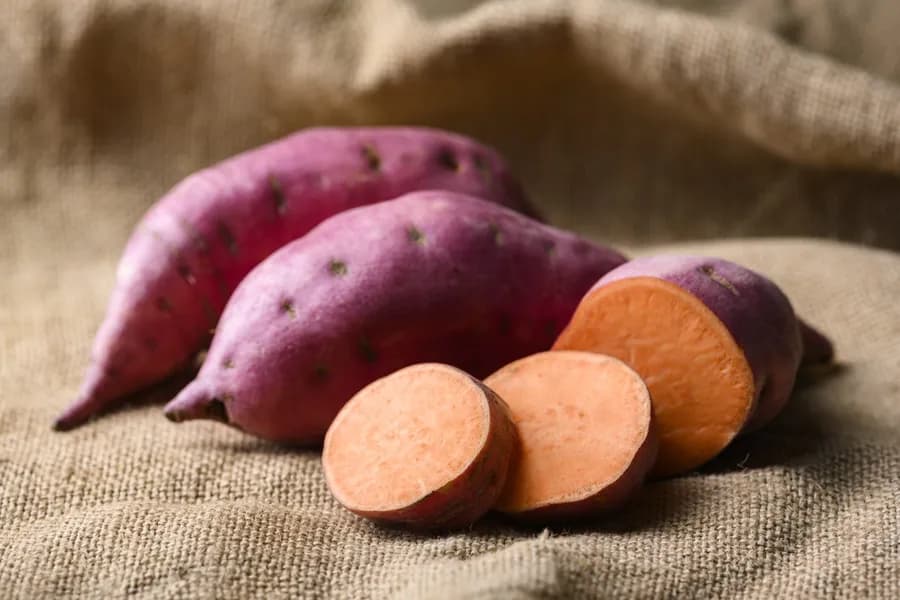
Sweet Potato Benefits: Nutrition, Portions and Easy Recipes
Sweet potatoes provide carbohydrate, fibre, potassium and carotenoids, and orange varieties are rich in beta-carotene. See easy recipes.
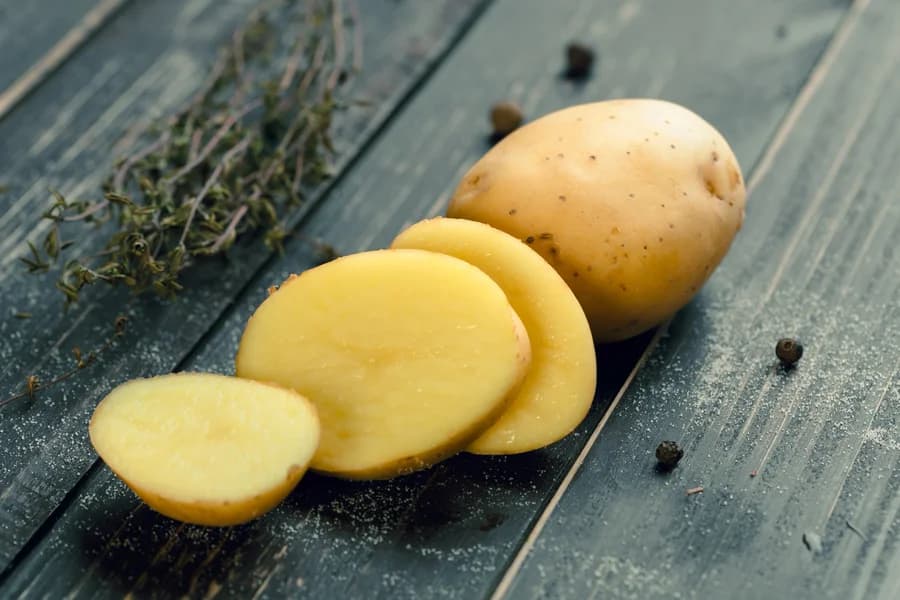
Potato Nutrition, Benefits, Portions and Cooking Methods
Potatoes are starchy vegetables that provide carbohydrate, potassium, vitamin C and some fibre, especially when the skin is eaten safely.


Low Glycemic Index Foods: What They Are and Why They Matter for Blood Sugar
Low glycemic index foods raise blood sugar slowly and steadily instead of causing a sharp spike. See what glycemic index actually measures, and everyday.
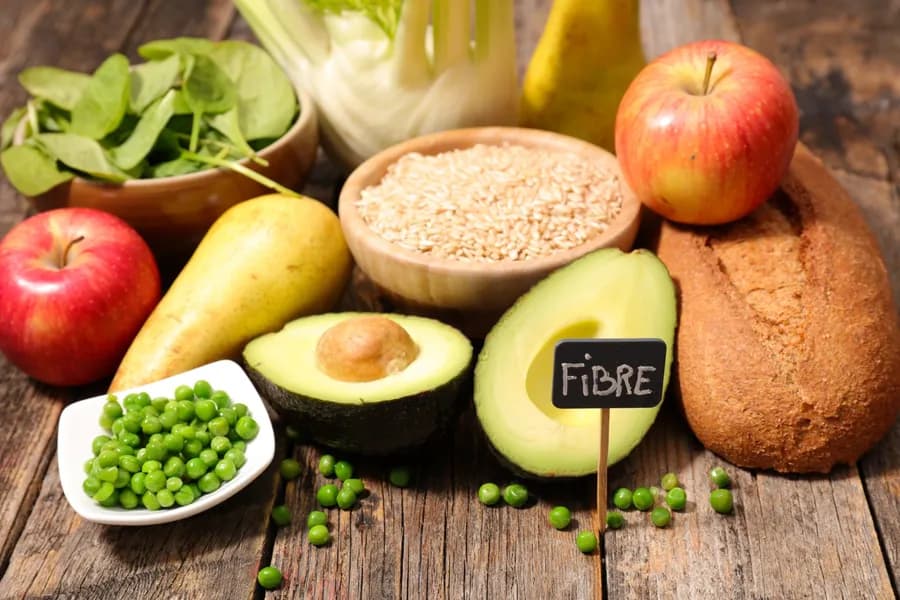
High-Fibre Foods: Simple Indian Meal Ideas
Find high-fibre Indian foods, easy meal ideas, gradual intake tips and practical advice for constipation and daily health.