Loading articles…


Expert guidance on yoga, wellness, nutrition, ayurveda, and the habits that transform every morning.
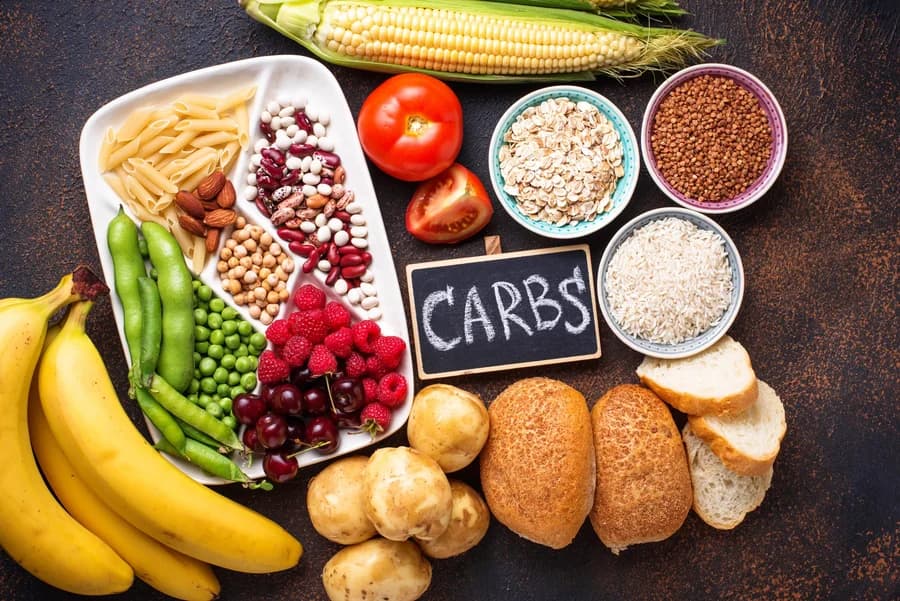
What a low carbohydrate diet really means, what it can and cannot do, and how vegetarians can plan one safely without a rigid food list.


A practical guide to probiotic supplements: why strains matter, where evidence is strongest, how to read labels and when to be cautious.


Distilled white vinegar is a useful kitchen acid, not a cure. See how to cook with it, what the glucose claims mean and key safety rules.
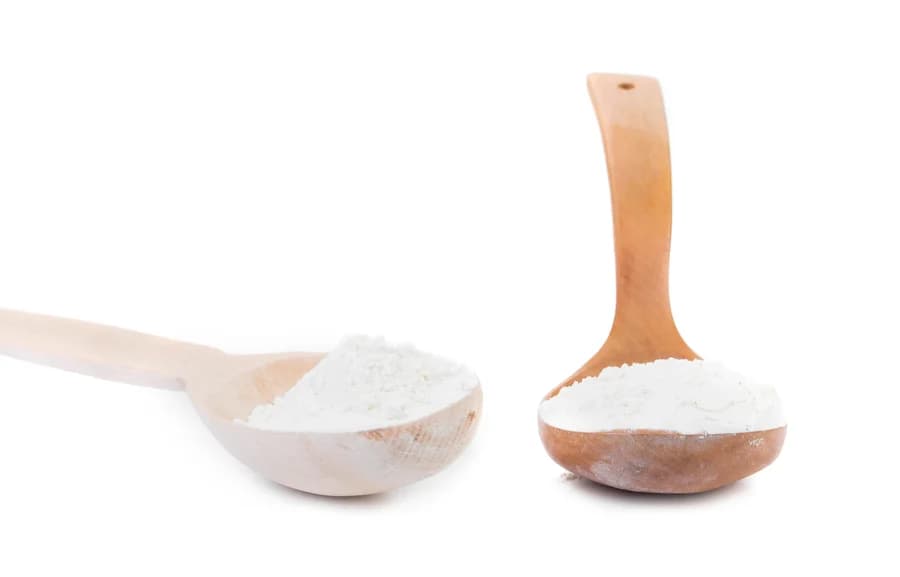
Baking soda and baking powder both make bakes rise, but they work differently. Learn what each contains and how to use them in recipes.

Cyanocobalamin is the most common B12 form in supplements and fortified foods. Here is how it compares with other forms and routes.
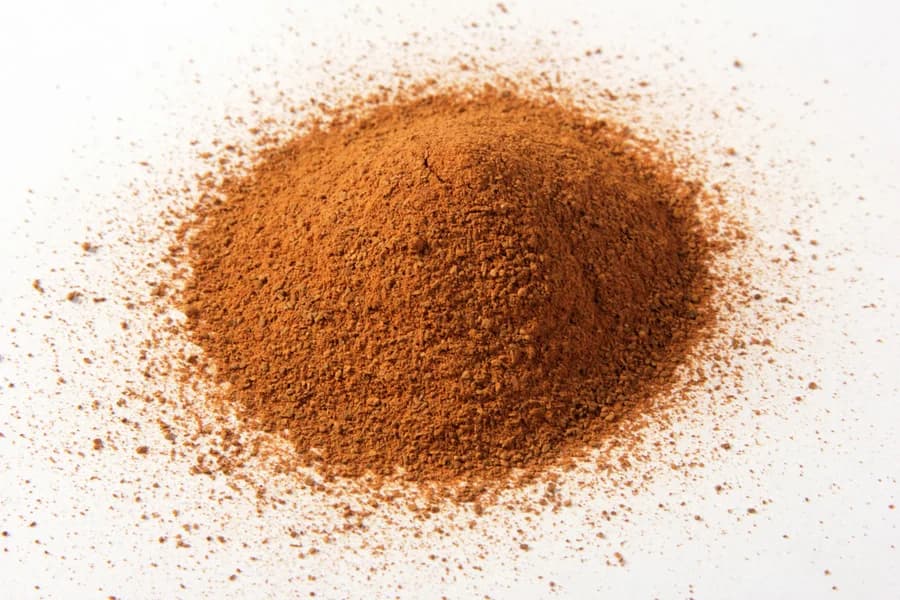
Fulvic acid is promoted for energy, detox and absorption. See what the evidence shows, the contamination risks and who should avoid it.

When a food is fortified, vitamins or minerals have been added to it. That can help, but it does not tell you whether the whole product is a good choice.
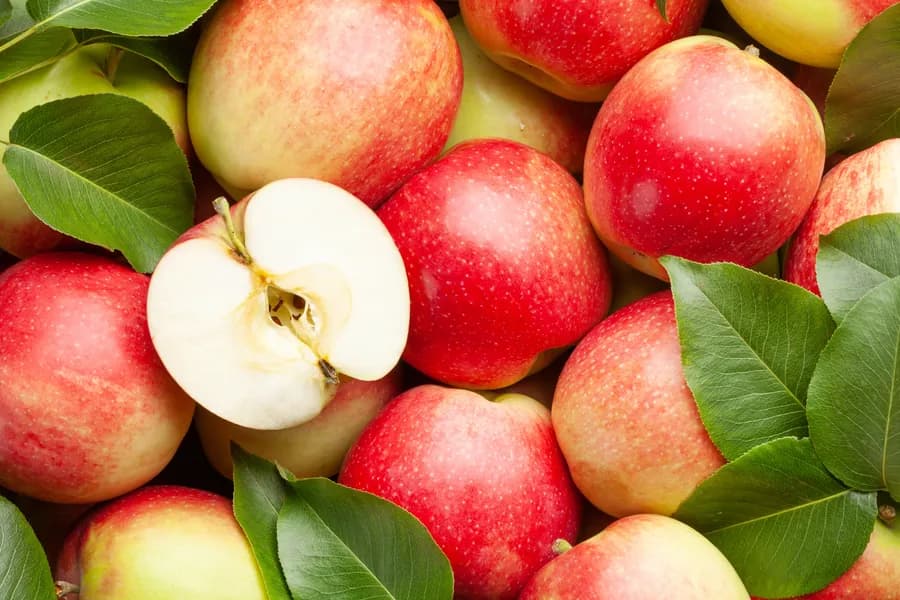
A medium apple has about 95 calories, but the exact number depends on its size, whether you eat the skin and whether it is fresh, dried or juiced.
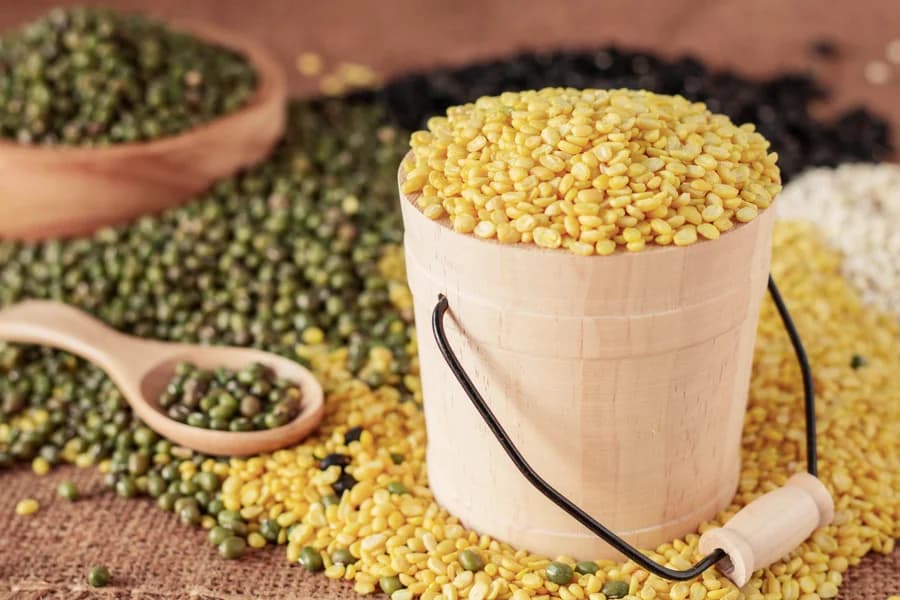
Moong dal is split mung bean, sold with or without the green skin, and provides plant protein, fibre and micronutrients.
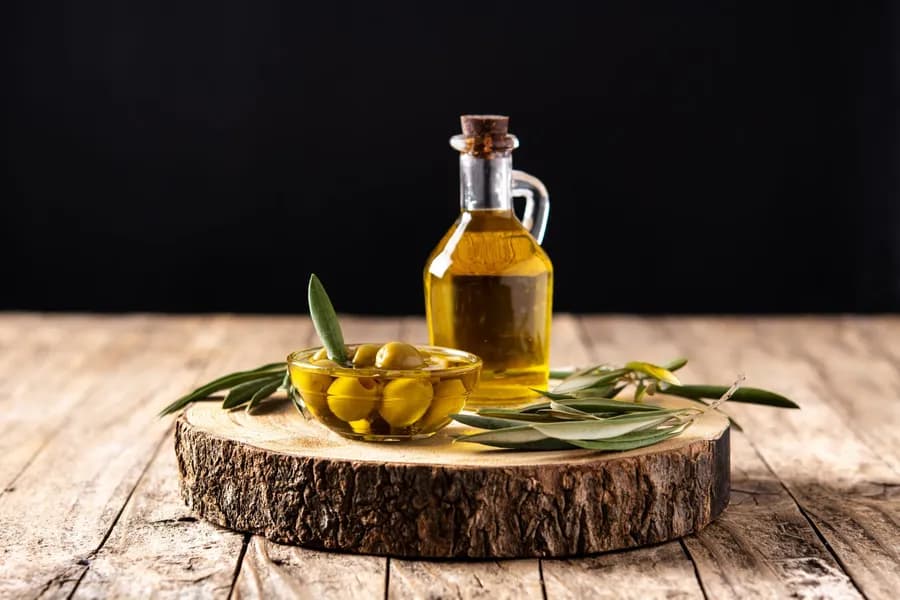
Olives are fruits commonly cured in brine because fresh olives are naturally bitter.
Ready to Start?
Daily yoga, strength training, health programs and a lot more - all in one place.