
How to Stay Fit: 8 Daily Habits to Stay in Shape at Any Age
The people who stay genuinely fit through their 30s, 40s, and 50s aren't doing the hardest workouts — they're doing the basics every day for decades. See all 8 daily habits.


Key Takeaways
- States plainly that lifelong fitness comes from consistent basics, not the hardest workouts.
- The NSCA confirms combined aerobic and resistance training beats either single modality alone.
- Frames the fittest 60-year-olds as becoming the most independent 80-year-olds down the line.
- Just one 20-minute weekly yoga or mobility session is sufficient for measurable joint benefit.
- Recommends four core habits – daily walk, strength 2-3x weekly, sleep before 11pm, protein and veg.
- Names energy as the single most immediate and most underrated benefit of consistent fitness.
Staying fit isn’t about extreme workouts, restrictive diets, or expensive gym memberships. It’s about a small set of daily habits movement, strength, sleep, and food that compound over years. The people who stay genuinely fit through their 30s, 40s, 50s, and beyond aren’t the ones doing the hardest workouts. They’re the ones who do the basics every day for decades. The WHO Physical Activity Guidelines (2020) recommend 150–300 minutes of moderate aerobic activity plus 2+ strength sessions per week for adults a target the daily routine in this guide easily achieves. This guide explains how to stay fit, how to get in shape at home, and how to stay in shape over 50 with a practical daily routine that works at any age and any starting fitness level.
Benefits of Staying Fit
- More Energy Every Day The most immediate, most underrated benefit. Fit people aren’t tired all the time they have energy for work, family, and what matters.
- Stronger Body, Easier Daily Life Walking long distances, climbing stairs, lifting groceries, picking up children all become effortless when you stay fit.
- Lower Risk of Chronic Disease Daily movement and strength training are the single most effective interventions against heart disease, type 2 diabetes, and cognitive decline. Per the NSCA’s Essentials of Strength Training and Conditioning, combined aerobic and resistance training outperforms either modality alone for long-term metabolic and musculoskeletal health.
- Better Mood, Sleep, and Mental Clarity Fitness affects mental health more than most people credit. Daily movement reduces anxiety, improves sleep, and sharpens focus.
- Healthy Aging and Independence The fittest 60-year-olds are the most independent 80-year-olds. Daily habits in your 30s and 40s pay dividends for decades.
How to Get Started with Staying Fit
What You Need to Begin
A small space, optionally light dumbbells, and 30 minutes daily. No gym, no equipment, no app required.
Setting Realistic Goals
Don’t aim for athlete-level fitness on day one. Aim for 30 minutes of daily movement, 3 strength sessions per week, 7+ hours of sleep, and balanced meals. Sustainable beats spectacular.
Start with the Basics
Walk every day. Strength train 2–3 times per week. Sleep before 11 PM. Eat protein and vegetables at every meal. These four habits alone keep most people fit for life. Our strength training for fitness programme covers a structured weekly plan.
Best Daily Habits to Stay Fit
30-Minute Walk Every Day
The foundation of lifelong fitness. Outdoor preferred, brisk pace, ideally morning. Five days a week is the threshold for measurable cardiovascular benefit.
Strength Training 2–3 Times Weekly
Maintains muscle, bone density, and metabolism. Bodyweight squats, push-ups, lunges, planks, and rows are sufficient.
One Yoga or Mobility Session per Week
Preserves flexibility and joint health. Even 20 minutes weekly produces measurable benefit. Pair with our yoga for fitness guide for sequencing.
7+ Hours of Sleep Nightly
Sleep is when the body recovers, builds muscle, and regulates hormones. Without sleep, no fitness routine produces lasting results.
Protein at Every Meal
Most people under-eat protein, which limits muscle and satiety. Aim for a protein source at breakfast, lunch, and dinner.
Hydration (2–3 Litres Daily)
Easy to skip, surprisingly impactful. Even mild dehydration reduces performance, focus, and energy.
Stress Management (5–10 Minutes Daily)
Breath work, meditation, or quiet time. Stress wrecks fitness gains by raising cortisol and disrupting sleep.
One Active Weekend Activity
Hike, swim, dance, or play a sport. Adds variety and prevents fitness from becoming a chore. Pair with our full-body workout guide for weekend strength sessions.
Common Mistakes That Stop People from Staying Fit
- All-or-Nothing Thinking Missing one workout doesn’t ruin the week. Treating it like failure leads to giving up. Pick the routine back up the next day.
- Cardio-Only Routines Hours of cardio without strength work leads to muscle loss, slowed metabolism, and the “skinny fat” body composition. Strength work is non-negotiable.
- Restrictive Diets Crash diets work for weeks; lifestyle eating works for life. Sustainable beats extreme.
- Inconsistency Three months of half-effort produces almost nothing. Three months of full consistency transforms most people.
Who Should Focus on Staying Fit?
- People Returning to Fitness after a Break The first month is about rebuilding the habit, not maxing out workouts. Start gentle, build slowly.
- Working Professionals The 30-minute home routine fits any schedule. The benefits better focus, energy, mood pay back the time investment many times over.
- Women in Every Life Stage Daily movement and strength work support hormone balance, bone density, and weight management from young adulthood through menopause.
- Adults over 50 This is when staying fit matters most. Daily walking and 2–3 strength sessions per week dramatically slow age-related decline. Always check with a doctor before starting new programmes if you have health conditions.
Build a Lifelong Fitness Habit with Habuild
Staying fit isn’t a 90-day challenge it’s a daily practice sustained for years. With expert guidance and a structure built for consistency, you can build the habit that keeps you fit for life.
What you get with Habuild’s daily program:
- Daily live guided yoga and strength sessions
- Beginner to advanced progression with no equipment
- Expert form correction in real time
- Community accountability that turns intent into habit
Related reads: Best 6 Strategies to stay consistent with your goals, Daily Motivation & Habit Tips · Daily Habits That Boost Small-Business Productivity
Staying fit across decades favours practices you’ll actually keep doing over ones that burn you out in a month, and yoga tends to age well precisely because it scales with your body rather than fighting it. It builds strength, flexibility, and balance simultaneously, adapting as your joints and energy change year to year. If you’re looking for a sustainable place to start, Habuild’s free yoga challenge is built around exactly that kind of long-game consistency.
Frequently Asked Questions
Related Articles

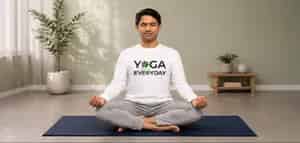
Health Benefits of Yoga
Unlike single-modality exercise — running for cardio, weights for muscle, stretching for flexibility — yoga delivers measurable improvements across all these domains at once. See the full range of benefits.

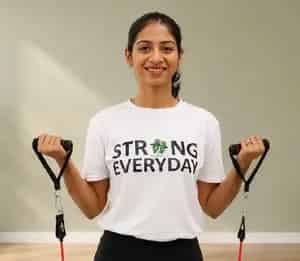
What Are the Benefits of Strength Training? 7 Evidence-Based Benefits That Transform Health
Strength training reduces all-cause mortality risk, prevents age-related disability, and builds bone density across every age group and sex within 8-12 weeks. See all 7 evidence-based benefits.
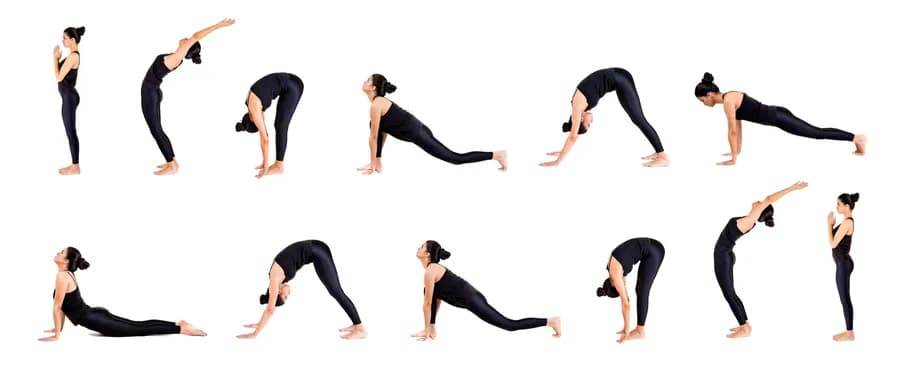
Full Body Workout at Home Without Equipment: 30-Minute Daily Plan
This 30-minute daily plan covers all major muscle groups using bodyweight only, producing a complete training stimulus in the time most people spend commuting to a gym. See the full plan.