
Gayatri Mantra Benefits: Meaning and How to Chant It
Gayatri mantra benefits are described as clarity, inner light, and calm — a chant drawn from the Rig Veda and traditionally recited at sunrise. Learn its meaning and how to chant it, and explore more with Habuild.
Key Takeaways
- One of Hinduism’s oldest chants, drawn from the Rig Veda and dedicated to the sun deity.
- Traditionally chanted at sunrise, facing east, as a prayer for illumination of the intellect.
- Built from 24 syllables in a specific Vedic meter across three lines of eight.
- Even 3-11 daily repetitions is a legitimate practice, not just full mala cycles of 108.
- Slowing down the syllables matters more for effect than chanting quickly and often.
The Gayatri Mantra is one of the oldest and most revered chants in Hindu tradition, drawn from the Rig Veda and dedicated to Savitri, the sun deity, as a source of illumination and wisdom. Gayatri mantra benefits are described across generations of practitioners as clarity of mind, a sense of inner light, and a calming, focusing effect that comes from its rhythmic Sanskrit structure, chanted the same way for thousands of years.
Gayatri Mantra Meaning and How to Chant It
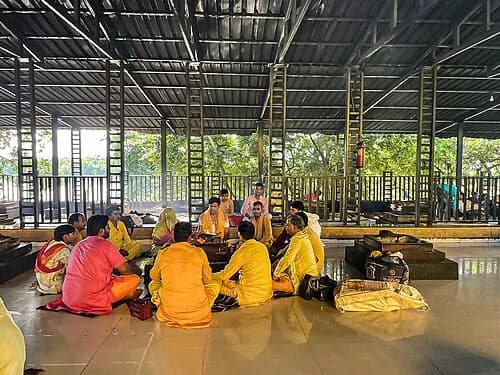
The mantra is traditionally chanted at sunrise, facing east, and translates loosely as a prayer for illumination of the intellect — asking that the divine light of the sun awaken and guide one’s understanding. It is composed in the Gayatri chandas, a specific Vedic meter of twenty-four syllables arranged across three lines of eight, which is part of why its rhythm feels so distinctly measured compared to more free-form prayers.
To practice, sit quietly, take a few settling breaths, and chant the verse slowly and clearly, either aloud or silently, ideally learning the correct pronunciation from a teacher or reliable audio source first, since precise Sanskrit pronunciation matters for this specific mantra — the meaning is carried partly in the sound itself, not just the translated words. A traditional approach is to repeat it in cycles of a mala (108 beads), though even three to eleven repetitions daily is a completely legitimate practice, especially when starting out and still working toward the fuller gayatri mantra benefits that come with consistency. The three traditional chanting times are dawn, midday, and dusk — the sandhya, or junctions between day and night — though for most people today, a single morning repetition is realistic and still meaningful, and the gayatri mantra benefits of a single daily sitting are genuinely worth the modest time investment.
A common mistake beginners make is rushing the syllables to get through the verse quickly, which flattens the rhythm that gives the chant its calming effect. Slowing down, even if it means chanting fewer repetitions, tends to produce a stronger sense of the gayatri mantra benefits than chanting quickly and often. Getting the sound right is part of receiving the full benefit described in tradition.
The Advantage of Gayatri Mantra as a Daily Practice
Beyond its spiritual significance, the advantage of Gayatri mantra as a meditative tool comes from the same mechanism as other mantra practices — rhythmic repetition anchors attention and calms mental noise, while the specific morning timing helps build a grounding daily ritual. The repeated Sanskrit syllables function much like a focal point in any concentration practice: each time attention drifts, the next syllable gives it somewhere immediate to return to, which is a large part of why chanting feels steadying even before you consider its spiritual meaning at all. This mechanism is a big part of why gayatri mantra benefits are so consistently described as calming rather than energising or agitating.
Some practitioners also hold traditional beliefs about astrological benefits of Gayatri mantra tied to planetary influences and the sun’s position, a framework worth respecting as part of the tradition without needing to accept it as scientific fact to still benefit from the calming, focusing effect of daily practice. Both readings — devotional and simply meditative — coexist comfortably for most practitioners, and neither one cancels out the other’s version of gayatri mantra benefits.
Photo: Gayatri-mantra-devanagari, CC BY-SA 4.0, via Wikimedia Commons
Gayatri Mantra Compared to Other Common Chants
If you’ve explored other practices, you may wonder how the gayatri mantra benefits compare. Om meditation uses a single, simple sound and suits those who want the most minimal possible anchor, while the Mahamrityunjaya mantra is longer and specifically associated with healing and protection from fear. The Gayatri Mantra sits between these — longer than Om, shorter than many devotional hymns — and its specific association is with wisdom, intellect, and inner light rather than healing or protection. There’s no need to choose only one; many practitioners rotate between mantras depending on what they’re seeking that day, or settle on Gayatri specifically for the gayatri mantra benefits tied to mental clarity.
One point of historical sensitivity worth naming honestly: traditional restriction of this mantra by caste and gender was real, though contemporary practice across most Hindu communities today is far more open, and many teachers now actively encourage anyone drawn to the practice to learn it properly rather than gatekeeping it.
Chanted with attention and consistency, gayatri mantra benefits tend to deepen over months rather than appearing after a single sitting. If you’re building a broader daily practice, Habuild’s free yoga challenge is a gentle place to start.
Frequently Asked Questions
Related Articles

Dhyana Mudra: How to Practice and Its Benefits for Meditation
Practice Dhyana Mudra with Habuild. Follow the meditation hand gesture steps to calm the mind, deepen concentration, and support your daily practice. Start!

Sukhasana (Easy Pose): Steps Benefits and Meditation Foundation
Try sukhasana with Habuild. Discover the sukhasana pose to improve posture, reduce stress, and cultivate a calm and focused mind. Start your session today!

Chin Mudra: How to Practice and Its Benefits for Calm and Clarity
Practice Chin Mudra with Habuild. Follow the consciousness hand gesture steps to calm the mind, improve focus, and deepen your pranayama practice. Start today!