
Bodyweight Training for Beginners: Benefits & Best Exercises
Discover the top benefits of bodyweight training for beginners, best exercises to start, and how Habuild helps you build real consistency. Try free for ₹1.
Key Takeaways
- Removes every common excuse for not starting – no gym, no gear, no experience needed.
- Squats deepen hip flexibility, push-ups open the chest, and lunges stretch hip flexors all at once.
- Starting the habit early especially benefits younger adults and women for long-term bone health.
- A more sustainable beginner approach is three sessions per week rather than six from day one.
- Sessions combining compound movements with minimal rest keep the heart rate elevated throughout.
- About 20-30 minutes with just a yoga mat or clear floor space is all it takes to begin.
Bodyweight training for beginners is one of the most accessible ways to build strength, improve fitness, and develop a lasting movement habit — with zero equipment and no gym membership required. Whether you’re starting from scratch or returning after a long break, this guide covers why it works, how to begin, the best exercises, and how to stay consistent enough to see real results.
Bodyweight training removes every common excuse for not starting: no gym, no gear, no experience needed. The movements are learnable, the load is self-regulating, and the only thing standing between you and progress is showing up regularly.
8 Key Benefits of Bodyweight Training for Beginners
- Builds Functional Strength Without Equipment: Bodyweight exercises teach your muscles to work together the way they do in real life — carrying groceries, climbing stairs, picking things up off the floor. This functional strength transfers directly into daily movement, making everyday tasks feel noticeably easier over time.
- Boosts Metabolism Over Time: Resistance-based movements like squats, push-ups, and lunges engage large muscle groups simultaneously, which elevates your metabolic rate during and after the session. Consistent practice may gradually support healthy weight management as part of an active lifestyle. If you’re also exploring strength training for weight loss, bodyweight work is a natural starting point before adding any load.
- Improves Bone Density: Weight-bearing movements place healthy stress on your bones, signalling your body to maintain and strengthen bone tissue. For younger adults and women especially, starting this habit early supports long-term bone health. Complement it with adequate rest and nutrition for best outcomes.
- Enhances Flexibility and Mobility: Unlike machine-based training that locks you into fixed ranges of motion, bodyweight exercises move your joints through their natural arc. Squats deepen hip flexibility, push-ups open the chest, and lunges stretch hip flexors — all at once. Over weeks of regular practice, overall mobility visibly improves.
- Supports Fat Loss Through Consistent Practice: No single session melts fat — but consistent sessions over months create the conditions where your body gradually shifts its composition. Bodyweight sessions that combine compound movements with minimal rest keep your heart rate elevated, making them efficient for both strength and cardiovascular benefit.
How to Get Started with Bodyweight Training
What You Need to Begin
The honest answer: very little. A yoga mat or a clear patch of floor, comfortable clothing, and about 20–30 minutes is all it takes. No dumbbells, no pull-up bar, no resistance bands are required at the beginner stage. The barrier to entry is intentionally low — the real challenge is consistency, not equipment.
Setting Realistic Goals
Beginners often try to train six days a week in the first month and burn out by week three. A more sustainable approach: commit to three sessions per week, focus on learning correct form, and resist the urge to push to failure every workout. Progress in strength training is measured in months, not days. Celebrate small wins — an extra rep, a straighter plank, a squat where your knees no longer cave inward.
Start with the Basics
The beginner phase is about learning movement patterns, not maximising volume. Pick five foundational movements and rotate through them. Once you can complete two sets of 12–15 reps with good form, you’re ready to progress. Explore the strength training for beginners guide for a structured first-week plan.
Best Bodyweight Exercises for Beginners
Squats
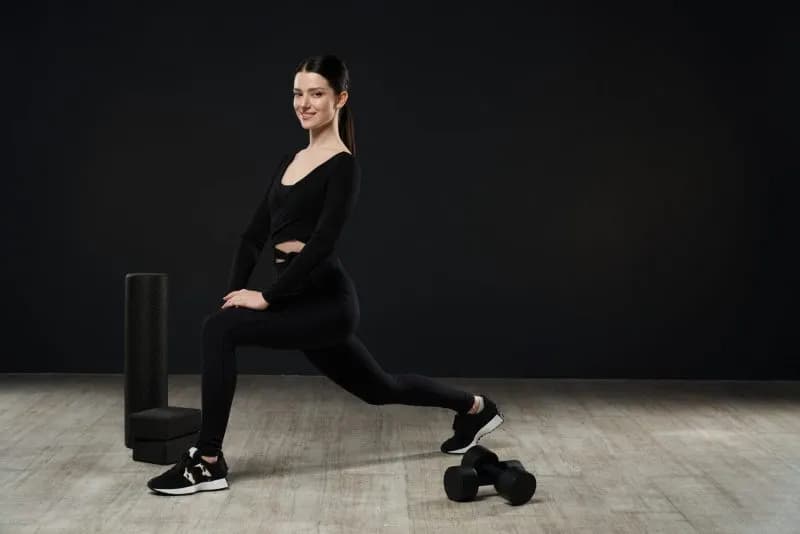
The squat is the foundation of lower-body training. Stand with feet shoulder-width apart, push your hips back as if sitting into a chair, and lower until your thighs are roughly parallel to the floor. Drive through your heels to stand. Start with 3 sets of 10–12 reps. As strength builds, adding a jump (jump squat) elevates intensity and supports leg power development.
Push-Ups
Push-ups train the chest, shoulders, and triceps while engaging your core. If a full push-up is too demanding initially, begin with your knees on the floor. Aim for 3 sets of 8–10 reps. Focus on a straight line from head to hips — a sagging lower back is the most common form error.
Reverse Lunges
Step one foot backward and lower your back knee toward the floor, keeping your front shin vertical. Reverse lunges are gentler on the knees than forward lunges and build quad, glute, and hamstring strength simultaneously. Do 10 reps per leg for 2–3 sets.
Plank
The plank is the most efficient core-strengthening exercise for beginners. Hold a forearm plank with hips level — not raised, not sagging. Start with 3 holds of 20–30 seconds and gradually extend duration as your core strengthens. For progressive variations, the core strength routine covers how to advance systematically.
Glute Bridges
Lie on your back with knees bent and feet flat. Drive your hips upward, squeezing your glutes at the top, then lower with control. Glute bridges activate the posterior chain — the muscles along the back of your body — which are chronically underused in people who sit for long hours. Do 3 sets of 12–15 reps.
Mountain Climbers
Start in a high plank and alternate driving each knee toward your chest at a brisk pace. Mountain climbers combine core stability, shoulder strength, and cardiovascular conditioning in one movement. Use them as a metabolic finisher at the end of a session. Aim for 3 sets of 20 total reps.
Superman Hold
Lie face down, extend your arms overhead, and lift both arms and legs a few inches off the ground simultaneously. Hold for 2–3 seconds and release. This strengthens the lower back and spinal erectors — muscles that support posture. Do 3 sets of 10 reps.
Common Mistakes to Avoid
- Poor Form: Rushing through repetitions to finish faster is the number one beginner mistake. Poor form in squats, push-ups, and lunges reduces exercise effectiveness and gradually builds movement habits that lead to joint discomfort. Slow down, learn the pattern, and add speed or reps only once form feels automatic.
- Skipping the Warm-Up: Jumping straight into squats with cold muscles increases the risk of minor strains. Five to seven minutes of dynamic movement — leg swings, arm circles, hip rotations, light marching — prepares your joints and muscles for the work ahead. This is especially important first thing in the morning.
- Overtraining in the First Few Weeks: Soreness after the first session motivates many beginners to train every day — but muscle repair happens during rest, not during exercise. Training the same muscle groups without adequate recovery slows progress and increases fatigue. Stick to every-other-day training at the start and honour rest days.
- Inconsistency: Ten sessions in two weeks then nothing for three weeks produces almost no lasting adaptation. The body responds to repeated, regular stimulus. Missing one session is fine. Missing two weeks resets much of what you built. Imperfect sessions count — showing up consistently is the single most important variable.
Who Should Try Bodyweight Training?
- Beginners: If you’ve never trained before or haven’t exercised in years, bodyweight training is the right entry point. The movements are learnable, the load is manageable, and there’s no intimidating equipment to navigate. Starting simple makes it far more likely you’ll still be training three months from now.
- Women: Many women avoid strength training out of concern it will make them look bulky. The evidence is clear: resistance training at bodyweight levels builds lean muscle tone, supports hormonal health, and improves posture — without producing dramatic size increases. For more, see strength training for women.
- Older Adults: Bodyweight training is particularly valuable for adults over 50, where maintaining muscle mass and bone density becomes a genuine health priority. Movements like squats, bridges, and wall push-ups are low-impact and adaptable to varying mobility levels. Always consult a healthcare provider before beginning a new exercise programme if you have existing medical conditions.
- Working Professionals: Long hours at a desk create tight hip flexors, rounded shoulders, and a weak posterior chain. A 25-minute bodyweight session three times a week addresses all of these — no commute to a gym required. Exercises that target posture and core stability offer functional benefits well beyond general fitness.
Build Strength with a Routine That Actually Works
Building strength isn’t about doing random workouts — it’s about showing up consistently, following a structured progression, and having guidance that adapts to where you are right now. With the right support, you can train effectively from home and see real, gradual progress over time.
What You Get with Habuild’s Strong Everyday Program:
- Daily live guided strength sessions with expert instructors
- Beginner-to-advanced progressions so you’re never lost
- No-equipment and home-friendly workouts
- Form correction and real-time guidance to build safe habits
- A community that keeps you consistent when motivation dips
If you’re looking for a structured path that combines strength and movement, explore full body strength training to see how a progressive programme is built.
Start Your Strength Training Journey
Related reads: What Is Plyometric Training? Benefits, Exercises & Tips · Pilates for Beginners at Home: Benefits, Exercises & How to Start
Beginners tend to get the most out of bodyweight training when someone else has already worked out the order, pacing, and progression — figuring all that out alone is often where consistency breaks down. Habuild’s Strong Everyday program removes that guesswork with a structured, guided daily plan built for exactly this stage.
Frequently Asked Questions
Related Articles
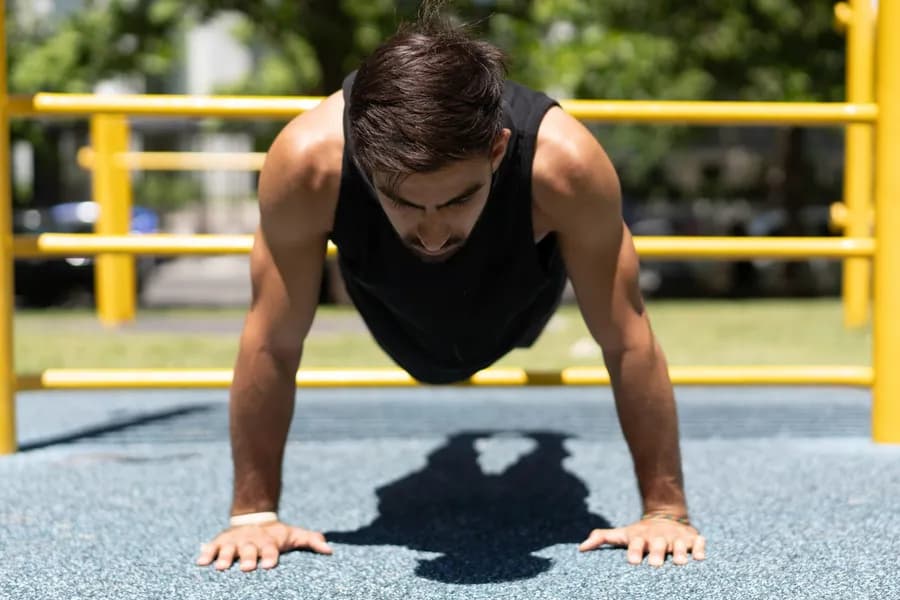
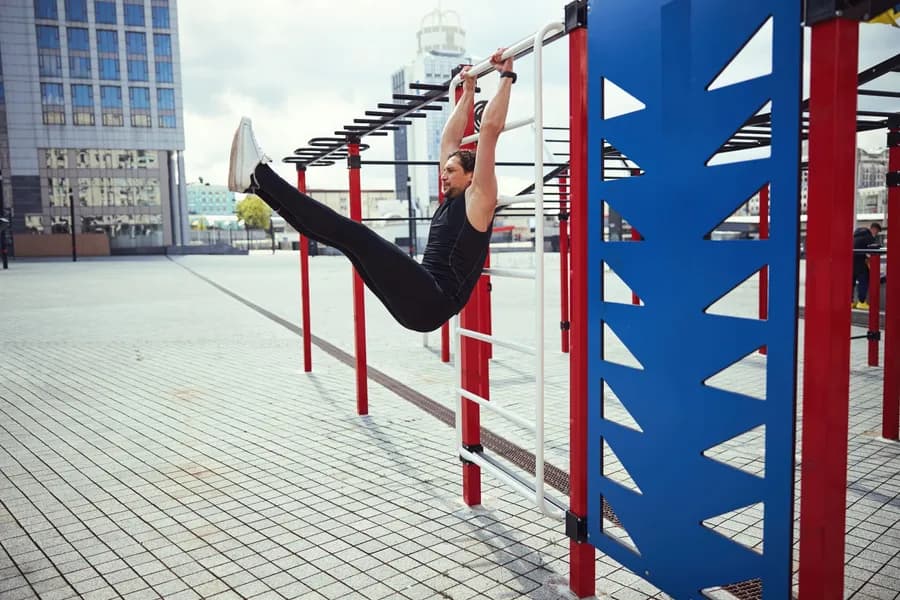
Bodyweight Exercises at Home: Benefits, Moves & Beginner Guide
Discover the best bodyweight exercises at home to build strength, burn fat & improve fitness. No equipment needed. Start your free trial today.
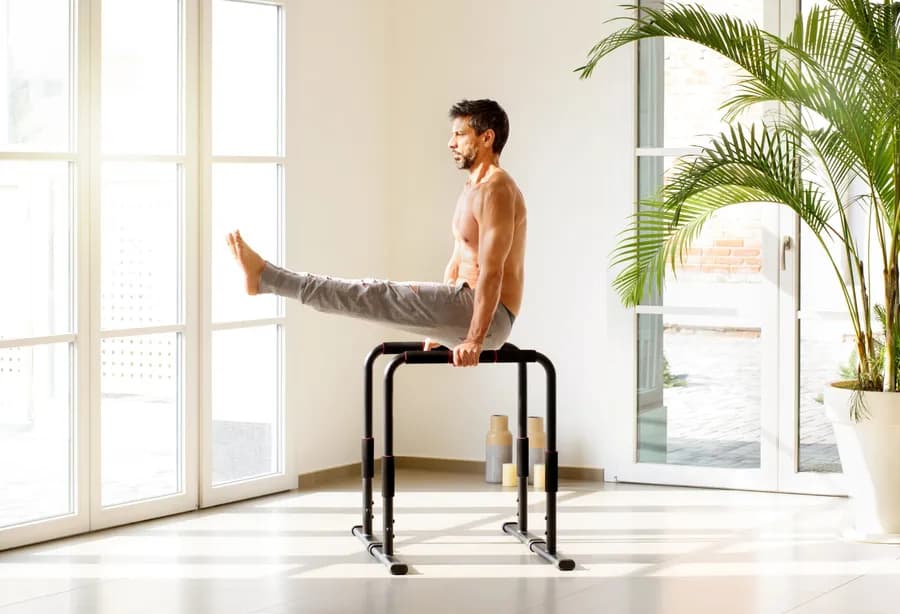
Calisthenics Kya Hota Hai
Calisthenics kya hota hai? जानें bodyweight training के फायदे, बेसिक exercises और शुरुआत कैसे करें। Try करें Habuild का 14-day free trial trial।
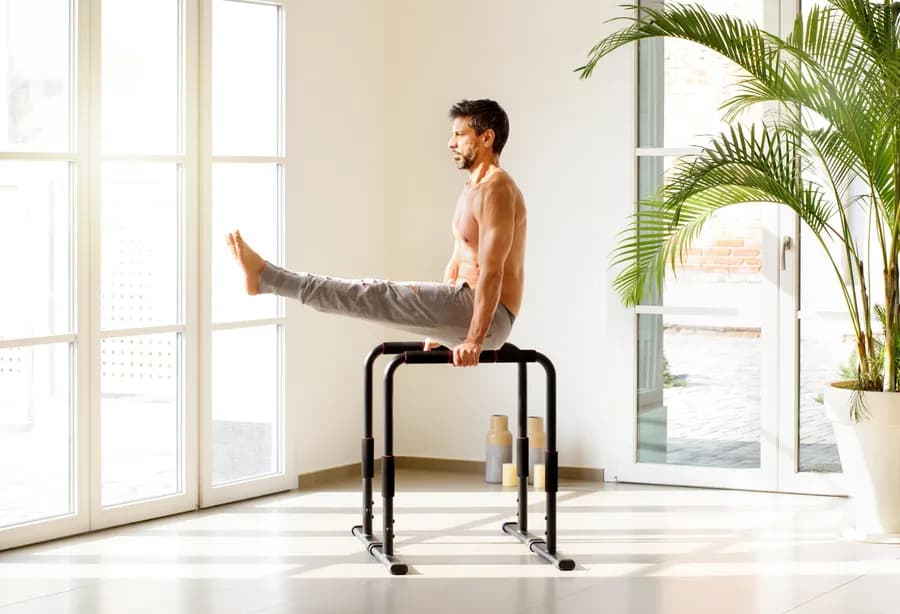
How to Start Calisthenics at Home: Beginner’s Guide
Learn how to start calisthenics at home with no equipment. A beginner-friendly guide to build real strength through consistent daily practice.
Home Calisthenics Routine: Build Strength Without Equipment
Build real strength with a home calisthenics routine. No gym, no equipment needed. Start your beginner-friendly plan today — try Habuild with a 14-day free trial.
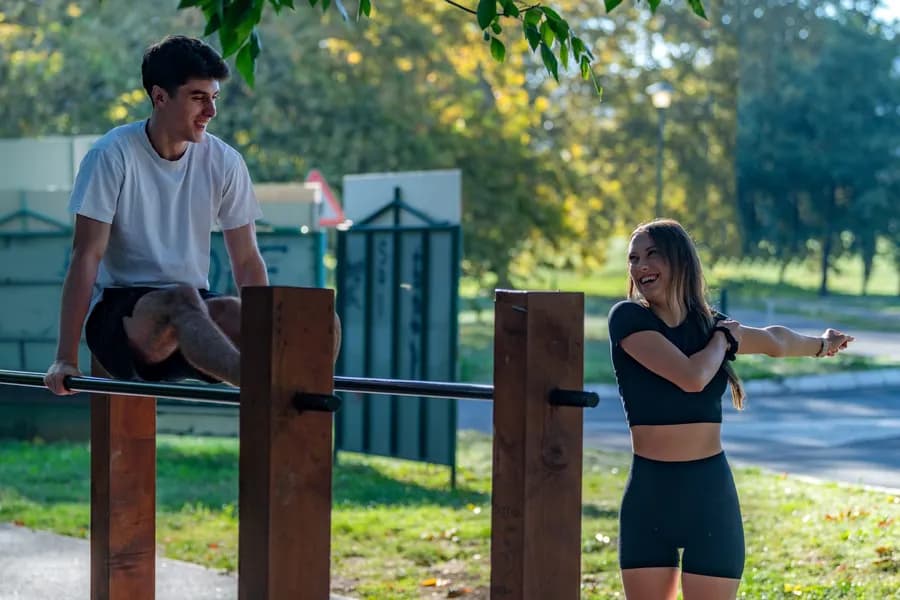
Calisthenics for Beginners: the Complete Starter Workout Plan
Your own bodyweight provides all the resistance needed for significant strength and muscle development in the first year of training — no gym, no weights required. See the complete starter workout plan.