
How to Strengthen Calf Muscles: Exercises, Tips & a Plan That Works
The calves power walking, running, and balance, yet they're among the most neglected muscle groups in most routines. See the best exercises to close that gap.
Key Takeaways
- The gastrocnemius and soleus are among the most neglected muscle groups in most routines.
- Weak calves commonly contribute to Achilles strain, shin splints, and ankle sprains.
- The soleus acts like a secondary pump, helping push blood back up from the legs to the heart.
- Generate the push-off force in every running stride, making them key for runners.
- Calves are slow-twitch dominant, responding better to consistent moderate volume than intensity.
The calves — gastrocnemius and soleus — are central to walking, running, balance, and lower-body power, yet they are among the most neglected muscle groups in most training routines. This guide covers exactly how to strengthen calf muscles at home: the benefits, the best exercises, common mistakes to avoid, and who should make this a priority.
If you want to know how to strengthen calf muscles, you are not alone. Whether you are building strength from scratch or looking to close a gap in your existing routine, targeted calf work delivers measurable improvements in stability, endurance, and movement quality — without requiring a gym or specialist equipment.
5 Key Benefits of Calf Strengthening
- Better Balance and Stability The calf complex acts as a stabilising anchor every time you stand, walk, or change direction. Strengthening the gastrocnemius and soleus gradually improves your ability to hold steady under load — whether you are carrying groceries or holding a yoga pose for an extended breath.
- Reduced Risk of Lower-Leg Injuries Weak calves are a common contributor to Achilles tendon strain, shin splints, and ankle sprains. Consistent calf training builds the muscular buffer that absorbs impact and protects the joint structures around the ankle and knee during daily movement and sport.
- Improved Running and Athletic Performance The calves generate the push-off force in every stride. Runners benefit enormously from dedicated calf work — a structured strength program for runners almost always includes targeted lower-leg exercises for exactly this reason.
- Better Circulation in the Lower Body The soleus acts like a secondary pump, helping push blood back up from the legs toward the heart. Stronger calves support healthier venous return, which may ease the heaviness and swelling many people experience after long hours of sitting or standing at a desk.
- Functional Strength for Everyday Movement Climbing stairs, walking uphill, squatting — all demand calf engagement. Building this muscle group through functional strength exercises means daily movement becomes noticeably easier over time and fatigue sets in later.
How to Get Started with Calf Strengthening
What You Need to Begin
Almost nothing. Most effective calf exercises require only a step, a wall for balance, or your own bodyweight. A resistance band or light dumbbells add useful variety, but they are optional extras rather than prerequisites. Training how to strengthen calf muscles at home is completely practical from day one.
Setting Realistic Goals
Calves are dense, slow-twitch dominant muscles that respond to consistent, moderate volume rather than occasional intense sessions. Aim to train them two to three times per week, allow at least 48 hours of recovery between sessions, and avoid overloading too soon. Gradual progression matters far more than going heavy early in the process.
Start with the Basics
Begin with double-leg standing calf raises using only your bodyweight. Once you can complete 3 sets of 20 reps with control and full range of motion — heel fully down, full rise onto the ball of the foot — you are ready to progress to single-leg variations or added resistance. Pairing calf work with a broader strength training program produces the most balanced lower-body results.
Best Exercises to Strengthen Calf Muscles at Home
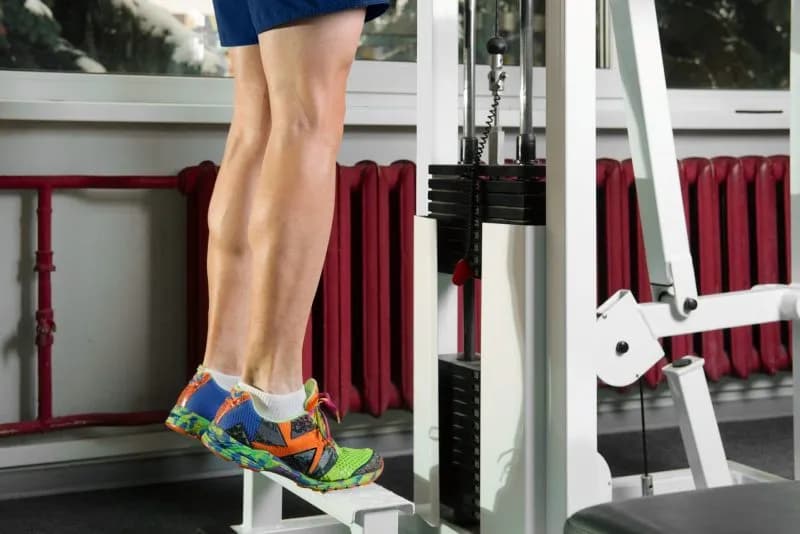
Standing Calf Raises
The foundational movement for calf development. Stand near a wall for support, rise slowly onto the balls of your feet, hold for one second at the top, and lower with control. The eccentric lowering phase is where most of the strengthening occurs — do not rush it. Perform 3 sets of 15–20 reps.
Single-Leg Calf Raises
Once double-leg raises feel comfortable, shift to one leg at a time. This dramatically increases load on each calf and exposes any strength imbalance between sides. Use a wall or chair for light balance support. Aim for 3 sets of 10–15 reps per leg.
Seated Calf Raises
This targets the soleus — the deeper calf muscle best activated when the knee is bent. Sit on a chair, place a weight (book, backpack, or dumbbell) on your thighs, and raise your heels as high as possible. Perform 3 sets of 15–20 reps. Particularly valuable for anyone who sits for long hours during the day.
Step-Up Calf Press
Stand with the ball of one foot on the edge of a step and your heel hanging off. Lower your heel below the step level, then press all the way up. This increased range of motion produces a deeper stretch and stronger contraction than a flat surface allows. Perform 3 sets of 12–15 reps per side.
Jump Rope or Skipping in Place
Even without a rope, skipping in place at a moderate pace activates the calves dynamically and adds a cardiovascular element. Two to three minutes of continuous skipping builds calf endurance effectively. This movement connects naturally to broader lower body training work.
Wall Sit with Heel Raise
Hold a wall sit position with thighs parallel to the floor and perform slow heel raises from this angle. The combination of isometric quad hold and dynamic calf movement builds co-ordination and endurance simultaneously. Perform 2 sets of 12–15 reps.
Resistance Band Ankle Flexion
Loop a resistance band around the ball of your foot, hold the ends taut, and press your foot away from you (plantarflexion). This isolates the lower calf and Achilles region with controlled tension. Perform 3 sets of 15 reps per side.
Common Mistakes to Avoid
- Poor Form: Bouncing Instead of Controlling Many people use momentum to bounce through calf raises rather than pressing through a full, controlled range of motion. This reduces muscle activation and increases Achilles strain risk. Slow the movement down — three seconds up, one second hold, three seconds down — and you will feel the difference immediately.
- Skipping the Warm-Up Cold, stiff calf muscles are more vulnerable to micro-tears and cramping. Spend five minutes walking briskly, doing ankle circles, and performing light dynamic stretches before your calf session. This is non-negotiable, especially when training first thing in the morning.
- Overtraining Without Recovery Because calves are engaged in virtually every lower-body movement, they can feel perpetually fatigued if trained daily at high volume. Two to three sessions per week with proper rest days between them is the right framework for most people starting out.
- Inconsistency The soleus responds slowly. Most people see meaningful improvement only after six to eight weeks of consistent work — sporadic sessions produce very little change. Building a near-daily movement habit is what separates those who progress from those who plateau.
Who Should Try Calf Strengthening?
- Beginners Calf exercises are among the safest and most accessible movements for anyone new to strength training. Standing calf raises require no equipment and zero prior experience, making them a natural first step into structured lower-body work.
- Women Calf training does not produce bulk — it builds lean, functional muscle that supports joint stability and improves the appearance and feel of the lower leg. Those looking for a comprehensive starting point will find Habuild’s female strength training program a natural fit.
- Older Adults Calf strength is directly linked to fall prevention and walking speed in older adults. The soleus helps maintain upright posture during slow, loaded movements. Exercises like seated calf raises are gentle on the joints while still delivering measurable strength gains. Please consult your doctor before beginning any new exercise program if you have existing joint or vascular conditions.
- Working Professionals Sitting for extended periods weakens the calves and reduces circulation in the lower legs. Even five minutes of calf raises during a break can counteract hours of sedentary time — no gym, no equipment, and no schedule disruption required.
Build Strength with a Routine That Actually Works
Knowing how to strengthen calf muscles is one thing — following through consistently is where most people struggle. Habuild’s Strong Everyday program removes the guesswork entirely: daily live sessions, expert guidance on form, and a structured progression from beginner to advanced, all from home.
What you get with Habuild’s Strong Everyday program:
- Daily live guided strength and yoga sessions
- Beginner-to-advanced progression with clear milestones
- No-equipment and home-friendly workouts
- Expert guidance on form and technique
- A supportive community to keep you consistent
Related reads: How to Strengthen Chest Muscles: Exercises, Tips & a Plan That Works · How to Strengthen Abdominal Muscles: Exercises, Tips & a Plan That Works
Calves get neglected in most routines precisely because they’re easy to skip when there’s no plan holding you accountable to train them. Working them into a structured program — alongside the rest of your lower body — is a simpler fix than remembering to add calf raises on your own each week. Strong Everyday takes care of that sequencing, so even commonly overlooked muscle groups like the calves get their fair share of attention.
Frequently Asked Questions
Related Articles
How to Strengthen Hamstrings: Exercises, Tips, and a Plan That Works
The hamstrings power walking, running, squatting, and protect your knees — training them two to three times a week with hip-dominant and knee-flexion moves builds real strength. See the full plan.
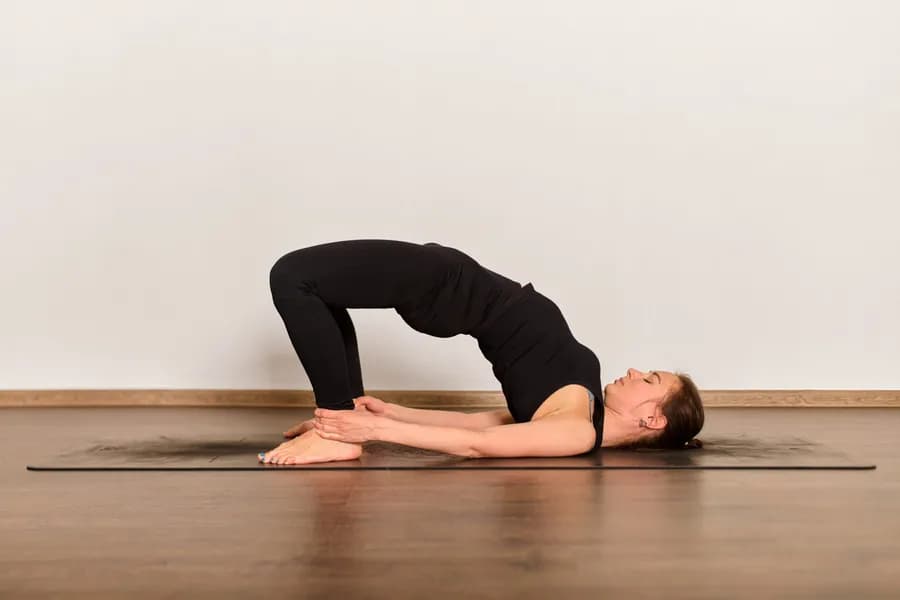
How to Strengthen Glute Muscles: Exercises, Tips & a Plan That Works
Strong glutes support your lower back, improve posture, and make everyday movement easier — built at home with bodyweight alone. See the exercises and how to train with consistency.

How to Strengthen Chest Muscles: Exercises, Tips & a Plan That Works
A stronger chest builds pushing power, supports shoulder stability, and helps correct the rounded-shoulder posture desk work causes. See every practical step, no equipment needed.
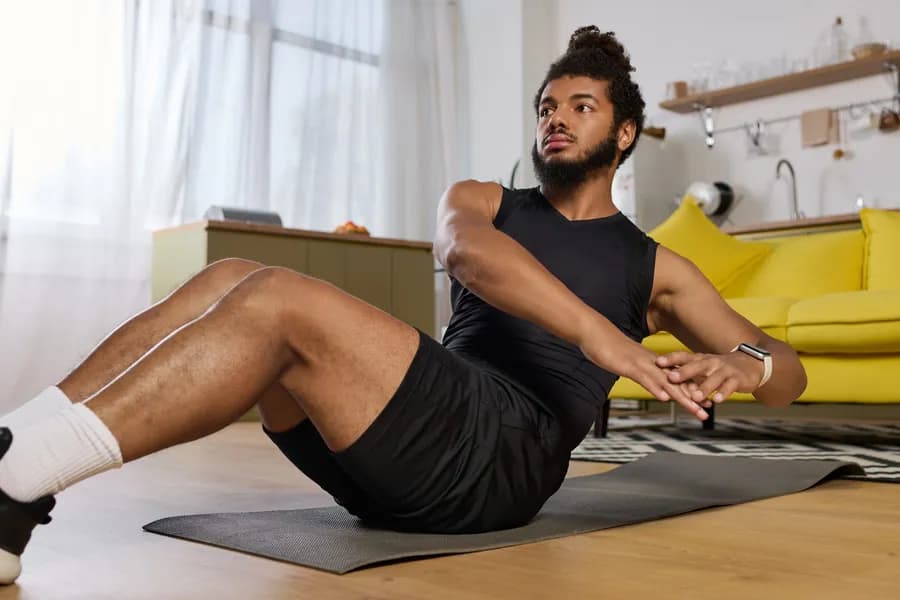
How to Strengthen Abdominal Muscles: Exercises, Tips & a Plan That Works
Training the rectus abdominis, transverse abdominis, and obliques three to four times a week with planks, dead bugs, and hollow holds shows measurable stability gains within four to six weeks. See the full plan.
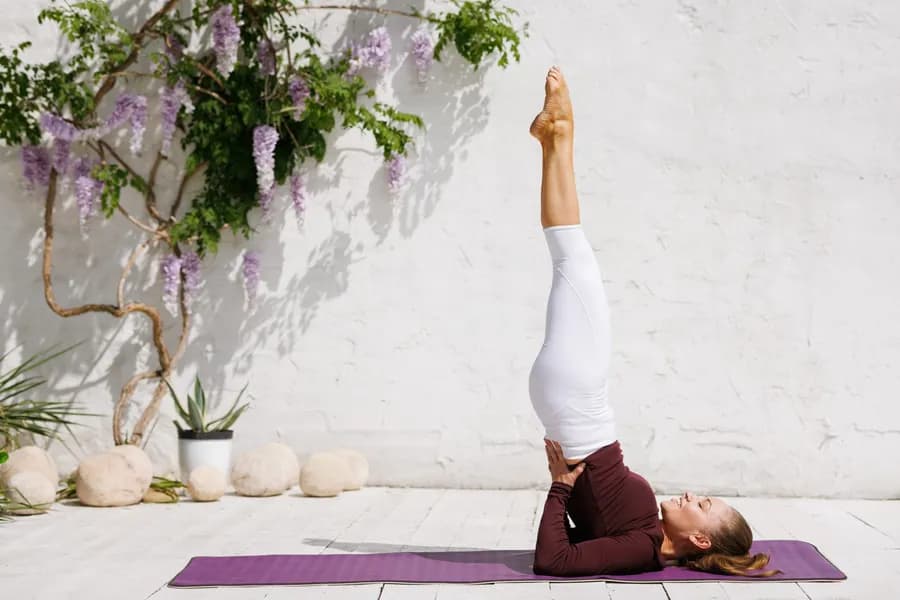
How to Strengthen Shoulder Muscles: Exercises, Tips, and a Plan That Works
Pike push-ups, resistance band face pulls, and overhead presses, done 2-3 times a week, target the deltoids and rotator cuff with consistent form and progressive overload. See the full plan.
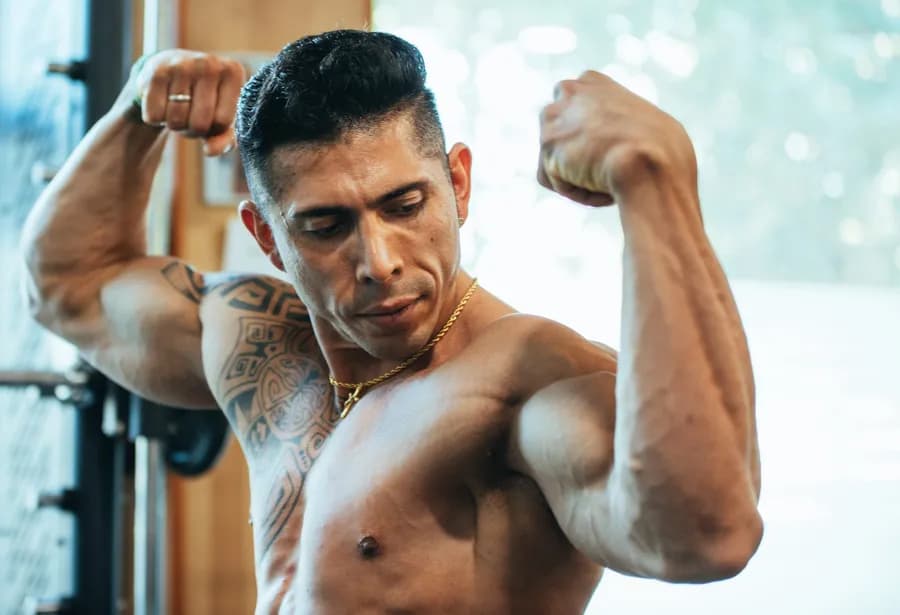
How to Make Muscles Strong: Exercises, Habits, and a Plan That Works
Muscle strength comes from consistent, progressive effort paired with smart recovery — not random workouts. See the exercises and habits that actually build it.