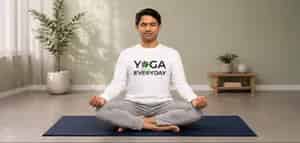
Powerful Hand Mudras: Steps, Benefits & Precautions
These deliberate finger positions, practised across thousands of years of yogic tradition, are considered tools that influence the flow of prana through.
Key Takeaways
- Each finger corresponds to one of five classical elements – earth, water, fire, air, space.
- Listed in texts like the Hatha Yoga Pradipika alongside asanas and pranayama, not as an add-on.
- Fingertips are dense with nerve endings connecting to distinct brain and organ regions.
- Sustained practice may support peripheral circulation and reduce desk-related hand stiffness.
- Can be practiced seated, lying down, or even while walking, unlike most yogic practices.
- Mastering just four or five key mudras can create a meaningful daily shift in how you feel.
If you have ever watched someone meditate and noticed their hands resting in a specific gesture, you have already witnessed powerful hand mudras in action. These deliberate finger positions — practised across thousands of years of yogic and Ayurvedic tradition — are far more than symbolic gestures. They are considered precise tools that influence the flow of prana (life energy) through the body, and modern practitioners report real, felt shifts in focus, calm, and vitality when they make mudras a consistent daily habit.
This guide covers the most effective hand mudras for power, brain function, and overall well-being — with step-by-step instructions, benefits, common mistakes, and everything you need to begin safely today.
What is a Hand Mudra?
The Sanskrit word mudra (मुद्रा) translates loosely as “seal,” “gesture,” or “mark.” Pronounced moo-dra, the term encompasses any deliberate positioning of the hands and fingers used to direct the flow of prana within the subtle body. In classical texts such as the Hatha Yoga Pradipika and the Gheranda Samhita, mudras are listed alongside asanas and pranayama as foundational practices — not optional add-ons.
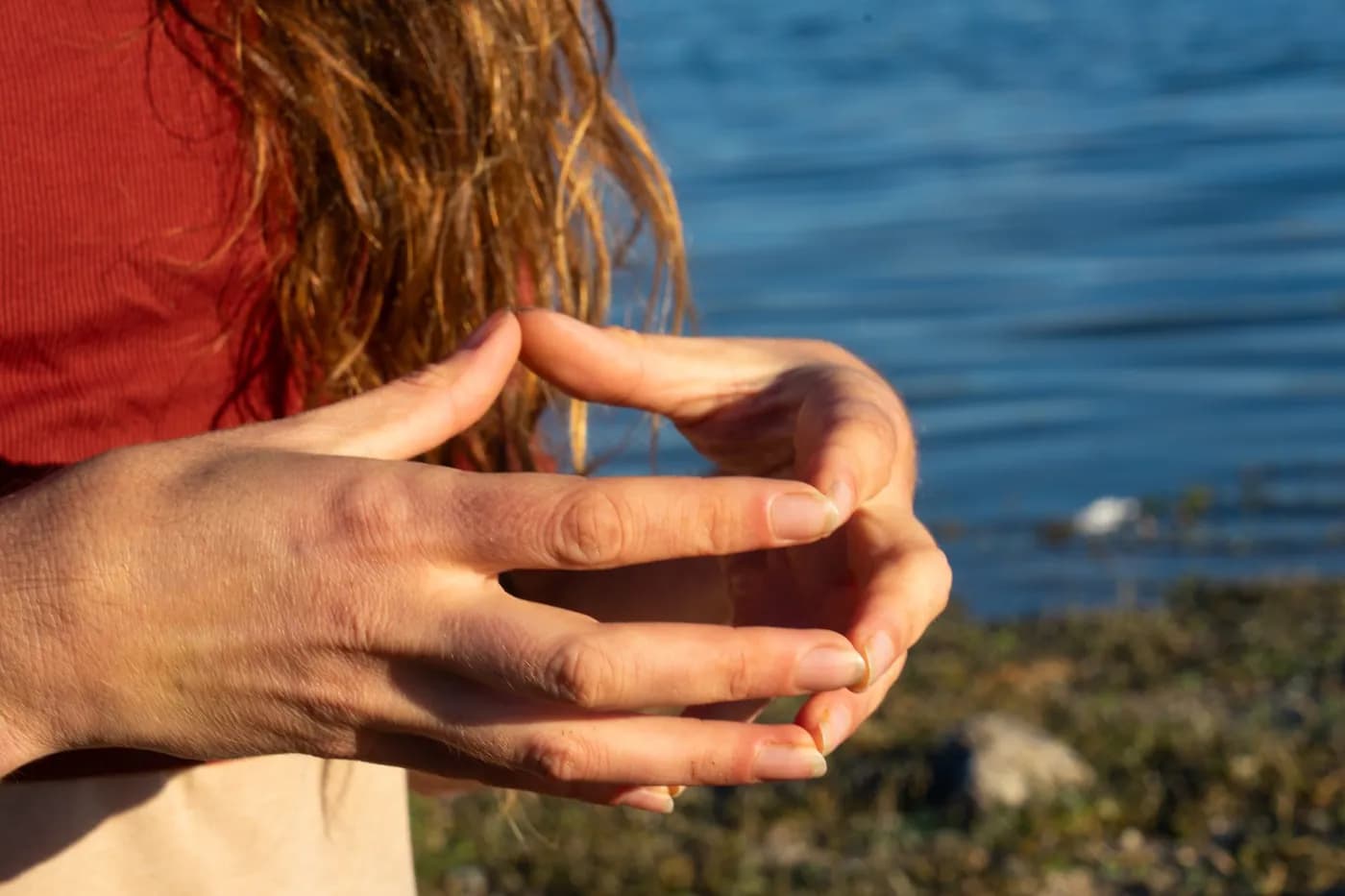
Visually, a hand mudra involves one or both hands forming a specific shape: fingers touching, curling, pressing, or extending in a precise way. Each configuration is said to create a different energetic circuit. From a physiological angle, the fingertips are dense with nerve endings that connect to distinct regions of the brain and organs, which is why researchers studying neurology and acupressure have begun taking a serious interest in these ancient gestures.
Within the broader yoga system, mudras sit at the intersection of asana (body posture), pranayama (breath regulation), and dhyana (meditation). They can be practised seated, lying down, or even while walking — making them uniquely accessible among all yogic practices. The complete world of hasta mudras is vast, but even mastering four or five of the most powerful ones can create a meaningful shift in how you feel day to day.
Powerful Hand Mudras — Benefits
Physical Benefits
- Benefit 1: Supports Energy Flow and Vitality Each finger in yogic anatomy corresponds to one of the five classical elements — earth, water, fire, air, and space. When specific fingers make contact, the related elemental energy is said to be balanced or amplified. Practitioners who work with hand mudras for power consistently report feeling less fatigued and more physically grounded, particularly when the practice is paired with steady nasal breathing.
- Benefit 2: May Gradually Improve Circulation and Nerve Function Sustained mudra practice engages the fine motor nerves of the hand and forearm. Over time, this stimulation may support peripheral circulation and hand dexterity. People who sit at desks for long hours often find that a five-minute mudra break reduces the stiffness and mild numbness that builds up through the day.
- Benefit 3: Supports Digestive and Metabolic Balance Certain mudras — particularly Agni Mudra (fire gesture) — are traditionally associated with supporting the digestive fire (agni). When practised regularly alongside mindful eating habits, they may help the body maintain a healthier metabolic rhythm. This connects naturally to broader practices like yoga for digestion, where breath, movement, and gesture work together.
- Benefit 4: Builds Brain Power and Mental Clarity The hand mudra for brain power most widely cited in classical texts is Gyan Mudra — the index finger touching the tip of the thumb. This configuration is associated with the air element and is said to stimulate the brain’s frontal lobe, the area responsible for concentration, decision-making, and memory. Students preparing for exams, professionals managing complex work, and meditators deepening their practice all include Gyan Mudra as a core tool.
Mental and Emotional Benefits
- Benefit 5: Calms the Nervous System and Manages Stress Prana Mudra and Apana Vayu Mudra are particularly valued for their calming effect on the sympathetic nervous system. Holding these gestures during slow, deliberate breathing shifts the body away from a stress-reactive state and toward a more settled, parasympathetic baseline. If stress and anxiety are concerns for you, combining mudra practice with a structured routine can make a meaningful difference — much as yoga for stress management does through movement and breath.
- Benefit 6: Enhances Emotional Resilience and Inner Stability Prithvi Mudra (earth gesture) is associated with groundedness, patience, and emotional steadiness. Practitioners dealing with feelings of restlessness, insecurity, or low confidence often find that holding this mudra for ten to fifteen minutes daily gradually supports a more stable emotional baseline — not as a cure, but as a consistent anchor in the day.
How to Do Powerful Hand Mudras — Step-by-Step Instructions
Key Principles
Before learning individual gestures, understand the foundation. Always sit comfortably with an erect spine — on a chair, on the floor, or in any meditative seat. Rest both hands on your thighs, palms facing upward. The pressure between fingers should be light and deliberate, never forced or tense. Even five minutes of sincere, relaxed practice is more effective than thirty strained minutes.
In this step-by-step guide, we walk through Gyan Mudra — the most widely practised hand mudra for power and brain clarity — as a reference template. The same structural approach applies to all other mudras described on this page.
Step 1: Starting Position
Sit comfortably in Sukhasana (easy cross-legged seat), Padmasana, or on a chair with your feet flat on the floor. Elongate your spine gently, draw your shoulders back and down, and close your eyes. Take three natural breaths to settle your attention inward. Both hands rest on your thighs, palms facing upward and fingers loosely extended.
Step 2: Positioning the Index Finger
On your right hand, gently curl the index finger inward until its tip rests lightly against the tip of the thumb. The contact should feel like a soft seal — no pressing, no gripping. Alignment cue: the remaining three fingers (middle, ring, little) remain comfortably extended but relaxed, not splayed. You should feel a subtle circuit of energy complete at the fingertip junction.
Step 3: Mirror on the Left Hand
Repeat the same gesture on your left hand simultaneously. Both hands now hold Gyan Mudra. Rest them symmetrically on your thighs, palms still facing upward. Notice whether one side feels slightly more tense or awkward — this is normal at first. Allow both hands to soften equally.
Step 4: Synchronising with Breath
Begin to breathe slowly through the nose — inhale for a count of four, exhale for a count of six. With each exhale, allow any remaining tension in the hands, jaw, or shoulders to release. The mudra does not change on the inhale or exhale; it remains steady. What changes is your awareness — you are drawing it progressively inward with each breath cycle.
Step 5: Final Position and Hold
Maintain the mudra for a minimum of five minutes, ideally working toward fifteen minutes over several weeks of practice. Keep the spine tall but not rigid, the face soft, and the gaze turned inward (or eyes lightly closed). If the mind wanders, simply return attention to the gentle pressure at the fingertips. This subtle anchor point is what differentiates mudra practice from ordinary sitting.
Step 6: How to Come Out of the Mudra
To release, slowly unfurl the fingers back to their natural extended position. Do not shake the hands immediately. Instead, rest both palms open on your thighs for one full minute, allowing any energy or sensation to settle. Then gently open your eyes, take a deeper breath, and reorient to your surroundings. Rushing the exit can dissipate the calm you have built.
Breathing in Powerful Hand Mudras
Breath is the force that activates a mudra — the gesture alone is only the container. As a general rule, use slow nasal breathing throughout any mudra practice. Inhale fully into the lower belly, let the ribs expand, then exhale completely. Avoid breath retention (kumbhaka) in the beginning unless guided by an experienced teacher. For the hand mudra for brain power specifically, a slightly longer exhale than inhale (a 1:1.5 ratio) appears to deepen the calming and focusing effect.
Preparatory Poses Before Powerful Hand Mudras
While mudras can technically be practised cold, a brief warm-up makes the hands more receptive and the mind more focused. Consider these four preparations:
- Finger Interlacing and Stretching — Interlace all ten fingers, turn the palms outward, and extend the arms forward for thirty seconds. Releases tension in the joints and wrists.
- Wrist Rotations — Circle both wrists ten times clockwise and anti-clockwise. Improves blood flow to the hands and activates the nerve pathways that mudras work with.
- Sukhasana (Easy Seat) — Settling into a comfortable, stable seated posture ensures the spine is aligned and the mind is less distracted by physical discomfort during the hold.
- Nadi Shodhana (Alternate Nostril Breathing) — Two to three minutes of alternate nostril breathing before mudra practice balances the left and right energy channels, making the subsequent gesture noticeably more effective.
Variations of Powerful Hand Mudras
The category of powerful hand mudras is not a single gesture but a family. Here are four of the most impactful, each with a distinct focus:
Variation 1: Gyan Mudra (Gesture of Knowledge) — Beginner
Index fingertip meets thumb tip; remaining fingers extend softly. This is the most accessible entry point and the most widely used hand mudra for brain power. It supports concentration, memory, and meditative depth. Ideal for morning practice before study or focused work.
Variation 2: Prana Mudra (Gesture of Life Force) — Beginner to Intermediate
The ring finger and little finger both touch the tip of the thumb, while the index and middle fingers extend. Associated with activating dormant energy in the body, improving immunity, and reducing fatigue. Many practitioners report better sleep quality when this mudra is held for fifteen minutes in the evening.
Variation 3: Apana Vayu Mudra (Gesture of the Heart) — Intermediate
The index finger bends to touch the base of the thumb; the middle and ring fingers touch the thumb tip; the little finger extends. This powerful combination is traditionally associated with supporting heart function and managing physical exertion. Explore it alongside a broader yoga for heart health practice for a more rounded approach.
Variation 4: Dhyana Mudra (Gesture of Meditation) — All Levels
Both hands are placed in the lap with the right hand resting atop the left, thumbs lightly touching to form an oval. This is the mudra most associated with deep meditative absorption. It quiets mental chatter quickly and is excellent for practitioners building a longer daily sitting practice. No prior experience with other mudras is required.
Common Mistakes to Avoid in Powerful Hand Mudras
- Pressing Too Hard A mudra is a light seal, not a pinch. Applying excessive pressure between fingers creates muscular tension that travels up the arm and into the shoulders, defeating the purpose entirely. Aim for the lightest contact that still feels intentional.
- Practising with a Slouched Spine The body is one connected system. A collapsed lower back or hunched thoracic spine compresses the breath and disrupts the energy channels that mudras are meant to influence. Always establish a tall, comfortable seat before the fingers begin their work.
- Holding the Breath Unintentionally Many beginners unconsciously hold or restrict the breath while concentrating on the hand position. Check in every minute: is the belly moving? Is the exhale as long as the inhale? Mudra and breath must work together, not in opposition.
- Changing Mudras Too Quickly Scrolling through five different mudras in a ten-minute session gives none of them time to work. Commit to one mudra for at least five continuous minutes before transitioning. Depth of effect comes from sustained, consistent contact — not variety.
- Practising Only Occasionally The biggest mistake is treating mudras as a one-off experiment. Their benefits — especially the hand mudra for power and vitality — accumulate through daily repetition over weeks and months. A five-minute daily practice outperforms a sixty-minute session done once a fortnight.
- Ignoring Discomfort or Pain Mild stiffness in the fingers is normal in the first few days. Actual pain, numbness that persists after releasing the mudra, or sharp sensations are signals to stop and seek guidance. Anyone with arthritis, joint injuries, or nerve conditions should begin under qualified instruction.
Who Should Practise Powerful Hand Mudras?
- Those Seeking More Energy and Power Through the Day If you consistently feel drained by mid-morning — even after adequate sleep — exploring a hand mudra for power as part of your morning routine may help gradually restore a more stable energy baseline. Prana Mudra in particular is associated with recharging vitality when practised for ten to fifteen minutes before the day begins. It is not a substitute for addressing root causes of fatigue, but as a daily energising ritual it is hard to beat for simplicity.
- Those Looking to Support Brain Power and Focus Students, knowledge workers, writers, and anyone whose performance depends on sustained mental output will find Gyan Mudra a practical addition to their pre-work or pre-study ritual. The hand mudra for brain power works best when combined with conscious breathing and a short period of silence — even five minutes before opening a laptop can shift the quality of the next two hours of focus.
- Is Mudra Practice Good for Beginners? Absolutely. Mudras are among the most beginner-accessible practices in all of yoga. No flexibility, physical fitness, or prior yoga experience is required. The only thing needed is a willingness to sit still for a few minutes. Most people can form the basic gestures correctly within a single session, and the learning curve is gentle. Starting with Gyan Mudra or Prana Mudra gives beginners immediate entry points that are both safe and noticeably effective.
- Working Professionals and People with Desk-Based Lifestyles If your work involves extended periods at a screen, you are likely accumulating both physical tension in the hands and cognitive fatigue. A two- to five-minute mudra break — practised at your desk with eyes closed — serves as a nervous system reset that no coffee break quite replicates. For those based in metro areas where daily commutes add their own stress load, building this micro-practice into the workday is particularly valuable. Online yoga classes in Mumbai and similar city-based programmes increasingly incorporate mudra instruction alongside physical asana for exactly this reason.
Make Powerful Hand Mudras a Part of Your Life
You have now learned what powerful hand mudras are, where they come from, how to practise them correctly, and which ones are best suited to building energy, brain power, and calm. Whether your goal is sharper focus through the workday, more inner stillness in the mornings, or simply a consistent daily ritual that supports your well-being — the mudras covered here give you a clear, practical starting point.
If you are new to this practice, or if you have tried mudras before but struggled to maintain consistency, that is completely normal. The guidance on this page gives you the foundation — and with access to live instruction and real-time corrections, even subtle alignment details become much easier to get right. Modifications exist for every limitation, and no physical requirement stands between you and this practice.
The most effective next step is to practise these mudras within a live, structured session where a teacher can see your posture, cue your breath, and help you build the habit daily. Habuild’s morning yoga sessions are designed precisely for this — accessible from anywhere, with a community of over fifty thousand members showing up every day.
Frequently Asked Questions
Related Articles
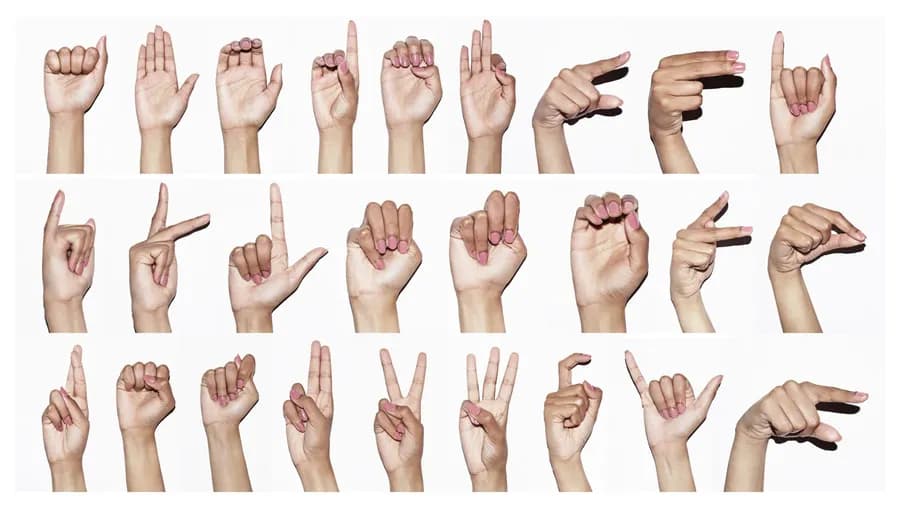
Hasta Mudras: A Complete Guide to Hand Gestures and Their Benefits
Practice hasta mudras with Habuild. Explore the best yoga hand gestures to balance the five elements, direct prana, and support health and healing. Start today!

Mudras for Healing: Best Hand Gestures for Physical and Emotional Recovery
Practice Mudras for Healing with Habuild. Learn best mudra for healing and hand mudras for healing to restore balance, energy, and well-being naturally.
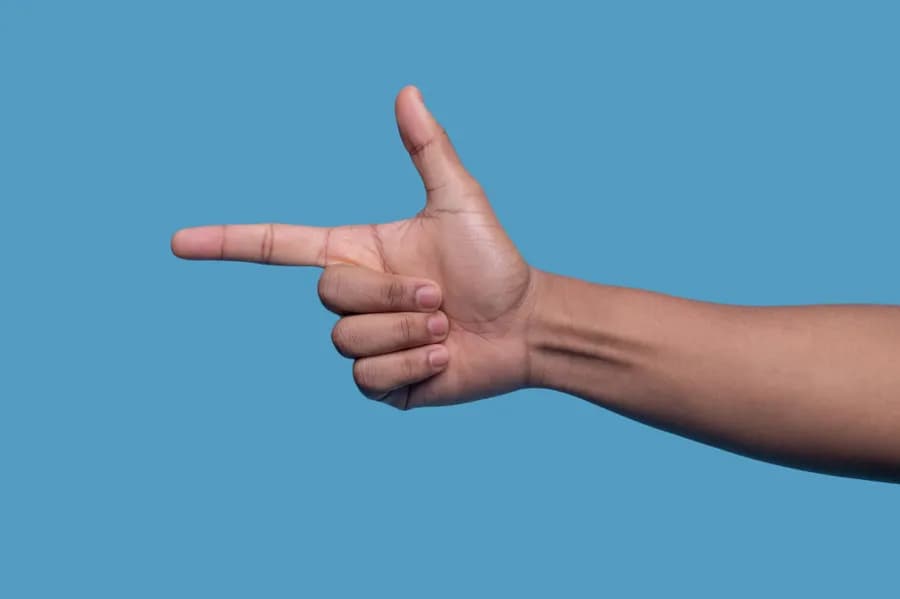
Chandrakala Mudra (Lunar Phase Gesture): Steps, Benefits & Precautions
Chandrakala Mudra — the Lunar Phase or Crescent Moon Gesture — is a yogic hand gesture that invokes the cooling, receptive, feminine energy of the moon (Chandra
Chandrabhedan Pranayam: How to Practice and Its Cooling Benefits
Practice Chandrabhedan Pranayam with Habuild. Follow the left nostril breathing steps to calm your mind, cool your body, and improve sleep quality. Start today!