
What is Yama in Yoga? Yama and Niyama Explained
Yama refers to the five ethical restraints governing one’s relationship with the world; niyama covers the five personal observances governing one’s.

Key Takeaways
- Yama governs relationship with the world; Niyama governs relationship with oneself.
- Patanjali places these as the first two limbs since later practices depend on this ethical base.
- Ahimsa manifests in practice as respecting the body’s current limits rather than forcing pain.
- Satya means honestly assessing current ability rather than performing beyond what’s genuine.
- Asteya extends beyond objects to not taking others’ time, energy, ideas, or attention.
- Brahmacharya is the disciplined, non-wasteful management of the vital energy practice requires.
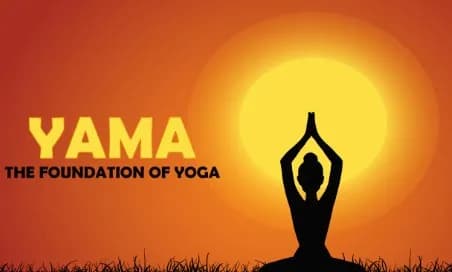
Yoga is not merely a physical practice — it is a comprehensive ethical and philosophical system for living. At its foundation are yama and niyama: the first two of the eight limbs of yoga described by Patanjali in the Yoga Sutras. What is yama in yoga refers to the five ethical restraints — the universal moral principles that govern one’s relationship with the world. Niyama refers to the five personal observances — the self-disciplinary practices that govern one’s relationship with oneself. Together, yama and niyama form the ethical foundation without which, according to Patanjali, the physical and meditative practices of yoga cannot produce their highest fruits. Understanding what is importance of yama and niyama in yoga is essential for anyone seeking the complete transformation that yoga’s full system offers rather than its physical dimension alone.
The Five Yamas — Ethical Restraints of Yoga
Ahimsa (Non-Violence)
Non-violence in thought, word and action toward all living beings — the foundational yama that extends from physical non-harm through verbal non-cruelty to mental non-judgement. In modern yoga practice, Ahimsa manifests as the non-competitive, self-compassionate approach to practice that respects the body’s current limits rather than forcing through pain. What is yama in yoga begins with this foundational principle of harmlessness.
Satya (Truthfulness)
Truthfulness in all its dimensions — factual accuracy, authentic self-expression and the alignment of inner experience with outer communication. In yoga practice, Satya manifests as the honest assessment of one’s current abilities rather than the performance of more than is genuine. The relationship between yama and niyama places Satya as the truth principle that all authentic transformation requires.
The importance of yama and niyama in yoga is foundational — Patanjali places these ethical and self-disciplinary practices as the first two limbs specifically because the physical and meditative practices cannot produce their highest fruits without the ethical clarity these principles provide.
Asteya (Non-Stealing)
Not taking what is not freely given — extending beyond material objects to time, energy, ideas and the attention of others. In the modern context, Asteya includes the non-appropriation of others’ credit and the respecting of personal boundaries in all relationships.
Brahmacharya (Wise Use of Energy)
The disciplined and intentional management of vital energy — classically understood as celibacy for ascetic practitioners, more broadly understood as the wise, non-wasteful use of the life force that sustains the energy available for yoga practice and purposeful living.
Aparigraha (Non-Possessiveness)
Non-accumulation beyond genuine need — the freedom from the compulsive collecting of objects, relationships and experiences that consumes the attention and energy that yoga practice seeks to liberate for deeper purposes.
How to Apply Yama and Niyama in Daily Life
What You Need to Begin
Only reflection and intention. The importance of yama and niyama in yoga is that they are ethical practices applied in daily life — not techniques requiring equipment or a specific practice space. Every interaction and daily decision is the arena of yama and niyama practice.
Setting Realistic Goals
Begin with the single yama most relevant to your current life challenges — Ahimsa for self-critical patterns, Satya for the authentic expression you have been avoiding, Aparigraha for the consumerism driving dissatisfaction. One principle practised consistently produces more transformation than five principles held intellectually.
Start with the Basics
Morning reflection on the day’s practice of the chosen yama or niyama, evening review of where it was successfully embodied and where it was forgotten. This simple daily review practice is how the intellectual understanding of what is yama and niyama in yoga becomes lived experience.
The Five Niyamas — Personal Observances of Yoga
Shaucha (Purity)
External and internal cleanliness — the physical cleanliness of body and environment that supports the mental clarity that yoga cultivates. In practice: the cleanliness of diet, the purity of the practice space and the internal cleanliness of thought that the kriya practices support. See also: yoga-for-wellness
Santosha (Contentment)
The cultivation of contentment with what is present — the antidote to the chronic seeking and comparison that modern culture amplifies. In yoga practice, Santosha is the quality of appreciating the current practice exactly as it is today rather than wishing it were different.
Tapas (Disciplined Practice)
The disciplined consistent practice that produces the heat (tapas literally means “to heat”) of transformation — the daily commitment to yoga practice that the first of Kriya yoga’s three elements describes. The importance of yama and niyama in yoga includes tapas as the practical bridge between ethical aspiration and lived transformation through daily disciplined practice. See also: surya-namaskara
Svadhyaya (Self-Study)
The ongoing study of the self and of the sacred texts that illuminate the self — the reflective practice that converts daily experience into wisdom. In modern practice: journalling, self-inquiry practices and the study of yoga philosophy texts that contextualise the physical practice. See also: yoga-for-stress-management
Ishvara Pranidhana (Surrender to the Highest)
The devotional surrender of the fruits of practice to a higher power or principle — the attitude of practice for its own sake rather than for personal gain. The transformative freedom from outcome-attachment that this niyama produces is among the most psychologically liberating available dimensions of yoga practice.
Common Mistakes to Avoid
- Treating Yama and Niyama as Optional Extras The importance of yama and niyama in yoga is structural — they are the foundation, not the optional advanced addition. Physical yoga practice without the ethical foundation is precisely what Patanjali describes as incomplete practice.
- Applying Yamas Only to Others, Not to Oneself Ahimsa applied only to the treatment of others while self-criticism, self-judgment and self-violence continue is the most common distortion. All five yamas apply to one’s relationship with oneself as completely as to relationships with others.
- Intellectual Study Without Embodied Practice What is yama and niyama in yoga cannot be understood through intellectual study alone — the principles must be practised in the specific situations of daily life to produce the transformation they are designed to enable.
- Perfectionism about Practice Yama and niyama are practices, not achievements — each day offers fresh opportunity regardless of yesterday’s failures. The importance of yama and niyama in yoga is the direction of practice, not the achievement of a perfected ethical state.
Who Should Study Yama and Niyama?
- All Yoga Practitioners Understanding what is yama in yoga is essential for any practitioner seeking the complete yoga system rather than its physical dimension alone — the ethical foundation that makes the physical and meditative practices genuinely transformative.
- Those Seeking a Holistic Approach to Wellbeing The importance of yama and niyama in yoga for daily life extends beyond the yoga mat — these ethical principles provide the most comprehensive available framework for the quality of daily relationships, decisions and inner experience.
- Is Yama and Niyama Good for Beginners? Yes — the simplest expression of Ahimsa (be kind to yourself and others) and Santosha (be content with today’s practice) are the most immediately valuable beginner yogic principles. Habuild’s sessions contextualise the physical practice within this ethical framework.
- Students of Yoga Philosophy For those engaged in the academic or philosophical study of yoga, the yamas and niyamas are the ethical core of Patanjali’s system — the first and most foundational of the eight limbs around which the entire ashtanga structure is organised.
Build a Yoga Routine That Actually Works
Building a consistent yoga philosophy as a daily ethical and spiritual practice practice produces more lasting results than any single session. With expert live guidance and a structured programme, real progress from home is achievable for anyone.
- Daily live guided yoga sessions — 45 minutes, 6 days a week
- Beginner to advanced progression built in
- No equipment required — home-friendly practice
- Expert guidance for correct form every session
- Community of 1.5 Crore+ members for daily accountability
Yama and niyama describe how to live, not poses to perform, which means they’re only ever practised through the accumulation of daily choices — a single well-intentioned day doesn’t build the ethical discipline these principles describe the way weeks of consistent effort does. Physical practice offers a useful anchor for that discipline, giving the mind a daily point of return. Habuild’s Yoga Everyday program provides exactly that anchor, pairing daily asana practice with space to reflect on yoga’s ethical foundations.
What is Yama in Ashtanga Yoga specifically? It is the first of the eight limbs, laying the ethical groundwork before any physical practice begins. Understanding what is the importance of Yama and Niyama in yoga this way turns them from abstract rules into the foundation everything else builds on.
Frequently Asked Questions
Related Articles

What Is Yoga Mudra? A Complete Guide to Types, Benefits & Practice
Mudras are intentional hand gestures — and sometimes full-body postures — used to influence the flow of energy in the body. See the types, benefits, and how consistent practice supports mental clarity.

What Is Yoga Asana? A Complete Guide to Poses, Benefits & Getting Started
A yoga asana is a specific body posture held with awareness, breath, and intention — working on flexibility, strength, posture, and the nervous system simultaneously. See the complete guide to poses and benefits.

What is Mudra in Yoga? a Complete Guide to Yoga Mudras
Mudras are psycho-physical seals that influence the physiological state through nerve endings in the fingers, the psychological state through symbolism,