
Brahma Mudra: How to Practice and Its Benefits for Voice and Neck
Practice Brahma Mudra with Habuild. Follow the four-direction neck gesture steps to relieve cervical tension, calm the mind, and deepen pranayama. Start today!
Key Takeaways
- Combines a hand-fist gesture with four-direction neck turns – right, left, up, and down.
- Named after four-faced Brahma, whose faces look simultaneously in all cardinal directions.
- Cervicogenic headache relief comes from combining mechanical release with vagal calming.
- The north-south flexion phase mimics Jalandhara Bandha’s thyroid compression-release.
- Practitioners report significant neck stiffness relief within the first week of practice.
- Each breath cycle both mobilises the cervical joints and deepens the pranayama simultaneously.
Brahma Mudra is a yogic practice combining a specific hand gesture with four-direction neck movements — turning the head right, left, up, and down — while coordinating the breath. It relieves cervical tension and stiffness, reduces cervicogenic headaches, improves neck mobility, supports thyroid circulation, and deepens pranayama practice through its complete four-direction respiratory activation.
What is Brahma Mudra?
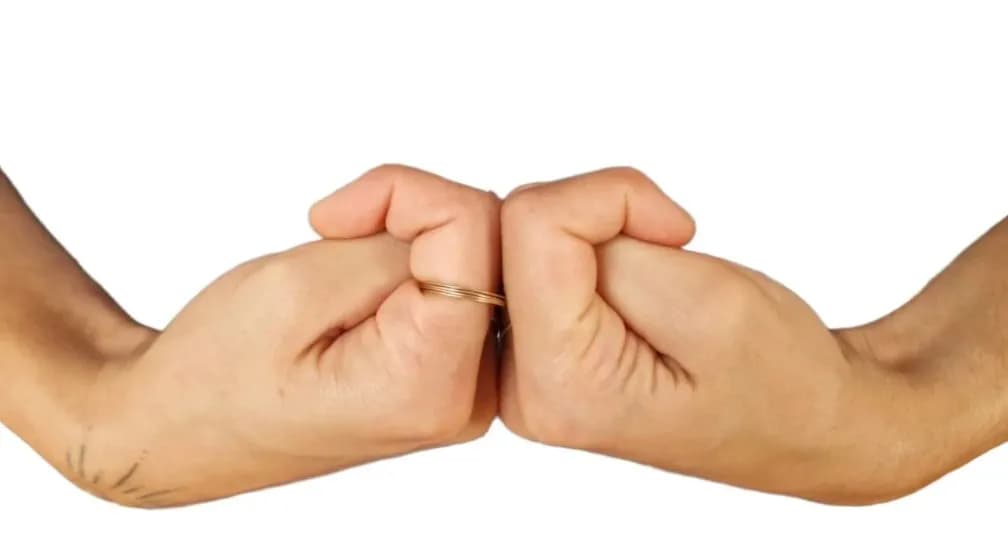
Brahma Mudra — the Four-Creator Gesture — combines the hand gesture (four fingers wrapped over the thumbs, resting as fists on the knees) with the systematic four-direction neck movement sequence that activates the complete circumference of the cervical spine. Named after Brahma, the four-faced creator deity of Hindu cosmology whose four faces look simultaneously in all four cardinal directions — the mudra’s four-direction neck movements embody this complete, all-encompassing awareness.
The four neck movements — right rotation (east), left rotation (west), extension upward (north), and flexion downward (south) — systematically mobilise the complete cervical spine range of motion while the coordinated breathing produces a unique respiratory activation pattern. Each breath cycle both mobilises the cervical joints and deepens the pranayama practice, making Brahma Mudra one of the most therapeutically complete short practices in the yogic system.
At Habuild, Brahma Mudra is taught as part of our cervical health and pranayama curriculum — with particular attention to the breath coordination, movement pacing, and safety limits that make this practice both effective and safe for all levels.
Brahma Mudra Benefits
Physical Benefits
- Relieves Cervical Tension and Stiffness The four-direction neck movements systematically mobilise every plane of cervical motion — releasing the chronic tension patterns that desk work, screen use, and stress accumulate in the cervical muscles and facet joints. Practitioners dealing with chronic neck stiffness consistently report significant relief within the first week of regular Brahma Mudra practice.
- Reduces Cervicogenic Headaches Cervicogenic headaches — headaches arising from cervical spine dysfunction and muscle tension — respond meaningfully to Brahma Mudra’s systematic cervical mobilisation and the vagal calming of the slow, coordinated breathing. The combination of mechanical cervical release and autonomic calming addresses both the structural and neurological components of this common headache type.
- Improves Thyroid Circulation Through Rhythmic Neck Movements The alternating extension and flexion of Brahma Mudra’s north-south neck movements provide rhythmic thyroid stimulation — the extension expanding thyroid circulation and the flexion creating the same compression-release mechanism as Jalandhara Bandha. This makes Brahma Mudra a meaningful thyroid health practice alongside its cervical mobility benefits.
Mental Benefits
- Cultivates Complete Four-Direction Awareness The four-direction completeness of Brahma Mudra cultivates the all-encompassing awareness of Brahma — the sense of comprehensive, open presence that the four-faced creator represents. Practitioners consistently describe a quality of expanded, equanimous awareness following the complete four-direction practice that persists into the day.
How to Do Brahma Mudra — Step-by-Step Instructions
Key Principles
Key Principles The breath leads the movement in Brahma Mudra — never the reverse. Each direction is entered on the inhale, held briefly at the comfortable end-range, and returned to centre on the exhale. The pace is determined entirely by the breath — any tendency to move faster than the breath allows should be resisted firmly.
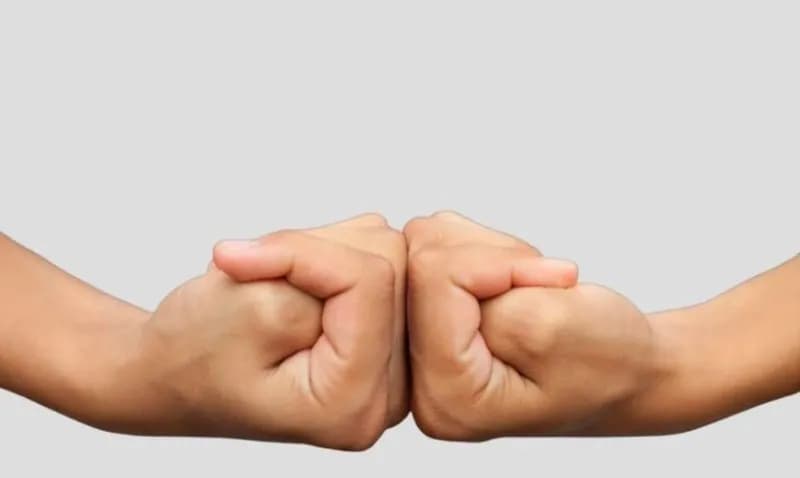
Brahma Mudra — Step by Step Step 1: Form the Hand Gesture Sit in Sukhasana — spine erect, shoulders relaxed. Wrap four fingers of each hand over each thumb, forming two gentle fists. Rest the fists on the knees.
Step 2: Right Rotation — Eastern Direction Inhale: slowly turn the head to the right as far as comfortable — the gaze moving toward the right shoulder. Hold for one breath at the comfortable end-range. Exhale: return to centre slowly.
Step 3: Left Rotation — Western Direction Inhale: slowly turn the head to the left as far as comfortable. Hold for one breath. Exhale: return to centre slowly.
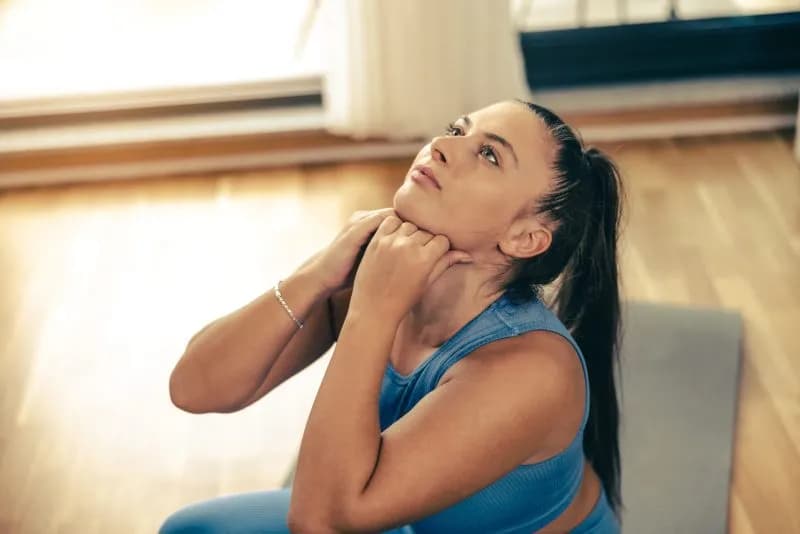
Step 4: Extension — Northern Direction Inhale: gently tilt the head back — only as far as comfortable without strain or compression. The gaze moves upward. Hold for one breath. Exhale: return to centre.
Step 5: Flexion — Southern Direction Inhale: drop the chin toward the chest as far as comfortable. Hold for one breath. Exhale: return to centre. This completes one round.
Step 6: Complete 5-10 Rounds Practise five to ten complete rounds at the pace of the breath — each round taking approximately forty to sixty seconds. The practice should produce a sense of progressive cervical release and expanding awareness with each round.
Breathing in Brahma Mudra
The breath is the essence of Brahma Mudra’s effectiveness. The movement follows the breath — the direction is entered on inhalation and the return to centre on exhalation. The four cardinal directions parallel the four-part breath cycle: the complete Brahma Mudra practice activates the complete respiratory cycle through the complete spatial cycle.
Preparatory Practices Before Brahma Mudra
These practices warm the cervical spine before the four-direction movements.
- Gentle neck stretches (lateral, forward) — Warm the cervical muscles before the full range-of-motion demands of Brahma Mudra.
- Shoulder rolls (10 each direction) — Release the upper trapezius and shoulder tension that restricts cervical range of motion.
- Makarasana (3 minutes) — The prone resting position releases accumulated cervical tension before the active movements.
Variations of Brahma Mudra
- Variation 1: Brahma Mudra with Reduced Range — For Cervical Conditions For practitioners with cervical spondylosis, disc herniation, or acute neck sensitivity, Brahma Mudra is practised with significantly reduced range of motion in each direction — the head moving only twenty to thirty percent of its comfortable range. This reduced-range practice provides the breath coordination and cervical mobilisation benefits while completely avoiding any straining of the cervical structures.
- Variation 2: Standard Brahma Mudra — Daily Practice The complete five-to-ten round practice as described in the step-by-step instructions — the most beneficial and commonly practised form for all practitioners without cervical conditions.
- Variation 3: Brahma Mudra as the Fourth Stage of the Four-Mudra Pranayama Sequence The classical application of Brahma Mudra as the culminating fourth stage of the Adi → Chin → Chinmaya → Brahma four-mudra sequence — providing the four-direction complete breath activation that synthesises all three preceding mudra stages into the complete whole-body respiratory practice.
Common Mistakes to Avoid in Brahma Mudra
- Moving Faster Than the Breath The most consequential error — moving the head through the four directions at a speed faster than the breath allows. This speed removes the therapeutic breath coordination that is Brahma Mudra’s most important mechanism and can produce the dizziness or cervical strain of rapid unsupported neck movement.
- Forcing Range of Motion Each direction of Brahma Mudra goes only as far as breath and comfort allow. Forcing range of motion — reaching for a greater rotation or extension than the cervical joints comfortably provide — risks joint strain or ligament stress. Progressive range development occurs naturally over weeks of consistent practice without any forcing.
- Turning the Head Rather Than Rotating from the Base of the Neck The neck movement in Brahma Mudra initiates from the base of the cervical spine rather than from the chin or head. The movement sensation should be a long, spiral rotation through the entire cervical column — not a jerking of the head from the upper neck.
Who Should Practise Brahma Mudra?
- Desk Workers with Chronic Neck Tension Brahma Mudra is among the most directly effective practices for the accumulated cervical tension of desk-based work. Five to ten minutes of slow, breath-coordinated Brahma Mudra during or after extended desk sessions releases the chronic tension patterns that cause cervicogenic headaches and neck stiffness.
- Those Managing Cervicogenic Headaches The cervical mobilisation and vagal calming of Brahma Mudra address both the structural and autonomic components of cervicogenic headaches — making it a valuable daily preventive practice for practitioners with this common pain pattern.
- Is Brahma Mudra Good for Beginners? Yes — the practice is accessible to all levels with appropriate range of motion awareness. The primary learning is establishing genuine breath coordination with the movement — which becomes natural within a few practice sessions.
Make Brahma Mudra a Part of Your Daily Practice
Brahma Mudra is the yoga tradition’s most complete cervical health and four-direction awareness practice — its systematic mobilisation of all cervical planes combined with breath coordination delivering cervical tension relief, headache prevention, thyroid stimulation, and the all-encompassing awareness of Brahma in a single practice that takes as little as five minutes.
Whether you are using Brahma Mudra for cervical health, headache prevention, thyroid support, or as the culminating fourth stage of the complete pranayama mudra sequence, the practice rewards consistent daily use with progressive cervical freedom and expanding four-direction awareness.
The most effective way to learn Brahma Mudra correctly — with the precise breath-movement coordination, safe range limits, and complete four-mudra sequence context — is under live expert guidance with Habuild.
Start your 14 day free yoga journey with Habuild, today!
Related reads: Chin Mudra: How to Practice and Its Benefits for Calm and Clarity · Yoni Mudra: What It Is How to Practice and Its Benefits for Calm
Brahma Mudra’s slow neck rotations can ease cervical tension in the moment, but lasting relief from stiffness tends to come from doing this consistently, not from a single round before you close the laptop. The same goes for the calming effect it has ahead of pranayama. Habuild’s Yoga Everyday program can help you build that consistency into your day.
Frequently Asked Questions
Related Articles
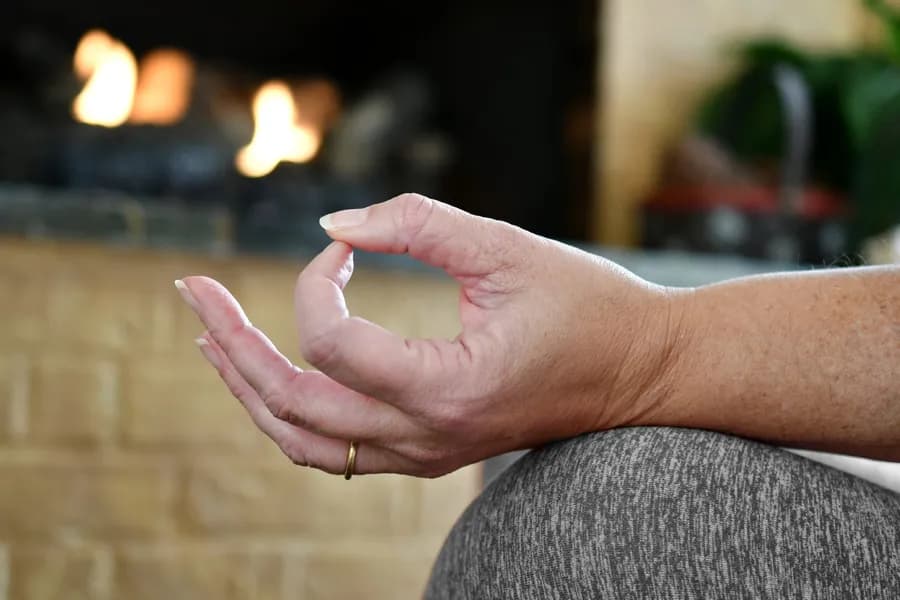
Chin Mudra: How to Practice and Its Benefits for Calm and Clarity
Practice Chin Mudra with Habuild. Follow the consciousness hand gesture steps to calm the mind, improve focus, and deepen your pranayama practice. Start today!
Dhyana Mudra: How to Practice and Its Benefits for Meditation
Practice Dhyana Mudra with Habuild. Follow the meditation hand gesture steps to calm the mind, deepen concentration, and support your daily practice. Start!
Jnana Mudra vs Chin Mudra: Differences How to Practice and Benefits
Practice Jnana Mudra with Habuild. Follow the knowledge gesture steps to sharpen concentration, deepen meditation, and cultivate mental clarity. Start today!