
Chin Maya Mudra: What It Is Differences from Chin Mudra and Benefits
Practice Chin Maya Mudra with Habuild. Follow the consciousness gesture steps to deeply deepen pranayama, expand breath capacity, and calm the mind. Start!
Key Takeaways
- Is the third gesture in the four-mudra sequence, shifting breath to the mid-chest region.
- Formed from the Chin Mudra base with the remaining three fingers curled into the palm.
- Targets thoracic breathing specifically underdeveloped in habitual abdominal-only breathers.
- Progressively strengthens the intercostal muscles governing lateral rib cage expansion.
- Chinmaya means 'full of consciousness,' awareness fully inhabiting the breath itself.
- Builds toward Brahma Mudra, the fourth and final stage of the complete pranayama sequence.
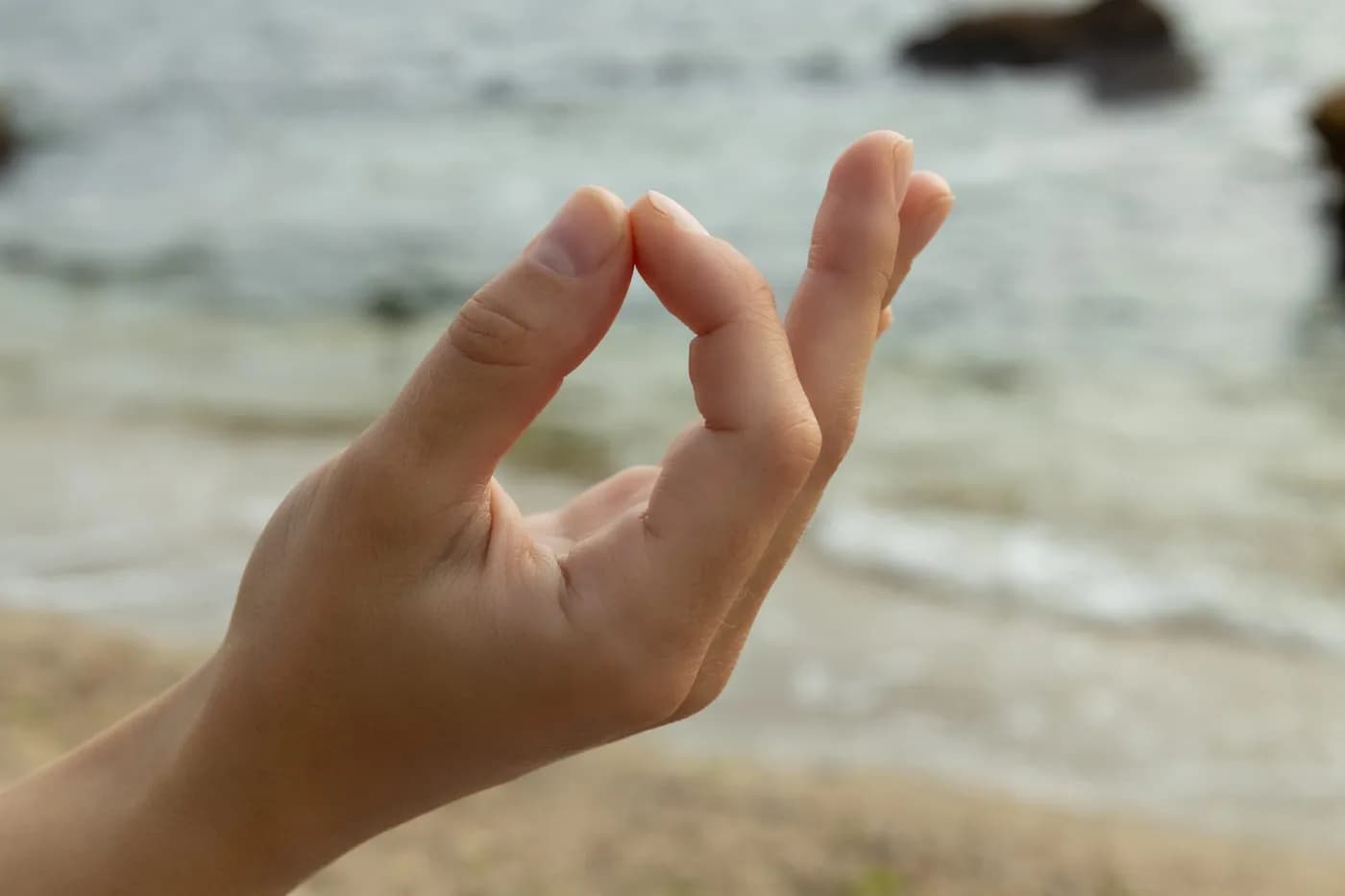
Chin Maya Mudra (Chinmaya Mudra) activates the thoracic mid-chest region of breathing by forming the Chin Mudra base with the remaining three fingers curled into the palm. It deepens pranayama practice, expands mid-chest respiratory capacity, and is the third gesture in the classical four-mudra pranayama sequence that progressively activates complete respiratory awareness.
What is Chin Maya Mudra?
Chin Maya Mudra — 'Full of Consciousness' Gesture — is the third mudra in the classical four-gesture pranayama sequence that progressively activates the complete respiratory system from base to crown. Where Adi Mudra (closed fist) activates abdominal breathing and Chin Mudra (index to thumb tip, fingers extended) activates lower thoracic breathing, Chin Maya Mudra shifts the breath awareness into the mid-chest thoracic region.
The name Chinmaya — Chin meaning consciousness, Maya meaning full of — indicates the complete permeation of awareness: the quality of consciousness that is not separate from its objects but fully present within them. In practice, this translates to a quality of breath awareness that is completely present within the thoracic breath — the awareness fully inhabiting the mid-chest expansion without distraction or division.
At Habuild, Chin Maya Mudra is taught as part of our complete pranayama mudra curriculum — within the four-mudra sequence and as a standalone practice for thoracic breathing development.
Chin Maya Mudra Benefits
Physical Benefits
- Expands Thoracic Breathing Capacity and Mid-Chest Awareness The curled finger formation of Chin Maya Mudra shifts the breath from the lower chest to the mid-chest thoracic region — expanding the intercostal breathing that the rib cage's lateral and posterior expansion provides. This thoracic expansion is often underdeveloped in habitual breathers who use only abdominal or upper chest breathing, making Chin Maya Mudra's thoracic activation a significant respiratory health benefit.
- Strengthens the Intercostal Muscles The sustained thoracic breathing activation of Chin Maya Mudra progressively strengthens the intercostal muscles — the muscles between the ribs that govern the rib cage's lateral expansion and whose strength and flexibility determine thoracic breathing capacity and respiratory resilience.
- Deepens Pranayama Practice Through Progressive Activation Within the four-mudra pranayama sequence, Chin Maya Mudra deepens the practice by activating a respiratory region that the preceding mudras have not yet reached — building the systematic whole-lung activation that makes the complete sequence the most comprehensive pranayama mudra practice available.
Mental Benefits
- Cultivates Consciousness-Permeated Presence The 'full of consciousness' quality that the name indicates is cultivated through completely undistracted presence within the thoracic breath — developing the quality of awareness that is fully inhabiting experience rather than observing it from a mental distance. This quality of awareness is both the practice and the result of sustained Chin Maya Mudra meditation.
How to Do Chin Maya Mudra — Step-by-Step Instructions
Key Principles
Key Principles The precise difference between Chin Mudra and Chin Maya Mudra is the position of the three remaining fingers — extended in Chin Mudra, curled into the palm in Chin Maya Mudra. This subtle physical distinction produces a meaningful shift in breath awareness from lower chest to mid-chest thoracic breathing that is discernible within a few breath cycles of practice.
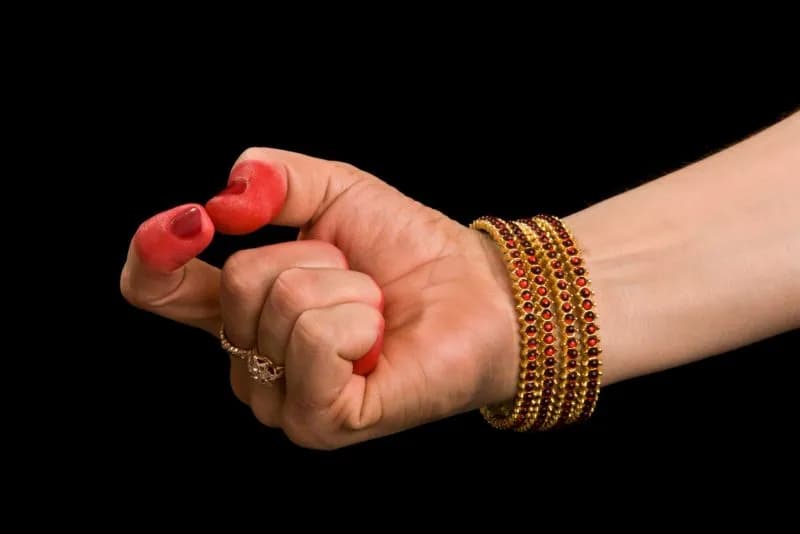
Chin Maya Mudra — Step by Step
Step 1: Seated Starting Position Sit in Sukhasana or Padmasana — spine erect. Take five natural breaths to settle the body and establish baseline breathing awareness before forming the mudra.
Step 2: Form the Index-Thumb Contact Bring the tip of the index finger of each hand to touch the tip of the thumb — the same contact as Chin Mudra (Gyan Mudra). The thumb and index finger form a relaxed circle.
Step 3: Curl the Three Remaining Fingers Curl the remaining three fingers — middle, ring, and little — gently into the palm of each hand. This is the defining distinction from Chin Mudra. The curled fingers create a gentle fist-like quality while the index-thumb circle is maintained.
Step 4: Position Both Hands on the Knees Rest both hands on the knees with palms facing upward. Allow the wrists to be relaxed and the formation to be held with ease.
Step 5: Direct Breath into the Mid-Chest Thoracic Region Direct the breath into the mid-chest thoracic region. Each inhalation: the rib cage expands laterally, the mid-chest opening with each breath cycle. Each exhalation: the ribs release inward completely.
Step 6: Hold for Prescribed Duration Hold for five minutes within the four-mudra sequence, or fifteen to thirty minutes as a standalone thoracic breathing practice. The breath awareness should remain steady in the mid-chest region throughout.
Breathing in the Classical Four-Mudra Pranayama Sequence
The complete four-mudra pranayama sequence: Adi Mudra (five minutes, abdominal breathing) → Chin Mudra (five minutes, lower thoracic breathing) → Chin Maya Mudra (five minutes, mid-chest thoracic breathing) → Brahma Mudra (five minutes, complete four-direction breath). This twenty-minute sequence activates the complete respiratory system progressively and systematically — making it the most comprehensive pranayama preparation practice available.
Preparatory Practices Before Chin Maya Mudra
For optimal thoracic breathing development, these practices warm the chest and intercostal muscles.
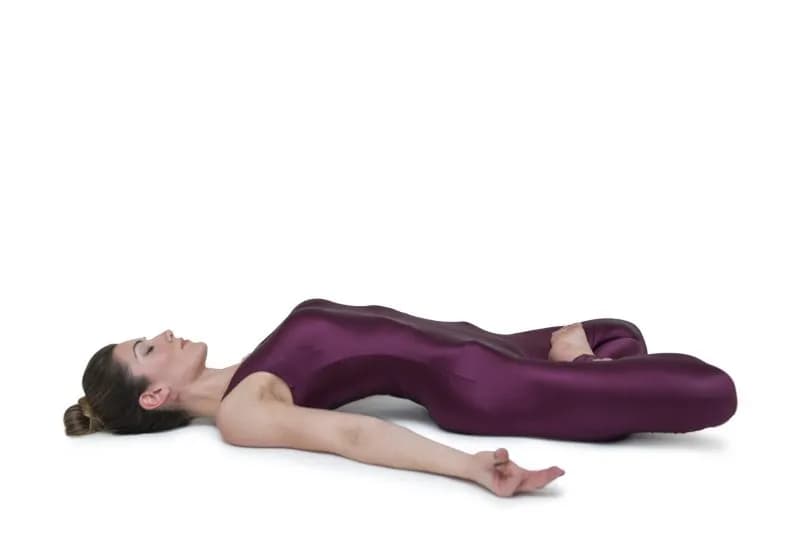
- Matsyasana (Fish Pose, 3 minutes) — Directly opens the intercostal spaces that Chin Maya Mudra's thoracic breathing will activate.
- Adi Mudra (5 minutes) — The first mudra in the four-part sequence, establishing abdominal breathing awareness before the thoracic progression.
- Chin Mudra (5 minutes) — The second mudra in the sequence, establishing lower thoracic awareness before the mid-chest shift.
Variations of Chin Maya Mudra Practice
- Variation 1: Standalone Thoracic Breathing Practice — Focused Application Chin Maya Mudra held for fifteen to twenty minutes as a standalone thoracic breathing development practice — without the preceding Adi and Chin Mudra stages. Appropriate when the specific development of thoracic breathing is the therapeutic goal, such as for respiratory conditions or shallow chest-breathing patterns.
- Variation 2: Within the Four-Mudra Sequence — Classical Application The classical application as the third stage of the Adi → Chin → Chinmaya → Brahma sequence. This is the most systematically complete and traditionally authentic application of Chin Maya Mudra within the complete pranayama mudra curriculum.
- Variation 3: Chin Maya Mudra with Bhramari — Resonance Practice Bhramari (humming bee) pranayama practised in Chin Maya Mudra directs the vibration specifically into the thoracic mid-chest region — combining the intercostal expansion of thoracic breathing with the resonant vagal stimulation of the humming exhalation.
Common Mistakes to Avoid in Chin Maya Mudra
- Confusion with Chin Mudra — Not Curling the Fingers The most common error — maintaining the Chin Mudra finger extension rather than curling the three fingers into the palm. The curled fingers are the essential physical distinction that shifts the breath awareness from lower chest to mid-chest. Check periodically that all three fingers are genuinely curled and not merely bent.
- Breathing in the Abdomen Rather Than the Mid-Chest The transition from abdominal to thoracic to mid-chest breathing requires deliberate re-direction of awareness — particularly for practitioners with established abdominal breathing habits. If the breath continues in the abdomen, place one hand on the mid-chest to provide tactile feedback for the desired breathing region.
- Holding the Formation with Excessive Tension The curled finger formation should be held with ease — a gentle, relaxed curl, not a tight fist. Tension in the hands during mudra practice creates a sympathetic activation that counteracts the parasympathetic cultivation the practice aims to develop.
Who Should Practise Chin Maya Mudra?
- Those with Respiratory Conditions and Shallow Breathing Chin Maya Mudra is specifically valuable for practitioners with habitual shallow breathing, restricted thoracic mobility, or respiratory conditions that reduce mid-chest breathing capacity. Its progressive thoracic expansion develops the intercostal muscle strength and ribcage mobility that fuller breathing requires.
- Pranayama Practitioners Developing Complete Respiratory Awareness For serious pranayama practitioners, the four-mudra sequence with Chin Maya Mudra as its third stage represents one of the most systematic approaches to developing complete respiratory capacity — activating each region of the lungs with progressive specificity.
- Is Chin Maya Mudra Good for Beginners? Yes — the physical formation is simple and immediately accessible. Beginners approaching the four-mudra sequence for the first time may find the thoracic breathing direction less intuitive than abdominal breathing, but with the tactile feedback of a hand on the chest, the mid-chest expansion becomes perceptible within a few practice sessions.
Make Chin Maya Mudra a Part of Your Pranayama Practice
Chin Maya Mudra is an essential component of the most systematic and therapeutically complete pranayama mudra sequence in classical yoga — its mid-chest thoracic breathing activation filling the critical gap between the abdominal and lower-thoracic awareness of the preceding mudras and the complete four-direction breath of the culminating Brahma Mudra.
Whether you are using Chin Maya Mudra within the complete four-mudra sequence, as a standalone thoracic breathing development practice, or as a specific Bhramari resonance practice, its regular use progressively develops the mid-chest respiratory capacity and consciousness-permeated awareness that its name embodies.
The most effective way to learn Chin Maya Mudra correctly — with the precise formation, four-mudra sequence context, and thoracic breathing guidance — is under live expert guidance with Habuild.
Start your 14 day free yoga journey with Habuild, today!
Related reads: Jnana Mudra vs Chin Mudra: Differences How to Practice and Benefits · Chin Mudra (Gesture of Consciousness): Steps, Benefits & Precautions
Chin Maya Mudra is designed to deepen a pranayama practice, and breath capacity is exactly the kind of thing that expands slowly, through daily practice, rather than in one long session. Rushing it rarely helps; showing up for it regularly does. Habuild's Yoga Everyday program pairs mudra and breathwork into a routine you can actually sustain.
Frequently Asked Questions
Related Articles
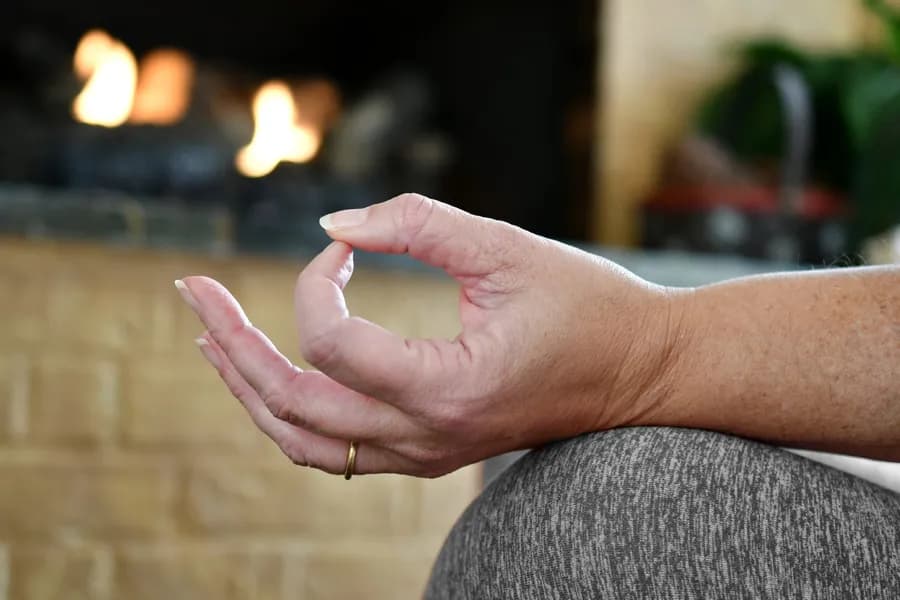
Chin Mudra: How to Practice and Its Benefits for Calm and Clarity
Practice Chin Mudra with Habuild. Follow the consciousness hand gesture steps to calm the mind, improve focus, and deepen your pranayama practice. Start today!

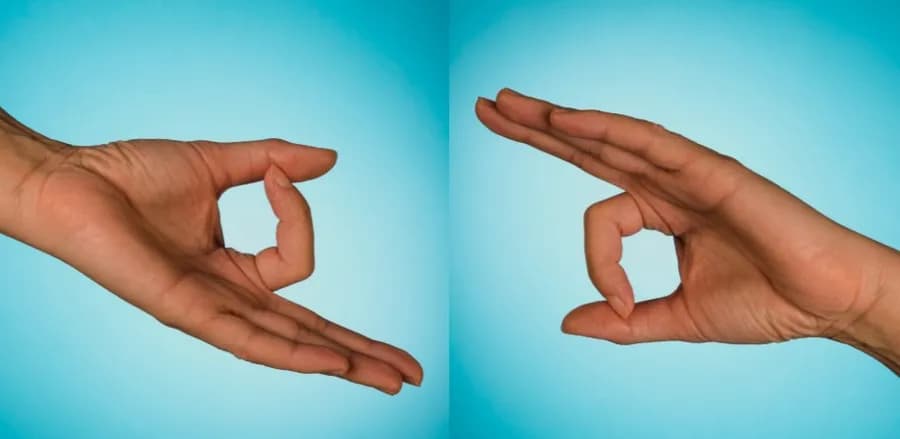
Jnana Mudra vs Chin Mudra: Differences How to Practice and Benefits
Practice Jnana Mudra with Habuild. Follow the knowledge gesture steps to sharpen concentration, deepen meditation, and cultivate mental clarity. Start today!
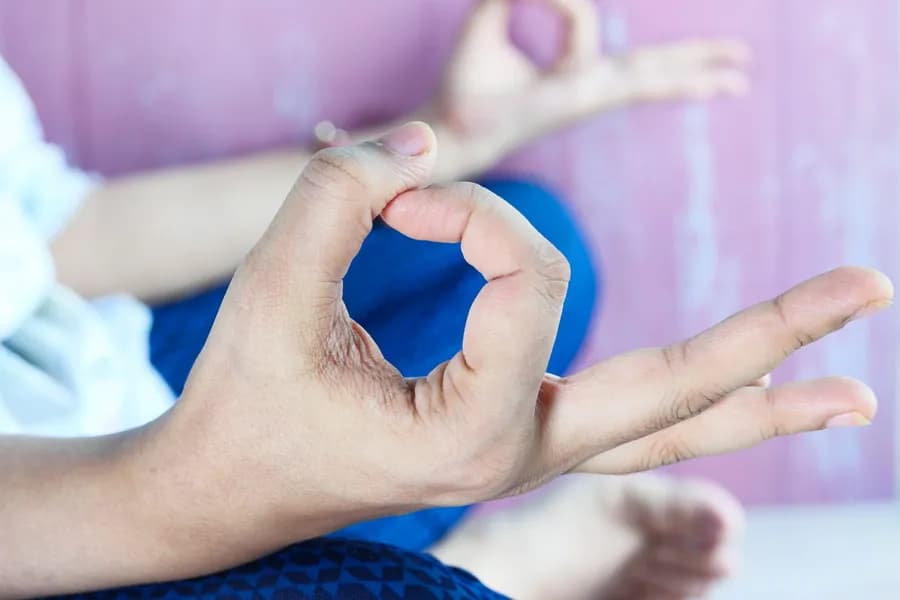
Gyan Mudra: How to Do It and Its Benefits for Focus and Memory
Practice Gyan Mudra with Habuild. Follow the wisdom hand gesture steps to improve focus, reduce anxiety, and enhance your meditation practice. Start today!
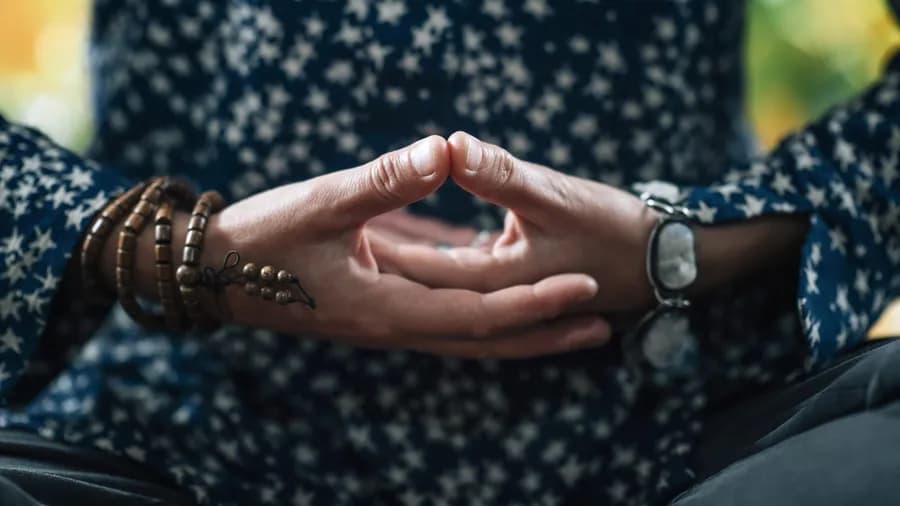
Dhyana Mudra: How to Practice and Its Benefits for Meditation
Practice Dhyana Mudra with Habuild. Follow the meditation hand gesture steps to calm the mind, deepen concentration, and support your daily practice. Start!