
Konasana (Angle Pose): Steps Benefits and Spine Health
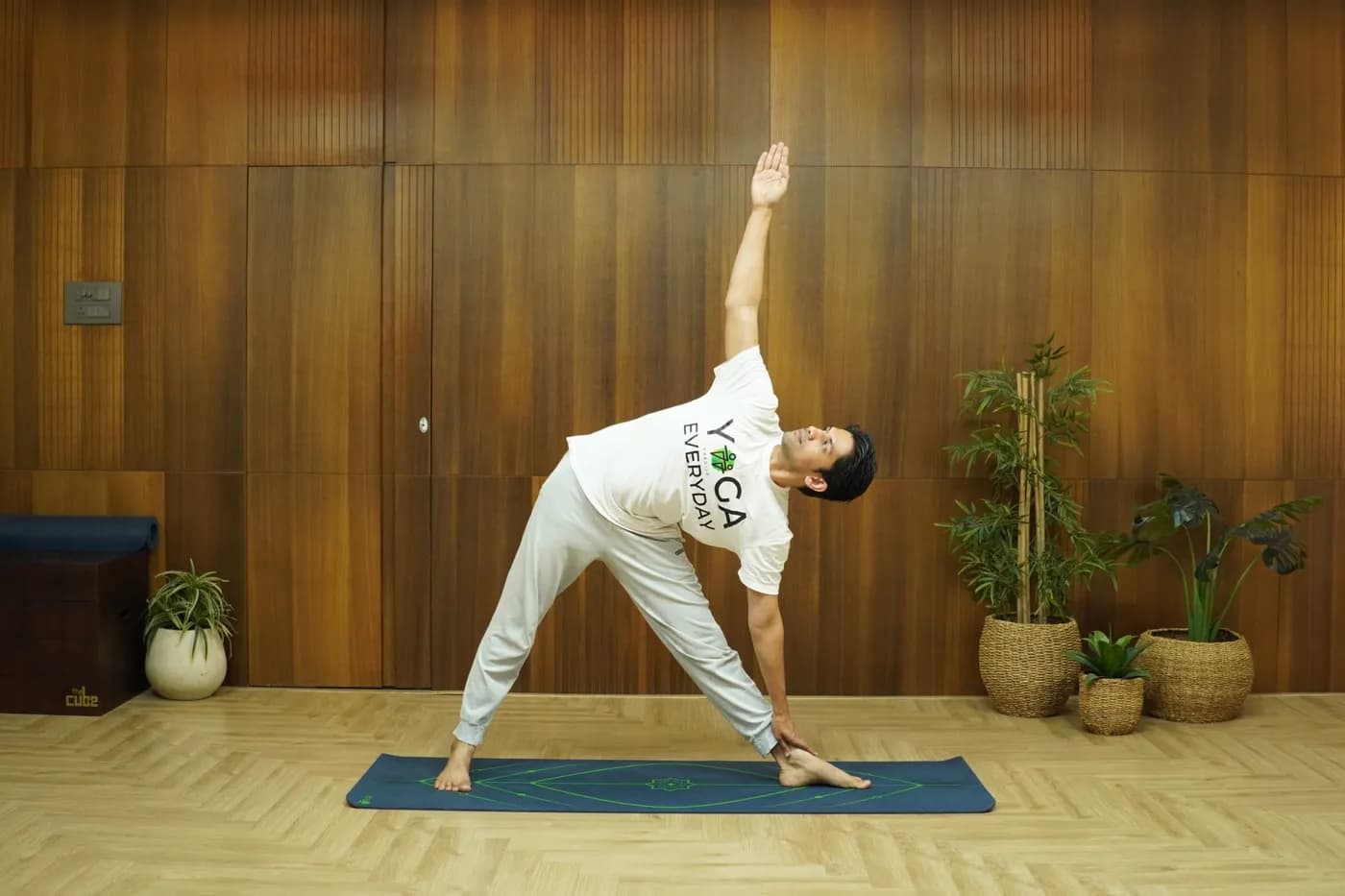
Practice konasana with Habuild. Follow the steps of trikonasana to strengthen your legs, improve flexibility, and boost your lateral body stretch. Start today!
Key Takeaways
- Fills a lateral-flexibility gap that most forward-bending-dominant yoga sequences leave untouched.
- Seated form, Upavistha Konasana, becomes a wide-legged forward fold rather than a lateral bend.
- Works the facet joints through lateral spinal range, a direction most routines never address.
- Live instruction ensures the lateral bend originates from the spine, not a hip compensation.
- Ribcage expansion from the lateral bend directly increases available breathing capacity.
- Wide-legged variations simultaneously engage the adductors, quadriceps, and gluteus medius.
Konasana, or Angle Pose, is a family of lateral-bending and wide-legged postures that stretch the intercostal muscles, improve lateral spinal mobility, open the ribcage, strengthen the legs and waist, and support respiratory health. One of yoga’s primary lateral body openers — filling the gap that forward-bending-dominant practice leaves. Suitable for all fitness levels.
What is Konasana?
Konasana — derived from Sanskrit: Kona meaning angle and asana meaning posture — is a family of standing and seated yoga postures characterised by the body creating angular or lateral shapes through lateral bending, wide-legged positioning, and extended limb angles. In its most commonly practised standing form, it is a lateral stretch; in its seated form (Upavistha Konasana), it is a wide-legged forward fold.
Konasana is one of yoga’s most important lateral body openers — a dimension of flexibility and movement that most yoga sequences and fitness routines systematically neglect. The lateral bend stretches the intercostal muscles, lateral abdominal wall, and lateral hip muscles; opens the ribcage for deeper breathing; and improves the lateral spinal range of motion that forward-bending dominant practices leave untouched.
At Habuild, Konasana is taught in both its standing lateral bend and wide-legged variations — with progression from simple single-arm lateral stretches to deeper triangle expressions, guided by live instruction ensuring the lateral bend comes from the spine rather than a hip compensation.
Konasana Benefits
Physical Benefits
- Stretches the Lateral Body and Intercostal Muscles Comprehensively Konasana provides one of the deepest lateral body stretches in yoga — progressively lengthening the quadratus lumborum, intercostal muscles, lateral abdominal wall, obliques, and iliotibial band simultaneously. This lateral work is irreplaceable for correcting the lateral postural imbalances that forward-dominant yoga and exercise routines create over time.
- Opens the Chest and Improves Respiratory Capacity The ribcage expansion produced by the lateral bend increases the intercostal muscle flexibility and thoracic mobility that breathing capacity depends on. Regular Konasana practice improves the range of chest expansion available for each breath and reduces the restriction that tight intercostal muscles place on breathing — specifically beneficial for respiratory health and asthma management.
- Improves Lateral Spinal Mobility — A Neglected Dimension The lateral bend works the facet joints and intervertebral discs through their lateral range of motion — a direction that most yoga and fitness practices rarely address. Consistent Konasana practice maintains the lateral spinal mobility that protects against lateral disc issues and supports three-dimensional spinal health.
- Strengthens the Legs and Tones the Obliques and Waist Wide-legged Konasana variations engage the adductors, quadriceps, and gluteus medius in maintaining the stance — building the inner thigh and lateral hip strength that supports the pelvis. The sustained oblique engagement directly tones the waist over consistent practice.
Mental and Emotional Benefits
- Energises and Uplifts Through Chest Opening Konasana’s lateral expansion is energising — opening the chest, lifting the gaze, and creating the spacious, expansive physical state that the body interprets as confidence and vitality. It is an effective midday practice for re-energising without stimulants.
How to Do Konasana — Step-by-Step Instructions
Key Principles
Key Principles Three principles govern effective Konasana: bend from the spine, not the hip — the lateral bend must come from the spine’s own lateral flexion, not from a hip hike or shift to the side; keep both feet grounded throughout; and extend through the crown of the head — the top of the head leads the lateral reach, creating maximum length in the lateral body.
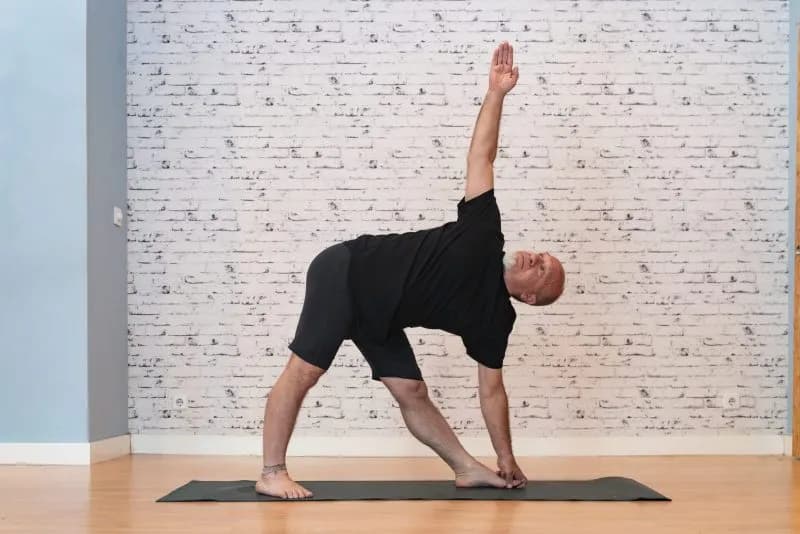
Standing Konasana — Step by Step Step 1: Wide-Legged Starting Position Stand with feet two to three feet apart, parallel or slightly turned out. Ground all four corners of both feet. Raise both arms overhead, pressing the palms together.
Step 2: Initiate the Lateral Bend from the Spine On the exhale, bend the entire torso to the right — reaching the right side while keeping the left arm extended overhead. The lateral bend initiates from the lumbar spine, not from a hip shift.
Step 3: Maintain Square Hips Keep both hips square throughout — the left hip does not jut outward. The bend comes entirely from the lateral spine. Both feet remain firmly grounded.
Step 4: Extend the Upper Arm and Breathe The upper (left) arm extends in line with the ear — reaching actively upward and over. Turn the gaze upward to the ceiling or keep it forward. Breathe into the expanded upper left ribcage on each inhale.
Step 5: Hold for 5-8 Breaths Hold for five to eight breaths — each inhale creating more space in the upper side ribcage, each exhale allowing a slight additional lateral lengthening.
Step 6: Rise and Repeat Other Side Inhale to rise back to centre. Repeat on the left side. Always practise both sides with equal duration.
Upavistha Konasana — Wide-Angle Seated Forward Fold Sit in Dandasana. Open the legs wide — 90 to 120 degrees — without forcing. Flex the feet. Inhale to lengthen the spine; on the exhale, hinge forward from the hips with the spine long. Walk the hands forward on the mat. Hold for five to ten breaths without rounding the lower back.
Preparatory Poses Before Konasana
These poses warm the lateral body and inner thighs before Konasana.
- Surya Namaskara (3 rounds) — Warms the complete body before the lateral focus.
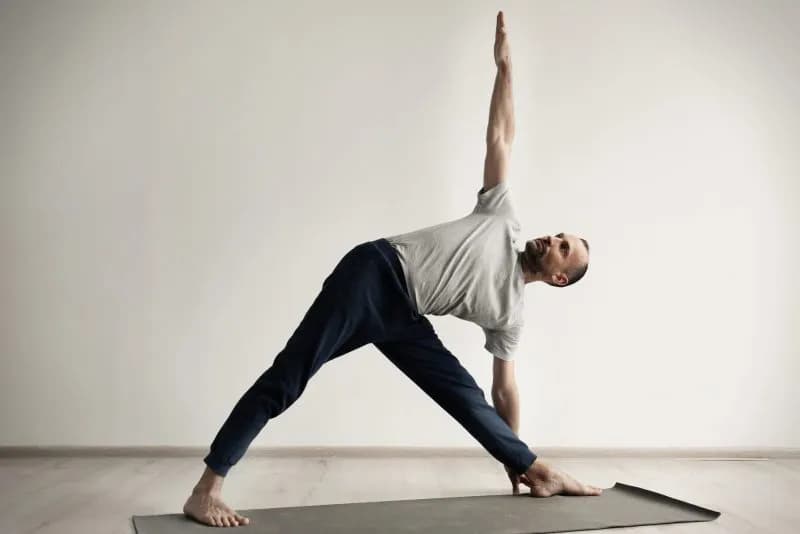
- Trikonasana (Triangle Pose) — The most directly related warm-up posture — the lateral line of Triangle prepares for the Konasana family.
- Prasarita Padottanasana — Warms the inner thighs and wide-legged stance before Upavistha Konasana.
Variations of Konasana
- Variation 1: Simple Standing Lateral Bend — Most Accessible From Tadasana with feet hip-width, one arm extends overhead and the torso bends laterally — the most accessible entry point to the Konasana family, appropriate from the first yoga session.
- Variation 2: Trikonasana (Extended Triangle) — Intermediate From a wide stance with one foot turned out 90 degrees, the torso tilts laterally — the most widely practised Konasana variation providing the deepest lateral hamstring stretch and ribcage opening of the standing family.
- Variation 3: Upavistha Konasana — Seated Wide-Angle Forward Fold The seated variation — legs opened wide, torso folding forward with long spine. Provides a deep inner thigh, groin, and hamstring stretch alongside lateral body opening and the same digestive and nervous system benefits of seated forward folds.
Common Mistakes to Avoid in Konasana
- Hip Jutting Rather Than Spinal Lateral Bending The most common compensation — shifting the hip outward rather than creating a genuine lateral spinal bend. This produces the shape of a lateral bend without the intercostal stretching and spinal lateral mobility development that make the posture therapeutic. Keep both hips square and initiate the bend from the lumbar vertebrae.
- Bending Forward Instead of Laterally In standing lateral bends, the tendency to rotate the torso slightly forward rather than bending purely laterally is common and eliminates the lateral chain stretching. Keeping the chest facing forward throughout is the key alignment check.
- Rounding the Lower Back in Upavistha Konasana In the seated wide-angle fold, rounding the lower back to reach forward converts the posture from a hip-hinge stretch to a lumbar flexion posture. Elevate the hips with a blanket and prioritise spinal length above reaching depth.
Who Should Practise Konasana?
- Those with Respiratory Conditions and Ribcage Restriction The intercostal muscle stretching and ribcage expansion make Konasana specifically valuable for those managing asthma, reduced lung capacity, or chest wall tightness that limits breathing depth.
- Athletes Seeking Lateral Flexibility and Hip Stability Konasana fills a critical gap in most athletic training programmes — lateral flexibility, intercostal mobility, and lateral hip strength that running, cycling, swimming, and racket sports all require but rarely train specifically.
- Is Konasana Good for Beginners? Yes — the simple standing lateral bend from Tadasana is one of the most accessible yoga movements. The wider-legged and deeper variations develop naturally over weeks of consistent practice.
Make Konasana a Part of Your Daily Practice
Konasana is the yoga tradition’s essential lateral body opener — filling the critical gap that forward-bending-dominant yoga sequences consistently leave in the lateral chain, intercostal muscles, and lateral spinal mobility. Even two to three minutes of daily lateral bending produces visible improvements in ribcage freedom, lateral flexibility, and waist tone within weeks.
Whether you are using the simple single-arm Tadasana lateral bend as a morning energy practice, developing the Triangle Pose expression, or deepening into Upavistha Konasana for inner thigh opening, Konasana rewards every level of consistent practice with the lateral freedom that most other practices never reach.
The most effective way to learn Konasana correctly — with the spine-led lateral bend, square hips, and progressive wide-legged development — is under live expert guidance with Habuild.
Start your 14 day free yoga journey with Habuild, today!
Related reads: Supta Konasana (Reclined Angle Pose): Steps and Hip Benefits · Utkata Konasana (Goddess Pose): Steps, Benefits and Precautions
Stretches like Konasana build lateral flexibility slowly, through repeated exposure rather than one deep lean. Practising it as part of a full-body sequence, rather than in isolation, is what turns a good stretch into genuinely stronger, more flexible legs over the weeks. Habuild’s Yoga Everyday program sequences poses like this alongside complementary stretches so your practice keeps progressing instead of plateauing.
Frequently Asked Questions
Related Articles
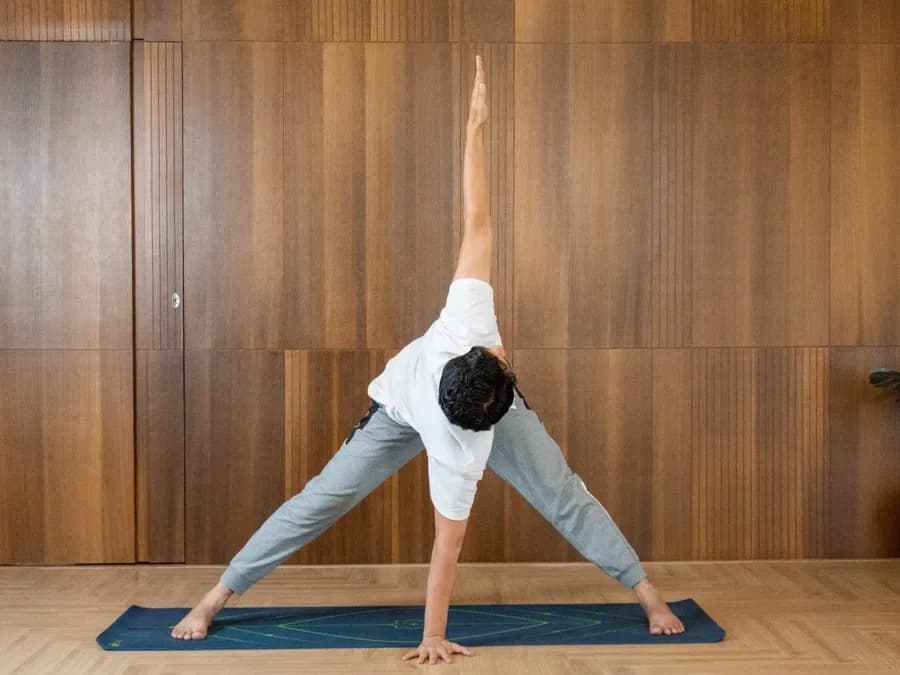
Trikonasana: Triangle Yoga Pose, Steps & Benefits
Trikonasana, the Triangle Pose, opens the hips, lengthens the lateral body, strengthens the legs and core, and improves spinal alignment in one complete standing pose.

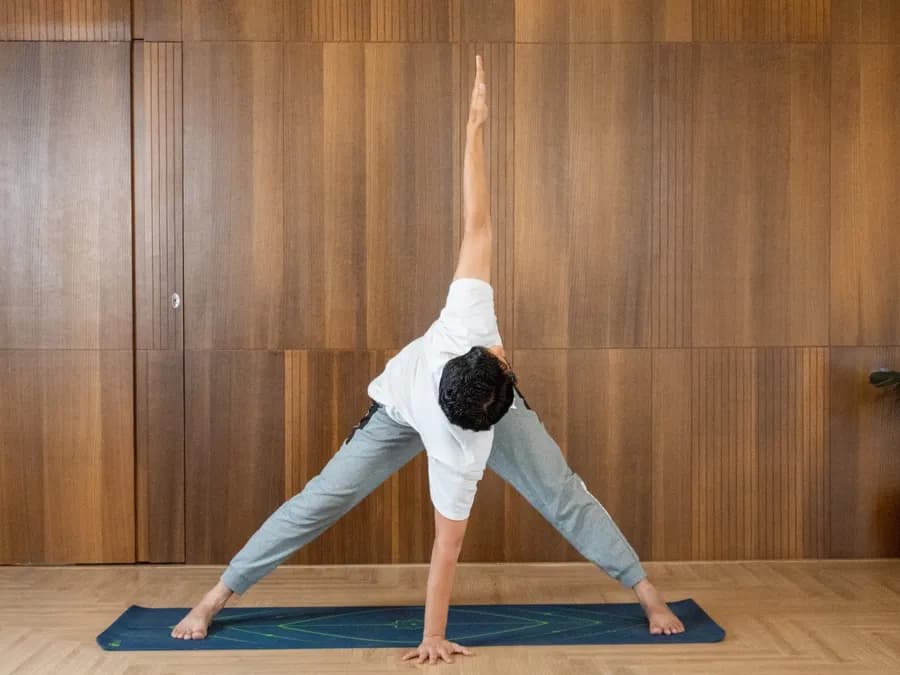
Parivrtta Trikonasana (Revolved Triangle): Steps and Key Benefits
Practice Parivrtta Trikonasana with Habuild. Follow the revolved triangle steps to improve digestion, boost flexibility, and build core strength. Start today!
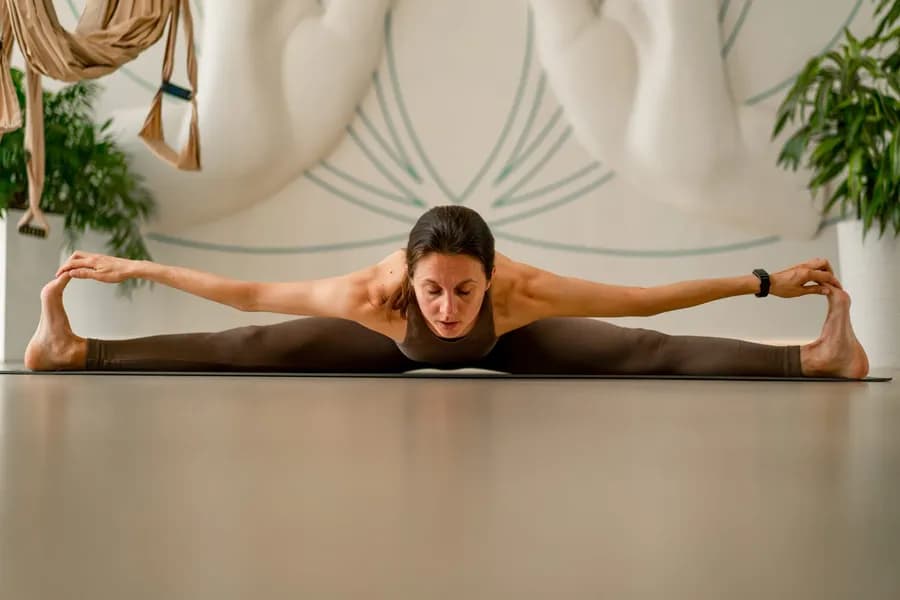
Upavista Konasana: Steps Benefits and Flexibility Guide
Practice Upavista Konasana with Habuild. Follow the seated wide-angle steps to open your hips, stretch your hamstrings, and build flexibility. Start today!
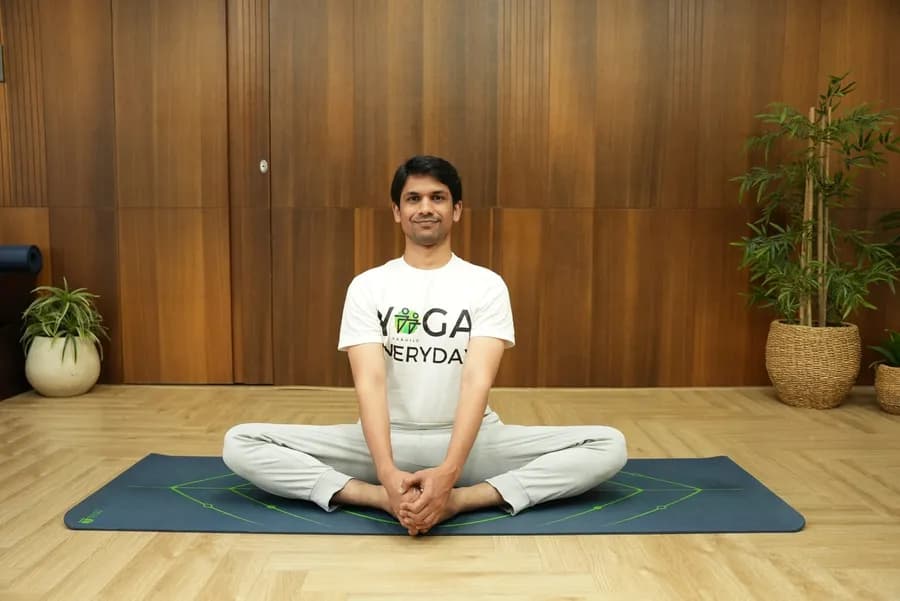
Baddha Konasana (Butterfly Pose): Steps and Hip Flexibility Benefits
Practice baddha konasana with Habuild. Try the baddha konasana pose to open your hips, improve flexibility, and calm your busy mind. Start your session today!
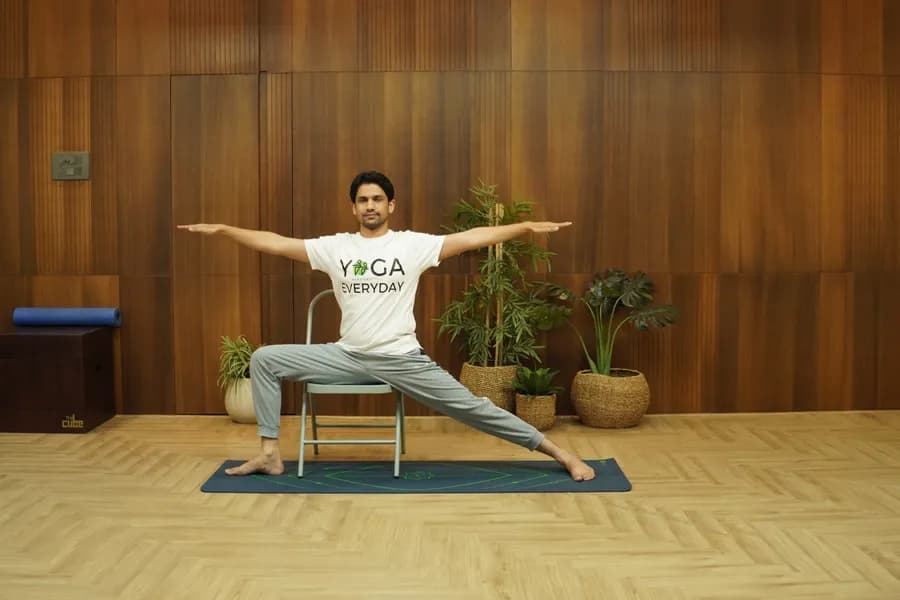
Virabhadrasana 2 (Warrior 2): Steps Benefits and Alignment Cues
Practice Virabhadrasana 2 with Habuild. Follow the Warrior II pose steps to strengthen your legs, open your hips, and build stamina and focus. Start today!
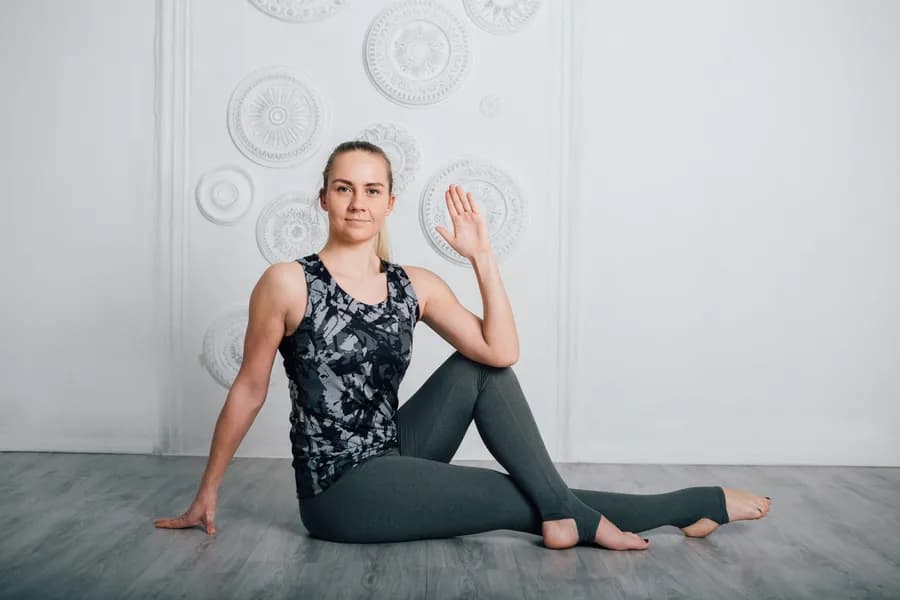
Matsyendrasana (Full Spinal Twist): Steps Benefits and Safety
Practice matsyendrasana with Habuild. Follow the ardha matsyendrasana procedure to boost spinal health, digestion, and flexibility. Start your session today!