
Akarna Dhanurasana (Archer Pose): Steps and Flexibility Benefits
Practice Akarna Dhanurasana with Habuild. Follow the steps to improve hamstring flexibility, build pulling strength, and sharpen your posture. Start today!
Key Takeaways
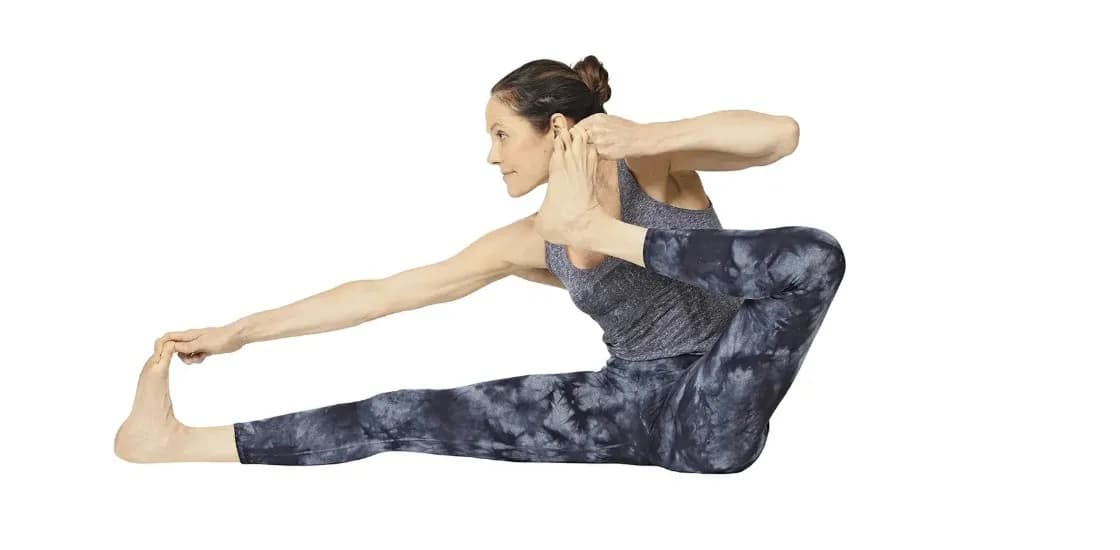
- Named Shooting Bow Pose for drawing one foot toward the ear like an archer’s bowstring.
- One of the few yoga postures that specifically trains the pulling muscles – biceps and rhomboids.
- Complements the pushing strength that Chaturanga and Plank develop in most practices.
- Requires straight-leg hamstring extension combined with hip flexion simultaneously.
- Reveals its depth only through months of patient, methodical preparation.
- Corrects rounded-shoulder posture by strengthening scapular retractors most poses ignore.
Akarna Dhanurasana, or Shooting Bow Pose, combines deep hamstring flexibility, hip external rotation, and pulling muscle strength by drawing one foot toward the ear from a seated position. It improves posture by strengthening undertrained pulling muscles, builds core stability, and develops focused precision. Suitable for intermediate and advanced practitioners through progressive preparation.
What is Akarna Dhanurasana?
Akarna Dhanurasana — known in English as Shooting Bow Pose or Archer Pose — takes its name from Sanskrit: Akarna (toward the ear), Dhanu (bow), and Asana (posture). From a seated position, one foot is clasped and drawn upward toward the ear — like an archer drawing a bowstring — while the other leg extends forward.
Akarna Dhanurasana is a demanding intermediate-to-advanced seated posture that combines deep hamstring flexibility, hip external rotation, shoulder flexibility, and core stability in a single complex shape. It is one of the few yoga postures that specifically trains the pulling muscles of the arms — biceps, rhomboids, rear deltoids — complementing the pushing strength developed through Chaturanga and Plank.
At Habuild, Akarna Dhanurasana is taught with careful progression — beginning with preparatory hamstring and hip opening before introducing the foot-clasping and ear-drawing components.
Benefits
Physical Benefits
- Develops Exceptional Hamstring and Hip Flexibility One of the most demanding hamstring stretches in seated yoga — requiring both straight-leg hamstring extension and the hip flexion necessary to draw the foot toward the ear. This compound flexibility demand produces rapid hamstring and hip opening for practitioners with good baseline flexibility.
- Strengthens the Pulling Muscles and Corrects Rounded Posture The clasping and drawing of the foot activates the biceps, rhomboids, posterior deltoids, and scapular retractors — the pulling muscles that most yoga postures leave undertrained. Strengthening these muscles is directly corrective for the rounded-shoulder posture of keyboard and screen work.
- Builds Core Stability and Spinal Awareness Maintaining an upright spine while drawing the leg toward the ear requires deep engagement of the core stabilisers — particularly the transverse abdominis and multifidus — supporting spinal health over consistent practice.
- Improves Hip Joint Health and Range of Motion The hip external rotation of the drawing leg and the hip flexion of the extended leg work the hip joint through a comprehensive range of motion — improving synovial fluid circulation and functional mobility.
Mental Benefits
- Develops Patient, Progressive Skill Development Akarna Dhanurasana reveals its depth only through months of patient preparation — developing the quality of methodical practice that distinguishes experienced yogis.
- Builds Precision and Meditative Focus The technical precision required to maintain correct alignment while drawing the foot toward the ear demands focused, moment-to-moment attention comparable to that of advanced pranayama.
How to Do Akarna Dhanurasana — Step-by-Step Instructions
Key Principles
Key Principles Three principles: prepare the hamstrings thoroughly first — always warm up with Janu Sirsasana and Paschimottanasana; maintain the upright spine throughout — the torso must not collapse toward the drawing leg; and use the strap until the full range is accessible — never force the foot to the ear.
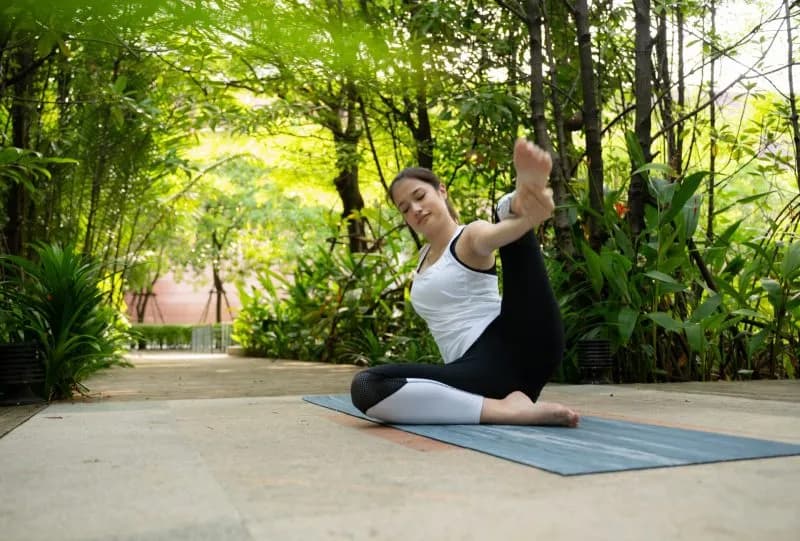
Akarna Dhanurasana — Step by Step Step 1: Starting Dandasana Sit in Dandasana with both legs extended. Ensure the spine is tall, sitting bones evenly grounded, and hamstrings adequately warmed from preparation postures.
Step 2: Clasp the Right Big Toe Bend the right knee and clasp the right big toe with the index and middle finger of the right hand — the two-finger big-toe grip is the specific hand position.
Step 3: Lengthen the Spine on Inhalation Inhale and lengthen the spine to full height — this inhalation establishes the upright posture that must be maintained throughout the drawing motion.
Step 4: Begin Drawing the Right Foot Upward On the exhale, draw the right knee upward and outward — as if pulling a bowstring. Continue drawing the right foot toward the right ear. The right elbow bends and lifts upward.
Step 5: Hold with Extended Leg Active Keep the left leg extended and the left hand clasping the left big toe or resting on the left shin. The spine remains upright throughout the hold. Hold for three to five breath cycles.
Step 6: Release and Switch Sides Inhale to release the foot and return to Dandasana. Repeat on the left side.
Breathing
Breathe into the opposite (extended-leg) side of the ribcage — expanding that lung fully while the drawing arm movement remains controlled and breath-driven. Exhale to draw fractionally closer; inhale to find stability at the current position.
Preparatory Poses
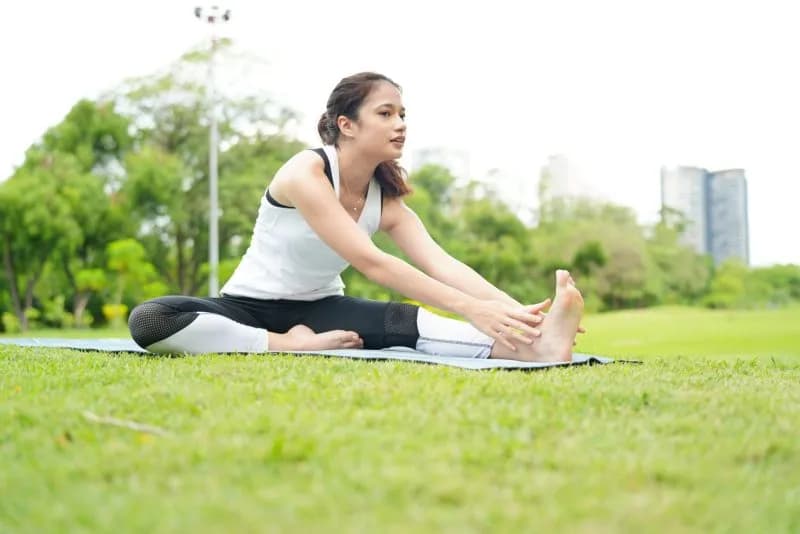
- Janu Sirsasana (3 minutes each side) — The most important hamstring preparation for Akarna Dhanurasana.
- Baddha Konasana (3 minutes) — Opens the hip external rotation of the drawing leg.
- Padangusthasana (Big Toe Pose, 5 breaths) — Develops the hamstring-plus-shoulder engagement pattern the pose requires.
Variations
- Variation 1: Preparatory Akarna — Knee to Chest Instead of drawing the foot to the ear, the knee is simply drawn to the chest — developing the shoulder flexion and hip flexion patterns before full range is accessible.
- Variation 2: Akarna Dhanurasana with Strap A yoga strap looped around the foot allows the drawing action even when direct hand-to-foot contact is not yet accessible. The strap-assisted version provides the full biomechanical pattern of the pose.
- Variation 3: Full Akarna Dhanurasana — Advanced Foot clasped directly by the index and middle fingers, drawn to the ear — the complete expression requiring exceptional hamstring flexibility and pulling muscle strength.
Common Mistakes to Avoid in Akarna Dhanurasana
- Rounding the Lower Back to Draw the Foot Closer The spine must remain upright throughout — use a strap and draw only as far as spinal length is maintained. A rounded back reaching further defeats the foundational therapeutic purpose.
- Forcing the Foot to the Ear The foot arrives at the ear naturally as hamstring and shoulder flexibility develop over months. Forcing it with muscular strain produces hamstring and shoulder impingement rather than progressive opening.
- Attempting the Full Pose Without Preparation Building through the progression — knee-to-chest, strap-assisted drawing, direct contact — is the only safe pathway to the full expression.
Who Should Practise?
- Intermediate and Advanced Practitioners A meaningful milestone posture for practitioners who have established Janu Sirsasana, Paschimottanasana, and Baddha Konasana and are ready to develop the pulling strength and compound flexibility that advanced seated practice requires.
- Those Building Comprehensive Flexibility The compound hamstring, hip, and shoulder flexibility demands make Akarna Dhanurasana one of the most comprehensive single-posture flexibility assessments in yoga.
- Is Akarna Dhanurasana Good for Beginners? The preparatory stages — knee-to-chest and strap-assisted versions — are valuable and accessible for practitioners of any level. The full expression typically develops over three to six months of consistent preparatory work.
Make Akarna Dhanurasana a Part of Your Practice
Akarna Dhanurasana is yoga’s most precisely demanding seated posture — its archer-drawing motion requiring the full integration of hamstring flexibility, hip rotation, pulling strength, and upright spinal awareness that progressive seated practice develops over months of patient preparation.
The most effective way to build toward Akarna Dhanurasana — with the complete preparatory progression, strap guidance, and spinal length instruction — is under live expert instruction with Habuild.
Start your 14 day free yoga journey with Habuild, today!
Related reads: Dhanurasana (Bow Pose): Steps Back Flexibility and Digestive Benefits · Urdhva Dhanurasana (Upward Bow Pose): Steps Benefits and Safety
Archer Pose combines a hamstring stretch with a pulling action, and both improve the way most skills do — through repeated practice rather than a single attempt. Akarna Dhanurasana practiced now and then stays a challenge; practiced regularly, it starts to build real hamstring flexibility and postural strength. Habuild’s Yoga Everyday program works poses like this into a progressive daily routine.
Frequently Asked Questions
Related Articles
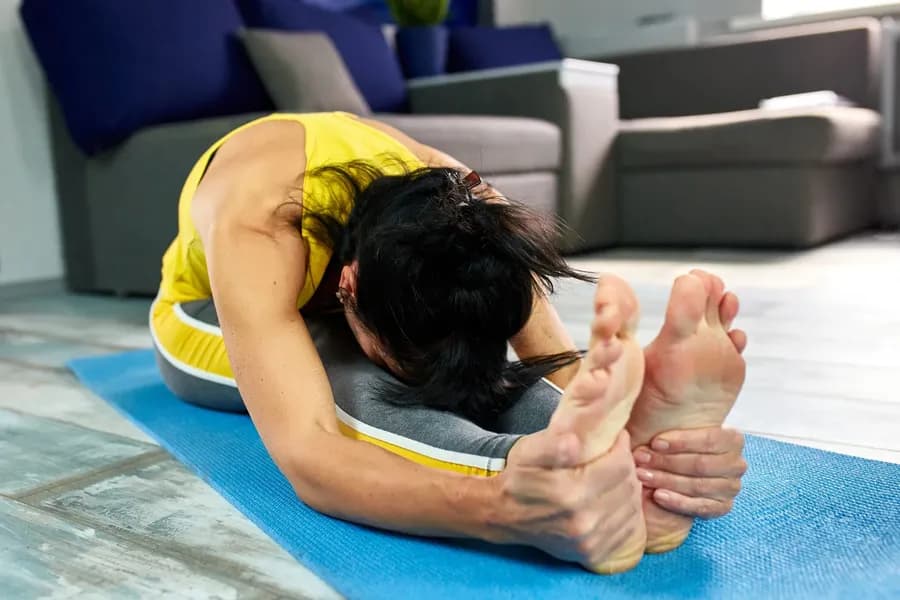
Paschimottanasana: Yoga Steps, Benefits & Tips
Paschimottanasana, the Seated Forward Fold, deeply stretches the entire posterior chain, stimulates the abdominal organs, calms the nervous system, and builds hamstring and spinal flexibility.

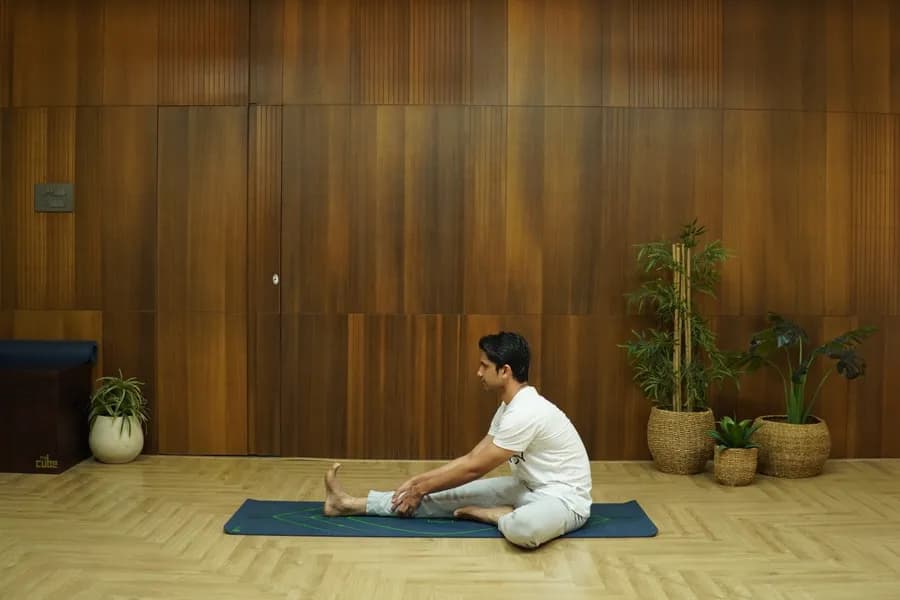
Janu Sirsasana (Head to Knee Pose): Steps and Key Benefits
Practice janu sirsasana with Habuild. Try the janu sirsasana pose to stretch your hamstrings, calm your mind, and improve flexibility. Start your session now!
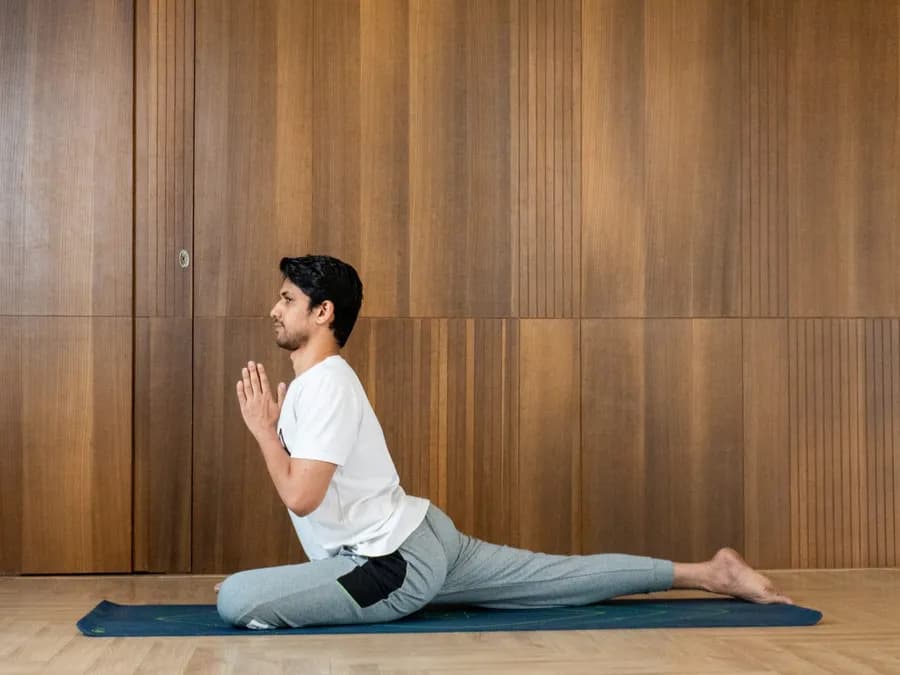
Eka Pada Rajakapotasana (Pigeon Pose): Steps and Hip Opening Benefits
Practice Eka Pada Rajakapotasana with Habuild. Follow the pigeon pose steps to open your hips, boost flexibility, and relieve lower back pain. Start today!
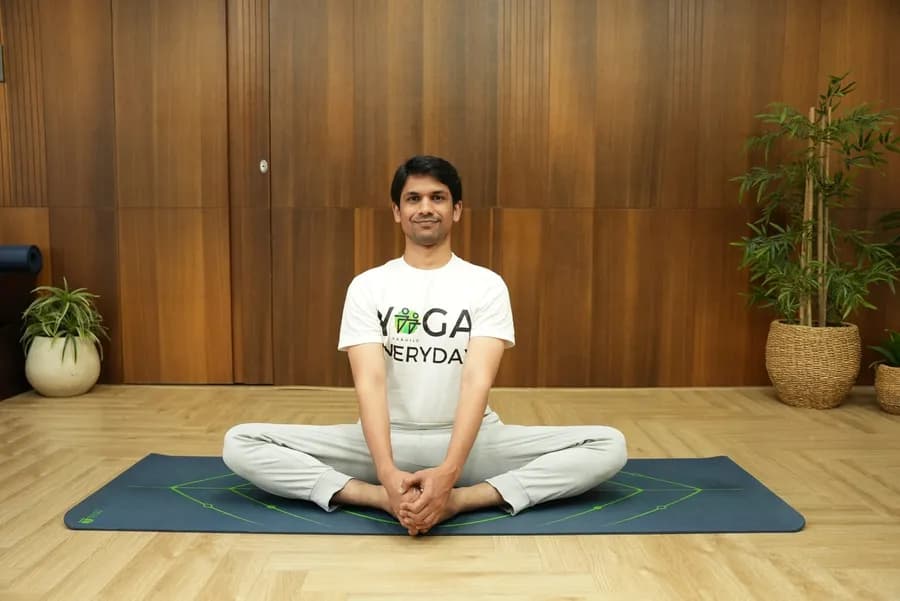
Baddha Konasana (Butterfly Pose): Steps and Hip Flexibility Benefits
Practice baddha konasana with Habuild. Try the baddha konasana pose to open your hips, improve flexibility, and calm your busy mind. Start your session today!