
Parivrtta Janu Sirsasana: Steps Benefits and How to Practice
Practice Parivrtta Janu Sirsasana with Habuild. Follow the revolved head-to-knee steps to improve digestion, stretch your spine, and boost flexibility. Start!
Key Takeaways
- Bends laterally over the extended leg, unlike Janu Sirsasana’s forward fold from the same base.
- Always taught immediately following Janu Sirsasana to contrast forward and lateral dimensions.
- Shifts the hamstring stretch focus to the inner hamstring and adductor of the extended leg.
- The overhead arm extension opens the upper intercostals and lateral ribcage for breathing.
- Named as developing lateral body awareness most forward-fold-dominant sequences never build.
- The inward-facing, head-lowered position is recommended specifically as an evening practice.
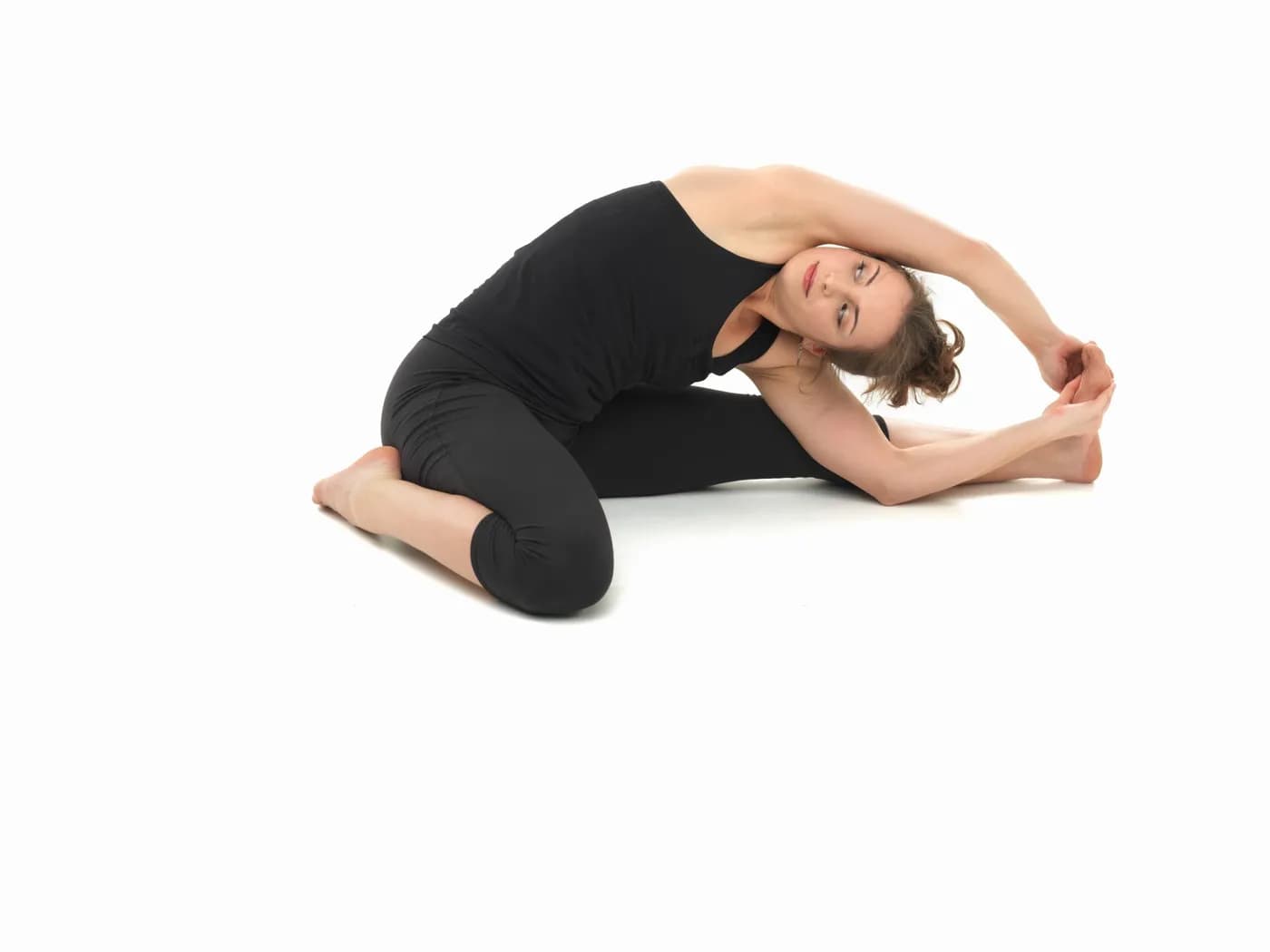
Parivrtta Janu Sirsasana, or Revolved Head-to-Knee Pose, bends the torso laterally over the extended leg to stretch the intercostal muscles, open the inner hamstring, stimulate digestion, and calm the nervous system. It develops the lateral body awareness that forward-fold-dominant sequences leave underdeveloped. Suitable for all levels with modifications.
What is Parivrtta Janu Sirsasana?
Parivrtta Janu Sirsasana — known in English as Revolved Head-to-Knee Pose or Lateral Head-to-Knee Pose — derives from Sanskrit: Parivrtta (revolved), Janu (knee), Sirsa (head), and Asana (posture). From the Janu Sirsasana base (one leg extended, one bent), the body rotates and bends laterally over the extended leg — creating a side body stretch rather than a forward fold.
Parivrtta Janu Sirsasana is one of yoga’s most therapeutically distinctive seated postures — combining lateral spinal flexion, hamstring stretching, thoracic rotation, and abdominal organ stimulation in a single complex shape. Unlike Janu Sirsasana which bends forward, Parivrtta Janu Sirsasana bends laterally — stretching the intercostals, obliques, and lateral shoulder while providing the digestive and nervous system benefits of the forward-fold family.
At Habuild, Parivrtta Janu Sirsasana is taught as a key lateral seated posture — always following Janu Sirsasana in the sequence, allowing the body to experience both the forward and lateral dimensions of the same foundational base.
Benefits
Physical Benefits
- Develops Lateral Flexibility and Intercostal Opening Provides one of the deepest lateral body stretches in seated yoga — lengthening the intercostal muscles, obliques, and lateral shoulder on the upper side. This lateral flexibility is directly relevant to the overall lateral chain flexibility that most yoga sequences neglect.
- Stretches the Inner Hamstring with a Lateral Component The lateral angle shifts the stretch focus to the inner hamstring and adductor on the extended leg — developing a different dimension of posterior chain flexibility than forward-fold Janu Sirsasana provides.
- Stimulates Digestion Through Lateral Abdominal Compression The lateral fold and abdominal compression stimulate the digestive organs through a different angle than forward folds — creating lateral compression that activates gut motility.
- Opens the Chest and Improves Respiratory Function The upper arm extended overhead and the lateral chest opening expands the upper intercostal muscles and lateral ribcage — improving available chest expansion for breathing.
Mental Benefits
- Activates the Parasympathetic Nervous System for Rest and Sleep The inward-facing, head-lowered position combined with slow, deep breathing activates the parasympathetic nervous system — making it an excellent evening practice for insomnia management.
- Develops Lateral Body Awareness The lateral plane of movement develops proprioceptive awareness that most forward-fold-dominant yoga sequences do not systematically build.
How to Do Parivrtta Janu Sirsasana — Step-by-Step Instructions
Key Principles
Key Principles Two principles: the bend is lateral, not forward — the torso bends sideways toward the extended leg; and both sitting bones remain grounded — the hip of the bending side must not lift during the lateral reach.
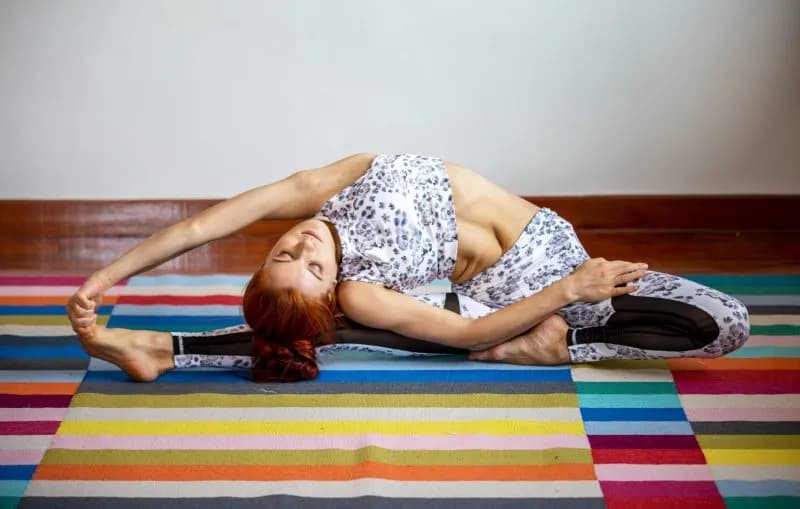
Parivrtta Janu Sirsasana — Step by Step Step 1: Janu Sirsasana Base Sit in Dandasana. Bend the right knee and place the right foot against the inner left thigh. Open the right knee outward and slightly downward. Both sitting bones grounded.
Step 2: Inhale and Raise the Left Arm Inhale and lengthen the spine. Raise the left arm overhead, preparing for the lateral tilt.
Step 3: Tilt Laterally Over the Extended Leg On the exhale, tilt the entire torso to the left — bending laterally over the extended left leg. This is a side bend, not a forward fold.
Step 4: Right Arm Overhead or Supporting The right arm can extend overhead alongside the left ear — maximising the lateral line — or the right hand rests on the floor beside the right hip for support.
Step 5: Chest Rotates Toward the Ceiling Rotate the chest slightly toward the ceiling — opening the front body rather than collapsing it toward the floor. The left hand reaches toward the left foot.
Step 6: Breathe Into the Upper Ribcage and Hold Hold for 5–8 breath cycles, breathing into the expanded right (upper) intercostal space on each inhale. Inhale to rise. Repeat on the right leg.
Breathing
Preparatory Poses
Breathing into the upper intercostal space on the inhale is the most important cue — this creates the intercostal expansion that produces the lateral opening. Each inhale lengthens the upper side; each exhale allows the lateral fold to deepen slightly without losing the chest rotation.
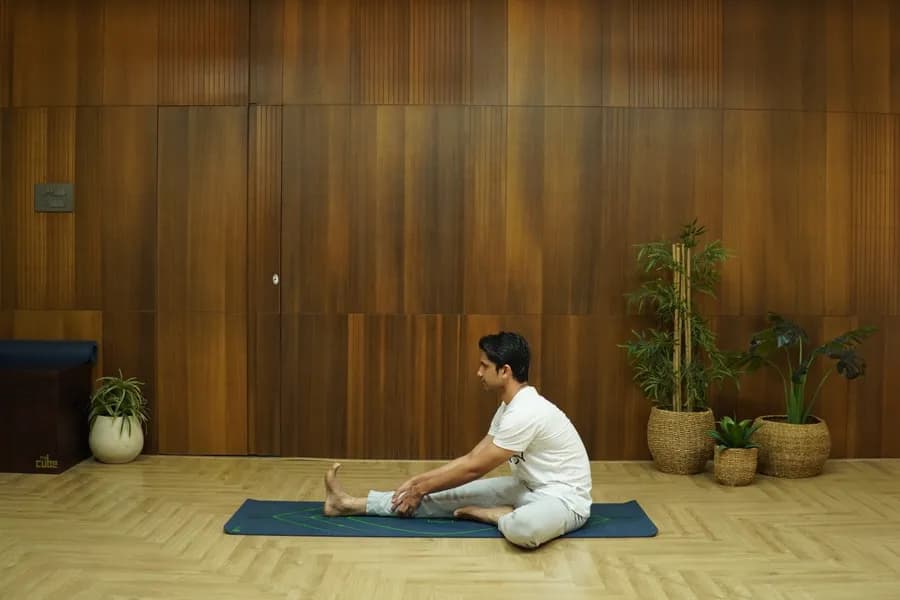
- Janu Sirsasana (3 minutes each side) — Warms the hamstrings and establishes the seated base before the lateral variation.
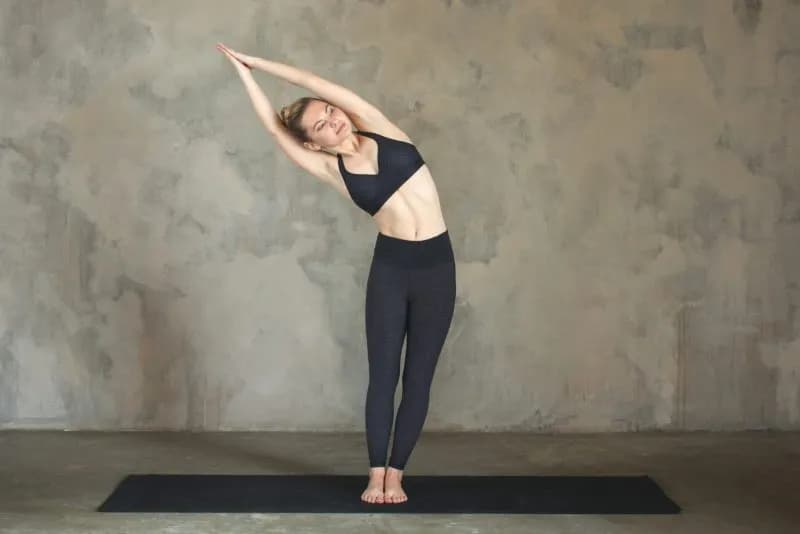
- Tiryaka Tadasana (Swaying Palm Pose) — Warms the lateral body and intercostals in the standing position before the seated lateral fold.
- Parighasana (Gate Pose) — Another lateral seated stretch that warms the same lateral body structures.
Variations
- Variation 1: With Block Beside the Extended Foot — Beginner A block at the appropriate height gives the lateral hand a closer target — making the full shape accessible before full hamstring and lateral flexibility is present.
- Variation 2: With Upper Arm Overhead — Standard The upper arm extends overhead alongside the ear — creating the maximum lateral line and intercostal stretch.
- Variation 3: Both Hands Clasping the Foot — Advanced Both hands clasp the outer foot of the extended leg from above — requiring significant lateral flexibility, shoulder mobility, and hamstring openness.
Common Mistakes to Avoid
- Bending Forward Rather Than Laterally The fold is sideways over the extended leg — not forward over it as in Janu Sirsasana. Use a mirror initially to verify the lateral rather than forward direction.
- Lifting the Sitting Bone of the Bending Side Both sitting bones must remain grounded throughout — the hip of the bending side lifting converts the lateral fold into a hip hike and eliminates the therapeutic spinal lateral flexion.
- Collapsing the Chest Toward the Floor The chest should rotate toward the ceiling throughout the hold — the collapsing chest reversal eliminates the intercostal opening that is the pose’s distinctive benefit.
Who Should Practise?
- Those Seeking Lateral Flexibility Development Parivrtta Janu Sirsasana fills the lateral body flexibility gap that most forward-fold-dominant seated yoga sequences leave — essential for three-dimensional flexibility balance.
- Those with Digestive Issues and Poor Sleep The lateral abdominal stimulation and parasympathetic activation make it a specifically effective dual-benefit evening practice for those dealing with both digestive sluggishness and sleep difficulty.
- Is Parivrtta Janu Sirsasana Good for Beginners? Yes — the block-supported variation is accessible from intermediate beginner practice. The block beside the extended foot makes the full lateral shape achievable before flexibility is complete.
Make Parivrtta Janu Sirsasana a Part of Your Practice
Parivrtta Janu Sirsasana is yoga’s most distinctive lateral seated posture — its side-body bend over the extended leg delivering intercostal opening, inner hamstring stretching, and digestive organ stimulation from the lateral angle that forward folds can never access.
Whether working with a block to achieve the lateral shape or deepening into the full upper-arm-overhead expression, every consistent hold of Parivrtta Janu Sirsasana builds the lateral body awareness and flexibility that complete three-dimensional practice requires.
The most effective way to learn Parivrtta Janu Sirsasana correctly — with lateral direction guidance, sitting-bone grounding, and chest rotation instruction — is under live expert guidance with Habuild.
Start your 14 day free yoga journey with Habuild, today!
Related reads: Janu Sirsasana (Head to Knee Pose): Steps and Key Benefits · Janu Sirsasana Steps, Benefits & Precautions | Habuild
This revolved seated fold stretches the spine and side body in a way that opens up gradually, the same side each day getting a little more accessible with repeated practice. The gentle compression through the abdomen is also thought to support digestion best as a regular practice rather than an occasional stretch. Habuild’s Yoga Everyday program includes seated forward folds like this in its daily sequencing.
Frequently Asked Questions
Related Articles
Janu Sirsasana (Head to Knee Pose): Steps and Key Benefits
Practice janu sirsasana with Habuild. Try the janu sirsasana pose to stretch your hamstrings, calm your mind, and improve flexibility. Start your session now!
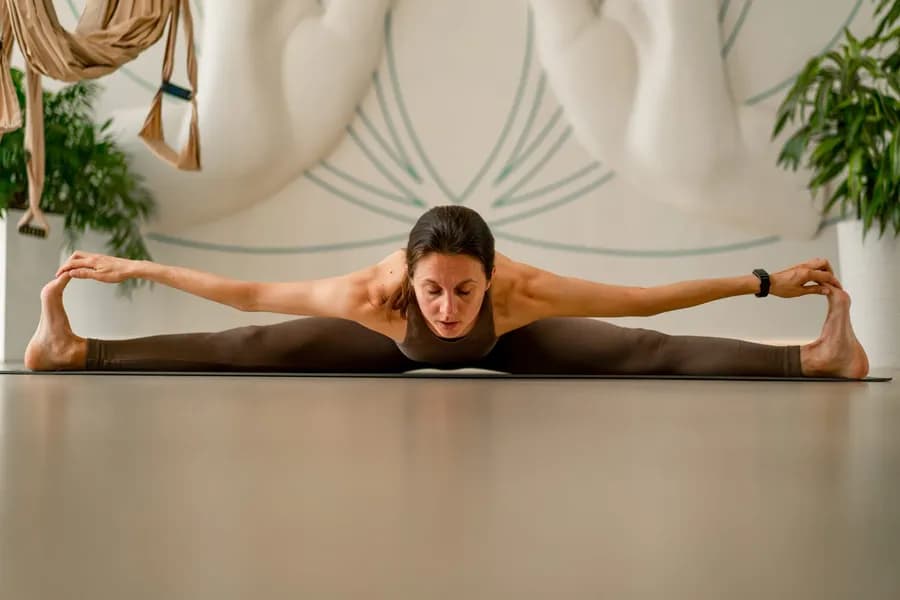
Upavista Konasana: Steps Benefits and Flexibility Guide
Practice Upavista Konasana with Habuild. Follow the seated wide-angle steps to open your hips, stretch your hamstrings, and build flexibility. Start today!
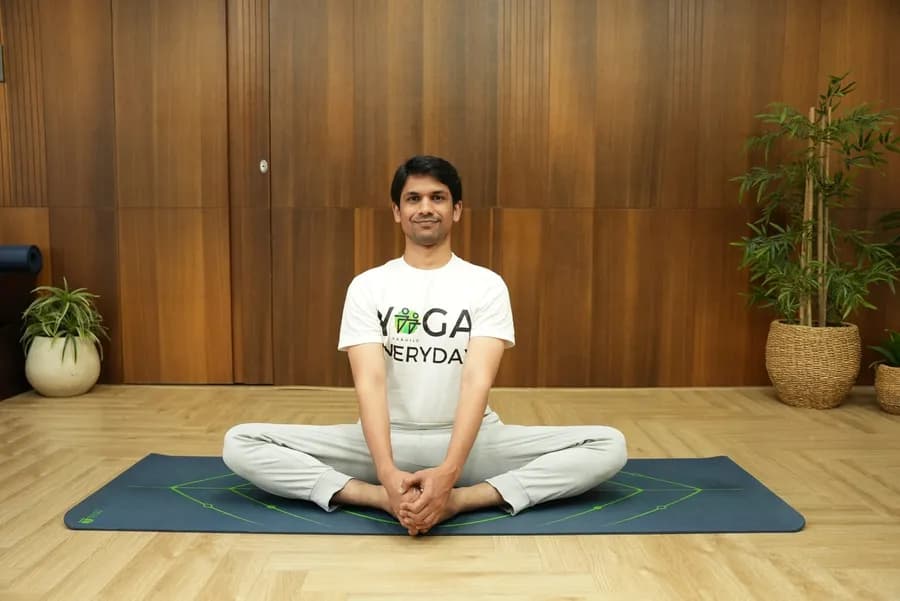
Baddha Konasana (Butterfly Pose): Steps and Hip Flexibility Benefits
Practice baddha konasana with Habuild. Try the baddha konasana pose to open your hips, improve flexibility, and calm your busy mind. Start your session today!
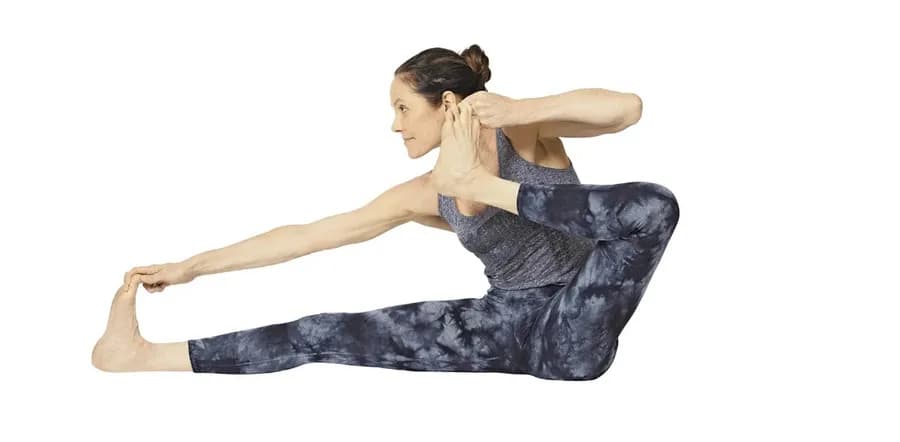
Akarna Dhanurasana (Archer Pose): Steps and Flexibility Benefits
Practice Akarna Dhanurasana with Habuild. Follow the steps to improve hamstring flexibility, build pulling strength, and sharpen your posture. Start today!
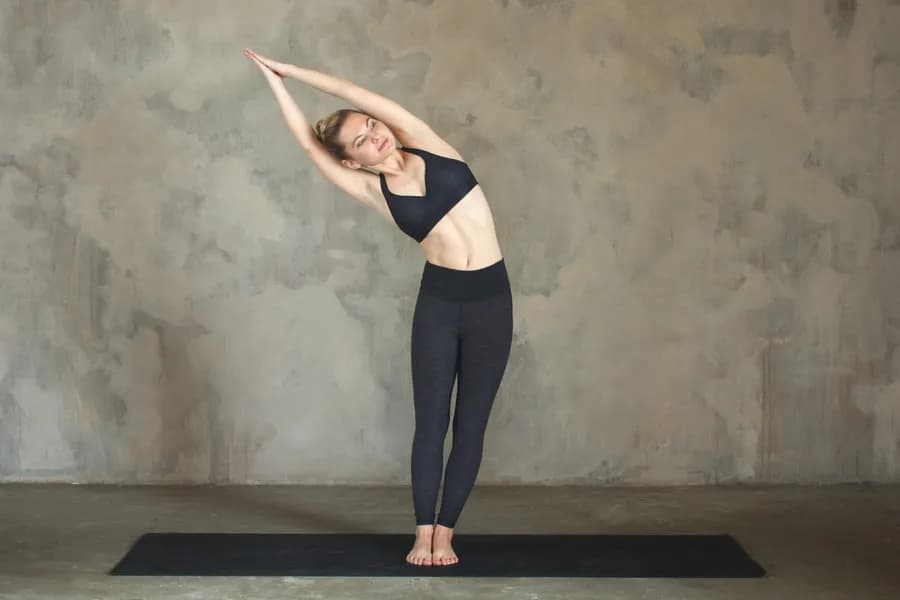
Tiryaka Tadasana (Swaying Palm Pose): Steps and Spine Benefits
Practice Tiryaka Tadasana with Habuild. Follow swaying palm tree steps to improve lateral flexibility, strengthen your spine, and slim your waist. Start today!