
Pincha Mayurasana (Forearm Stand): Steps and Strength Benefits
Practice Pincha Mayurasana with Habuild. Follow forearm stand steps to build shoulder strength, improve balance, and advance your yoga practice. Start today!
Key Takeaways
- More accessible than headstand for neck-sensitive practitioners since forearms bear the weight.
- Progresses systematically through Dolphin Pose before legs ever leave the supporting wall.
- As a full inversion it dramatically increases blood flow to the brain, face, and scalp.
- Requires significant anterior shoulder and thoracic flexibility to maintain spinal alignment.
- Overcoming the ingrained fear of falling is named among its most transformative aspects.
- Demands serratus anterior, deltoid, and triceps strength simultaneously under full body load.
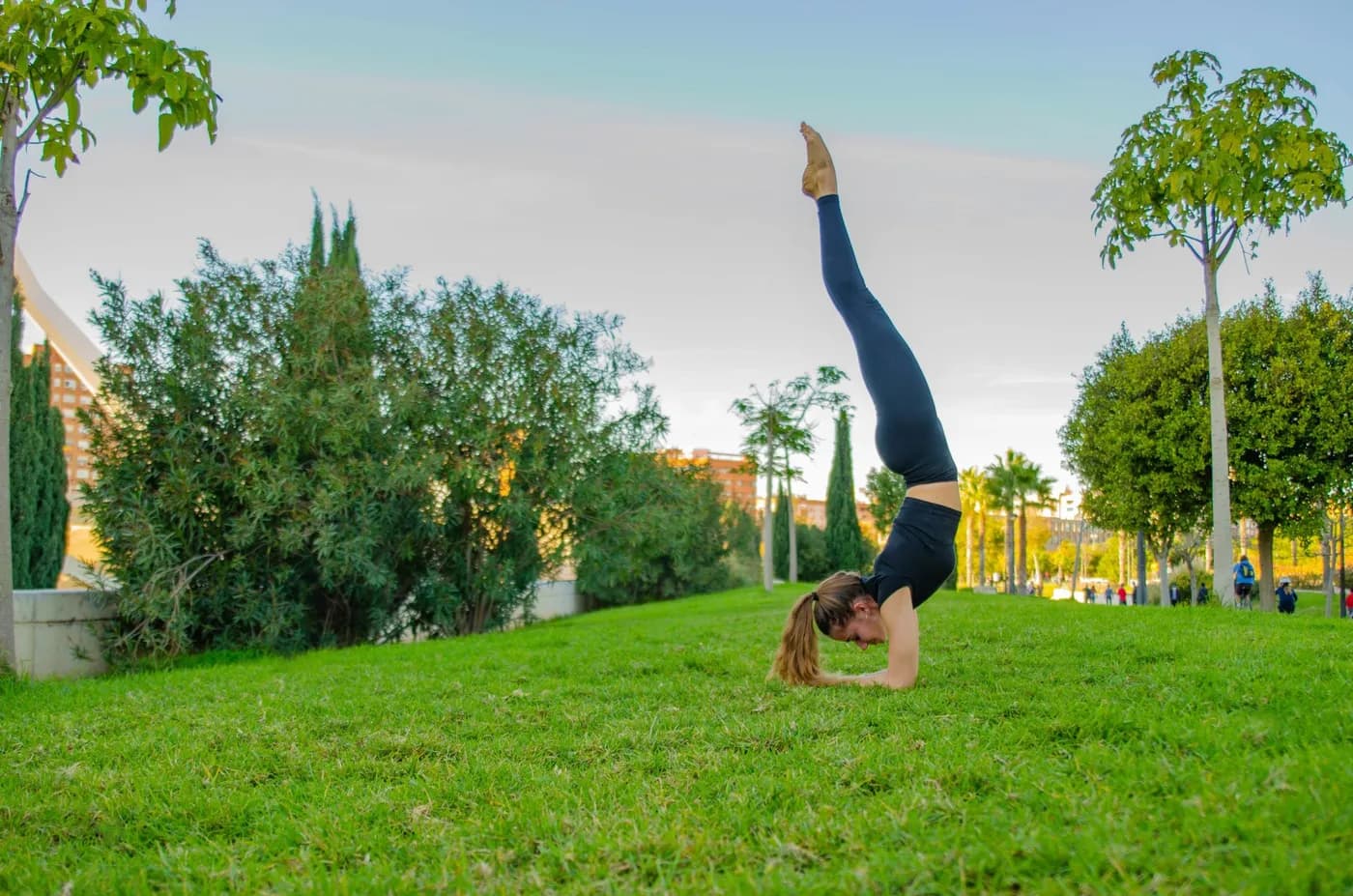
Pincha Mayurasana, or Forearm Stand, is a full inversion balancing on the forearms that builds exceptional shoulder strength, develops thoracic flexibility, improves core control, and boosts cerebral circulation. It develops courage and mental clarity. Suitable for intermediate practitioners through systematic Dolphin Pose and wall-supported progression.
What is Pincha Mayurasana?
Pincha Mayurasana — known in English as Feathered Peacock Pose or Forearm Stand — derives from Sanskrit: Pincha (feather or chin), Mayura (peacock), and Asana (posture). The image evokes a peacock displaying its magnificent feathered tail — the body fully inverted on the forearms, legs extending upward, the posture exuding the beauty and power of the bird.
Pincha Mayurasana is one of yoga’s most demanding arm balances and inversions — requiring simultaneous development of shoulder strength, thoracic spine flexibility, core control, and the balance and proprioceptive awareness that only sustained inversion practice develops. It is more accessible than Shirshasana (headstand) for practitioners with neck sensitivity, as the weight is borne by the forearms rather than the head and neck.
At Habuild, Pincha Mayurasana is taught through a carefully structured forearm stand progression — ensuring shoulder strength, core stability, and thoracic flexibility are established safely before the legs leave the wall.
Benefits
Physical Benefits
- Builds Exceptional Shoulder and Upper Body Strength The full body weight on the forearms, shoulders, and upper back requires and develops extraordinary deltoid, rotator cuff, triceps, and serratus anterior strength — one of the most comprehensive upper body strength demands in yoga.
- Develops Thoracic and Shoulder Flexibility The forearm stand requires significant anterior shoulder and thoracic spine flexibility to maintain correct spinal alignment. Progressive practice develops the thoracic extension and shoulder flexibility directly relevant to anterior chain flexibility.
- Improves Core Stability and Body Control Maintaining the full body in a straight vertical line requires profound engagement of the transverse abdominis, multifidus, and pelvic floor — producing core awareness and stability that transfers to every inversion and arm balance.
- Boosts Cerebral Circulation and Supports Scalp Health As a full inversion, Pincha Mayurasana dramatically increases blood flow to the brain, face, and scalp — associated with enhanced cognitive clarity, improved skin tone, and better scalp health.
Mental Benefits
- Develops Courage, Confidence, and Fear Transcendence Moving into and sustaining Pincha Mayurasana requires overcoming the deeply ingrained fear of falling — developing a quality of confidence and equanimity in the face of vulnerability that is among the most psychologically transformative aspects of inversion practice.
- Produces Clarity and Energy from Inversion The inversion-induced increase in cerebral blood flow produces a distinctive cognitive clarity and energy — regular Pincha Mayurasana creates a noticeable uplift in energy and mental sharpness that persists for hours.
How to Do Pincha Mayurasana — Step-by-Step Instructions
Key Principles
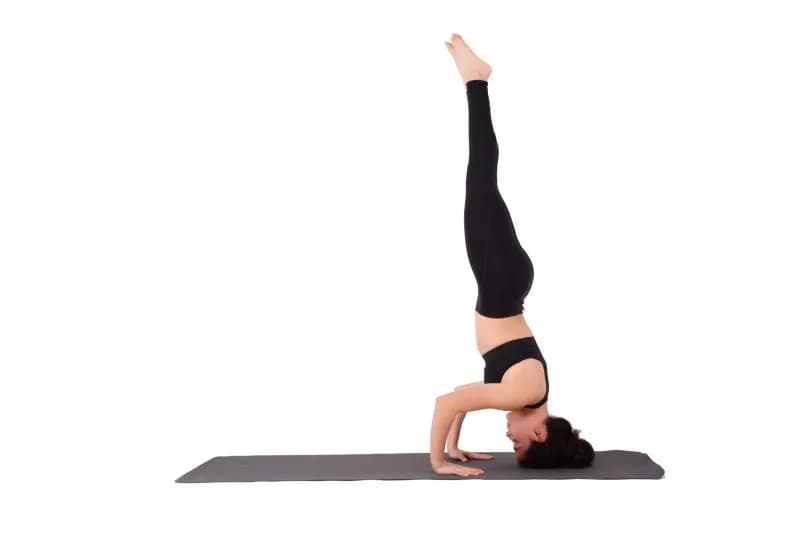
Key Principles Three non-negotiable principles: forearms remain parallel throughout — never allow the elbows to splay outward; shoulder blades protract and depress — pressing into the floor to prevent the weight from sinking into the joint; and the core is active — the body forms a straight line, not a banana shape.
Pincha Mayurasana — Step by Step (Wall-Supported)
Step 1: Dolphin Pose — Foundational Preparation Come onto hands and knees. Lower the forearms to the mat — parallel, shoulder-width apart. Clasp the hands or press palms flat. Tuck the toes and lift the hips into Dolphin Pose. Hold for 5–10 breaths daily.
Step 2: Walk the Feet Toward the Face From Dolphin Pose, walk the feet toward the face — lifting the hips as high as possible. The hips stack above the shoulders.
Step 3: Kick One Leg Up Toward the Wall Kick one leg up toward the wall — the other follows. Both heels press against the wall. Engage the core and press strongly into the forearms.
Step 4: Heels to Wall — Full Inversion Both heels press against the wall. Press strongly into the forearms — lifting up through the shoulders, not sinking into them.
Step 5: Gradually Reduce Wall Contact Gradually reduce the weight pressing into the wall — finding balance without the wall for 5–10 seconds at first, building over consistent sessions.
Step 6: Lower One Leg at a Time To come down: lower one leg at a time. Rest in Balasana (Child’s Pose) for 60 seconds to allow the shoulders and nervous system to rest.
Breathing
Slow, steady Ujjayi breathing dramatically improves balance and duration in Pincha Mayurasana — the audible breath provides the nervous system regulation that allows the body to find stillness. Inhale as the chest expands; exhale as the abdominal engagement stabilises.
Progressive Preparation Curriculum
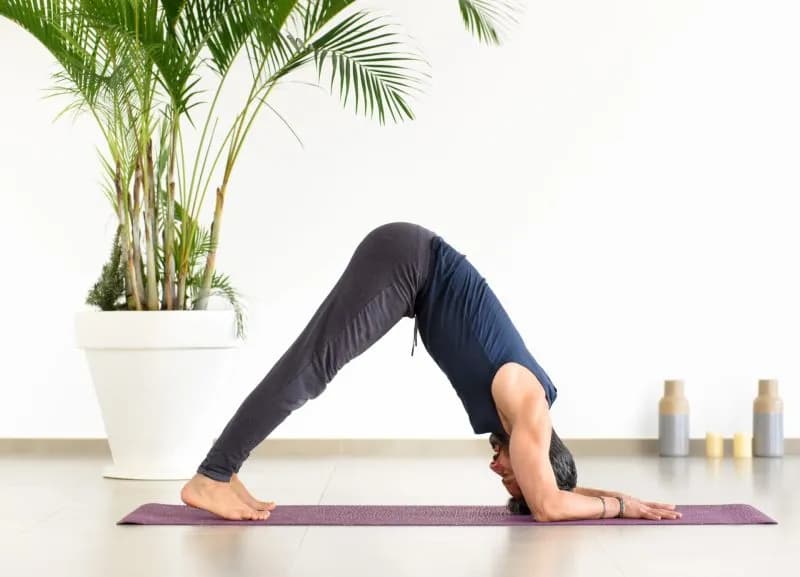
- Dolphin Pose (5-10 breaths daily) — The non-negotiable daily preparation — develops the shoulder and core foundation without the balance challenge.
- L-Shape Forearm Stand Against Wall — Feet at hip height on the wall, hips over shoulders — develops the shoulder alignment and core engagement of the full inversion.
- Plank and Forearm Plank (1 minute each) — Builds the serratus anterior and core stability required for the inverted position.
Variations
- Variation 1: Dolphin Pose — Daily Essential Preparation Forearm Downward Dog — held for 5–10 breaths daily. The most important single preparatory practice for Pincha Mayurasana.
- Variation 2: L-Shape Forearm Stand Against Wall Feet pressing against the wall at hip height — developing shoulder alignment and core without the balance and fear components of the full inversion.
- Variation 3: Full Free-Standing Pincha Mayurasana The complete free-standing forearm stand — typically achieved after several months of consistent wall-supported practice.
Common Mistakes to Avoid
- Elbows Splaying Outward The most consequential structural error — elbows wider than shoulder-width collapses the shoulder joint alignment and creates rotational wrist strain. Use a block between the hands to maintain parallel forearms if necessary.
- Sinking Weight Into the Shoulder Joint Actively press the forearms into the floor to lift up through the shoulders — never allow the shoulders to passively sink toward the floor, which concentrates load on the joint capsule.
- Attempting the Full Inversion Before Dolphin and L-Shape Are Established The Dolphin and L-shape stages are not optional shortcuts — they are the strength and alignment prerequisites that make the full inversion both safe and achievable.
Who Should Practise?
- Intermediate Practitioners Building Toward Advanced Inversions Pincha Mayurasana is the natural next inversion after Sarvangasana and Sirsasana — building the shoulder strength and balance that the peak inversion practice requires.
- Those Seeking Shoulder Strength and Thoracic Flexibility The upper body strength and anterior shoulder flexibility developed through Pincha Mayurasana practice is among the most functional and comprehensive in yoga.
- Is Pincha Mayurasana Good for Beginners? Dolphin Pose and the L-shape preparation are valuable and accessible to all practitioners. The full forearm stand is intermediate-to-advanced — typically achieved after six to twelve weeks of consistent Dolphin Pose practice.
Make Pincha Mayurasana a Part of Your Practice
Pincha Mayurasana is yoga’s most beautiful and most demanding forearm inversion — its full-body vertical balance requiring and developing the shoulder strength, thoracic flexibility, core control, and courageous equanimity that advanced inversion practice demands.
Whether building the daily Dolphin Pose foundation, developing the L-shape wall stage, or finding the first free-standing balance, every consistent session progresses the shoulder strength and body awareness that Pincha Mayurasana requires and rewards.
The most effective way to learn Pincha Mayurasana correctly — with elbow alignment, shoulder depression guidance, and wall-to-free-standing progression — is under live expert guidance with Habuild.
Start your 14 day free yoga journey with Habuild, today!
Related reads: Mayurasana Benefits: Steps, Variations & Precautions · Utthita Parsvakonasana: Steps Strength Benefits and Alignment
Forearm Stand is an advanced pose, and Pincha Mayurasana’s shoulder strength and balance benefits are built up over a long runway of preparatory practice, not attempted cold. Progressing safely toward it matters more than reaching the full pose quickly. Habuild’s Yoga Everyday program builds foundational strength and balance work into daily sessions, so advanced poses like this become a safer long-term goal rather than a rushed attempt.
Frequently Asked Questions
Related Articles
Bakasana (Crow Pose): Steps Strength Tips and How to Master It
Practice Bakasana with Habuild. Follow the crow pose steps to build core strength, improve wrist stability, and master your first arm balance. Start today!
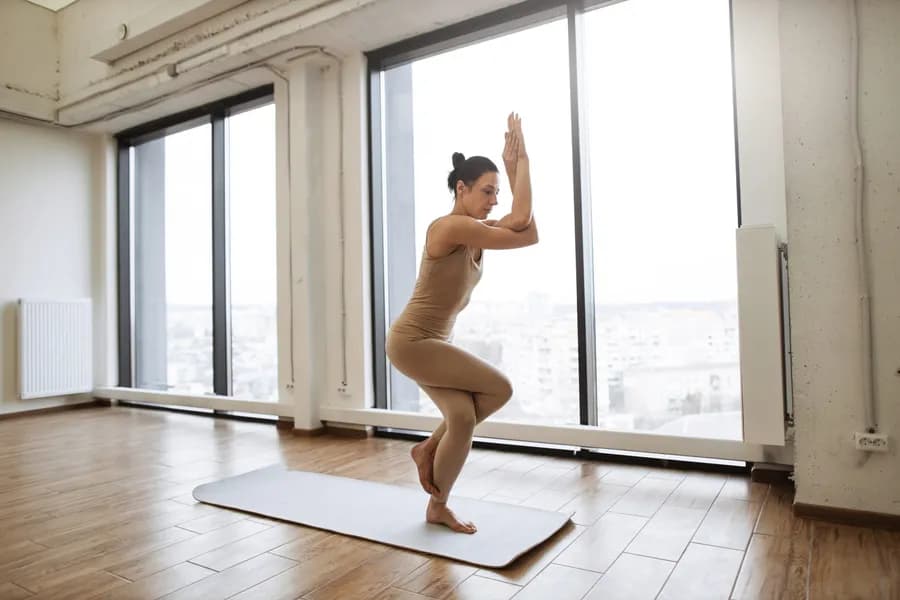
Garudasana (Eagle Pose): Steps Balance Benefits and Beginner Tips
Practice garudasana with Habuild. Try garudasana yoga to improve balance, strengthen your legs, open your shoulders, and develop sharp focus. Start today now!
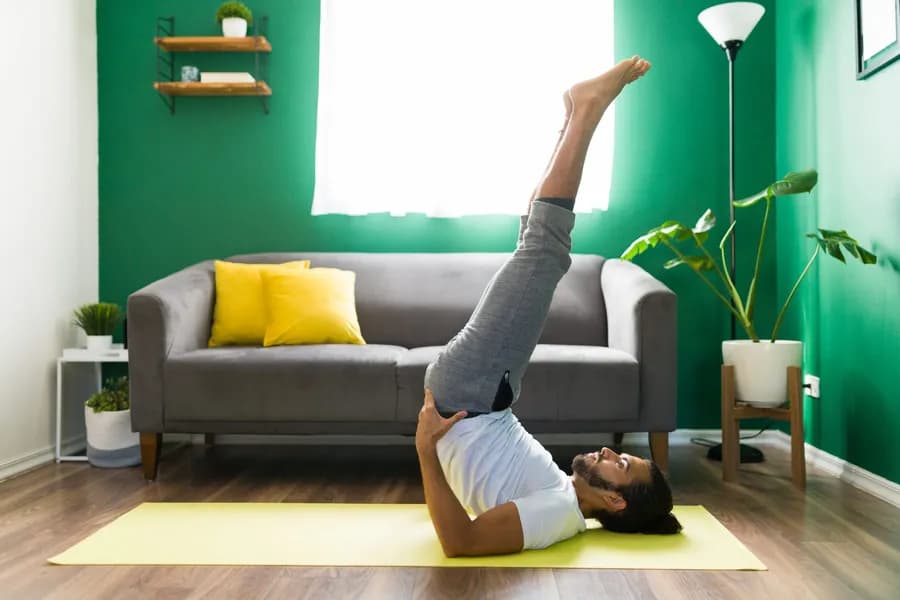
Sarvangasana: Steps Benefits and How to Practice Safely
Practice sarvangasana with Habuild. Explore the sarvangasana pose to boost thyroid health, improve circulation, and calm your mind. Start your session today!
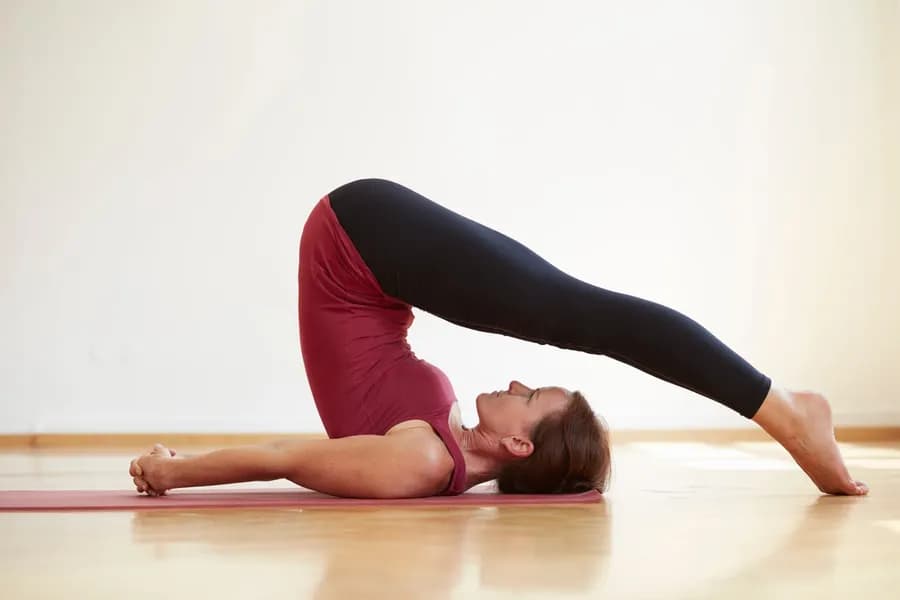
Halasana (Plow Pose): Steps Benefits and Precautions
Try halasana with Habuild. Learn halasana benefits like better flexibility, improved sleep, and relief from back pain. Master the yoga plow pose. Start today!