
Shakti Mudra: How to Practice and Its Benefits for Deep Sleep
Practice Shakti Mudra with Habuild. Follow the power gesture steps to relieve insomnia, calm the anxious mind, and deepen your sleep practice. Start today!
Key Takeaways
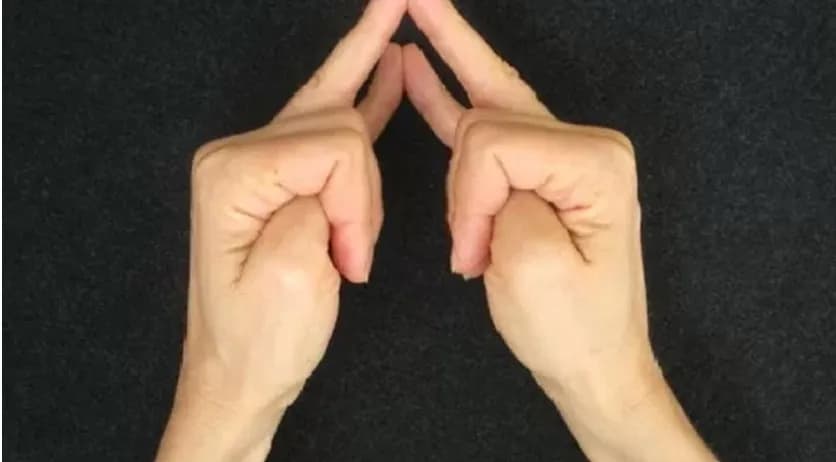
- Formed by interlacing thumbs inside folded index and middle fingers, ring and little extended.
- Uniquely channels energy downward, unlike the upward aspiration most other mudras cultivate.
- Insomnia improvement is reported within one to two weeks of consistent evening practice.
- Paired specifically with an extended-exhale breathing protocol for sleep-onset support.
- Ring and little finger extension is linked to relieving pelvic tension and intestinal spasm.
- Named after Shakti, the primordial feminine creative force complementing Shiva’s stillness.
Shakti Mudra is a yogic hand gesture activating the feminine creative force by interlacing the thumbs inside folded index and middle fingers while the ring and little fingers extend. Primarily practised in the evening to relieve insomnia, calm the anxious mind, activate the downward-moving Apana energy, and support deep, restorative sleep.
What is Shakti Mudra?
Shakti Mudra — the Power and Creative Energy Gesture — is named after Shakti, the primordial feminine creative force of the universe in Hindu and Tantric philosophy. Shakti represents the dynamic, creative, lunar, receptive principle — the complement to Shiva’s static consciousness. In practice, Shakti Mudra is most widely known for its remarkable sleep-inducing and nervous system calming effects — its formation specifically activating the receptive, surrendering quality of consciousness that deep sleep requires.
The formation’s interlaced thumbs and extended ring-little fingers create a gesture that channels energy downward and outward — the Apana Vayu (downward-moving vital air) activation that the descending, releasing quality of sleep specifically requires. Unlike the upward aspiration of many mudras, Shakti Mudra’s energy flows downward — making it the most directly sleep-supportive mudra in the classical system.
At Habuild, Shakti Mudra is taught primarily within our sleep improvement and evening practice curriculum — with the precise formation, extended-exhale breathing protocol, and the specific evening timing that makes this practice most effective for sleep onset support.
Shakti Mudra Benefits
Physical Benefits
- Relieves Insomnia and Promotes Natural Sleep Onset Shakti Mudra’s downward-flowing energy and parasympathetic activation produce the physiological conditions for natural sleep onset — making it the most directly and reliably sleep-inducing mudra in the classical system. Practitioners with chronic insomnia consistently report meaningful sleep onset improvement within one to two weeks of consistent evening use with the extended-exhale breathing protocol.
- Reduces Pelvic Tension and Intestinal Spasm The activation of pelvic energy through the ring and little finger extension is specifically associated with relieving pelvic tension, intestinal spasm, and the physical restlessness in the lower abdomen that chronic stress and anxiety accumulate in the pelvic region.
Mental Benefits
- Calms the Anxious Racing Mind for Sleep The racing, anxious mind that prevents sleep is the active, solar, Yang quality of consciousness that Shakti Mudra’s receptive, lunar, Yin activation directly counterbalances. The downward, receptive quality of the gesture specifically invites the mental release that the hyperactive pre-sleep mind most needs.
- Invokes the Receptive, Surrendering Quality for Deep Meditation Shakti Mudra’s receptive, surrendering quality is specifically supportive for the deepest meditation — the effortless, non-grasping awareness that the feminine creative principle embodies. Advanced practitioners use Shakti Mudra during extended evening meditation as the gesture of complete conscious surrender.
How to Do Shakti Mudra — Step-by-Step Instructions
Key Principles
Key Principles Shakti Mudra is an evening practice — its sleep-inducing quality makes morning or early afternoon practice inappropriate as it produces drowsiness that interferes with daily function. The extended exhale ratio (exhale twice as long as inhale) is the essential accompaniment — the breathing protocol is as important as the formation for the sleep onset effect.
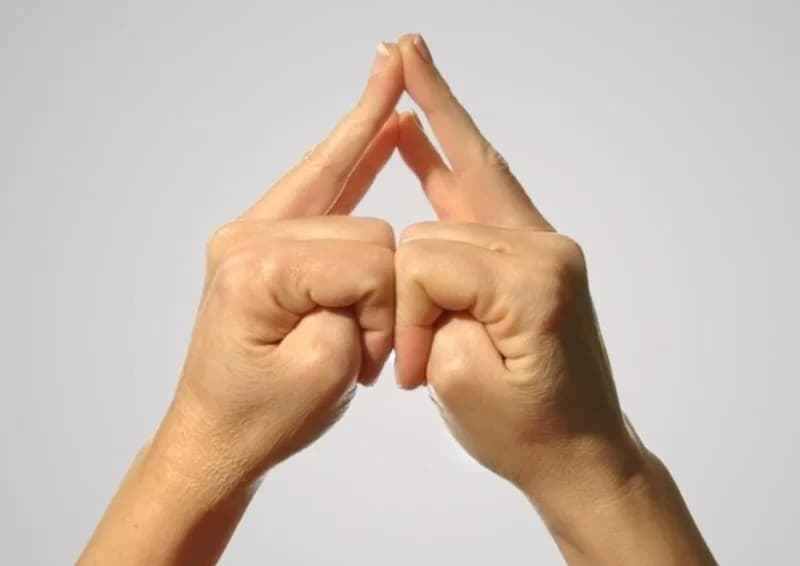
Shakti Mudra — Step by Step Step 1: Evening Starting Position Sit comfortably in a dim room or lie in Savasana for pre-sleep practice. The body and environment should already be transitioning toward rest before forming the gesture.
Step 2: Fold the Index and Middle Fingers Fold the index and middle fingers of both hands inward toward the palm — not clenched, but gently curled.
Step 3: Interlace the Thumbs Inside the Folded Fingers Interlace the thumbs of both hands inside the folded index and middle fingers — the thumbs crossing comfortably, each inside the opposite hand’s folded fingers.
Step 4: Extend the Ring and Little Fingers Extend the ring and little fingers of both hands so they point outward and touch at their tips. The extended ring and little fingers meeting at their tips completes the Shakti Mudra formation.
Step 5: Breathe with Extended Exhale Ratio Hold for fifteen to twenty minutes with extended-exhale breathing — inhale for four counts, exhale for eight counts. Each long exhale deepens the downward, surrendering quality of the practice.
Step 6: Continue into Sleep if Lying Down If practising in bed, allow the Shakti Mudra to be held as sleep approaches — the mudra may be maintained loosely as sleep onset begins. Release naturally as the body relaxes.
Breathing in Shakti Mudra
The 1:2 inhale-to-exhale ratio is the essential breathing protocol for Shakti Mudra’s sleep application — four counts in, eight counts out. This extended exhale activates the vagal brake and produces the parasympathetic deepening that makes the gesture most effective for sleep onset. Never use activating pranayama like Kapalbhati before Shakti Mudra’s sleep practice.
Preparatory Practices Before Shakti Mudra
These practices transition the nervous system toward the rest state that Shakti Mudra deepens.
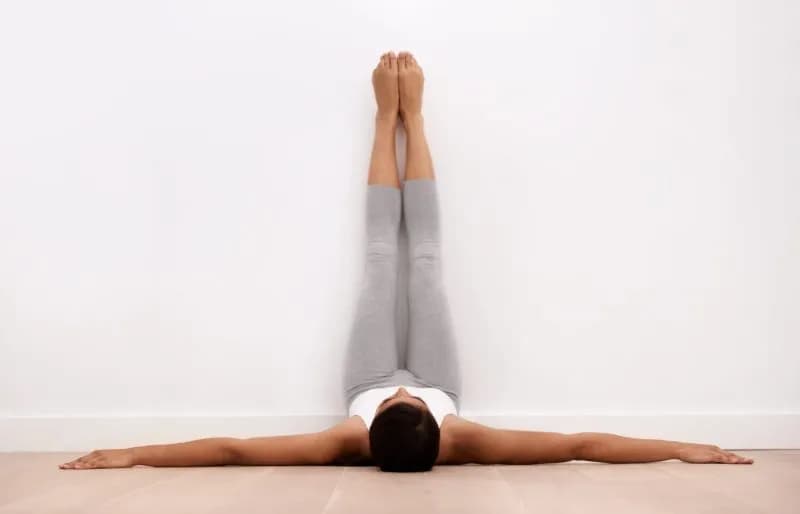
- Viparita Karani Mudra (10-15 minutes) — Legs Up the Wall before bed creates the ideal parasympathetic state for Shakti Mudra to deepen into sleep.
- Yoga Nidra (20-30 minutes) — Progressive physical and mental relaxation before Shakti Mudra’s specific sleep onset support.
- Chandrabhedana Pranayama (5 minutes) — Left nostril cooling breath establishes the lunar, receptive quality before Shakti Mudra formation.
Variations of Shakti Mudra
- Variation 1: Shakti Mudra in Bed — Pre-Sleep Application The primary and most widely practised application — Shakti Mudra held in bed with extended-exhale breathing for fifteen to twenty minutes before sleep. This is the most direct insomnia and sleep-onset application and the recommended starting practice for all beginners.
- Variation 2: Shakti Mudra in Evening Meditation — Surrendered Awareness Shakti Mudra used during evening meditation as the gesture of complete conscious surrender — the receptive, downward-flowing energy supporting the deep meditative absorption that the feminine principle embodies. Used by advanced practitioners for the deepest evening meditation states.
- Variation 3: Shakti Mudra for Pelvic Release — Therapeutic Application Shakti Mudra held for fifteen to twenty minutes specifically as a pelvic tension release practice — combined with abdominal breathing directed toward the lower abdomen. Used for the intestinal spasm, pelvic floor tension, and lower abdominal restlessness that chronic stress accumulates in the pelvic region.
Common Mistakes to Avoid in Shakti Mudra
- Morning or Afternoon Practice Causing Drowsiness Shakti Mudra’s sleep-inducing quality is a therapeutic feature in the evening and a practical problem in the morning or early afternoon. Practising during daytime hours when alertness is needed produces the drowsiness and reduced cognitive function that the mudra’s Apana Vayu activation naturally creates. Reserve Shakti Mudra strictly for evening or pre-sleep use.
- Using as a Pre-Meditation Alertness Mudra Shakti Mudra is not appropriate as a meditation opener when alert, concentrated presence is required — use Gyan Mudra or Chin Mudra for daytime meditation requiring alertness. Shakti Mudra is the gesture of surrender into stillness — only appropriate when the meditative intention itself is the deepest possible receptive absorption.
- Practising Without the Extended Exhale The extended exhale is not an optional accompaniment to Shakti Mudra — it is the primary physiological mechanism of the sleep-onset effect. The mudra formation without the 1:2 breath ratio produces a fraction of the parasympathetic activation that the complete practice delivers.
Who Should Practise Shakti Mudra?
- Those with Insomnia and Sleep Difficulties Shakti Mudra is the most directly sleep-supportive mudra in the classical system — its downward-energy activation, parasympathetic deepening, and receptive mental quality providing a comprehensive natural sleep onset support for practitioners dealing with difficulty initiating or maintaining sleep.
- Those with Chronic Stress and Evening Anxiety The downward, receptive, releasing quality of Shakti Mudra specifically counterbalances the upward, activating, grasping quality of chronic stress and anxiety — making it particularly valuable for practitioners whose evening mental activity prevents the transition to sleep.
- Is Shakti Mudra Good for Beginners? Yes — the physical formation is slightly more complex than simple mudras but is accessible to all practitioners within a few sessions. The key learning is the extended exhale protocol and the strict evening timing that prevent its drowsiness-inducing quality from affecting daytime function.
Make Shakti Mudra a Part of Your Evening Practice
Shakti Mudra is the yoga tradition’s most directly and reliably sleep-supportive practice — its downward-energy formation and extended-exhale breathing producing the parasympathetic deepening that the anxious, over-activated modern mind most needs to transition into deep, restorative sleep.
Whether you are using Shakti Mudra for insomnia relief, evening nervous system calming, the receptive meditation of deep surrender, or the pelvic tension release of its therapeutic application, the practice delivers consistent, cumulative benefit with daily evening use.
The most effective way to learn Shakti Mudra correctly — with formation guidance, extended-exhale protocol, and the evening timing that makes it most effective — is under live expert guidance with Habuild.
Start your 14 day free yoga journey with Habuild, today!
Related reads: Mudra for Sleep (Shakti Mudra): Steps, Benefits, and Precautions · Chin Mudra: How to Practice and Its Benefits for Calm and Clarity
An anxious mind rarely settles into deep sleep after a single attempt at Shakti Mudra — it’s the nightly repetition, ideally as part of a wind-down routine, that trains the body to associate the gesture with rest. Give it time before judging whether it’s helping. Habuild’s Yoga Everyday program can anchor that wind-down routine so the practice actually becomes part of how you prepare for sleep.
Frequently Asked Questions
Related Articles
Vajroli Mudra: How to Practice and Its Reproductive Health Benefits
Practice Vajroli Mudra with Habuild. Follow the thunderbolt contraction steps to strengthen the urogenital muscles and boost your vital energy. Start today!


Khechari Mudra: What It Is How to Practice and Its Longevity Benefits
Practice Khechari Mudra with Habuild. Follow the tongue lock steps to stimulate energy flow, reduce hunger, and deepen your meditation practice. Start today!
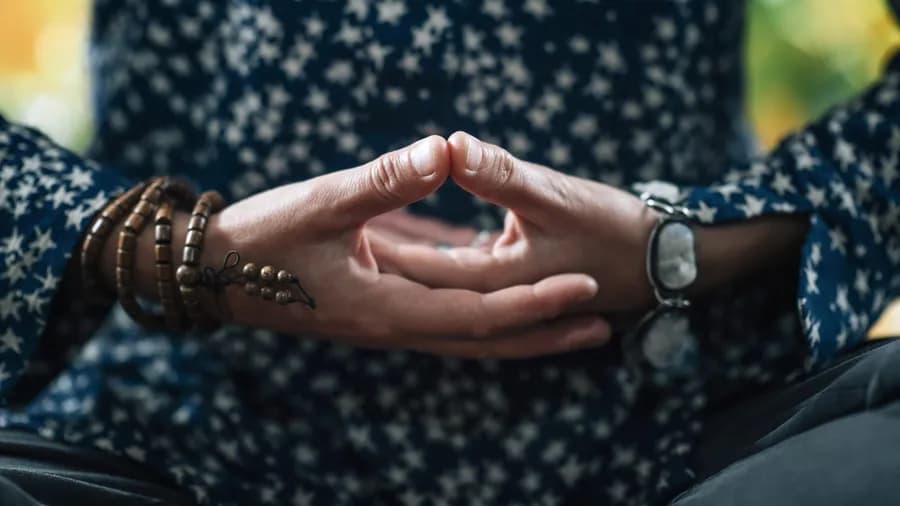
Dhyana Mudra: How to Practice and Its Benefits for Meditation
Practice Dhyana Mudra with Habuild. Follow the meditation hand gesture steps to calm the mind, deepen concentration, and support your daily practice. Start!