
Vajroli Mudra: How to Practice and Its Reproductive Health Benefits
Practice Vajroli Mudra with Habuild. Follow the thunderbolt contraction steps to strengthen the urogenital muscles and boost your vital energy. Start today!
Key Takeaways
- Involves controlled contraction of the urethra and surrounding perineal tissues specifically.
- Described in the Hatha Yoga Pradipika as redirecting vital essence, ojas, upward instead.
- Practised with Siddhasana positioning and Kumbhaka breath retention integrated together.
- Functions as targeted pelvic floor strengthening independent of its traditional energetic framing.
- Practitioners with mild urinary incontinence report improvement over consistent weeks.
- Named after the Vajra Nadi, the energy channel tied to the urogenital system.
Vajroli Mudra is an advanced yogic energy seal involving the controlled contraction of the urogenital muscles — specifically the urethra and associated perineal tissues. It strengthens the pelvic floor, improves urinary control, preserves and redirects vital energy (ojas) upward through the central channel, and is a classical practice of the Tantric Hatha yoga tradition described in the Hatha Yoga Pradipika.
What is Vajroli Mudra?
Vajroli Mudra — the Thunderbolt Energy Seal — is one of the classical mudras of the Hatha yoga tradition, described in the Hatha Yoga Pradipika and Gheranda Samhita as among the most powerful practices for vital energy preservation and spiritual development. Vajra (thunderbolt) refers both to the indestructible power the practice cultivates and to the Vajra Nadi — the energy channel corresponding to the urogenital system and the transmission of vital energy.
In yogic physiology, vital energy (ojas) is stored in and expressed through the urogenital system. The classical texts describe Vajroli Mudra as the practice of conserving this vital essence through urogenital muscular control — redirecting the energy that would otherwise be dispersed downward through the central channel (sushumna nadi) for spiritual and physical vitality. At the physical level, Vajroli Mudra functions as a targeted pelvic floor strengthening practice — improving urinary control, pelvic organ support, and the neuromuscular awareness of the urogenital region.
At Habuild, Vajroli Mudra is taught within the advanced mudra and bandha curriculum — with progressive muscular awareness development, Siddhasana positioning, and Kumbhaka (breath retention) integration that make this subtle practice safely accessible to serious practitioners.
Vajroli Mudra Benefits
Physical Benefits
- Strengthens the Pelvic Floor and Urogenital Muscles The specific urogenital muscular contraction of Vajroli Mudra progressively strengthens the anterior pelvic floor — improving the muscular support for the bladder, urethra, and associated urogenital structures. This physical pelvic floor strengthening benefit is accessible and significant regardless of the practitioner’s engagement with the traditional vital energy interpretation.
- Improves Urinary Control and Pelvic Organ Support The controlled muscular engagement of Vajroli Mudra specifically targets the urethral sphincter and associated pelvic floor muscles — improving the neuromuscular coordination that urinary control and pelvic organ support require. Practitioners with mild urinary incontinence consistently report meaningful improvement with consistent daily practice over weeks.
- Preserves and Redirects Vital Energy for Physical Vitality In the classical understanding, Vajroli Mudra’s vital energy preservation produces a progressive increase in overall physical vitality — the ojas conservation translating into improved energy, immune function, and physical resilience that practitioners consistently report with sustained regular practice.
Mental and Spiritual Benefits
- Develops Subtle Muscular Awareness for Advanced Practice The fine neuromuscular control required for Vajroli Mudra develops the quality of subtle physical awareness that all advanced pranayama and meditation practices benefit from — the ability to engage, hold, and release specific muscular groups with precision and complete awareness. This refined physical intelligence transfers directly to the subtler practices of advanced yoga.
How to Do Vajroli Mudra — Step-by-Step Instructions
Key Principles
Key Principles The contraction is specifically urethral — the sensation of stopping urine flow — not a general perineal contraction (which is Mula Bandha) or anal contraction (which is Ashwini Mudra). Developing this specificity requires patient, gradual practice over weeks. The development is progressive — quality of awareness of the correct muscular group matters more than intensity or duration.
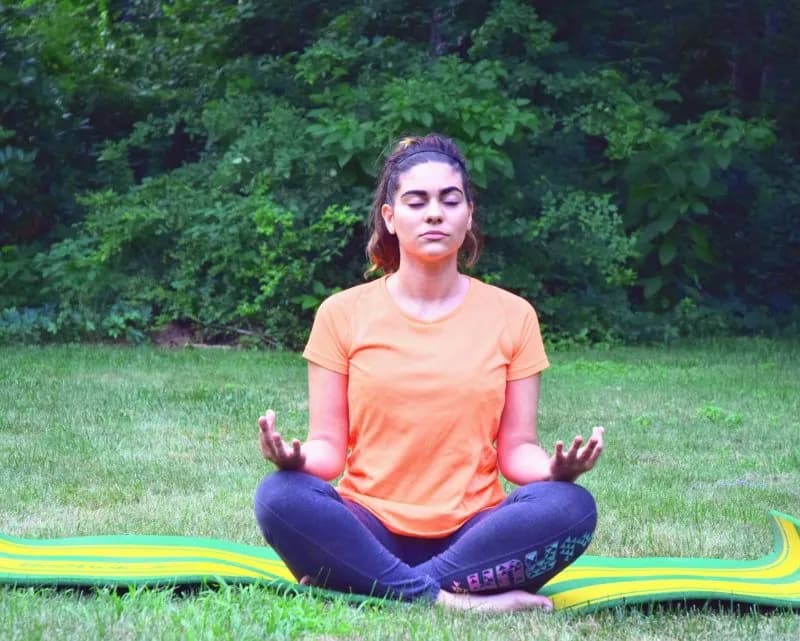
Vajroli Mudra — Step by Step Step 1: Siddhasana Seated Position Sit in Siddhasana or Sukhasana — Siddhasana is the classical posture as it positions the heel against the perineum, providing proprioceptive support for the urogenital region that makes the subtle contraction easier to locate.
Step 2: Complete Inhalation Inhale slowly and completely — filling the lungs and allowing the abdominal floor to descend naturally. The inhalation precedes the contraction.
Step 3: Urethral Contraction on the Exhale or Retention On the exhale (or during Kumbhaka — breath retention): gently contract the urethral muscles — the sensation of stopping urine flow mid-stream. The contraction should be isolated to the urethra, not the general perineum or anal region.
Step 4: Hold the Contraction Hold the contraction for three to five seconds — maintaining the isolated urethral engagement without spreading the contraction to surrounding muscles.
Step 5: Complete Release Release the contraction completely — allowing the urogenital floor to soften fully before the next repetition. Complete release is as important as the contraction itself.
Step 6: Repeat and Build Gradually Rest for an equal duration. Repeat ten to fifteen times per session. Build gradually over weeks — increasing duration and repetitions as awareness and muscular specificity develop. Never strain or force.
Breathing in Vajroli Mudra
Vajroli Mudra is most effectively practised with Kumbhaka (breath retention) — the contraction held during the retention phase and released before the exhale. Surya Bhedana pranayama is the classical pranayama paired with Vajroli Mudra in the Tantric Hatha tradition for solar channel activation that complements the vital energy preservation practice.
Preparatory Practices Before Vajroli Mudra
These practices establish pelvic floor awareness before the more subtle urogenital specificity of Vajroli Mudra.
- Ashwini Mudra (10-15 rounds) — Anal sphincter contractions develop the general pelvic floor awareness that makes urethral specificity more accessible.
- Mula Bandha practice (5-10 minutes) — The perineal root lock develops the pelvic floor muscular control that precedes the more anterior Vajroli focus.
- Siddhasana for 10 minutes — Establishing the classical posture develops the proprioceptive perineal awareness that supports Vajroli Mudra practice.
Variations of Vajroli Mudra
- Variation 1: Introductory Urethral Awareness — Beginner Begin with the simple act of locating the urethral contraction without any breath coordination — just establishing the awareness of the correct muscular group in isolation. This preliminary stage is essential before adding the breath retention element.
- Variation 2: Vajroli with Kumbhaka — Intermediate The classical application with breath retention — the contraction held during Kumbhaka, released before the exhale. This is the standard daily practice for established practitioners.
- Variation 3: Sahajoli Mudra — Female Equivalent Sahajoli Mudra is the female-specific equivalent of Vajroli Mudra — involving the contraction of the vaginal and urogenital muscles rather than the urethral sphincter specifically. Female practitioners use Sahajoli Mudra with the same pelvic floor strengthening and vital energy preservation intentions as Vajroli Mudra.
Common Mistakes to Avoid in Vajroli Mudra
- Contracting the General Perineum Rather Than the Urethra Specifically The most common error — contracting the entire perineal floor (Mula Bandha) or the anal region (Ashwini Mudra) rather than isolating the urethral contraction. The development of urethral specificity requires weeks of patient practice and the progressive refinement of awareness that distinguishes adjacent muscular groups.
- Straining or Forcing the Contraction Vajroli Mudra is a practice of subtle awareness and gentle engagement — not muscular force. Straining produces the wrong muscular groups, creates unnecessary tension, and interferes with the energetic intention of the practice. The contraction should be noticed more than forced.
- Practising During Urinary Tract Infection or Post-Surgical Recovery Never practise Vajroli Mudra during active urinary tract infection — the contraction can worsen inflammatory conditions. Post-surgical recovery from any pelvic procedure requires medical clearance before beginning or resuming the practice.
Who Should Practise Vajroli Mudra?
- Advanced Hatha Yoga Practitioners Developing Bandha Practice Vajroli Mudra is most appropriately introduced after Mula Bandha and Ashwini Mudra have been established — building the progressive pelvic floor awareness hierarchy from general to specific that the classical Hatha yoga curriculum follows.
- Those with Pelvic Floor Health Goals The pelvic floor strengthening and urinary control benefits of Vajroli Mudra are valuable for practitioners managing mild urinary incontinence, pelvic organ prolapse prevention, and the pelvic floor weakening associated with ageing.
- Is Vajroli Mudra Good for Beginners? Not as a starting practice — the urethral specificity required by Vajroli Mudra develops only after the general pelvic floor awareness of Mula Bandha and Ashwini Mudra has been established. Beginners should begin with these accessible pelvic floor practices before approaching Vajroli Mudra.
Make Vajroli Mudra a Part of Your Advanced Practice
Vajroli Mudra is one of classical Hatha yoga’s most traditionally significant and physically specific energy seals — its urethral contraction delivering pelvic floor strengthening, urinary control improvement, and vital energy preservation through a practice whose subtlety and specificity make it genuinely advanced.
Whether you are approaching Vajroli Mudra for its pelvic floor health benefits or for the vital energy preservation of the classical Tantric tradition, the practice rewards patient, consistent development with the progressive neuromuscular specificity and energetic awareness that its full benefits require.
The most effective way to learn Vajroli Mudra correctly — with the urethral isolation guidance, Kumbhaka integration, and classical tradition context — is under live expert guidance with Habuild.
Start your 14 day free yoga journey with Habuild, today!
Related reads: Shankh Mudra: How to Practice and Its Benefits for Throat Health · Surabhi Mudra: What It Is How to Practice and Its Health Benefits
Vajroli Mudra works on subtle muscular control, and that kind of control is built slowly, through careful, repeated practice rather than intensity in a single session. Because it involves sensitive muscle groups, it’s worth learning gently and progressing at your own pace rather than pushing for results. Folding it into a broader, guided daily practice — like the one inside Habuild’s Yoga Everyday program — gives you that steady, paced structure.
Frequently Asked Questions
Related Articles
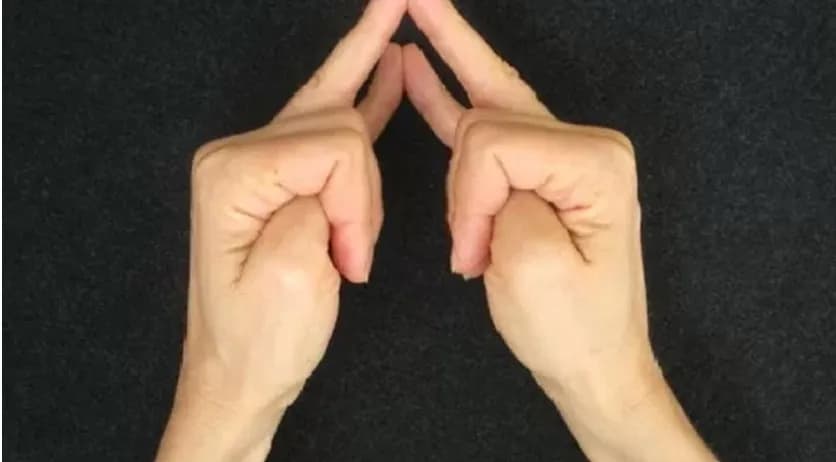
Vajra Mudra: How to Practice and Its Benefits for Nerve Strength
Learn Vajra Mudra with Habuild. Discover vajra mudra benefits and how to do vajra mudra to strengthen focus, energy, and inner resilience.

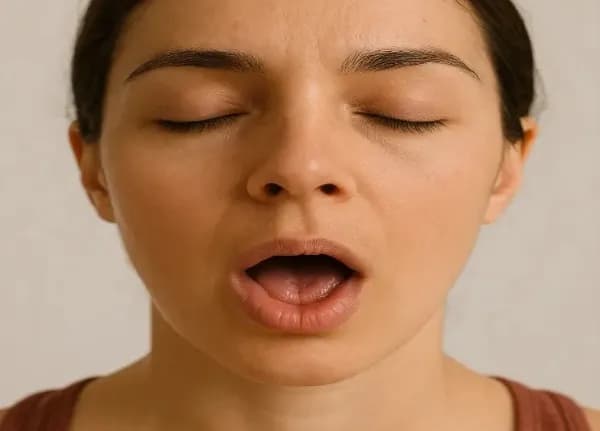
Shakti Mudra: How to Practice and Its Benefits for Deep Sleep
Practice Shakti Mudra with Habuild. Follow the power gesture steps to relieve insomnia, calm the anxious mind, and deepen your sleep practice. Start today!
Khechari Mudra: What It Is How to Practice and Its Longevity Benefits
Practice Khechari Mudra with Habuild. Follow the tongue lock steps to stimulate energy flow, reduce hunger, and deepen your meditation practice. Start today!
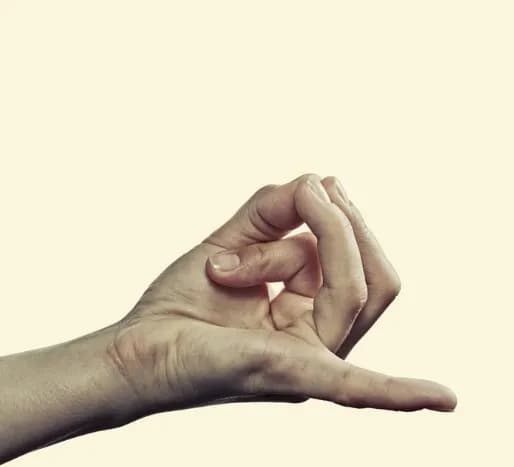
Apana Vayu Mudra: How to Practice and Its Benefits for Heart Health
Practice Apana Vayu Mudra with Habuild. Follow the heart gesture steps to support heart health, reduce palpitations, and calm the nervous system. Start today!
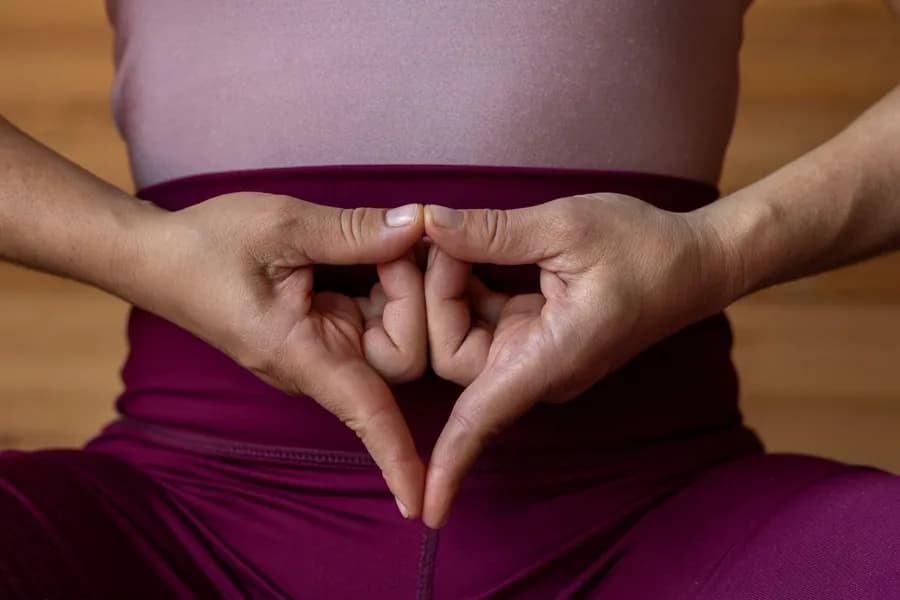
Yoni Mudra: What It Is How to Practice and Its Benefits for Calm
Practice Yonimudra with Habuild. Follow the Shanmukhi Mudra steps to withdraw the senses inward, calm the nervous system, and deepen your meditation. Start!